
 English
 中文简体
中文简体 Español
Product Category

| No. of Product | Width (mm) | Model of Raw Yam (tex) | Model of Raw Yam (tex) | Mesh (mm) | Mesh (mm) | Mesh (mesh/inch) | Mesh (mesh/inch) | Weave | Resin Content (%) | Weight (g/m 2) | Fracture Strength (N/50mm) | Fracture Strength (N/50mm) |
| Warp | Woof | Warp | Woof | Warp | Woof | Warp | Woof | |||||
| 1 | 1000-1250 | 32x2 | 204 | 5 | 5 | 5 ± 0.5 | 5 ± 0.5 | union | 20 ± 2 | 65 ± 3 | 500 | 500 |
| 2 | 1000-1250 | 50x2 | 255 | 5 | 5 | 5 ± 0.5 | 5 ± 0.5 | union | 18 ± 2 | 80 ± 3 | 800 | 900 |
| 3 | 1000-1250 | 100x2 | 306 | 5 | 5 | 5 ± 0.5 | 5 ± 0.5 | union | 18 ± 2 | 125 ± 3 | 1100 | 1300 |
| 4 | 1000-1250 | 134x2 | 357 | 5 | 5 | 5 ± 0.5 | 5 ± 0.5 | union | 18 ± 2 | 145 ± 3 | 1300 | 1500 |
| 5 | 1000-1250 | 134x2 | 408 | 5 | 5 | 5 ± 0.5 | 5 ± 0.5 | union | 18 ± 2 | 2160 ± 3 | 1500 | 1700 |
| 6 | 1000-1250 | 50x2 | 204 | 4 | 5 | 6 ± 0.5 | 5 ± 0.5 | union | 18 ± 2 | 80 ± 3 | 550 | 800 |
| 7 | 1000-1250 | 100x2 | 255 | 4 | 5 | 6 ± 0.5 | 5 ± 0.5 | union | 18 ± 2 | 110 ± 3 | 1100 | 1000 |
| 8 | 1000-1250 | 134x2 | 306 | 4 | 5 | 6 ± 0.5 | 5 ± 0.5 | union | 18 ± 2 | 150 ± 3 | 1400 | 1500 |
| 9 | 1000-1250 | 32x2 | 204 | 4 | 4 | 6 ± 0.5 | 6 ± 0.5 | union | 19 ± 2 | 80 ± 3 | 550 | 850 |
| 10 | 1000-1250 | 100x2 | 204 | 4 | 4 | 6 ± 0.5 | 6 ± 0.5 | union | 18 ± 2 | 120 ± 3 | 1100 | 900 |
| 11 | 1000-1250 | 134x2 | 255 | 4 | 4 | 6 ± 0.5 | 6 ± 0.5 | union | 18 ± 2 | 150 ± 3 | 1500 | 1600 |
| 12 | 1000-1250 | 134x2 | 306 | 4 | 4 | 6 ± 0.5 | 6 ± 0.5 | union | 18 ± 2 | 160 ± 3 | 1500 | 1800 |
| 13 | 1000-1250 | 50x2 | 306 | 5 | 6 | 5 ± 0.5 | 4 ± 0.5 | union | 18 ± 2 | 80 ± 3 | 500 | 1000 |
| 14 | 1000-1250 | 100x2 | 357 | 5 | 6 | 5 ± 0.5 | 4 ± 0.5 | union | 18 ± 2 | 110 ± 3 | 1000 | 1200 |
| 15 | 1000-1250 | 255x2 | 408 | 10 | 10 | 2.5 | 2.5 | union | 18 ± 2 | 220 ± 3 | 1000 | 1200 |
| 16 | 1000-1250 | 255x2 | 561 | 10 | 10 | 2.5 | 2.5 | union | 18 ± 2 | 125 ± 3 | 1000 | 1400 |
| 17 | 1000-1250 | 375x2 | 561 | 10 | 10 | 2.5 | 2.5 | union | 18 ± 2 | 145 ± 3 | 1400 | 1500 |
| 18 | 1000-1250 | 375x2 | 561 | 10 | 10 | 2.5 | 2.5 | union | 18 ± 2 | 160 ± 3 | 1500 | 1600 |
| 19 | 1000-1250 | 33x2 | 67 | 2.8 | 2.8 | 9 ± 0.5 | 9 ± 0.5 | union | 21 ± 2 | 45 ± 3 | 600 | 600 |
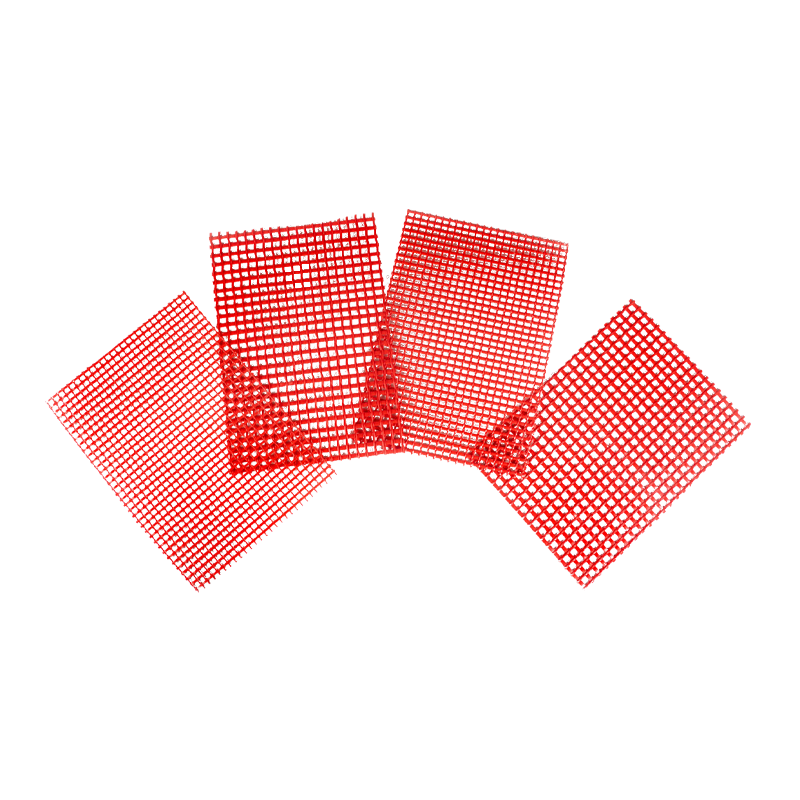
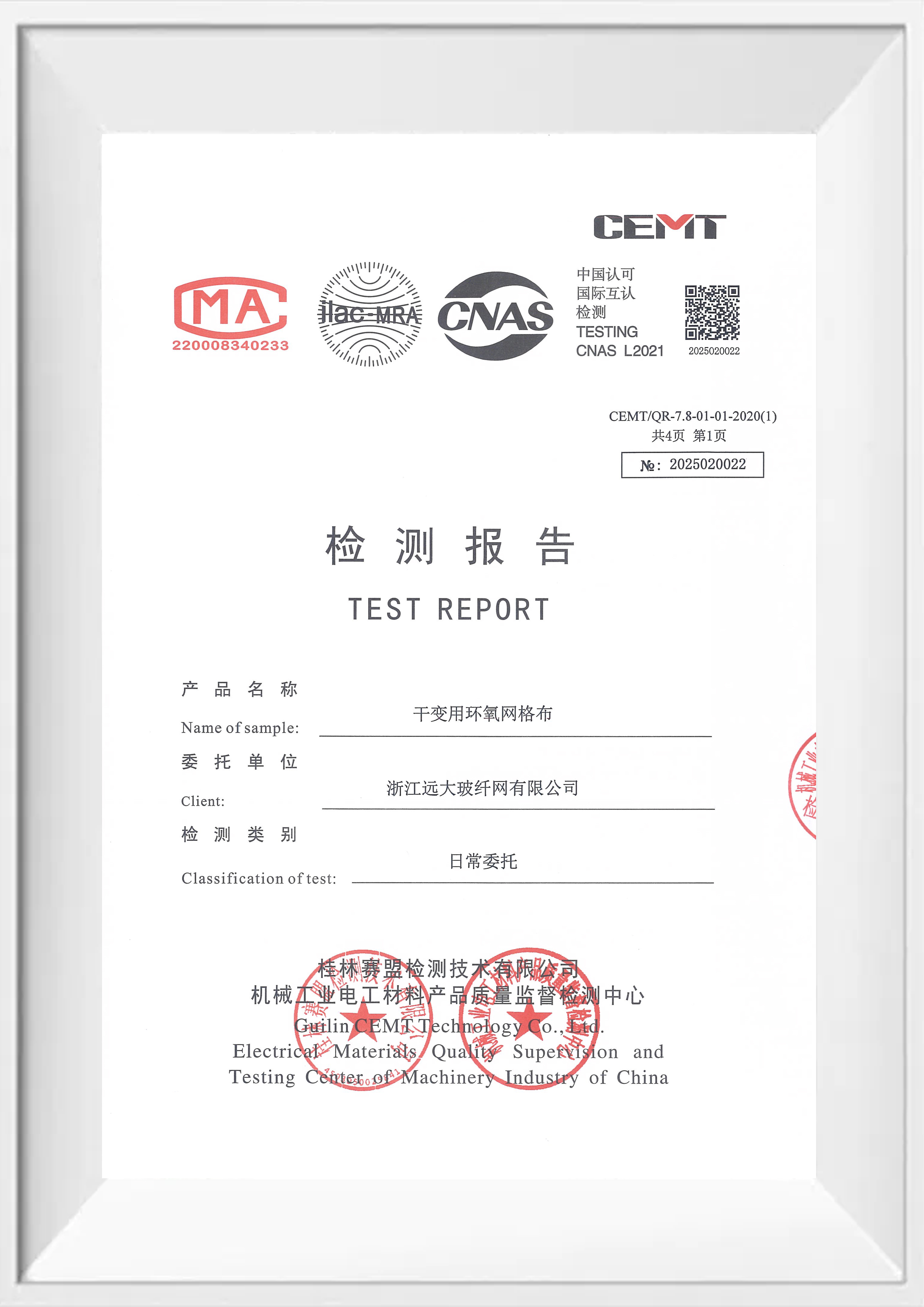
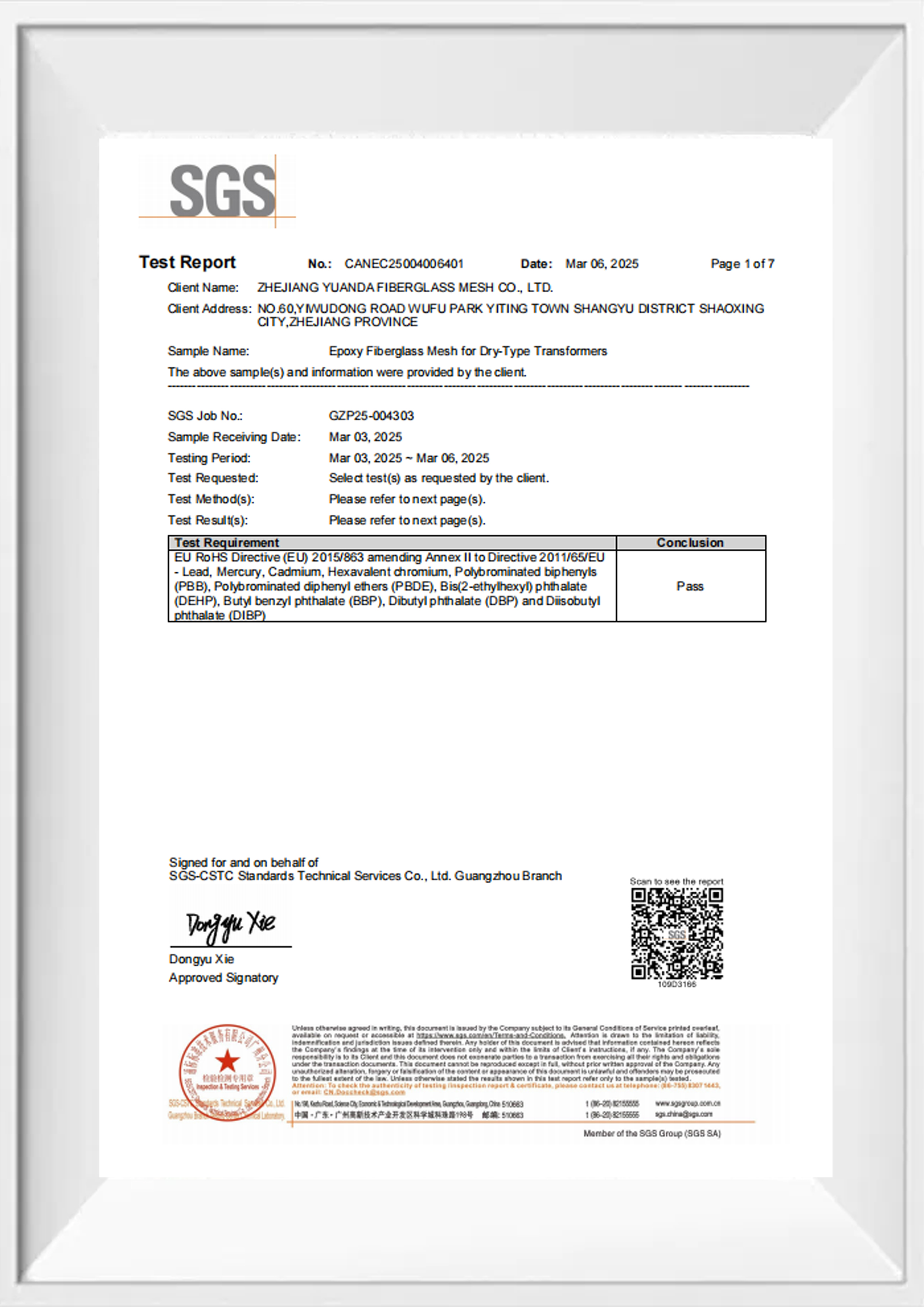
Epoxy Glass Fiber Mesh Cloth is a high-performance insulating material made from alkali-free, wax-free, silane-treated glass fiber yarn and polyester filament woven into a square-hole mesh fabric. It is produced through a process of high-temperature dehydration, epoxy resin impregnation, drying, curing, and shaping. The material is thoroughly impregnated with epoxy resin, resulting in a bubble-free internal structure with no partial discharge. Its temperature resistance reaches Class H. It maintains high mechanical strength under both normal and high-temperature conditions, ensuring that cast transformers, reactors, and other equipment operate safely and reliably.
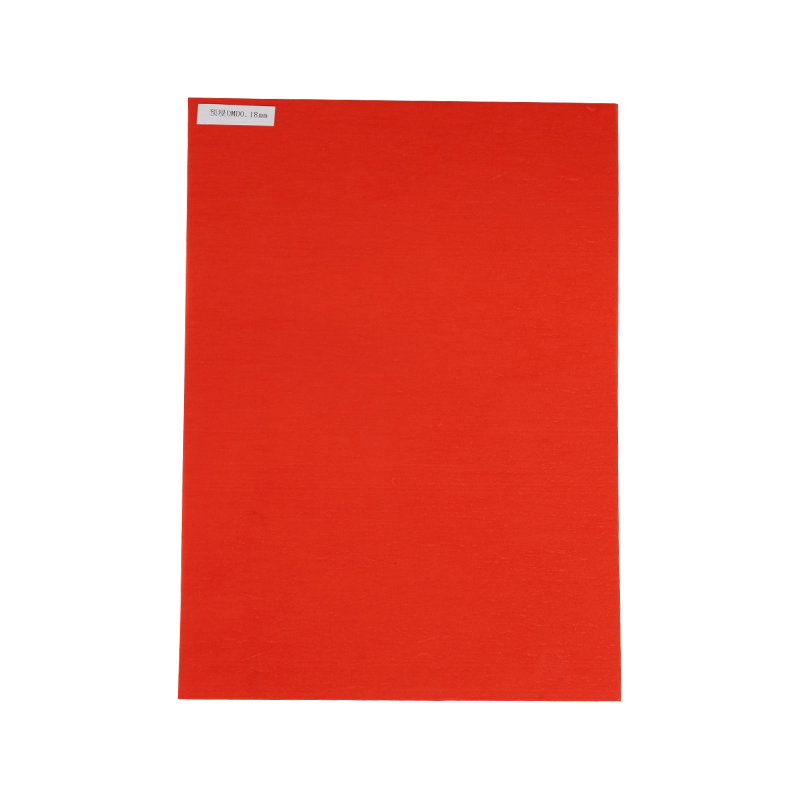
DMD Epoxy Prepreg is a flexible insulation material with a sandwich structure: a middle layer of polyester film for electrical strength and tear resistance, surrounded by two layers of polyester non-woven fabric for flexibility and resin absorption. Impregnated with epoxy resin and baked to a semi-cured (B-stage) state, it maintains good resin flowability and low volatility during high-temperature curing, forming a durable structure that provides both mechanical protection and electrical insulation.
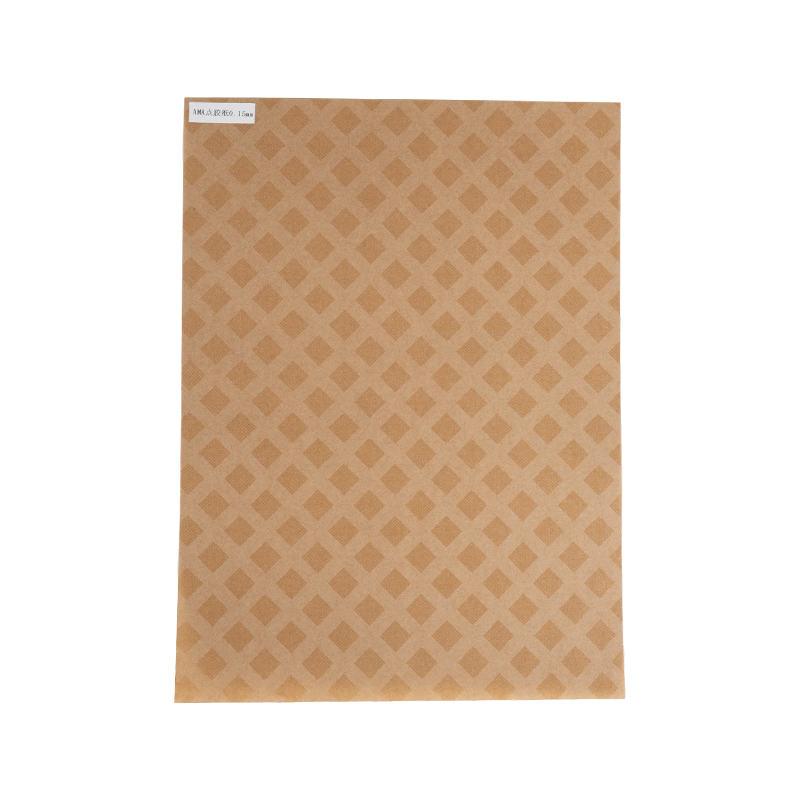
Diamond Dot Paper (DDP) is an insulating material produced by applying a special modified epoxy resin in a diamond-shaped pattern onto electrical insulating paper, followed by B-stage curing.Working Principle: Heating & Melting: The diamond-shaped epoxy resin melts at a specific temperature during coil drying, becoming tacky. Bonding & Curing: As temperature increases, the resin fully cures (C-stage), firmly bonding adjacent coil layers. Gas Release: The dot-shaped resin pattern allows gases to escape through uncoated areas during curing. Oil Impregnation: Transformer oil can fully penetrate the insulation through areas without coating.
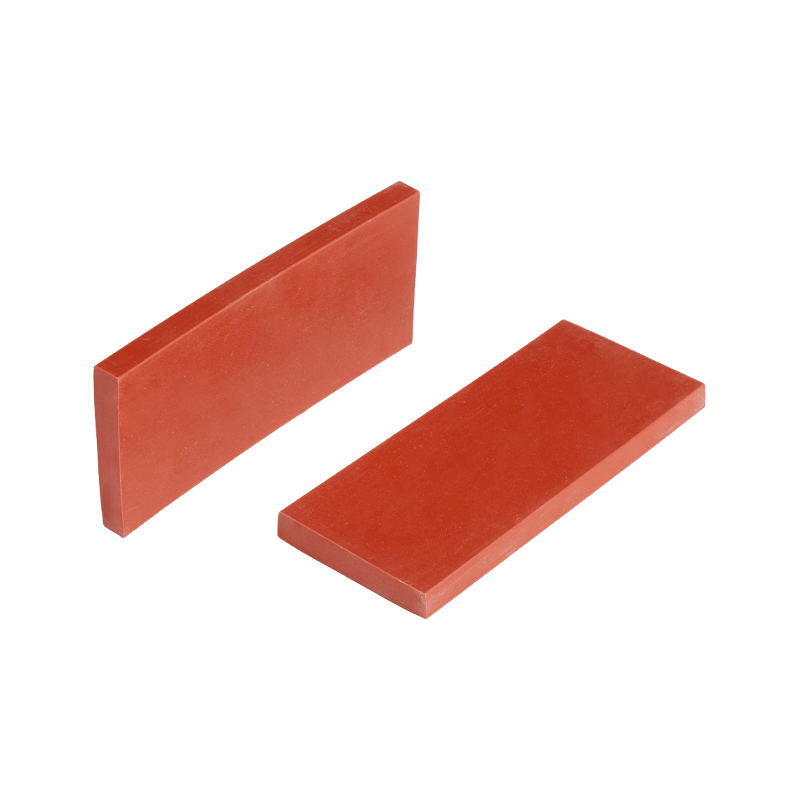
The transformer rubber vibration isolator is an elastic damping component installed between the transformer bottom and its foundation. Its high elasticity and damping properties absorb operational vibrations and block noise transmission, effectively mitigating low-frequency structural noise interference with the surrounding environment—delivering vibration/noise reduction, equipment protection, and environmental improvement.
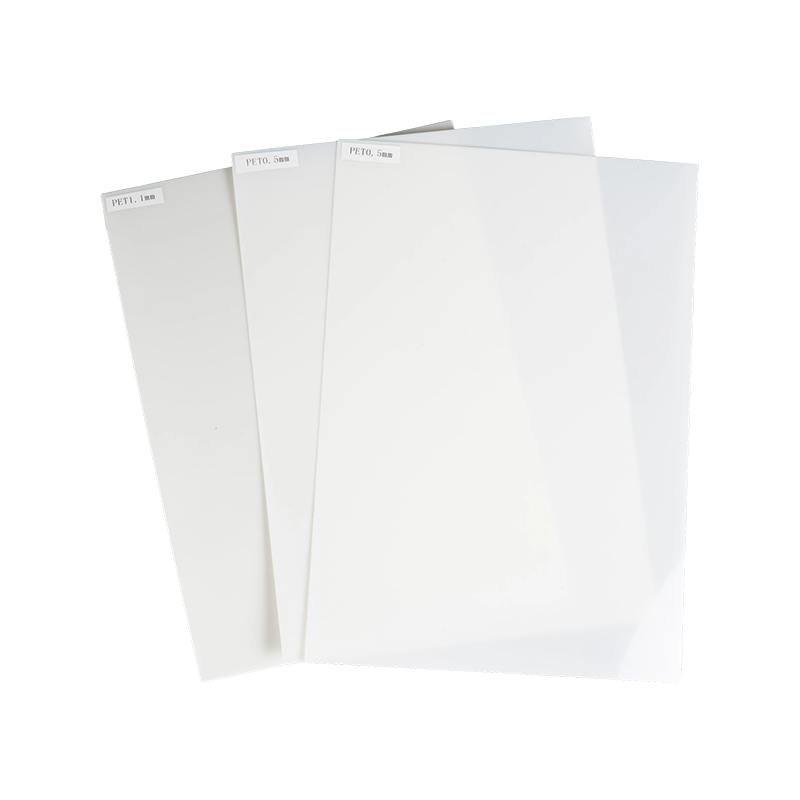
The PET Composite Insulating Barrier Board is a rigid insulating material made by laminating and pressing two or more layers of electrical-grade polyester film with a special heat-resistant adhesive. It relies entirely on the composite structure of multiple PET film layers to provide the required mechanical strength and electrical insulation performance.The product features a smooth and dense surface, is specifically designed for dry-type transformers and is particularly suitable for use as the main insulation between high-voltage and low-voltage coils. It is also widely used in the insulation of high-voltage electrical apparatus and motor windings.
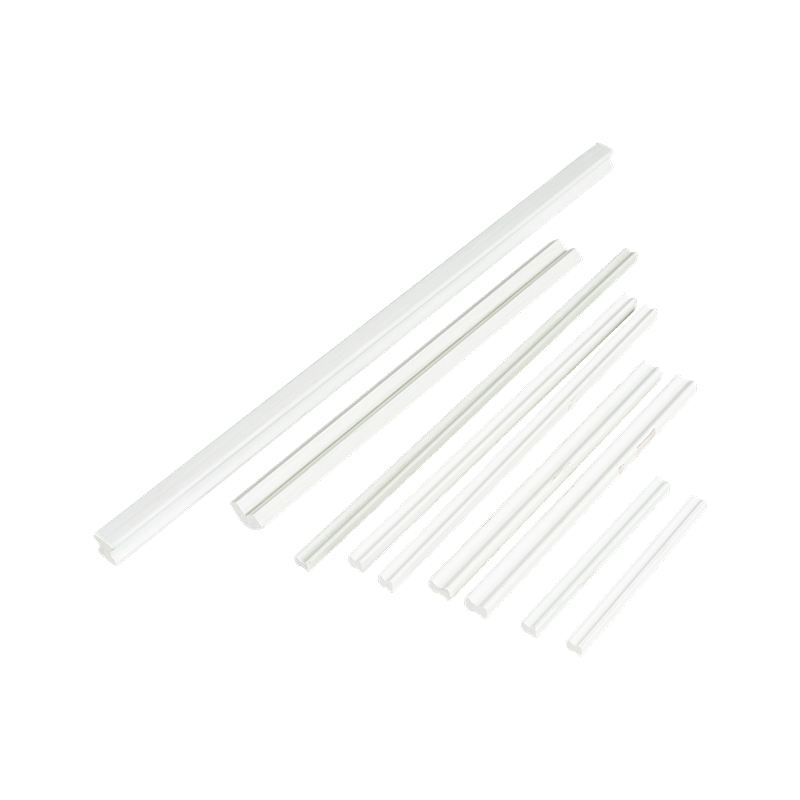
Pultruded strips for dry transformer, also known as I-shaped insulating spacer, are insulating support profiles integrally formed through a continuous pultrusion process. The core is made of alkali-free glass fiber impregnated with thermosetting resin. The I-shaped structure is adapted to the internal installation space and stress requirements of dry-type transformers. The surface is smooth and free of defects such as bubbles and cracks.
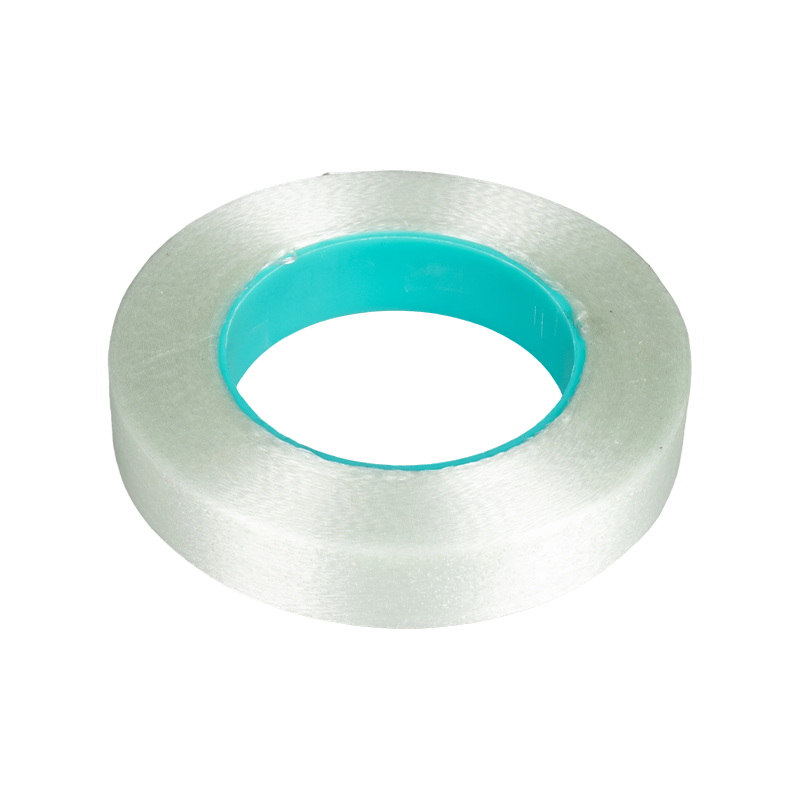
Weftless Banding Tape is a B-stage (semi-cured) tape, manufactured by combining chemically treated alkali-free glass fiber yarns, impregnating them with thermosetting resin, such as epoxy resin, and then drying.The term "weftless" means all glass fibers are unidirectionally aligned in parallel. When stretched transversely, the tape forms a mesh-like structure. This unique characteristic allows the tape to fit tightly against the surface of the object being bandaged during winding. After curing, it forms a high-strength, low-shrinkage insulating binding layer.
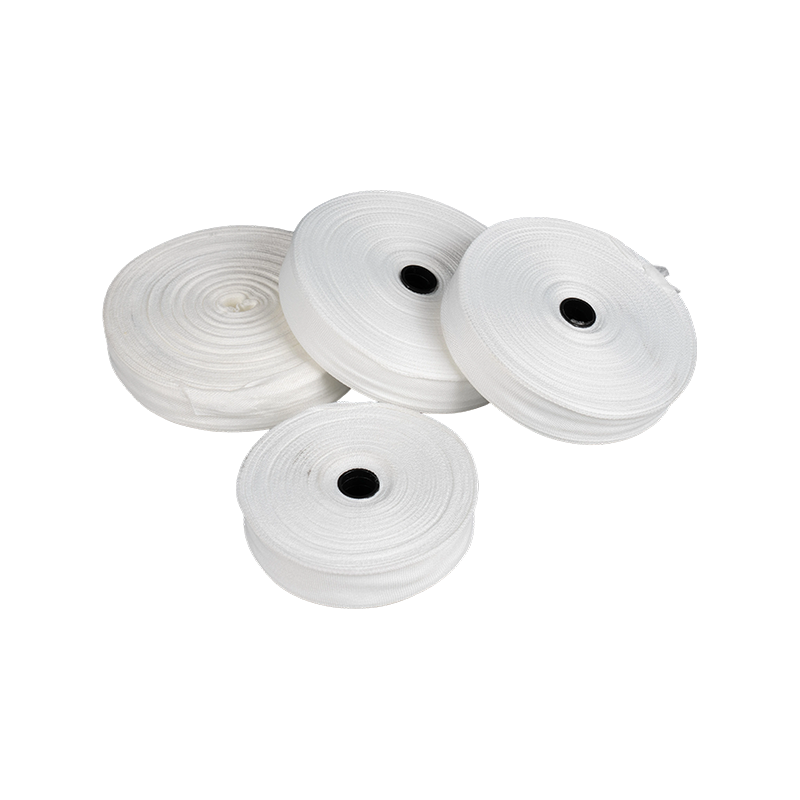
Transformer Shrink Tape is a professional heat-shrinkable sealing tape constructed from polyester fiber; engineered for reliable insulation and sealing in harsh environments. Unlike conventional adhesive-based electrical tapes, it uniformly shrinks when heated, creating a tight physical wrap around irregular shapes and complex components for a seamless, permanent seal. With excellent resistance to moisture, chemicals, and mechanical stress, it is the ideal choice for mission-critical installations where reliability is essential.
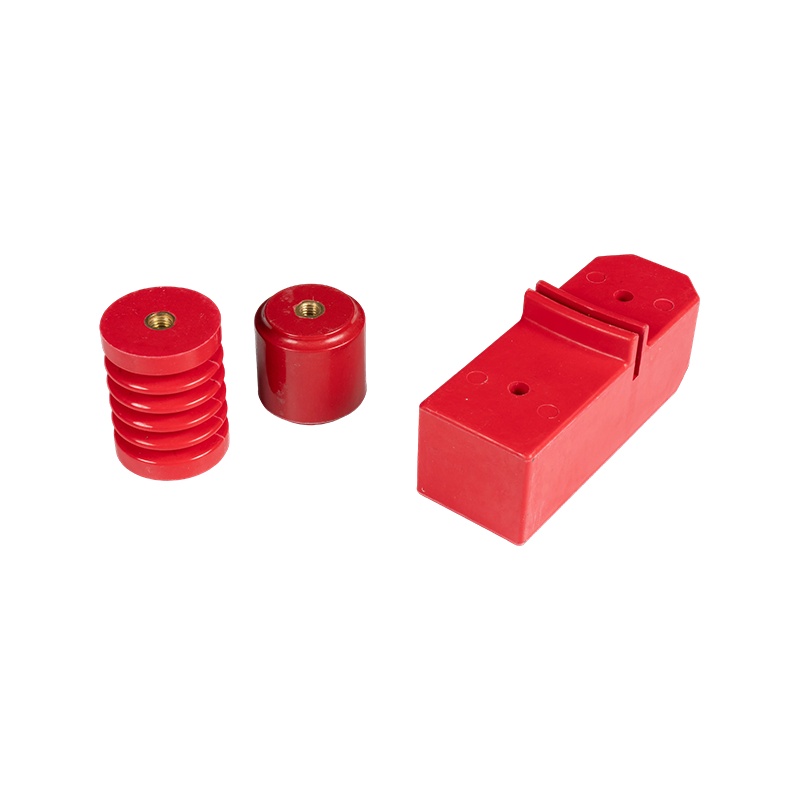
Insulators are key components that perform the dual functions of electrical isolation and mechanical support, serving as one of the core foundational elements ensuring safe equipment operation. Through specific structural designs, they achieve "electrical isolation between live parts and grounded/low-potential parts" while withstanding the mechanical and thermal stresses generated during equipment operation.
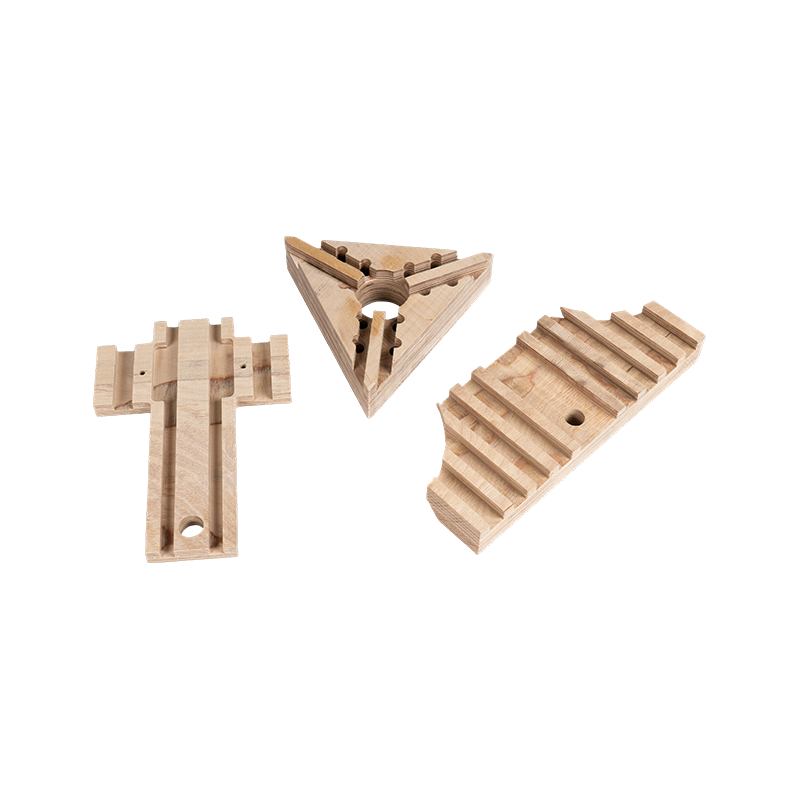
Electrical laminated wood is an insulating structural material specifically designed for power equipment such as transformers and instrument transformers. It is manufactured from high-quality birch wood through processes including steaming, rotary cutting, and drying to produce veneers, which are then coated with insulating adhesive and bonded under high temperature and high pressure.
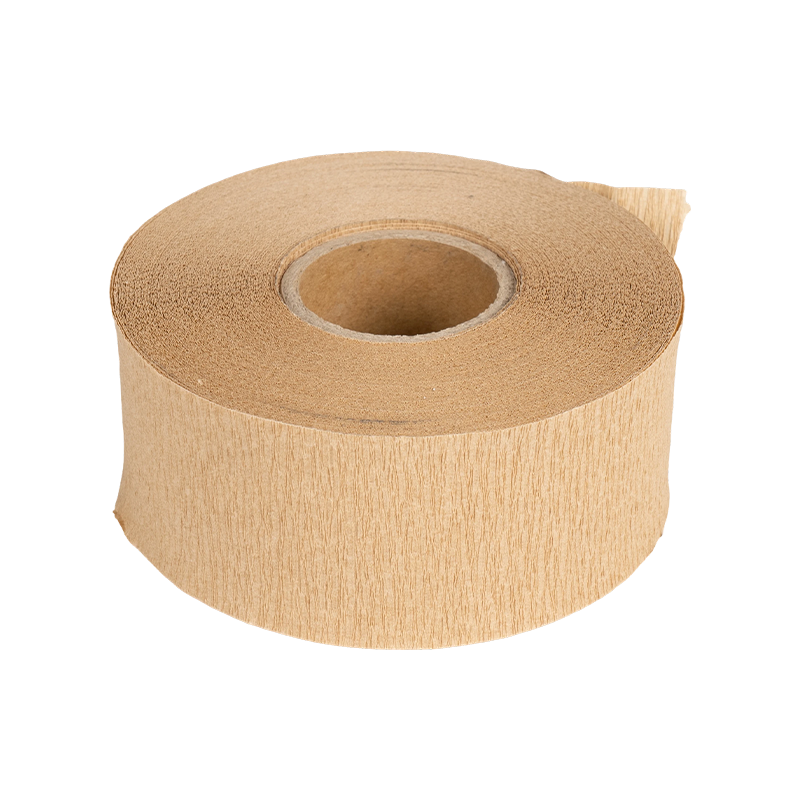
Insulating Crepe Paper is a key solid insulating material in the oil-immersed transformers. Made from high-purity sulfate wood pulp, the product is produced by a special creping process using un-dried flat web base paper. Its unique transverse crepe structure delivers high elongation and good flexibility—unmatched by plain insulating paper—allowing it to tightly conform to irregular surfaces. This ensures a uniform, compact insulation layer on complex areas such as transformer leads, transposed conductors, and coil ends.
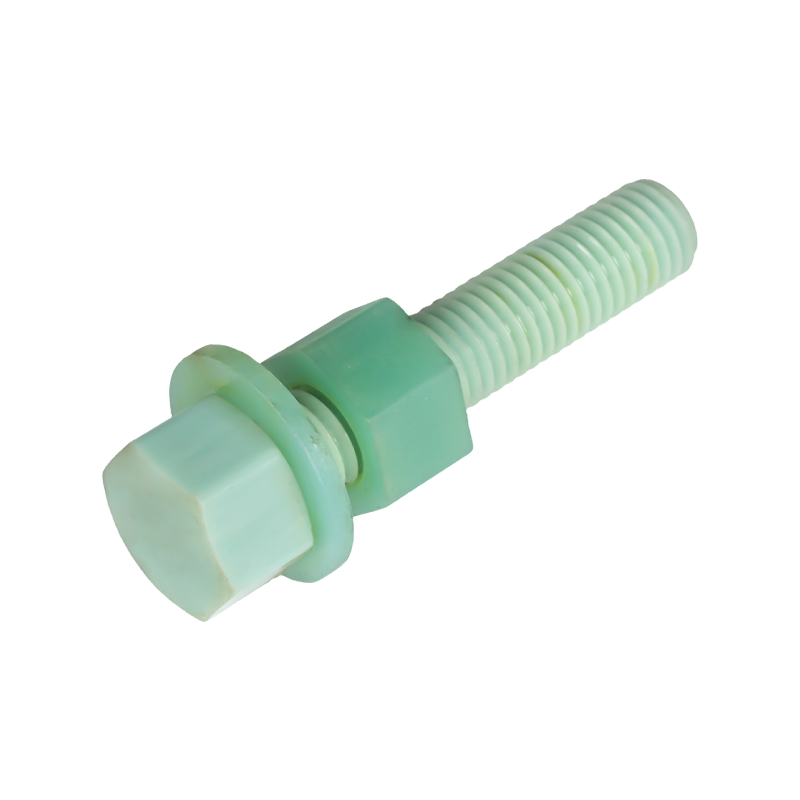
FRP fasteners for transformers are made of glass fiber reinforced plastic, combining high strength with excellent electrical insulation. They are corrosion-resistant and non-conductive, specially used for insulating structural connections in power equipment such as transformers and reactors. Suitable for both oil-immersed and dry-type transformers, they are key components ensuring electrical safety and structural stability.
A rooftop terrace leaks nine months after a fresh waterproofing job. The coating looks intact, but a hairline crack in the slab has opened a path through the membrane. This is no...
READ MORESuppose you are tiling a bathroom over cement backer board. The joints are taped, the mortar bed is fresh, and the job looks clean. Eight months later, a hairline crack appears e...
READ MOREIf a cement-based wall develops hairline cracks, the repair will fail again unless the render absorbs stress in a controlled way. Fiberglass mesh for concrete is that control lay...
READ MOREFiberglass mesh application is a straightforward but critical decision: you embed a woven glass-fiber fabric into plaster, stucco, concrete, or insulation board to stop cracks an...
READ MOREFiberglass mesh for stucco is a woven alkali-resistant glass fiber fabric that is embedded in the stucco base coat to control cracking and distribute tensile stress. That definit...
READ MORETransformer insulation materials are essential components used to electrically isolate conductive parts and protect transformers from thermal, electrical, and mechanical stress. These materials help maintain operational safety, improve energy efficiency, and extend transformer lifespan. Common insulation materials include insulating paper, fiberglass mesh, epoxy resin, insulating varnish, and polymer composites.
In modern power systems, transformers often operate under temperatures exceeding 105°C to 220°C. High-quality insulation materials reduce dielectric losses and improve thermal endurance. According to industry data, reliable insulation systems can increase transformer service life by 30% or more.
Cellulose paper is widely used in oil-immersed transformers because of its excellent dielectric properties and affordability. It is commonly applied around transformer windings and conductors.
Fiberglass mesh reinforced materials provide outstanding mechanical strength and heat resistance. These materials are commonly used in dry-type transformers and high-voltage insulation systems where dimensional stability is critical.
Epoxy resin insulation is known for its superior moisture resistance and strong adhesion. It is often used in cast resin transformers operating in humid or polluted environments.
| Material | Temperature Resistance | Main Advantage |
|---|---|---|
| Cellulose Paper | 105°C | Low Cost |
| Fiberglass Mesh | 180°C+ | High Strength |
| Epoxy Resin | 155°C | Moisture Resistance |
Transformer failures are often linked to insulation breakdown. Studies show that approximately 60% of transformer failures are related to insulation aging and overheating. Using advanced insulation materials significantly improves transformer reliability and reduces maintenance costs.
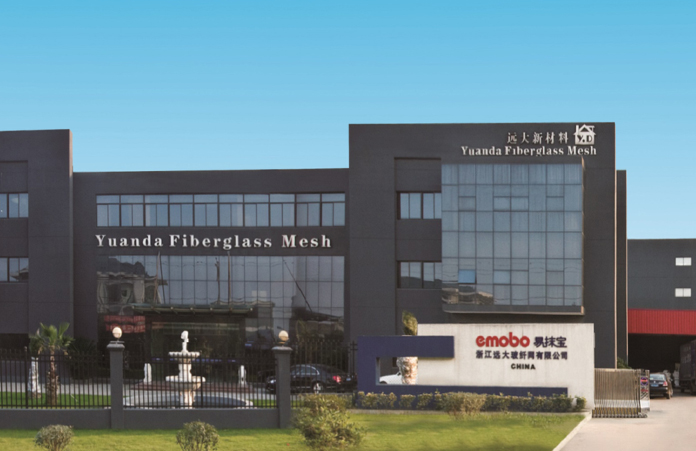
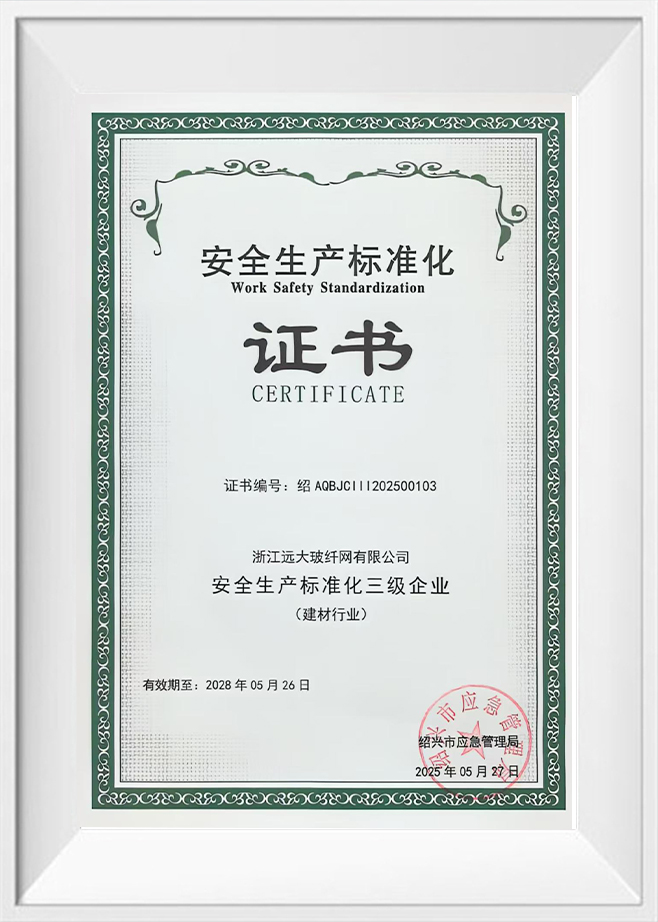
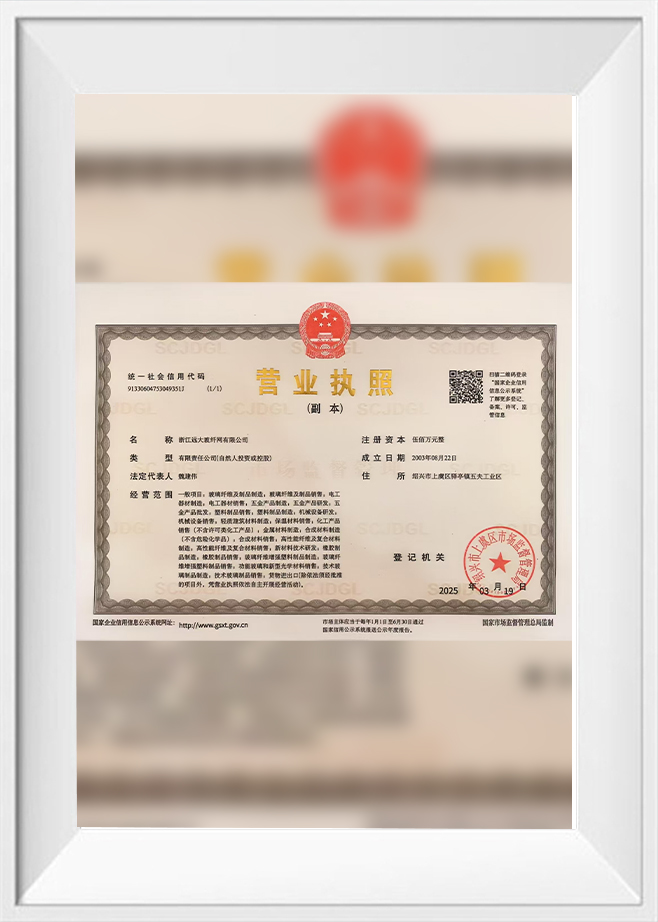
Zhejiang Yuanda Fiberglass Mesh Co.,ltd. is a professional manufacturer specializing in high-performance fiberglass mesh materials widely used in transformer insulation systems, construction reinforcement, and industrial applications.
The company operates a 33,000 m² facility equipped with in-house weaving and impregnation-curing production lines. With an annual production capacity of 20 million m² of high-strength GFRP mesh, Zhejiang Yuanda ensures stable supply and consistent product quality.
The manufacturing process follows a green, energy-efficient, and intelligent production concept. Critical factors such as tension control, coating pickup, and curing profiles are continuously monitored to guarantee consistent aperture, weight, and adhesion in every batch.
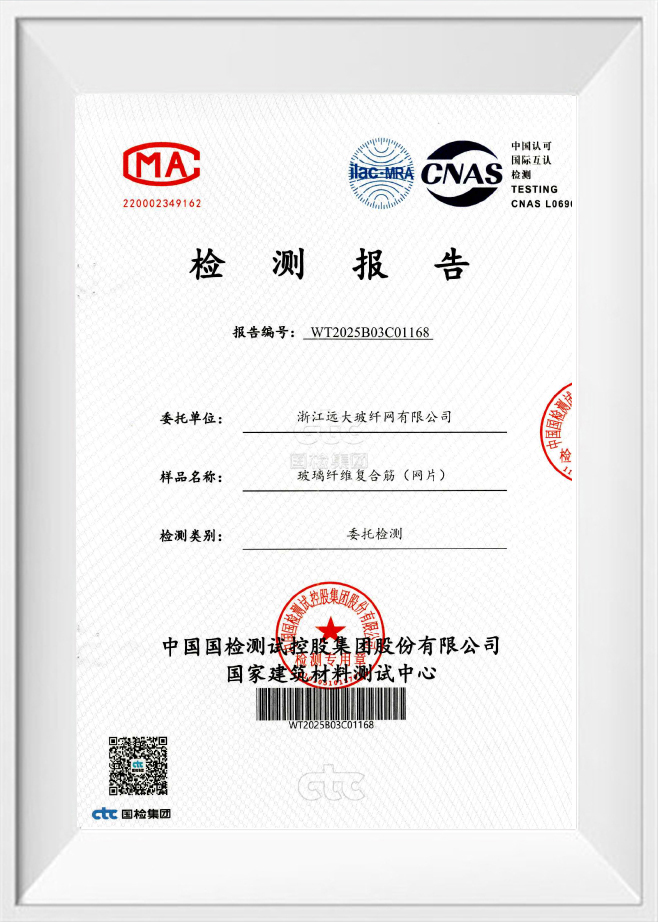
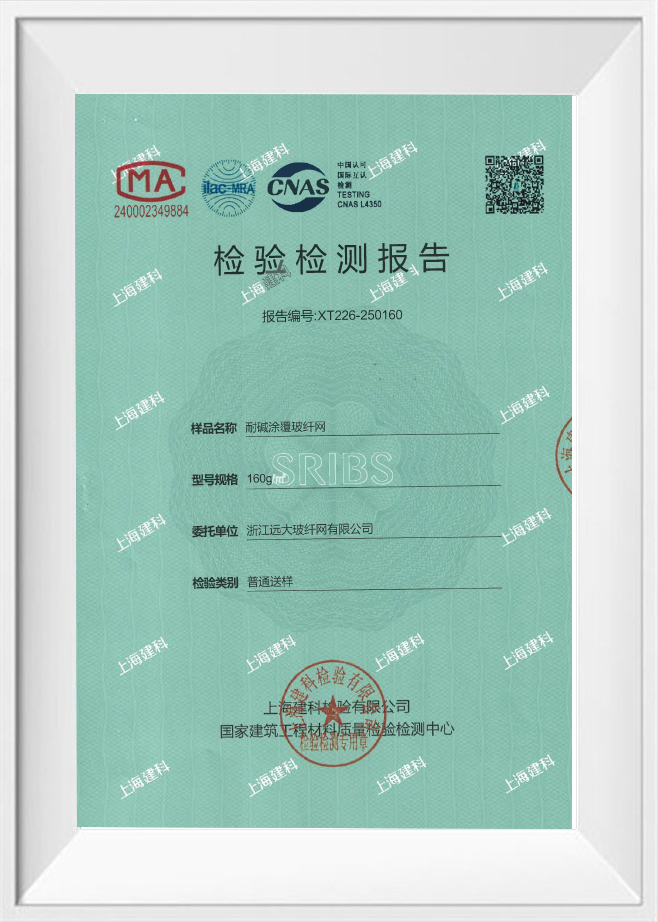
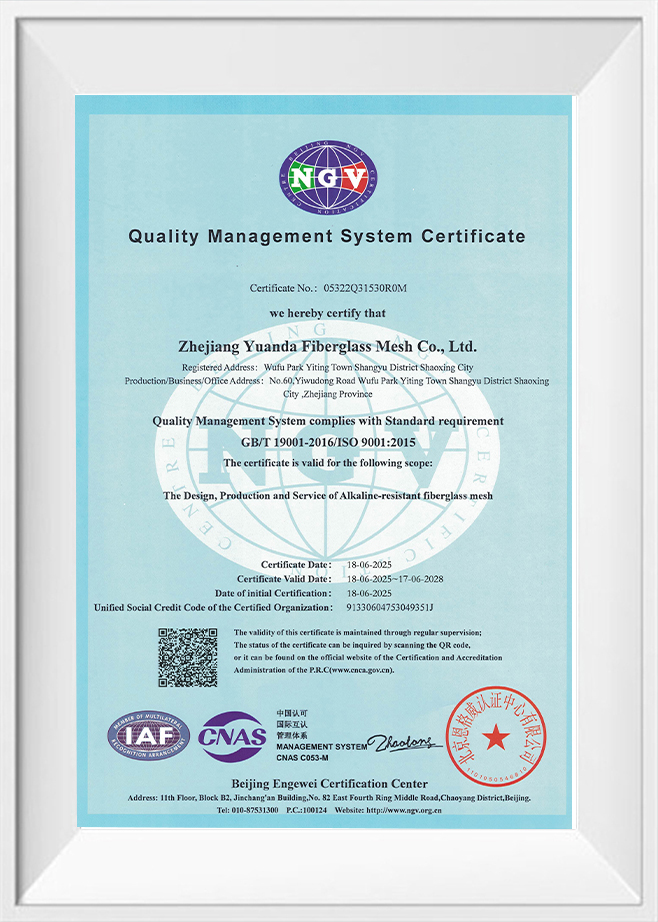
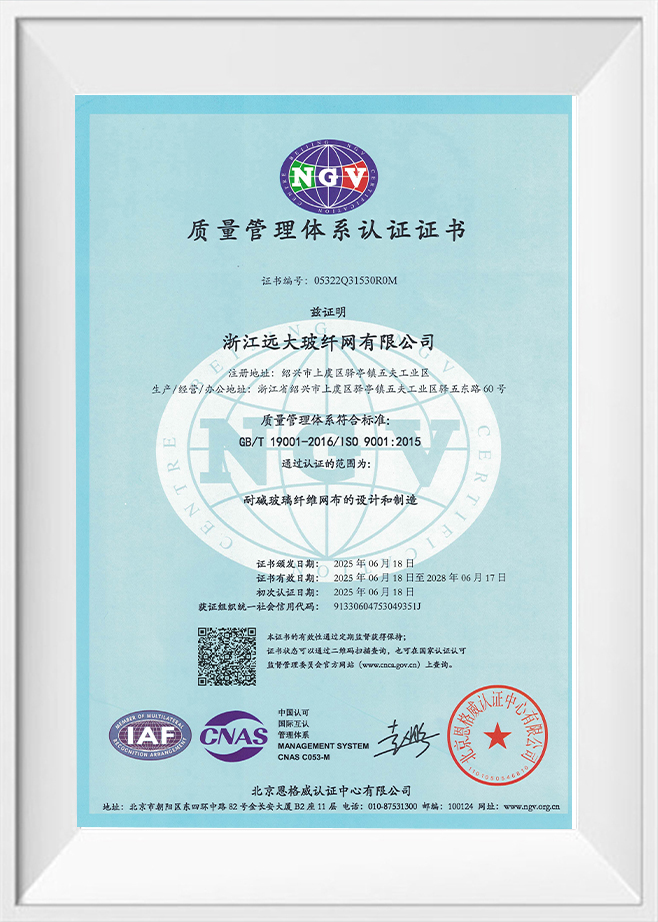
The company has passed ISO9001-2015 international quality system certification and obtained CE certification from the European Union. Its trademark, "Yimabao", has earned strong recognition from customers worldwide thanks to strict quality standards and reliable product performance.
As the global energy industry moves toward higher efficiency and smart grid systems, transformer insulation materials are evolving rapidly. Manufacturers are increasingly adopting eco-friendly composite materials and nano-enhanced insulation technologies.
Industry analysts predict that the global transformer insulation market could grow by over 6% annually through the next decade, driven by renewable energy expansion and electric grid modernization.
Cellulose insulation paper remains one of the most widely used materials because of its affordability and reliable dielectric performance.
Fiberglass mesh provides excellent heat resistance, mechanical reinforcement, and dimensional stability, making it suitable for high-temperature transformer applications.
Under proper operating conditions, high-quality transformer insulation systems can last 20 to 40 years, depending on temperature, load, and environmental conditions.
 No. 60, Yiwu East Road, Wufu Industrial Park, Yiting Town, Shangyu City, Zhejiang Province, China
 +86 13606593503
 +86-575-82419001
 sales@yuandafiberglass.com