English
 中文简体
中文简体 Español
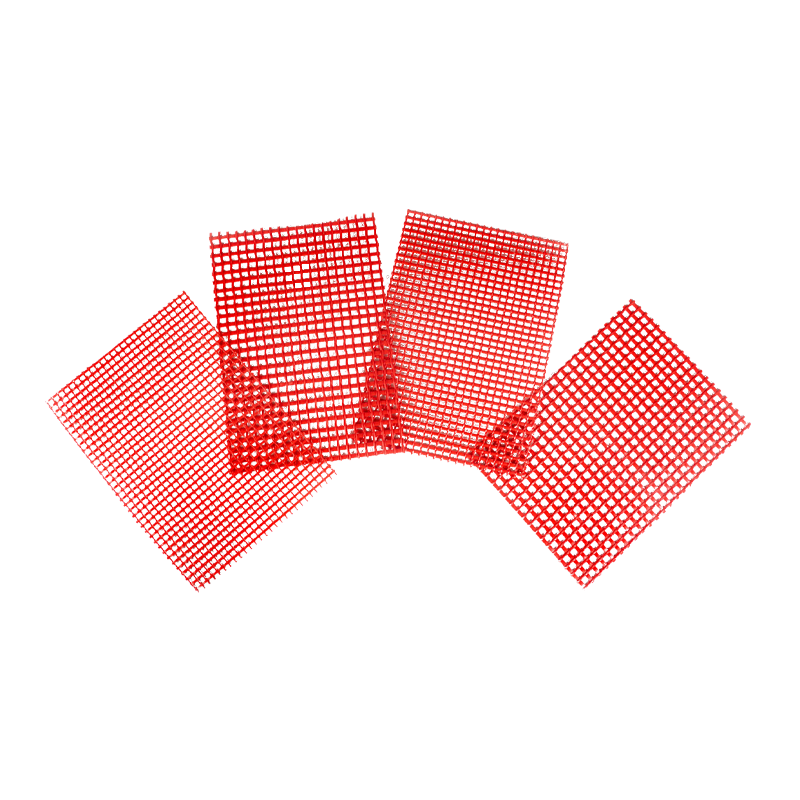
Fiberglass Mesh Fabric

| No. of Product | Width (mm) | Model of Raw Yam (tex) | Model of Raw Yam (tex) | Mesh (mm) | Mesh (mm) | Mesh (mesh/inch) | Mesh (mesh/inch) | Weave | Resin Content (%) | Weight (g/m 2) | Fracture Strength (N/50mm) | Fracture Strength (N/50mm) |
| Warp | Woof | Warp | Woof | Warp | Woof | Warp | Woof | |||||
| 1 | 1000-1250 | 32x2 | 204 | 5 | 5 | 5 ± 0.5 | 5 ± 0.5 | union | 20 ± 2 | 65 ± 3 | 500 | 500 |
| 2 | 1000-1250 | 50x2 | 255 | 5 | 5 | 5 ± 0.5 | 5 ± 0.5 | union | 18 ± 2 | 80 ± 3 | 800 | 900 |
| 3 | 1000-1250 | 100x2 | 306 | 5 | 5 | 5 ± 0.5 | 5 ± 0.5 | union | 18 ± 2 | 125 ± 3 | 1100 | 1300 |
| 4 | 1000-1250 | 134x2 | 357 | 5 | 5 | 5 ± 0.5 | 5 ± 0.5 | union | 18 ± 2 | 145 ± 3 | 1300 | 1500 |
| 5 | 1000-1250 | 134x2 | 408 | 5 | 5 | 5 ± 0.5 | 5 ± 0.5 | union | 18 ± 2 | 2160 ± 3 | 1500 | 1700 |
| 6 | 1000-1250 | 50x2 | 204 | 4 | 5 | 6 ± 0.5 | 5 ± 0.5 | union | 18 ± 2 | 80 ± 3 | 550 | 800 |
| 7 | 1000-1250 | 100x2 | 255 | 4 | 5 | 6 ± 0.5 | 5 ± 0.5 | union | 18 ± 2 | 110 ± 3 | 1100 | 1000 |
| 8 | 1000-1250 | 134x2 | 306 | 4 | 5 | 6 ± 0.5 | 5 ± 0.5 | union | 18 ± 2 | 150 ± 3 | 1400 | 1500 |
| 9 | 1000-1250 | 32x2 | 204 | 4 | 4 | 6 ± 0.5 | 6 ± 0.5 | union | 19 ± 2 | 80 ± 3 | 550 | 850 |
| 10 | 1000-1250 | 100x2 | 204 | 4 | 4 | 6 ± 0.5 | 6 ± 0.5 | union | 18 ± 2 | 120 ± 3 | 1100 | 900 |
| 11 | 1000-1250 | 134x2 | 255 | 4 | 4 | 6 ± 0.5 | 6 ± 0.5 | union | 18 ± 2 | 150 ± 3 | 1500 | 1600 |
| 12 | 1000-1250 | 134x2 | 306 | 4 | 4 | 6 ± 0.5 | 6 ± 0.5 | union | 18 ± 2 | 160 ± 3 | 1500 | 1800 |
| 13 | 1000-1250 | 50x2 | 306 | 5 | 6 | 5 ± 0.5 | 4 ± 0.5 | union | 18 ± 2 | 80 ± 3 | 500 | 1000 |
| 14 | 1000-1250 | 100x2 | 357 | 5 | 6 | 5 ± 0.5 | 4 ± 0.5 | union | 18 ± 2 | 110 ± 3 | 1000 | 1200 |
| 15 | 1000-1250 | 255x2 | 408 | 10 | 10 | 2.5 | 2.5 | union | 18 ± 2 | 220 ± 3 | 1000 | 1200 |
| 16 | 1000-1250 | 255x2 | 561 | 10 | 10 | 2.5 | 2.5 | union | 18 ± 2 | 125 ± 3 | 1000 | 1400 |
| 17 | 1000-1250 | 375x2 | 561 | 10 | 10 | 2.5 | 2.5 | union | 18 ± 2 | 145 ± 3 | 1400 | 1500 |
| 18 | 1000-1250 | 375x2 | 561 | 10 | 10 | 2.5 | 2.5 | union | 18 ± 2 | 160 ± 3 | 1500 | 1600 |
| 19 | 1000-1250 | 33x2 | 67 | 2.8 | 2.8 | 9 ± 0.5 | 9 ± 0.5 | union | 21 ± 2 | 45 ± 3 | 600 | 600 |
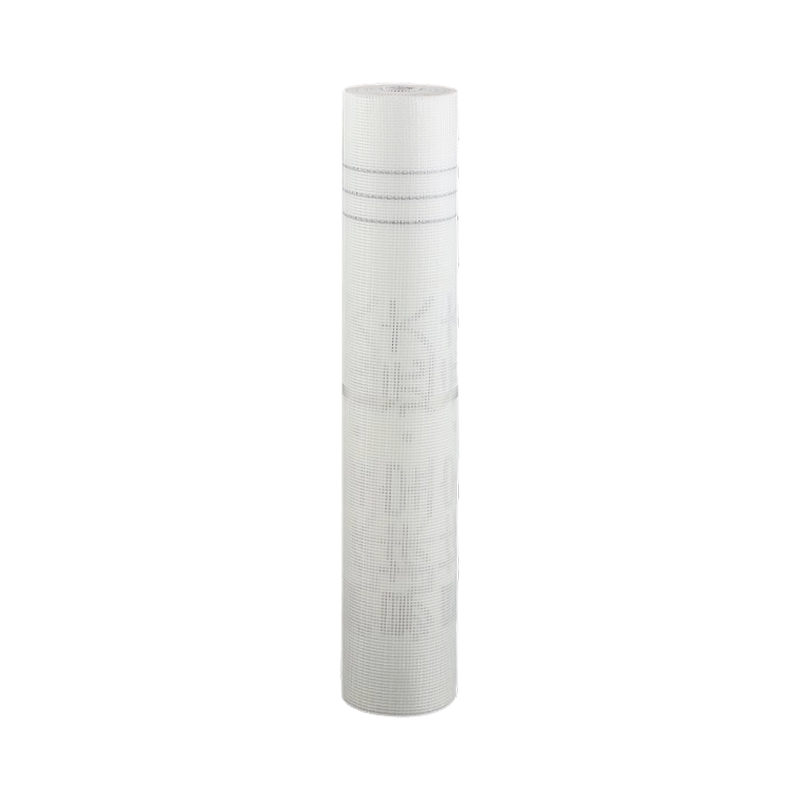
80-130g Inner Wall Fiberglass Mesh Fabric is a reinforcing material made from woven fiberglass fabric as the base material, treated with a polymer anti-emulsion coating. Compared to other products in the same category, this medium-weight mesh fabric achieves a good balance between weight, strength, and economy, meeting the basic reinforcement needs of interior wall plastering while maintaining a lightweight feel and easy construction. This product uses medium-alkali or alkali-free fiberglass yarn, woven through a special leno weave, and then undergoes high-temperature heat setting treatment with alkali-resistant liquid and reinforcing agents, making it excellent for applications such as thermal insulation, waterproofing, fireproofing, and crack resistance in building interior and exterior walls. Compared to lighter mesh fabrics, 80-130g Inner Wall Fiberglass Mesh Fabric has higher warp and weft tensile strength; while compared to heavier exterior wall mesh fabrics, it is thinner and more flexible, making it particularly suitable for crack prevention treatment of interior walls. Its standard mesh size is typically 5mm x 5mm or 4mm x 4mm, which ensures crack resistance while maintaining the flatness of the wall surface.
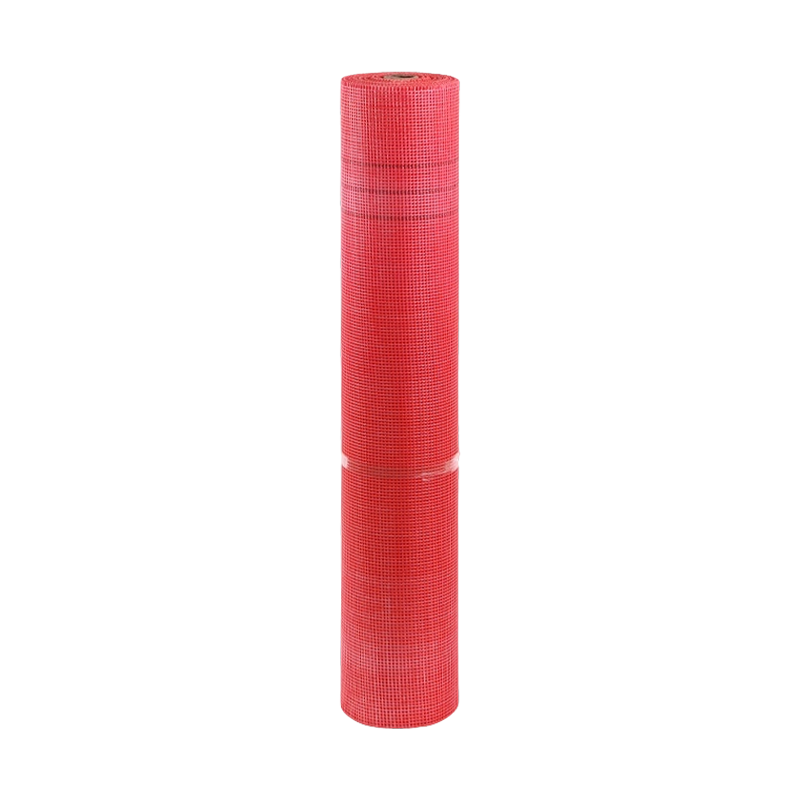
130-160g Outer Wall Fiberglass Mesh Fabric is a reinforcing material specifically designed for building exterior wall insulation systems, acting as a "soft steel reinforcement" within the system. This product uses medium-alkali or alkali-free woven glass fiber fabric as its base material, treated with an alkali-resistant coating. By introducing 14.5%–16.7% zirconium dioxide and 5.5%–6.0% titanium dioxide into the glass composition, and coating the surface monofilaments with a high-molecular-weight water-soluble epoxy resin and coupling agent during fiber formation, it effectively resists the erosion of the mesh fabric by the Ca(OH)2 hydration period of polymer mortar. Compared to ordinary mesh fabrics, this product has higher alkali resistance and mechanical strength, maintaining stable performance in an alkaline environment with a pH of 12-14 for extended periods, providing more reliable crack resistance for building exterior wall insulation systems.
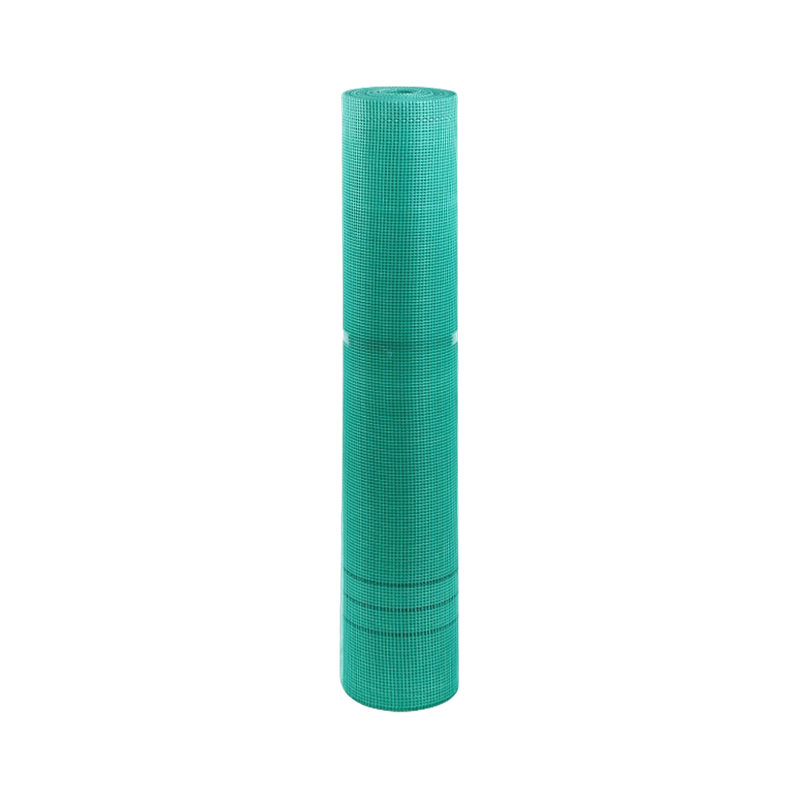
300g Fiberglass Mesh Fabric is a reinforced alkali-resistant fiberglass mesh fabric with a unit area mass of not less than 300 grams per square meter. This product uses medium-alkali or alkali-free woven fiberglass yarn as the base material and undergoes a special alkali-resistant coating treatment. Compared with products with lower unit area mass, it has higher tensile strength and alkali resistance.
Fiberglass Mesh Fabric is a multifunctional engineering substrate made of woven glass fiber yarn with a special coating. Primarily used as a reinforcing framework, it is widely applied in wall crack prevention, waterproof membranes, underfloor heating systems, and GRC products, providing reliable tensile strength and dimensional stability. Its core performance characteristics lie in its excellent alkali resistance, temperature change resistance, and flexibility, effectively dispersing stress and preventing substrate cracking. This Fiberglass Mesh Fabric is non-flammable and corrosion-resistant, and exhibits good compatibility with various adhesives and mortars. Choosing high-quality Fiberglass Mesh Fabric is crucial for ensuring the long-term integrity and durability of engineering projects.
A rooftop terrace leaks nine months after a fresh waterproofing job. The coating looks intact, but a hairline crack in the slab has opened a path through the membrane. This is no...
READ MORESuppose you are tiling a bathroom over cement backer board. The joints are taped, the mortar bed is fresh, and the job looks clean. Eight months later, a hairline crack appears e...
READ MOREIf a cement-based wall develops hairline cracks, the repair will fail again unless the render absorbs stress in a controlled way. Fiberglass mesh for concrete is that control lay...
READ MOREFiberglass mesh application is a straightforward but critical decision: you embed a woven glass-fiber fabric into plaster, stucco, concrete, or insulation board to stop cracks an...
READ MOREFiberglass mesh for stucco is a woven alkali-resistant glass fiber fabric that is embedded in the stucco base coat to control cracking and distribute tensile stress. That definit...
READ MOREFiberglass Mesh Fabric is a high-performance reinforcing material made from woven glass fiber yarn and coated with special protective substances. It is widely used in construction, waterproofing systems, thermal insulation projects, wall reinforcement, and GRC products. Due to its excellent mechanical properties, it helps prevent wall cracks, improve structural durability, and increase overall project lifespan.
Compared with traditional reinforcing materials, Fiberglass Mesh Fabric offers higher tensile strength, better alkali resistance, and superior dimensional stability. In modern building systems, crack prevention can reduce maintenance costs by more than 30%, making fiberglass mesh a cost-effective engineering solution.
Cement-based materials are highly alkaline, which can damage ordinary reinforcing fabrics over time. Fiberglass Mesh Fabric is specially coated to resist alkali corrosion, ensuring long-term performance even after years of exposure.
The woven glass fiber structure distributes stress evenly across surfaces. This reduces localized pressure and prevents cracks from spreading. In exterior insulation finishing systems (EIFS), fiberglass mesh can improve impact resistance by nearly 40%.
Fiberglass Mesh Fabric is non-flammable and resistant to moisture, chemicals, and corrosion. This makes it suitable for both indoor and outdoor applications, especially in humid or high-temperature environments.
Fiberglass mesh is commonly embedded into plaster and mortar layers to improve wall strength and reduce cracking caused by temperature changes or structural movement.
In roofing and waterproof membrane applications, fiberglass mesh acts as a reinforcement layer that enhances tear resistance and extends membrane service life.
Underfloor heating systems experience repeated thermal expansion and contraction. Fiberglass Mesh Fabric stabilizes the substrate and minimizes the risk of tile cracking.
| Application Area | Main Benefit | Expected Improvement |
|---|---|---|
| Wall Reinforcement | Crack Prevention | Longer Wall Lifespan |
| Waterproof Systems | Tear Resistance | Reduced Leakage Risk |
| Underfloor Heating | Stress Distribution | Lower Tile Cracking Rate |
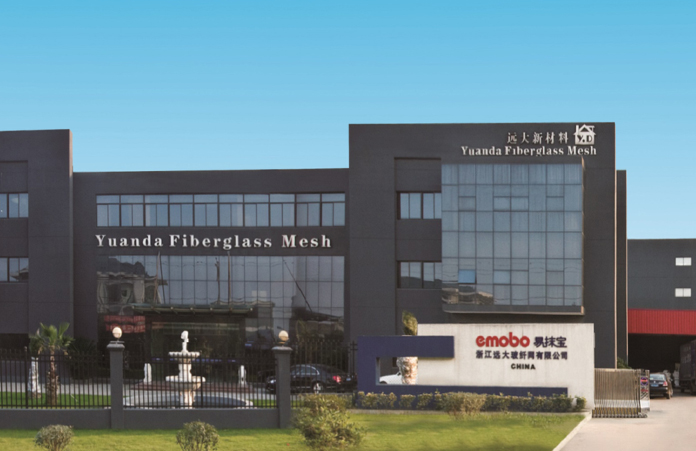
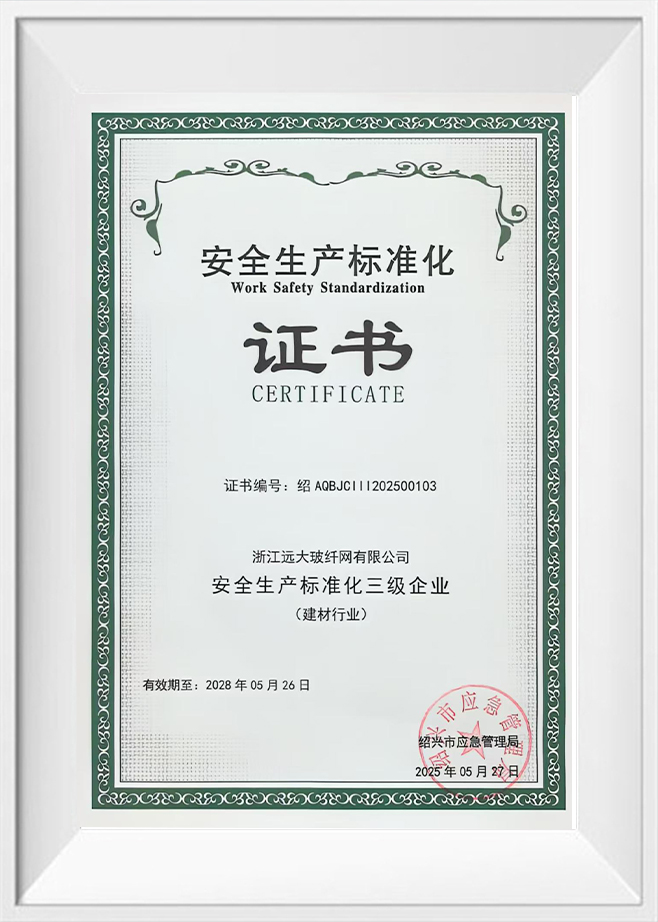
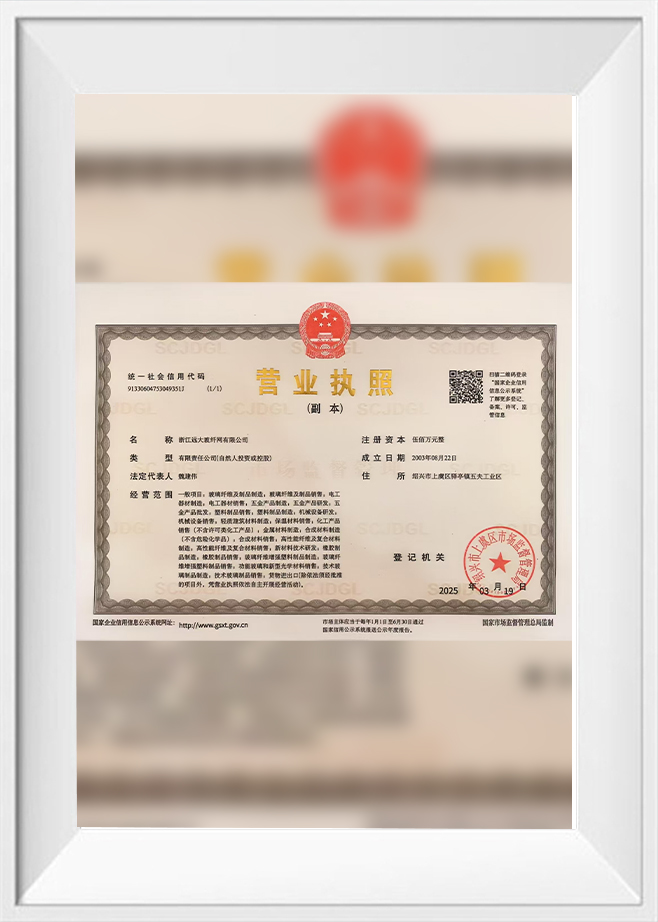
Zhejiang Yuanda Fiberglass Mesh Co., Ltd. was established in 2000 and specializes in the research, development, and production of composite reinforcing materials and insulation products. The company focuses on providing reliable and innovative solutions for global engineering and construction industries.
Located near Ningbo Port and Shanghai Port, the company benefits from efficient international logistics and export advantages. With a factory area of nearly 33,000 square meters and advanced production workshops, Zhejiang Yuanda Fiberglass Mesh Co., Ltd. can ensure stable product quality and large-scale supply capacity.
The company continuously improves manufacturing technology and quality control standards to meet the growing demands of the global market. Its Fiberglass Mesh Fabric products are widely trusted for their durability, flexibility, and consistent performance in demanding construction environments.
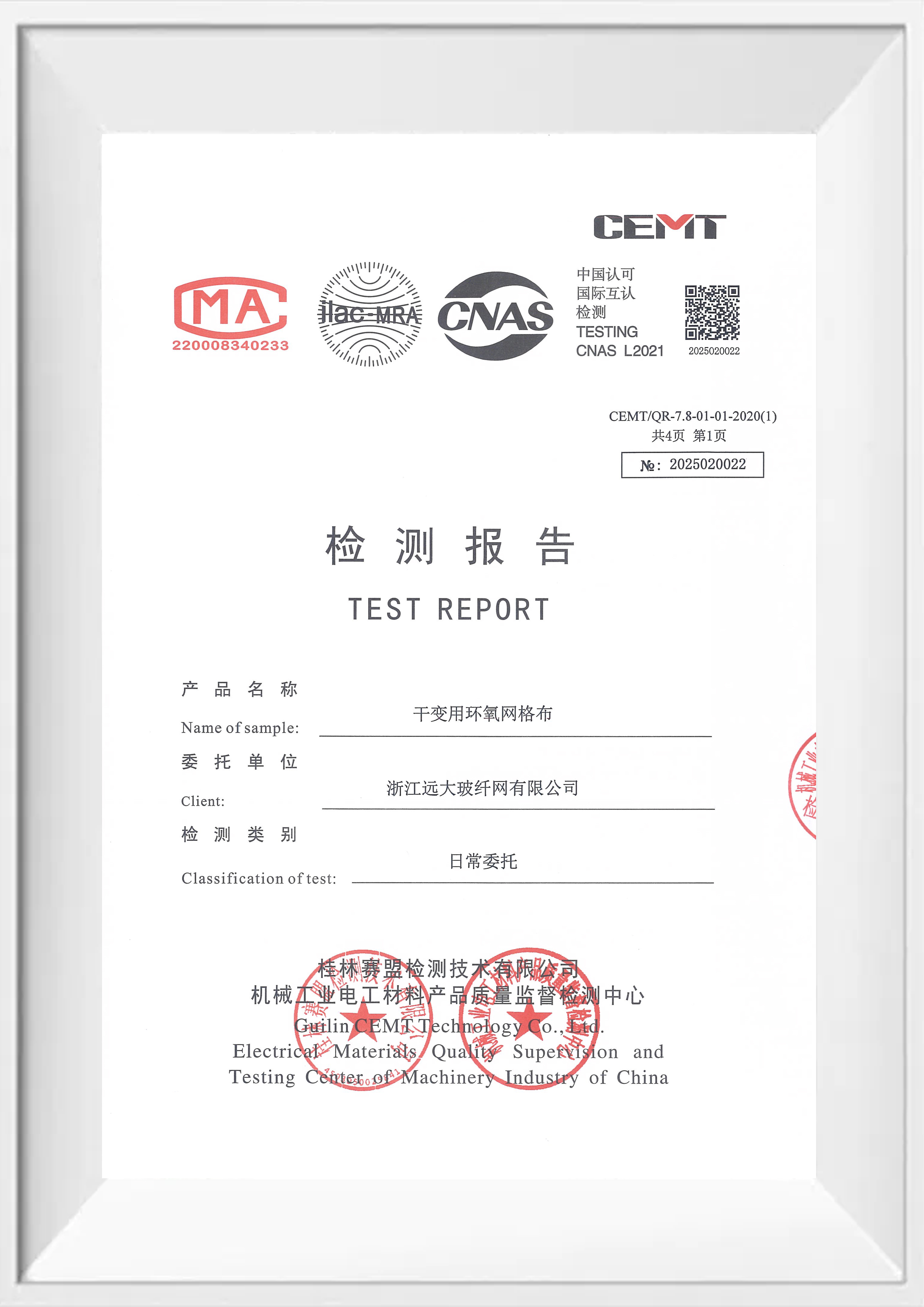
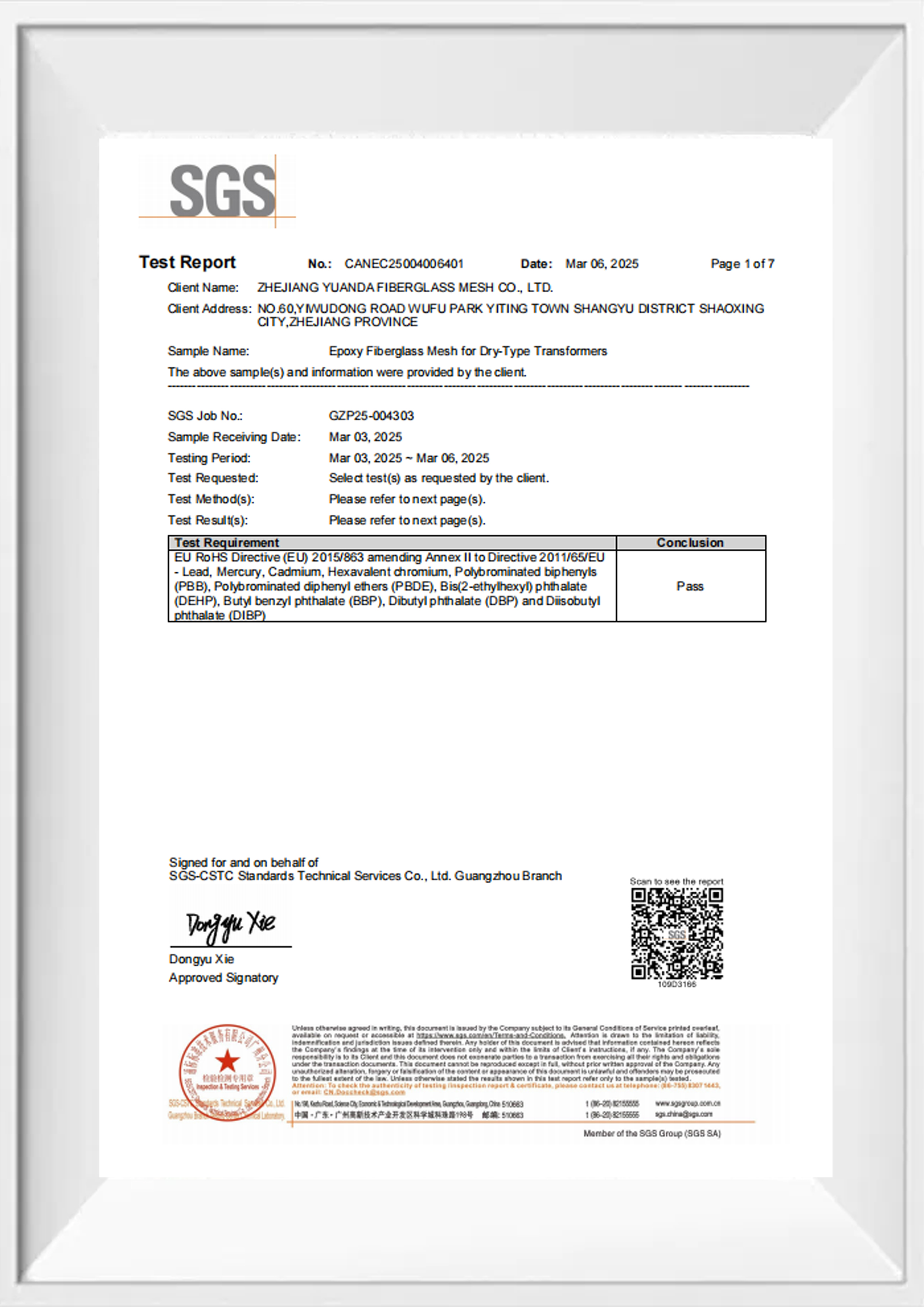
High-quality Fiberglass Mesh Fabric can significantly reduce maintenance costs and improve engineering safety. Choosing certified and experienced suppliers is essential for long-term project success.
Fiberglass Mesh Fabric is mainly used for wall reinforcement, waterproof membranes, insulation systems, underfloor heating systems, and GRC products to improve structural stability and prevent cracking.
Cement and mortar materials are highly alkaline. Without proper alkali resistance, fiberglass mesh may weaken over time. Alkali-resistant coatings ensure long-term durability and stable reinforcement performance.
High-quality Fiberglass Mesh Fabric can maintain stable performance for more than 20 years under normal construction and environmental conditions.
 No. 60, Yiwu East Road, Wufu Industrial Park, Yiting Town, Shangyu City, Zhejiang Province, China
 +86 13606593503
 +86-575-82419001
 sales@yuandafiberglass.com