English
 中文简体
 Español
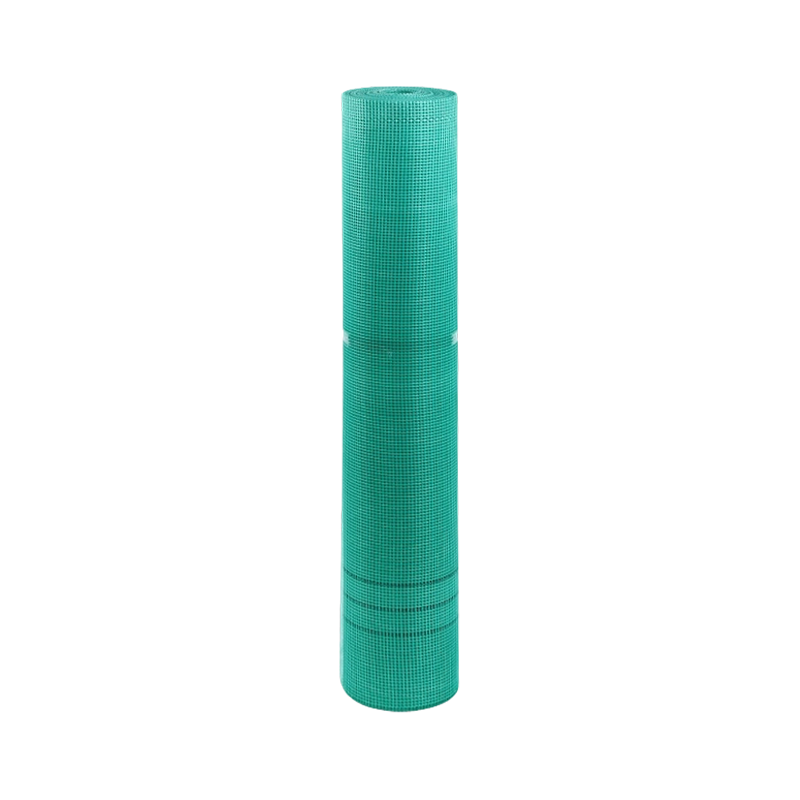
Durock fiberglass mesh means one of two things depending on who is asking: the alkali-resistant scrim laminated inside a cement backer board, or the mesh fabric and mesh tape installers embed in mortar on site. Both are specified by weight per square meter, aperture, and alkali resistance, not by the brand printed on the board. For cement board work, 130-160 g/m² alkali-resistant (AR) glass with a 4x4 mm to 5x5 mm aperture covers most exterior wall and base coat reinforcement; interior skimming usually needs only 80-130 g/m²; heavy-duty and stone-backing systems start at 300 g/m².
The numbers matter because of what cement does to glass. Ordinary E-glass loses strength quickly in the alkaline pore water of a cement matrix, so reinforcement mesh is made from zirconia-bearing AR glass and finished with a coating that bonds to mortar. Get that wrong and the mesh is still visible in the wall; it simply stops carrying load. Get it right and a well-made 160 g/m² roll will outlast a heavier, cheaper mesh that was never alkali-rated in the first place.
Content
- 1 Board Scrim and Field Mesh Are Different Products
- 2 Why Exterior-Grade Board Carries a Coarser Mesh
- 3 Four Numbers That Predict Mesh Performance
- 4 Alkali Resistance Is the Specification Most Buyers Skip
- 5 What Mesh Does on Site: Joints, Base Coats, and Cladding
- 6 Buyer Checklist Before You Approve a Mesh Order
- 7 Tolerances Worth Writing Into the Purchase Order
- 8 FAQ
Board Scrim and Field Mesh Are Different Products
Two products share the name, and only one of them is something you buy by the roll.
- Embedded scrim: the mesh laminated into the panel during manufacture, sitting between the cement core and the face. It is a factory input and is never sold as standalone reinforcement.
- Field mesh: the AR glass fabric or self-adhesive tape applied over joints, base coats, and insulation surfaces. This is the roll you cut, embed, and overlap.
That difference decides what you may substitute. Board scrim is matched to the panel's own flexural behaviour, while field mesh has to bond to mortar, survive troweling, and stay ductile for years. A board that looks sound in the yard tells you nothing about whether the mesh you are about to embed over its joints is suitable.
| Aspect | Embedded scrim | Field-applied mesh |
|---|---|---|
| Supplied by | Board manufacturer | Mesh supplier, bought by the roll |
| Typical weight | Matched to panel thickness | 80-300 g/m² |
| Aperture | Coarse on exterior grades, finer indoors | 2-10 mm, matched to coat thickness |
| Coating | Often none, or a light size | Acrylic or SBR for mortar bonding |
Why Exterior-Grade Board Carries a Coarser Mesh
Exterior-grade cement board typically uses a larger-aperture, heavier scrim than interior board, and the reason is mechanical key rather than cost.
Exterior panels are installed over assemblies that receive thicker mortar and base coats. A coarser aperture lets mortar pass through the mesh and lock onto the board face, and the thicker cement matrix around each strand spreads stress over a wider area. Fine mesh sits closer to the surface and gives a smoother finish, which suits tile and thin-set work, but it leaves less depth for mortar to grip. Installers comparing interior and exterior grades often report that the visible difference is the mesh size; panel thickness and surface texture can look almost identical.
- Do not treat a board's internal scrim as field reinforcement. It is not designed for joints and is not supplied for that purpose.
- Interior mesh used outdoors is a slow failure: thinner coating, less alkali headroom, and freeze-thaw cycling working against it.
- Match aperture to coat thickness. Thick base coats want 5x5 mm or coarser; thin-set and skim coats want 2-4 mm.
For interior walls and skim coats, a lighter AR fabric with a 4x4 mm to 5x5 mm aperture handles typical plaster reinforcement without building unnecessary thickness into the wall.
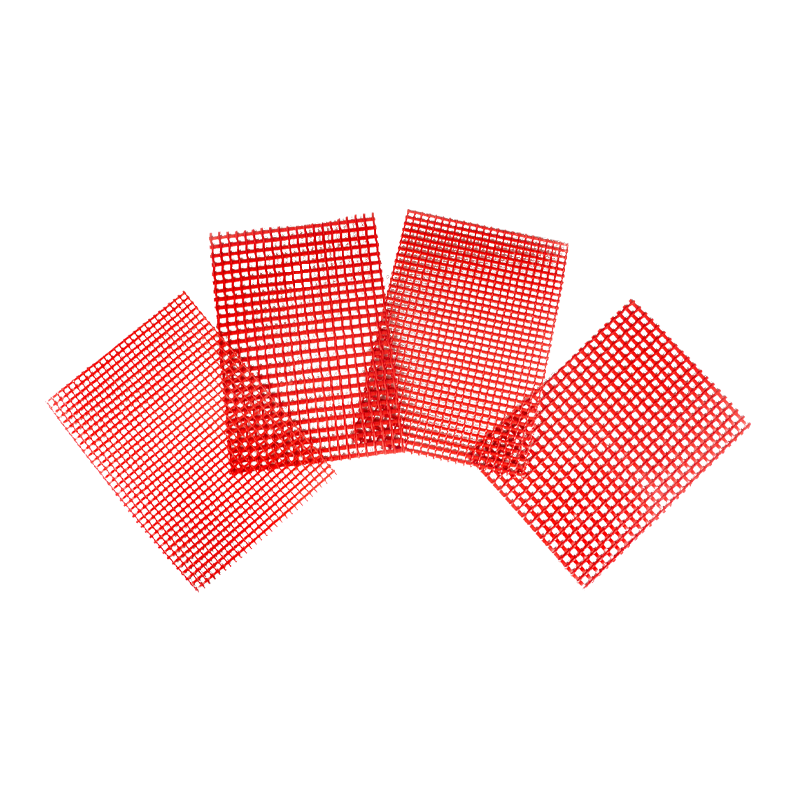
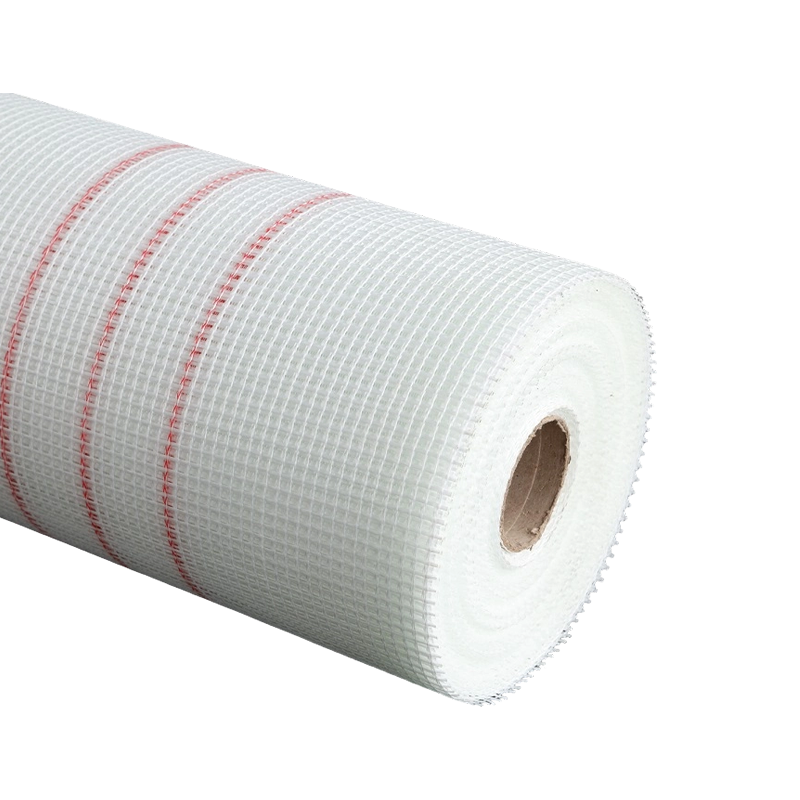 80-130g Inner Wall Fiberglass Mesh FabricMedium-weight interior plaster reinforcement with 4x4 or 5x5 mm mesh, polymer-coated woven fiberglass designed to balance strength and economy without extra wall thickness.View Product →
Four Numbers That Predict Mesh Performance
Four specifications decide whether mesh survives inside cement: weight per square meter, aperture, alkali resistance, and coating. Colour and core diameter decide nothing.
- Weight: more glass per square meter means more tensile capacity and more material to lose before failure. 80-130 g/m² suits interior work, 130-160 g/m² covers exterior walls, and 300 g/m² serves heavy-duty systems.
- Aperture: 2-3 mm for joint tape and thin coats, 4x4 mm to 5x5 mm for standard wall mesh, 8-10 mm where a thick base coat must pass through the weave.
- Alkali resistance: the zirconia content of the glass, usually quoted as ZrO2 of 14.5% or higher for AR glass, plus a retained tensile figure after alkali conditioning.
- Coating: acrylic or SBR sizing improves bonding to mortar and reduces strand slippage. It is a functional layer, not a finish.
| Application | Weight | Aperture | Notes |
|---|---|---|---|
| Interior wall and skim coat | 80-130 g/m² | 4x4 to 5x5 mm | Smooth finish under paint |
| Exterior wall and facade | 130-160 g/m² | 4x4 to 5x5 mm | Standard reinforced base coat |
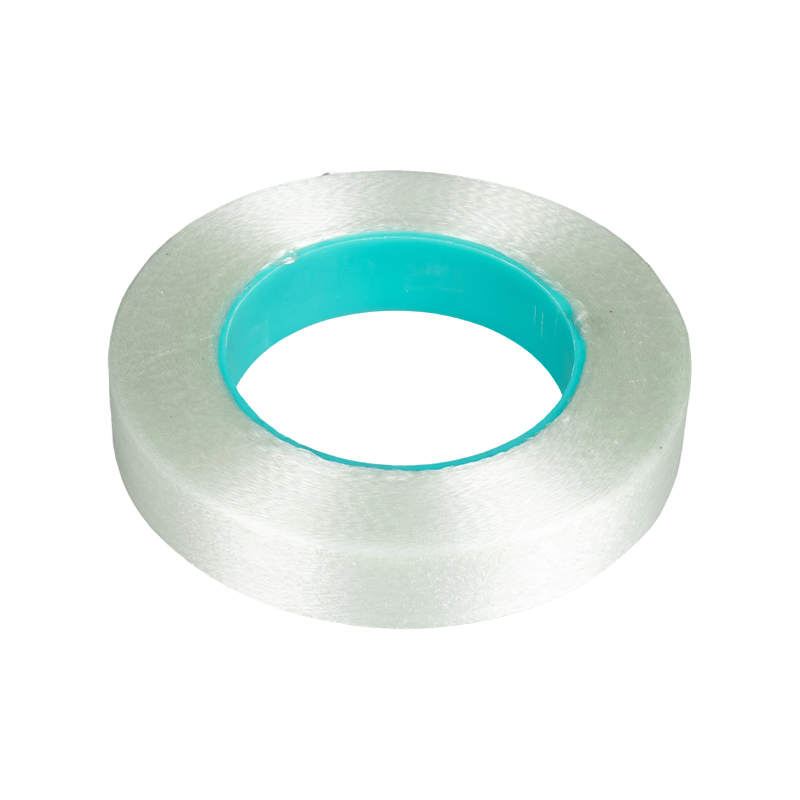
| Board and panel joints | 60-90 g/m² | 2x2 to 3x3 mm | Self-adhesive tape form |
| Heavy-duty and stone backing | 300 g/m² | 5x5 to 10x10 mm | Double layer where specified |
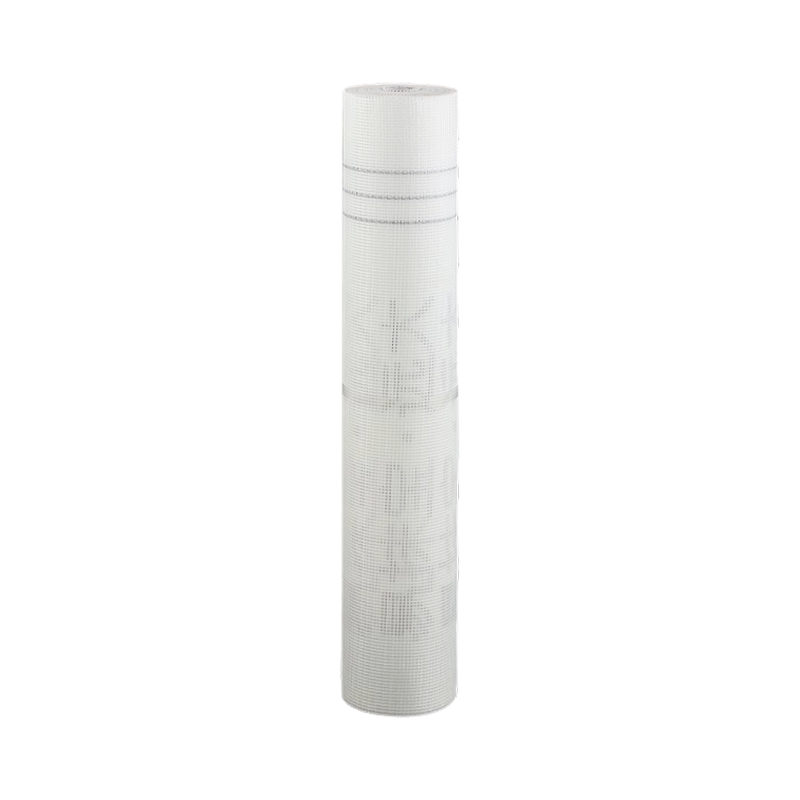
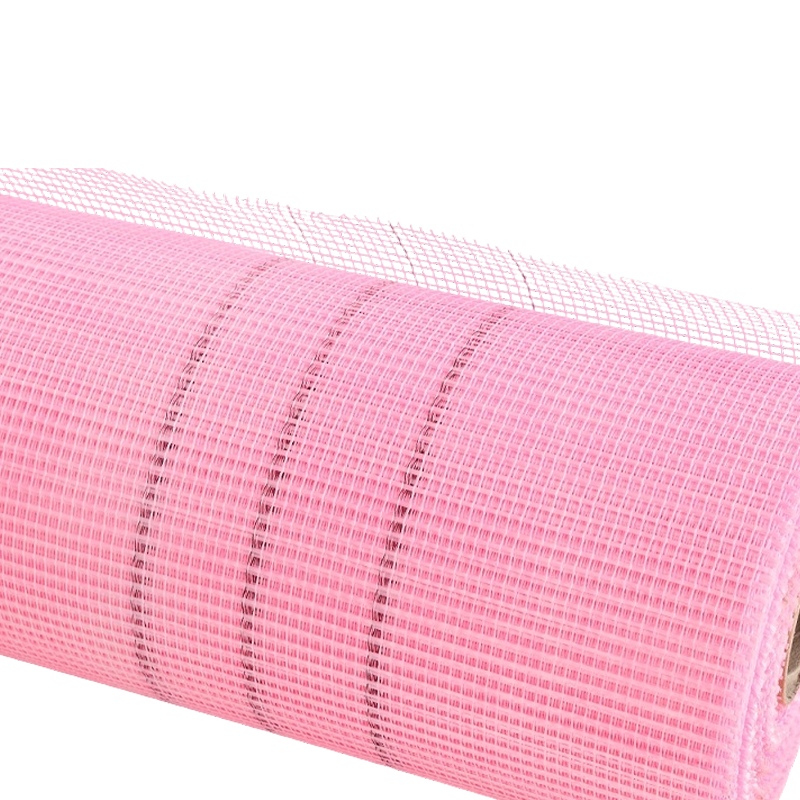 130-160g Alkali-Resistant Outer Wall Fiberglass Mesh FabricExterior insulation mesh using alkali-resistant glass with zirconia content and coating, built to retain strength in alkaline cement mortar.View Product →
Alkali Resistance Is the Specification Most Buyers Skip
If mesh loses half its strength inside cement, its weight and aperture stop mattering. Cement pore water sits at roughly pH 12.5-13.5, and unreinforced E-glass corrodes in that environment within weeks, which is why construction mesh is drawn from AR glass with a minimum zirconia content, commonly 14.5% ZrO2 and above.
Two test numbers are worth requesting. The first is retained tensile strength after controlled alkali conditioning, measured under methods such as EN 15422 or EN 13496, which use a 28-day soak at elevated temperature. A retention of at least 50% of the original warp and weft strength is generally treated as the threshold for cement contact, and better material holds 60-80%. The second is coat weight, because a heavier sizing costs money and is the first thing a low-cost supplier trims. Our fiberglass mesh fabric applications, selection and installation guide shows how those figures translate into site practice.
What Mesh Does on Site: Joints, Base Coats, and Cladding
On site, mesh does three jobs: bridging joints, holding a base coat together, and forming a continuous reinforcing layer over insulation or backer board.
- Joint bridging: embed fine mesh tape in thin-set, center it on the joint, overlap ends by at least 50 mm, and feather the edges. Dry tape that is not fully embedded will telegraph through the finish.
- Base coat reinforcement: embed 130-160 g/m² mesh while the first coat is still workable, overlap adjacent sheets by 100 mm, and bury the weave in the middle of the coat rather than on the surface. If the weave is still visible after curing, the coat was too thin.
- Exterior cladding and insulation: heavier 300 g/m² mesh with a wider aperture is used where impact resistance or stone backing is specified, or where the base coat exceeds 10 mm.
Two failure patterns show up repeatedly: mesh laid on top of a cured coat instead of being embedded in it, and interior-grade mesh installed outdoors where moisture and freeze-thaw finish the job.
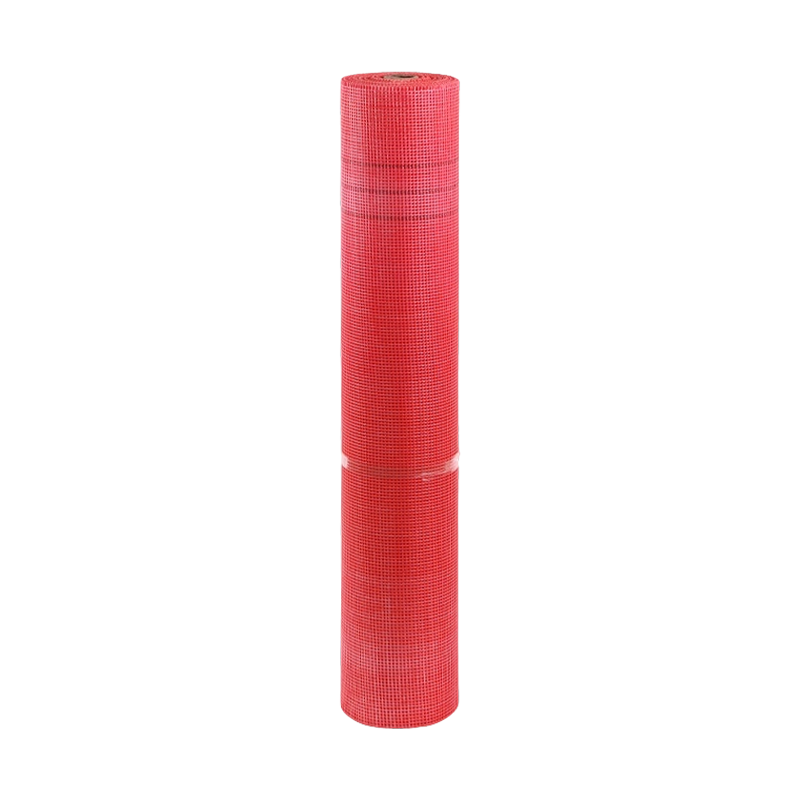
 300g Alkali-Resistant Fiberglass Mesh FabricHigh-mass alkali-resistant fiberglass mesh for cement mortar, using woven yarn and an alkali-resistant coating with tested tensile-strength retention.View Product →
Buyer Checklist Before You Approve a Mesh Order
Five questions settle most mesh disputes before they start: where the mesh goes, what aperture the coat can accept, what alkali class is required, what tolerances the supplier holds, and what documents travel with the container.
- Application layer: joint tape, interior skim coat, exterior base coat, or heavy-duty system?
- Aperture and weight matched to coat thickness, not to the cheapest roll in the warehouse.
- Alkali class, with a stated ZrO2 content and a retained-strength figure from a recognised method.
- Weight, width, and roll-length tolerances written into the purchase order rather than assumed.
- Test reports, packing marks, and the loading plan agreed before production starts.
Tolerances Worth Writing Into the Purchase Order
Put tolerances in the purchase order, not in an email after the container sails. Mesh is a light, high-volume product, so a five percent weight shortfall on a full container is a real cost, and it is invisible until someone weighs a sample.
| Parameter | Typical tolerance | How it is checked |
|---|---|---|
| Weight per m² | Plus or minus 5% of nominal | Weigh a measured 100 mm square sample |
| Roll width | Plus or minus 3-5 mm | Measure at three points across the roll |
| Roll length | Plus or minus 1% | Unroll against a marked floor line |
| Aperture | Plus or minus 0.3 mm | Count apertures over a 25 mm span |
| ZrO2 content | 14.5% or higher for AR glass | Supplier certificate or third-party test |
| Warp and weft tensile strength | Agreed minimum, both directions | Five specimens per direction |
| Coating pick-up | 8-20% by weight | Burn-off test |
Rolls are normally shrink-wrapped on pallets with a moisture barrier, which matters on a six-week sea leg. Our technical resources cover the test methods behind these figures, and shipments leaving Ningbo or Shanghai usually allow a reasonable window for pre-shipment inspection.
FAQ
Is the mesh inside cement board the same as mesh tape?
No. Board scrim is laminated into the panel at the factory and is never sold separately for joint work. Mesh tape is a fine, self-adhesive AR glass product, typically 60-90 g/m² with a 2-3 mm aperture, designed to be embedded in thin-set.
Can interior mesh be used outdoors?
It should not be. Interior grades usually carry a lighter coating and less alkali headroom, and exterior assemblies add moisture, UV, and freeze-thaw cycling. Cost savings from substituting interior mesh are small compared with the cost of redoing a facade.
What weight mesh should go over cement board?
Use 60-90 g/m² tape for joints. Where a reinforced base coat is specified over a backer board or insulation, 130-160 g/m² with a 4x4 mm to 5x5 mm aperture is the common choice, with 300 g/m² for high-impact or stone-backing systems.
Does aperture matter under tile?
Yes, but in the opposite direction to thick coats. Under tile you want finer mesh so the mortar bed stays uniform and the finish stays flat. Coarse mesh belongs inside thick base coats, where the mortar needs to key through the weave.