0años
0million
0+
0m²
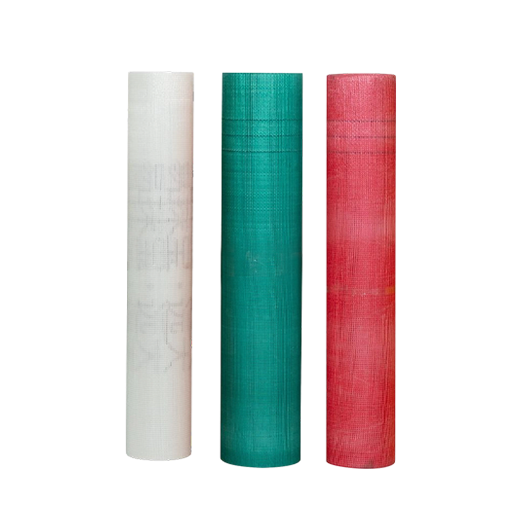
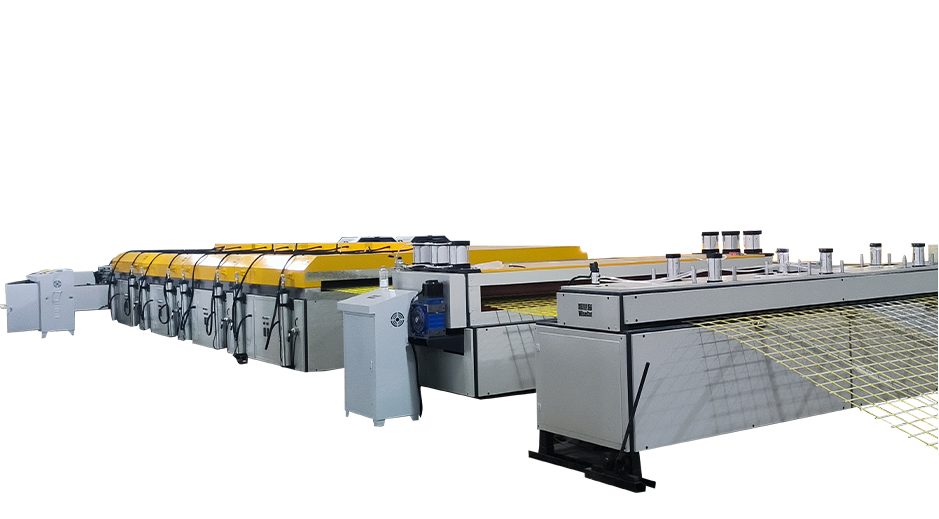
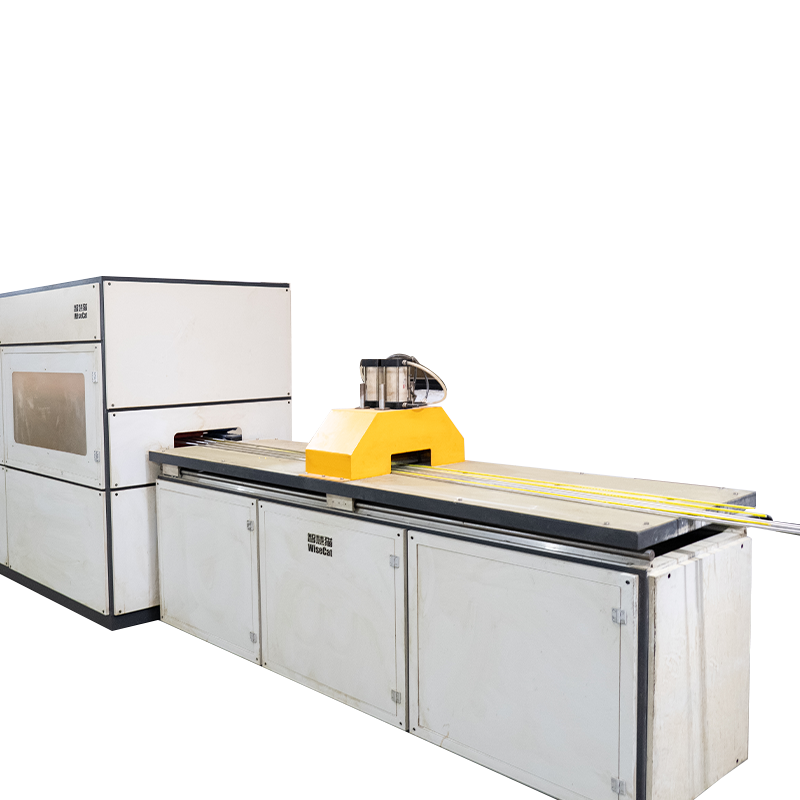
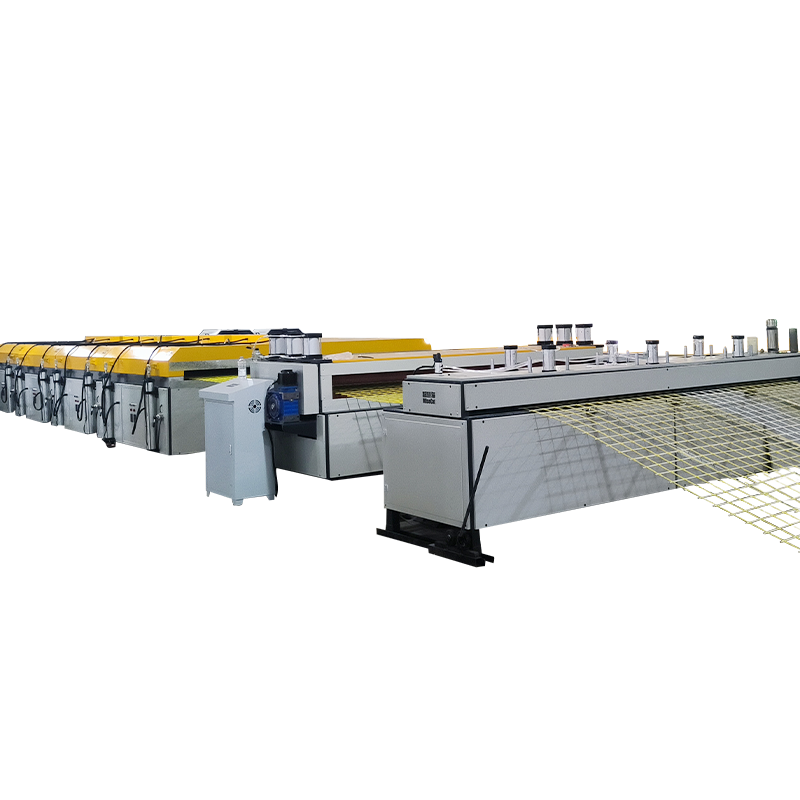
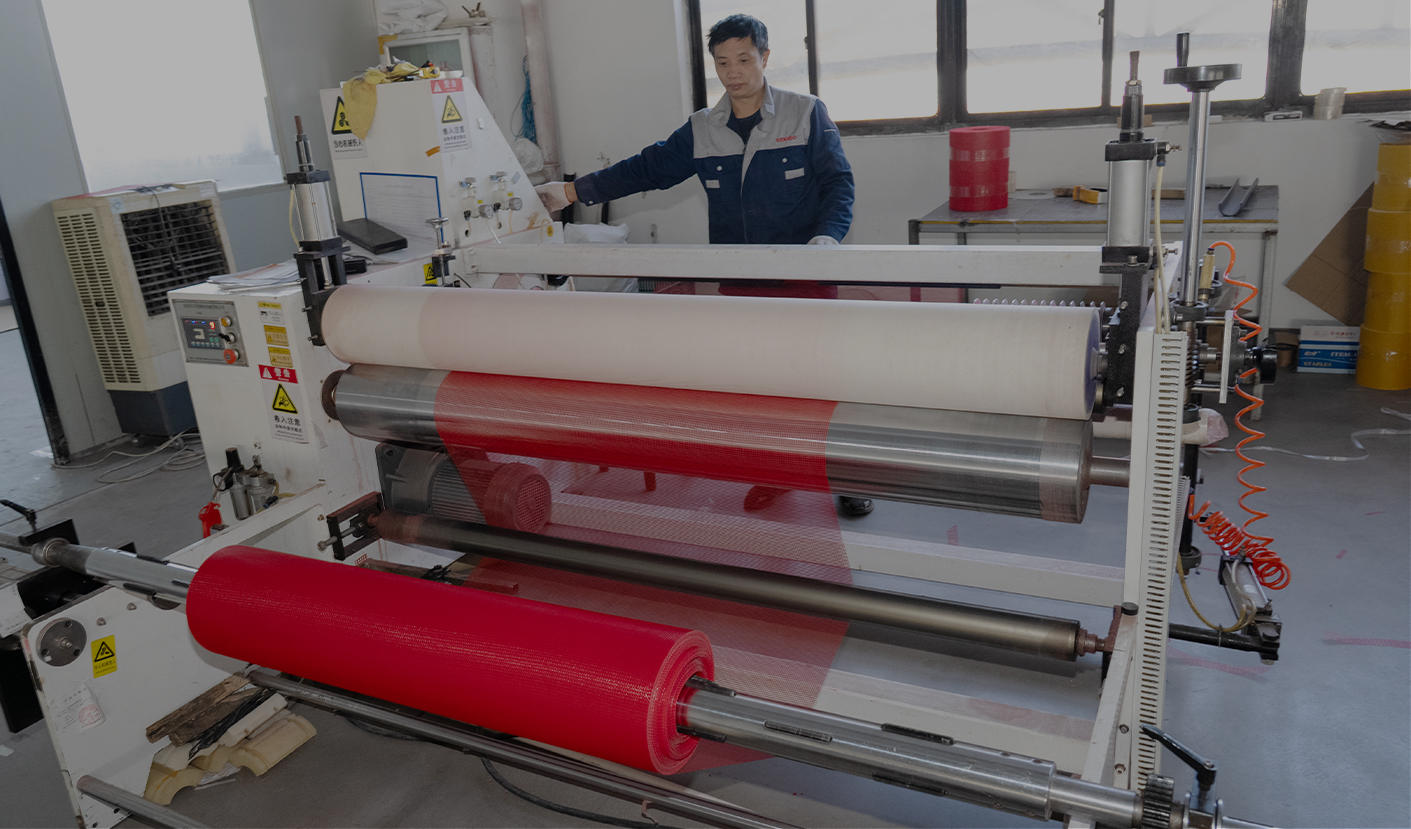
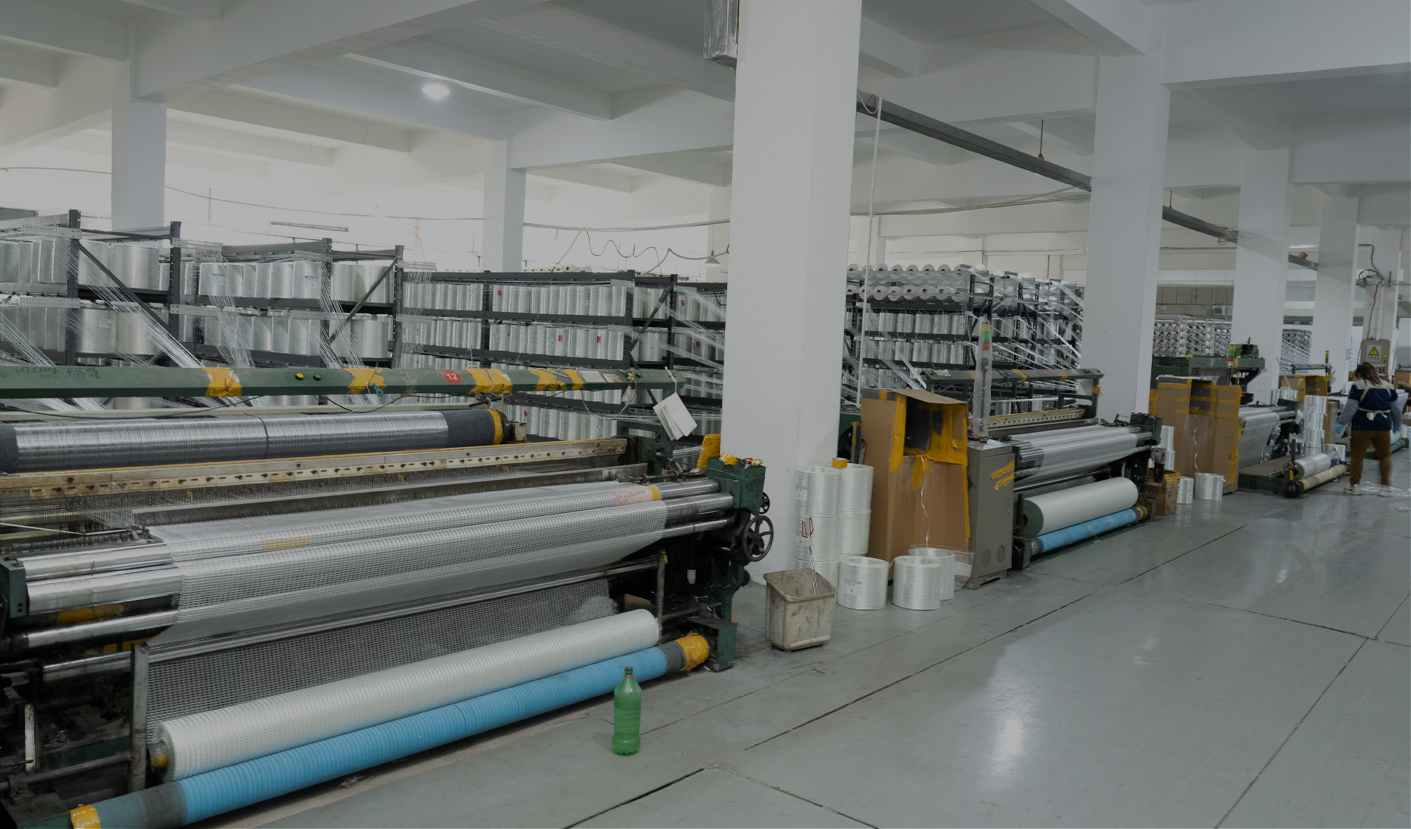
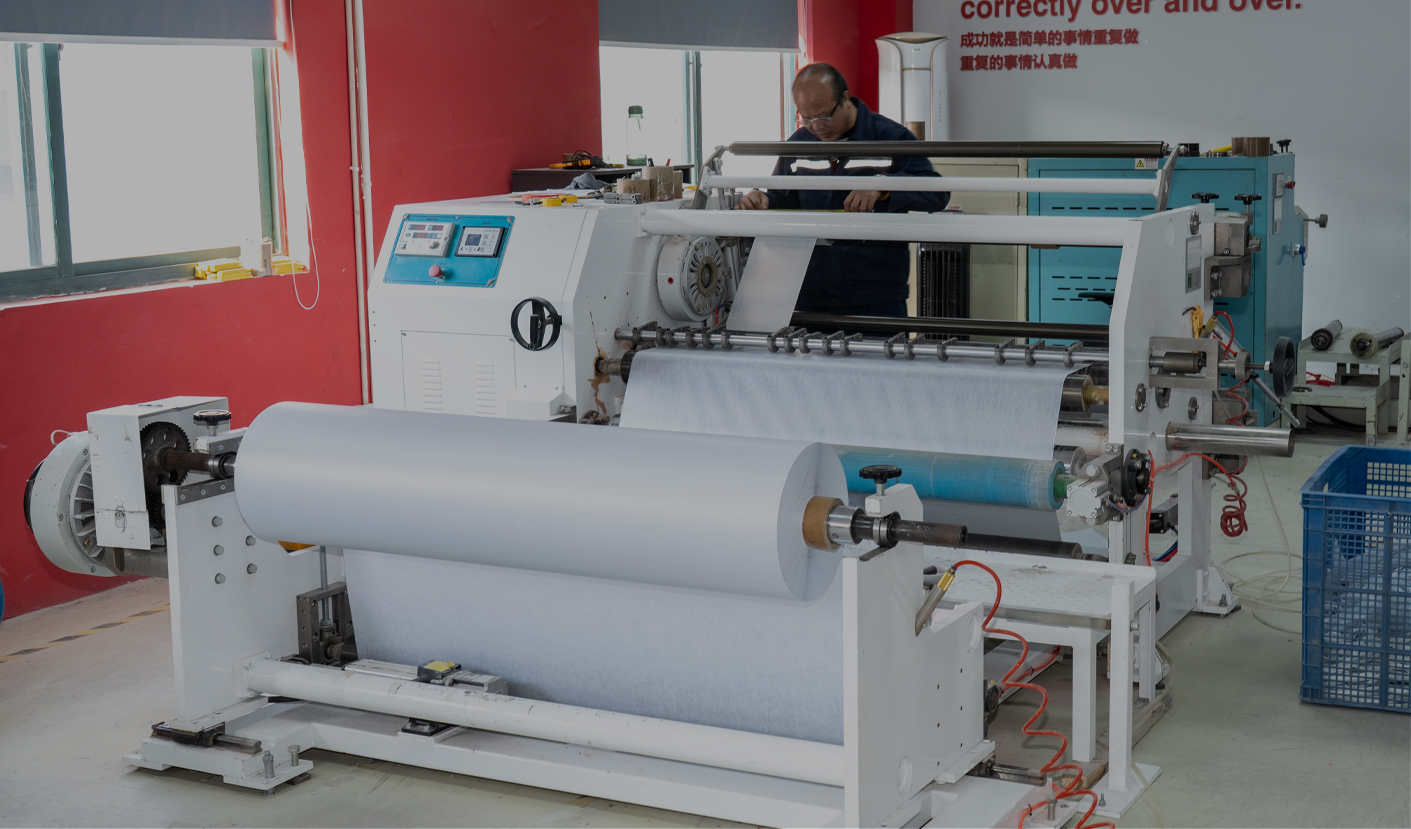
At Yuanda, quality is built on the line. We make GFRP mesh and machines ourselves, keeping tension, coating, and curing under control and recording what matters. With ISO/CE discipline and practical workmanship, what you get is consistent, dependable output.

Civil & Infrastructure
Power & Transformers
Residential Housing

Agriculture & Farming
Commercial Buildings

Education & Campuses

Warehousing & Logistics

Data Centers & Telecom

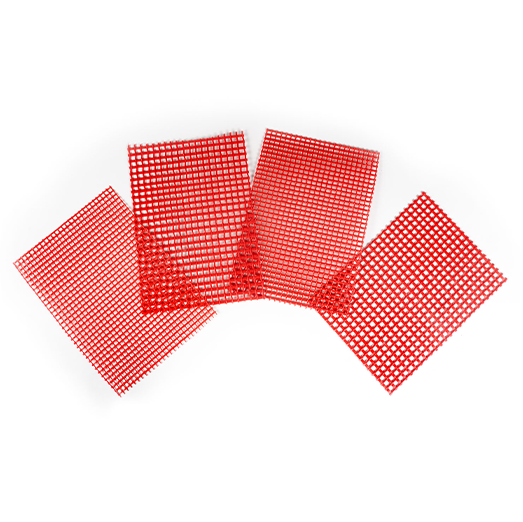
GFRP Mesh Sheet — short for Glass Fiber Reinforced Polymer Mesh Sheet — is a structural reinforcement material engineered for modern concrete applications. The core conclusion is straightforward: GFRP Mesh Sheet delivers superior corrosion resistance, longer service life, and significantly lower lifecycle costs compared to conventional steel wire mesh, making it the preferred choice for engineers and contractors working in demanding environments.
Traditional steel reinforcement has served construction for over a century, but it carries an inherent flaw — it corrodes. Chloride ions, moisture, and chemicals penetrate concrete cover, reach the steel, and trigger oxidation. This expansion cracks the surrounding concrete, accelerating structural degradation. The global annual cost of corrosion-related infrastructure damage is estimated at over $2.5 trillion — a figure the World Corrosion Organization has cited as exceeding 3% of global GDP. A significant portion of this figure stems directly from reinforced concrete deterioration.
GFRP Mesh Sheet addresses this problem at its root. By replacing metallic reinforcement with a composite of alkali-resistant glass fibers embedded in a polymer resin matrix, the material eliminates the electrochemical pathway through which corrosion occurs. The result is a reinforcement product that thrives in the very environments — seawater, de-icing salt exposure, chemical plants, wastewater treatment facilities — where steel performs most poorly.
This article examines GFRP Mesh Sheet in depth: how it is manufactured, what performance characteristics define its value, where it is applied most effectively, and how engineers and procurement teams should approach its integration into concrete reinforcement design.
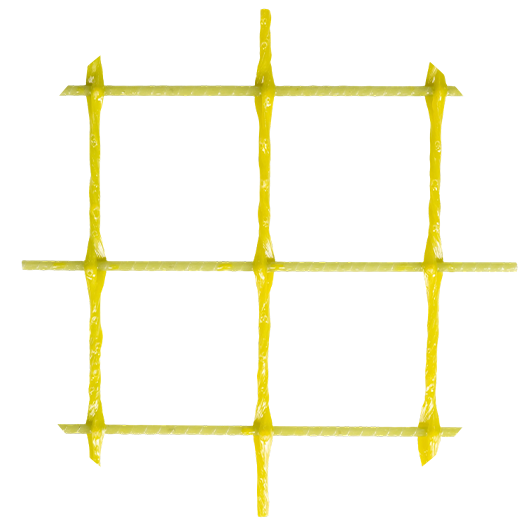
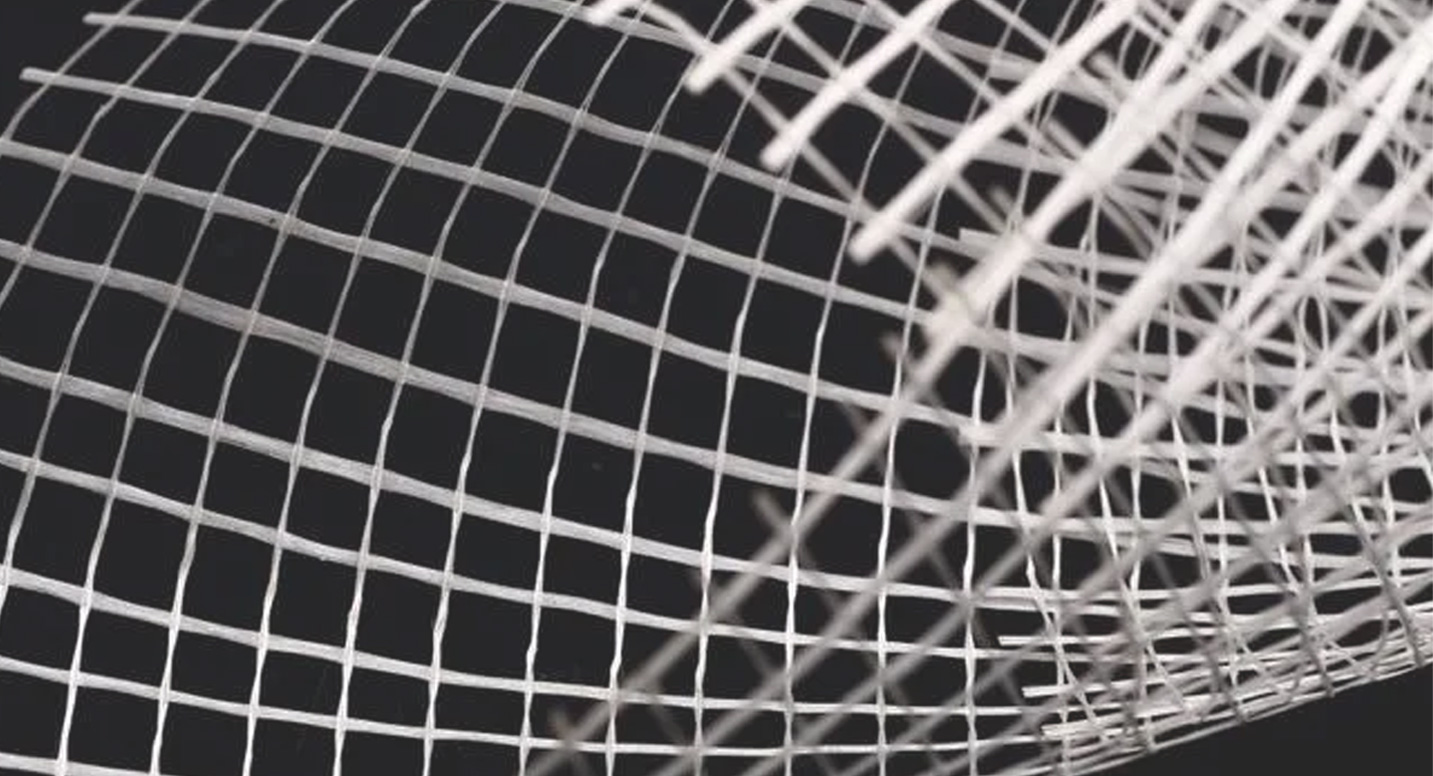
The product is manufactured by aligning glass fiber rovings in two orthogonal directions — warp (longitudinal) and weft (transverse) — and impregnating the fiber assembly with a corrosion-resistant polymer resin, typically vinyl ester or epoxy. The resin system is cured under controlled temperature and pressure conditions, producing a rigid composite grid with precisely defined aperture sizes and fiber volume fractions.
This bidirectional architecture is critical. It ensures that tensile loads applied in any in-plane direction encounter fiber reinforcement, which is the same structural logic behind woven carbon fiber panels in aerospace applications. In concrete reinforcement terms, this means crack-bridging capability in both principal stress directions — longitudinal shrinkage cracks and transverse thermal cracks are equally well controlled.
The polymer matrix performs two functions: it transfers shear stress between fibers so they act collectively rather than as independent filaments, and it forms a physical barrier protecting the glass from alkaline attack — a vulnerability of bare glass fibers when exposed to high-pH concrete environments. Modern GFRP Mesh Sheets designed for concrete applications use alkali-resistant (AR) glass fiber as the base material, combining chemical resistance in the fiber itself with additional protection from the polymer coating.
| Property | GFRP Mesh Sheet | Steel Wire Mesh |
|---|---|---|
| Density (g/cm³) | ~2.1 | ~7.85 |
| Tensile Strength (MPa) | 480 – 1000+ | 400 – 600 |
| Corrosion Resistance | Excellent (non-metallic) | Poor (requires coating or cover) |
| Magnetic Transparency | Fully transparent | Ferromagnetic |
| Electrical Conductivity | Non-conductive | Conductive |
| Thermal Conductivity (W/m·K) | ~0.3 – 0.5 | ~50 |
| Weight vs Steel (same area) | ~25 – 30% | Baseline |
Understanding the specific technical advantages of GFRP Mesh Sheet is essential for engineers specifying reinforcement materials. Each advantage corresponds to a real performance limitation of traditional steel that translates into measurable cost or durability consequences in the field.
Corrosion resistance is the defining advantage of glass fiber reinforced polymer mesh. Unlike steel, which begins to corrode when exposed to moisture and oxygen — a process accelerated dramatically by chloride ions — GFRP Mesh Sheet contains no metallic elements capable of electrochemical oxidation. The polymer matrix and glass fiber composite is chemically inert in the alkaline environment of concrete (pH 12–13), in saline solutions representative of marine exposure, and in the wide range of industrial chemicals encountered in infrastructure applications.
Long-term studies of GFRP reinforcement exposed to chloride environments demonstrate that no measurable corrosion-induced expansion occurs even after 25+ years of service, in sharp contrast to steel rebar, which can begin showing surface corrosion within 10–15 years in aggressive marine environments even with adequate concrete cover. This eliminates the spalling and delamination failures that account for a substantial share of bridge deck, parking structure, and coastal infrastructure rehabilitation budgets globally.
For owners and asset managers, this translates directly into extended maintenance intervals. A marine pier deck reinforced with GFRP Mesh Sheet typically requires no corrosion-related maintenance for 50+ years, whereas a comparable steel-reinforced deck in the same environment may require overlay removal and bar replacement within 20–30 years — a lifecycle cost differential that frequently exceeds the initial premium for composite reinforcement.
GFRP Mesh Sheet exhibits tensile strength values in the range of 480 to over 1,000 MPa depending on fiber orientation, fiber volume fraction, and resin system — a range that is comparable to and in many product configurations exceeds that of conventional deformed steel rebar (typically 400–600 MPa yield strength). This high tensile capacity is delivered at a material density of approximately 2.1 g/cm³, compared to 7.85 g/cm³ for steel. The practical result is that GFRP reinforcement components weigh roughly one-quarter as much as equivalent steel components.
For construction teams, this weight reduction has direct operational benefits. Mesh sheets can be handled and positioned manually without mechanical lifting equipment, reducing installation time and associated labor costs. In renovation and repair projects where access is constrained, the ability to maneuver lightweight reinforcement through confined spaces can be decisive. In prefabricated concrete element production, lighter reinforcement reduces the weight of finished elements, lowering transportation and handling costs across the supply chain.
Glass fiber reinforced polymer is completely transparent to electromagnetic fields. This property is non-trivial in a growing number of infrastructure and industrial applications. Medical imaging facilities require concrete structures that do not distort MRI or CT scanner fields — steel reinforcement in walls and slabs creates interference that degrades image quality and requires costly shielding countermeasures. Telecommunications infrastructure, radar stations, and electronic testing laboratories have equivalent requirements.
GFRP Mesh Sheet is also electrically non-conductive, eliminating galvanic coupling risks in structures where different metals are in contact and preventing the formation of stray current pathways that accelerate corrosion in adjacent metallic components. In transit infrastructure — subway tunnels, rail viaducts — where stray traction currents are a documented cause of accelerated steel reinforcement corrosion, non-conductive composite reinforcement provides a systematic solution rather than a palliative treatment.
Effective reinforcement requires not only high tensile capacity in the reinforcing element but reliable stress transfer between the reinforcement and the surrounding concrete. GFRP Mesh Sheet achieves this through surface texture derived from the fiber weave geometry and, in optimized product designs, through additional surface treatment such as sand coating or deformed surface profiles. Bond strength values for well-designed GFRP mesh in normal-strength concrete typically range from 8 to 15 MPa, sufficient to engage the reinforcement in crack control and tensile load sharing well within practical concrete stress states.
The bidirectional mesh geometry also contributes to mechanical interlock. Unlike individual bar reinforcement, the grid format creates a distributed anchoring system in which the transverse fibers act as positive mechanical keys against pullout in the longitudinal direction. This is particularly valuable in thin concrete sections — overlays, shotcrete linings, precast panels — where embedment depth is limited and bond efficiency must be maximized.
The performance profile of GFRP Mesh Sheet — corrosion immunity, high strength-to-weight ratio, electromagnetic transparency — maps directly onto a defined set of construction and infrastructure applications where these properties deliver the greatest value. The following sections examine the most significant application categories, with specific attention to why GFRP outperforms alternatives in each context.
Marine and coastal environments are among the most aggressive service conditions for reinforced concrete. Seawater contains chloride concentrations averaging approximately 19,000 mg/L — roughly 35 times the chloride threshold for initiation of steel corrosion in concrete. Wave action, tidal cycling, and splash zone exposure ensure continuous wetting and drying that drives chloride penetration deep into concrete cover zones. The combination of high chloride loading, moisture, and oxygen availability creates near-ideal conditions for electrochemical corrosion of steel reinforcement.
GFRP Mesh Sheet in marine applications eliminates the corrosion mechanism entirely. Piers, jetties, seawalls, boat ramps, tidal barrages, offshore platform decks, and harbor infrastructure reinforced with GFRP composite mesh do not experience the progressive corrosion-induced deterioration that causes structural capacity reduction and surface spalling. Engineers designing for coastal locations can specify reduced concrete cover — since the corrosion protection function of cover is no longer required — allowing thinner, lighter sections without compromising durability.
Several port authorities and coastal highway departments in North America and Europe have adopted GFRP reinforcement as their standard specification for new marine concrete construction following lifecycle cost analyses showing 30–50% reduction in total 50-year ownership costs compared to equivalent epoxy-coated steel reinforcement.
Tunnel construction presents a specific application context in which GFRP Mesh Sheet provides both durability and constructability advantages. Segmental tunnel linings — the precast concrete rings assembled by tunnel boring machines — must function effectively in groundwater environments for design lives of 100 years or more. Groundwater in urban and industrial areas frequently contains elevated chloride, sulfate, or acidic components derived from contaminated fill, de-icing chemical infiltration, or natural geological chemistry.
In tunnel face stabilization during sequential excavation, steel reinforcement in shotcrete linings must subsequently be cut by the advancing TBM cutting head. Steel creates significant wear and cutting resistance, increasing machine maintenance requirements and advancing time. GFRP Mesh Sheet in shotcrete linings can be cut by TBM disc cutters with dramatically reduced cutter wear — a significant operational advantage that has driven adoption of composite fiber reinforcement in mechanized tunneling internationally.
In rail and subway tunnels, stray electrical current from traction systems flows through conductive pathways in the tunnel structure, including steel reinforcement. This stray current accelerates corrosion of both the reinforcement itself and adjacent metallic utilities. Non-conductive GFRP Mesh Sheet eliminates the tunnel structure as a stray current pathway, providing a passive mitigation strategy with zero ongoing maintenance requirements.
Concrete repair and strengthening represents one of the highest-growth application segments for composite reinforcement materials. Aging infrastructure worldwide requires surface overlay systems to restore section geometry, improve load distribution, and extend service life. Bridge deck overlays, parking garage membrane systems, industrial floor resurfacing, and facade repair panels all depend on reinforcement mesh to control reflective cracking and distribute stresses across the repair interface.
In this context, GFRP Mesh Sheet offers a combination of advantages that steel mesh cannot match. Its lightweight nature allows placement in thin overlay sections — as little as 20–30 mm — without creating congestion that prevents adequate concrete encapsulation. Its corrosion immunity ensures that the repair system does not introduce new corrosion initiation sites at the mesh level. And its high tensile modulus in the fiber direction provides effective crack control reinforcement where it is most needed — perpendicular to expected shrinkage and thermal cracks.
For wall crack repair using external bonded reinforcement, GFRP Mesh Sheet embedded in polymer-modified mortar creates a composite strengthening layer that bridges existing cracks and prevents their extension under continued mechanical and thermal loading. This application is widely used in masonry and precast concrete facade rehabilitation, where the alternative — full facade replacement — carries far higher cost and program disruption.
Industrial environments subject concrete structures to chemical attack from acids, alkalis, solvents, and aggressive salts. Wastewater treatment facilities expose concrete to hydrogen sulfide, biogenic sulfuric acid, and chlorinated compounds. Chemical processing plants handle concentrated mineral acids and organic solvents. Agricultural storage facilities process fertilizers and silage acids. In all these environments, steel reinforcement is at elevated corrosion risk even with generous concrete cover.
GFRP Mesh Sheet reinforcement with appropriate resin system selection — vinyl ester for broad chemical resistance, epoxy for specific structural applications — provides durable reinforcement without the corrosion vulnerability of steel. In combination with chemically resistant concrete admixtures and surface protection systems, composite mesh reinforcement extends structural service life in industrial environments from 20–30 years (typical for steel-reinforced structures) to 50+ years, dramatically reducing lifecycle costs for facility owners.
GFRP Mesh Sheet: Estimated Market Share by Application Sector (%)
Figure 1: Indicative distribution of GFRP Mesh Sheet usage by application category in global composite reinforcement market
Effective use of GFRP Mesh Sheet requires understanding both the technical specification parameters and the practical installation procedures that ensure full performance is achieved in the finished concrete structure. The following guidance covers the key decision points from material specification through completed installation.
GFRP Mesh Sheet is available in a range of configurations defined by aperture size, fiber weight (expressed in grams per square meter), tensile strength in each principal direction, and sheet dimensions. The appropriate specification depends on the structural function of the reinforcement:
Engineers should request third-party test data from suppliers for the specific properties critical to their design: tensile strength, elastic modulus, bond strength, and long-term durability data under the anticipated exposure conditions. For marine applications, alkaline solution immersion test data and accelerated aging test results provide the strongest basis for service life prediction.
GFRP Mesh Sheet installation is straightforward and requires no specialized equipment, but attention to a few critical details ensures full structural performance:
Durability design for GFRP-reinforced concrete differs from conventional steel-reinforced design in several important ways. Since the corrosion protection function of concrete cover is no longer critical, the durability focus shifts to: concrete quality (water-cement ratio, permeability, curing), joint sealing (preventing water and chemical ingress at construction joints and penetrations), and the long-term mechanical properties of the GFRP composite under sustained load and exposure.
GFRP materials exhibit creep under sustained tensile loading — a phenomenon where the material elongates slowly under constant stress. Design codes for GFRP reinforcement account for this by applying a sustained load reduction factor, typically limiting sustained tensile stress to 20–25% of the short-term ultimate tensile strength. This creep rupture allowance is an important design parameter that should be verified with the supplier's long-term test data, particularly for applications where the reinforcement carries significant sustained loads.
Concrete protective cover, even when not required for corrosion protection, still contributes to fire resistance — an important consideration for structures with fire safety requirements. GFRP reinforcement has lower temperature resistance than steel (glass transition temperature of the polymer matrix is typically 100–120°C for standard epoxy systems), and fire performance should be assessed against the structural fire rating requirement for the project.
GFRP is not the only composite reinforcement material available to engineers. Carbon fiber reinforced polymer (CFRP) and basalt fiber reinforced polymer (BFRP) are competing technologies with distinct performance and cost profiles. Understanding how GFRP Mesh Sheet compares to these alternatives enables informed specification decisions.
Carbon fiber reinforced polymer offers significantly higher elastic modulus than GFRP — typically 120–150 GPa for standard-modulus CFRP versus 35–55 GPa for GFRP. In applications where stiffness governs design (deflection control, crack width limitation under service loads), CFRP provides superior performance per unit cross-section. However, the tensile strength comparison is less clear-cut — high-quality GFRP products achieve tensile strengths comparable to standard-modulus CFRP at a fraction of the material cost.
For the large majority of concrete reinforcement applications — where crack control and tensile capacity under factored loads, rather than stiffness, govern design — GFRP Mesh Sheet delivers the required performance at substantially lower material cost than CFRP. CFRP is justified when high modulus in a restricted cross-section is essential, as in externally bonded flexural strengthening of existing structures or prestressed composite systems.
Basalt fiber reinforced polymer uses fibers derived from volcanic basalt rock, processed by melting and drawing into continuous filaments. BFRP offers somewhat higher elastic modulus than E-glass GFRP and competitive tensile strength. Its chemical resistance profile is similar to alkali-resistant GFRP. However, the basalt fiber manufacturing industry has significantly smaller production capacity and fewer qualified suppliers globally compared to the glass fiber industry, which supports a more mature, diversified supply chain for GFRP products.
For most civil engineering applications requiring composite mesh reinforcement, GFRP Mesh Sheet provides a well-characterized material with extensive published test data, established design codes, demonstrated long-term field performance in demanding environments, and broad global supply availability. BFRP is an emerging alternative with promise but less accumulated field data and fewer code references at present.
| Criterion | GFRP | CFRP | BFRP | Epoxy-Coated Steel |
|---|---|---|---|---|
| Corrosion Resistance | Excellent | Excellent | Excellent | Moderate |
| Elastic Modulus (GPa) | 35–55 | 120–150 | 45–65 | 200 |
| Relative Material Cost | Low–Medium | High | Medium | Low–Medium |
| EM Transparency | Full | Partial | Full | None |
| Long-term Field Data | Extensive (25+ yrs) | Extensive | Limited | Extensive |
| Weight vs Steel | ~25% | ~20% | ~27% | 100% |
Sustainability considerations are increasingly central to infrastructure material specification decisions. GFRP Mesh Sheet performs favorably on multiple dimensions of sustainable construction: structural longevity, reduced maintenance interventions, compatibility with lifecycle cost accounting, and potential for reduced material consumption through section optimization.
The most significant sustainability benefit of GFRP Mesh Sheet is structural longevity. A concrete structure that does not deteriorate through corrosion does not require the repeated repair, overlay replacement, and eventual reconstruction cycles that characterize steel-reinforced concrete in aggressive environments. Each repair cycle consumes energy, generates waste, requires traffic disruption for transportation infrastructure, and generates carbon emissions from construction activities.
Lifecycle assessment studies of bridge deck systems — one of the most extensively studied infrastructure asset classes in terms of lifecycle cost and environmental impact — consistently show that GFRP-reinforced concrete decks have lower total 75-year lifecycle environmental impact than steel-reinforced decks in chloride exposure conditions, even when accounting for the higher embodied energy of composite manufacturing relative to steel production. The key driver is the elimination of two to three full deck replacement cycles over the analysis period.
A well-structured lifecycle cost analysis (LCCA) for infrastructure using GFRP Mesh Sheet accounts for three categories of costs: initial construction cost (including materials, labor, and equipment), periodic maintenance and inspection costs over the analysis period, and the capital cost of major repair or replacement interventions.
For a typical marine concrete structure with a 50-year analysis period, the cost differential works as follows:
The net present value of lifecycle cost savings from GFRP Mesh Sheet in marine applications, at typical discount rates of 3–5%, frequently exceeds the initial premium by a factor of 3 to 5 over a 50-year analysis period. This economic case is robust across a wide range of sensitivity assumptions about material costs, maintenance intervention frequencies, and discount rates — making it a compelling argument for public asset owners focused on long-term fiscal responsibility.
Cumulative Lifecycle Cost Index: GFRP vs Steel-Reinforced Concrete (Marine Environment, 50-Year Period)
Figure 2: Indicative cumulative lifecycle cost comparison showing GFRP Mesh Sheet advantage accumulating over time as steel-reinforced structures require major repair interventions
The low density of GFRP Mesh Sheet enables thinner, lighter concrete sections where durability rather than structural capacity governs design. In overlay and facing panel applications, GFRP reinforcement can be placed at covers achievable in 20–30 mm sections — sections where steel mesh would create a severe congestion problem. Thinner sections require less concrete, which reduces both embodied carbon and the self-weight imposed on supporting structure. In retrofitting projects where additional dead load is undesirable, GFRP-reinforced repair systems deliver equivalent protection with significantly lower weight impact than steel-reinforced alternatives.
Zhejiang Yuanda Fiberglass Mesh Co., Ltd. was founded in 2000 and has established itself as a technology-oriented manufacturing enterprise focusing on the new materials field. The company specializes in the research and development, production, and supply of composite reinforcing materials, insulating materials, and related intelligent manufacturing equipment. Committed to providing professional and reliable products and services to customers worldwide, Yuanda has built a reputation for engineering quality and consistent innovation over more than two decades of operation.
The company is located in the Yangtze River Delta Economic Circle of China — one of the world's most dynamic industrial and logistics regions — in close proximity to both Ningbo Port and Shanghai Port. This strategic location provides direct access to international shipping routes and gives Yuanda a significant logistical advantage in serving global export markets. The facility covers nearly 33,000 square meters and includes modern standard production workshops equipped with advanced composite manufacturing and quality control systems.
Yuanda's business is organized around three integrated product and technology areas:
Yuanda's long-term strategic vision is to become a leading domestic supplier of composite new materials in China while simultaneously expanding its international reach. The company's consistent investment in manufacturing technology, quality management systems, and technical expertise positions it well to support the growing global demand for durable, corrosion-resistant concrete reinforcement solutions in construction, infrastructure, and industrial applications. Wide recognition from customers across diverse markets over more than two decades reflects the company's commitment to product quality and service reliability.
Q1: What is the expected service life of GFRP Mesh Sheet in a marine environment?
GFRP Mesh Sheet is designed for a service life of 50 years or more in marine and coastal environments. Long-term immersion and accelerated aging studies confirm that appropriately specified alkali-resistant GFRP products retain the majority of their tensile strength after 25+ years of saltwater exposure, and no corrosion mechanism exists to degrade the material in the way that steel deteriorates.
Q2: Can GFRP Mesh Sheet be used as a direct replacement for steel wire mesh in all applications?
GFRP Mesh Sheet can replace steel wire mesh in most crack control, overlay, and secondary reinforcement applications without modification of the structural system. For primary structural reinforcement where bending capacity governs, design must follow composite reinforcement design codes (such as ACI 440 or relevant national standards), as the lower elastic modulus of GFRP affects deflection and cracking behavior under service loads. Consult with a structural engineer familiar with composite reinforcement design when planning structural applications.
Q3: How is GFRP Mesh Sheet cut and shaped on site?
GFRP Mesh Sheet is readily cut using standard power tools: angle grinders with abrasive cutting discs, circular saws with diamond or abrasive blades, or heavy-duty aviation shears for lighter meshes. No specialized equipment is required. Personal protective equipment — safety glasses, dust mask, and gloves — should be worn during cutting to manage glass fiber dust and cut edge sharpness.
Q4: Does GFRP Mesh Sheet require special storage or handling before installation?
GFRP Mesh Sheet should be stored in a dry, covered location, away from prolonged direct UV exposure which can gradually degrade the polymer matrix surface. Sheets should be stacked flat or stored in roll form per supplier recommendations to prevent distortion. Unlike steel reinforcement, GFRP does not rust during storage, so extended on-site storage does not create the corrosion risk associated with conventional steel mesh.
Q5: Is GFRP Mesh Sheet compatible with all concrete mix types?
GFRP Mesh Sheet is compatible with standard Portland cement concrete, blended cement mixes (including fly ash, slag, and silica fume), polymer-modified mortars, and shotcrete mixes. Alkali-resistant glass fiber products are specifically formulated to maintain performance in the high-pH environment of fresh and hardened concrete. Always verify compatibility data with the supplier for unusual mix chemistries such as geopolymer concretes or very high alkali content mixes.
Q6: What quality certifications should I look for when sourcing GFRP Mesh Sheet?
Key quality indicators include third-party test data for tensile strength, elastic modulus, and bond strength from accredited testing laboratories; documentation of alkali resistance testing per established protocols (such as ASTM D7705 or equivalent); CE marking or equivalent conformity assessments for structural applications in regulated markets; and ISO 9001 quality management system certification from the manufacturer. Suppliers should be willing to provide full material data sheets with tested — not estimated — property values for the specific product grade offered.
Transformer accessories and auxiliary materials are the components and insulating substances that support, protect, and optimize the performance of power transformers and motors. Without reliable accessories, even a well-engineered transformer core will fail prematurely — insulation breakdown accounts for approximately 70% of transformer failures in service. Understanding what these materials are, how they function, and how to select them correctly is essential for electrical engineers, procurement specialists, and energy infrastructure operators alike.
This article covers the core categories of transformer accessories and auxiliary materials, their functional roles, key selection criteria, and practical application guidance — with a focus on special interlayer insulating materials, which represent one of the most technically demanding areas within this product family.
Transformer auxiliary materials serve three primary functions: electrical insulation between conductive components, mechanical support to prevent winding displacement under load, and thermal management to dissipate heat generated during operation. A high-performance transformer relies on these materials working together as a system — not as isolated components. Typical auxiliary material categories include interlayer insulating sheets, pressboard, transformer kraft paper, fiberglass-reinforced laminates, and supporting structural components.
Among all auxiliary materials used in transformer manufacturing, insulating materials are widely regarded as the most critical because they directly influence the transformer’s dielectric strength, thermal stability, operational reliability, and overall service life. While structural components provide mechanical support and conductive materials enable energy transfer, the insulation system is ultimately responsible for maintaining electrical separation between energized parts and preventing catastrophic failure under continuous operating stress.
A transformer’s insulation system must withstand a complex combination of electrical, thermal, mechanical, and environmental stresses throughout decades of operation. During normal service, insulating materials are continuously exposed to high voltages, localized electric field concentrations, elevated operating temperatures, moisture ingress, oxidation, and occasional overload conditions. Over time, these stresses gradually degrade the insulation structure, reducing dielectric performance and increasing the likelihood of partial discharge, short circuits, and insulation breakdown. For this reason, the quality and stability of insulating materials are often considered the primary determinants of transformer longevity.
Industry studies indicate that the average operational lifespan of a distribution transformer typically ranges from 25 to 40 years. However, this lifespan can vary significantly depending on the quality of the insulation system, manufacturing standards, operating environment, and maintenance practices. Transformers equipped with high-performance insulation materials and properly maintained cooling systems can remain in reliable service for several decades with minimal degradation. In contrast, units manufactured with lower-grade insulation materials frequently experience accelerated aging, reduced dielectric margins, and substantially higher failure rates. Some industry assessments suggest that transformers using substandard insulation systems may exhibit failure rates up to three times higher within the first ten years of operation compared with units utilizing premium-grade insulating materials.
The importance of insulation quality becomes even more evident in modern power systems, where transformers are increasingly subjected to fluctuating loads, harmonic distortion, higher ambient temperatures, and demanding grid conditions associated with renewable energy integration. Under these circumstances, inferior insulating materials may suffer from faster thermal aging, resin cracking, moisture absorption, or reduced mechanical strength, all of which can compromise transformer safety and reliability. Even relatively small defects in insulation performance can eventually lead to expensive outages, unplanned maintenance, or complete equipment replacement.
Consequently, material selection should never be treated as a purely cost-driven procurement decision. Instead, it represents a long-term strategic investment in equipment reliability, operational safety, and lifecycle cost reduction. High-quality insulating materials may increase initial manufacturing costs, but they often deliver substantial economic benefits through extended service life, reduced maintenance frequency, lower risk of unexpected failures, and improved system stability. This is particularly important for utilities, industrial facilities, and renewable energy infrastructure operators, where transformer downtime can result in significant operational and financial losses.
As a result, leading transformer manufacturers place strong emphasis on the selection, testing, and qualification of insulating materials. Comprehensive quality-control procedures, accelerated aging tests, thermal endurance evaluations, and dielectric performance verification are increasingly integrated into modern manufacturing processes to ensure that insulation systems meet strict international reliability standards. In today’s power industry, insulation is no longer viewed as a secondary supporting material — it is recognized as one of the core technologies that determines the long-term performance and resilience of the entire transformer system.
Transformer accessories span both external fittings and internal insulating components. Each category plays a specific role in system integrity and performance. The table below summarizes the primary accessory categories, their functions, and the materials typically involved.
| Category | Primary Function | Typical Materials | Application Location |
|---|---|---|---|
| Interlayer Insulating Sheets | Electrical isolation between winding layers | DMD, NMN, fiberglass laminates | Between winding layers |
| Transformer Pressboard | Structural support and oil-impregnated insulation | Cellulose-based pressboard | Core clamping, barriers |
| Transformer Kraft Paper | Conductor wrapping insulation | Sulfate cellulose pulp | Conductor surfaces |
| Fiberglass Laminates (FR4 / G10) | High-strength structural insulation | Epoxy-bonded fiberglass | Coil supports, spacers |
| Cooling & Oil Accessories | Heat dissipation, oil circulation | Metal, seals, gaskets | Tank exterior, conservator |
| Tap Changer Components | Voltage regulation under load | Contact alloys, insulating rods | Voltage regulation zone |
Special interlayer insulating materials for power transformers and motors are designed to withstand continuous high-voltage stress while maintaining dimensional stability across a wide temperature range. The most commonly used types include:
External transformer accessories protect the internal environment and ensure operational safety. Oil conservators maintain stable oil pressure by accommodating thermal expansion of insulating oil. Buchholz relays detect gas accumulation from internal faults — a critical early-warning mechanism that can prevent catastrophic failures. Bushings provide safe high-voltage conductor entry points through the transformer tank while maintaining electrical separation from the grounded tank body. Silicone rubber bushings have increasingly replaced porcelain types due to better hydrophobicity in outdoor installations.
The insulation system of a transformer is not a single material but a carefully engineered assembly. Each component must be compatible with the others — chemically, thermally, and electrically — across decades of operational service. A mismatched insulating material introduced during manufacturing or maintenance can shorten transformer life by 30–50%, even if every other component meets specification.
IEC and NEMA standards define insulation thermal classes that directly govern material selection. Choosing a material rated below the operating temperature class of the transformer is a common and costly error. The table below outlines the main insulation classes and typical material assignments:
| Insulation Class | Max. Continuous Temp. | Typical Materials | Typical Applications |
|---|---|---|---|
| Class A | 105°C | Cotton, silk, paper, oil-impregnated cellulose | Oil-filled distribution transformers |
| Class E | 120°C | Polyester enamels, some laminates | Small motors, low-voltage equipment |
| Class B | 130°C | DMD, mica, fiberglass laminates | Dry-type distribution transformers |
| Class F | 155°C | Modified polyester, silicone composites | Industrial motors, traction equipment |
| Class H | 180°C | NMN, aramid laminates, silicone rubber | High-load motors, traction transformers |
| Class C | 220°C+ | Mica, ceramic, polyimide films | Power electronics, extreme-duty applications |
When evaluating insulating materials for transformer and motor applications, engineers should assess the following performance parameters as standard practice:
Dielectric Strength by Insulating Material (kV/mm)
Values are indicative ranges based on standard testing conditions; actual performance depends on thickness, moisture content, and manufacturing process.
Selecting the right insulating material for a transformer or motor application requires balancing electrical requirements, thermal class, mechanical constraints, and environmental conditions. Using a structured selection framework reduces the risk of specification errors and premature failures in the field.
Begin with the maximum continuous winding temperature of the equipment. This is typically provided in the transformer nameplate data or equipment specification sheet. Add a safety margin of at least 10–15°C above the rated hot-spot temperature when selecting insulation class. For example, a transformer with a rated hot-spot temperature of 140°C should use Class F or Class H insulation materials to ensure adequate thermal life margin.
Calculate the maximum voltage gradient across each insulation layer based on winding voltage distribution. For medium-voltage dry-type transformers (typically 6 kV to 36 kV), interlayer insulation must sustain impulse voltages of 60–200 kV without breakdown. A dielectric safety factor of 2× to 3× the steady-state operating voltage is commonly applied as a design minimum. This determines the required material thickness and dielectric strength rating.
Winding processes exert tensile and compressive forces on insulating materials. Materials that are too rigid may crack during winding; materials that are too compliant may deform under winding tension and create uneven insulation distribution. The ideal material for high-speed automated winding processes combines sufficient flexibility to conform to conductor geometries with adequate stiffness to maintain layer uniformity. Thickness tolerance — typically ±5% or better — is an important manufacturing quality criterion that directly affects layer-to-layer uniformity in the finished winding.
For transformers deployed in humid, coastal, or chemical environments, the moisture absorption characteristics of insulating materials are critical. Cellulose-based materials are inherently hygroscopic and require careful drying and vacuum-oil impregnation processes to maintain their insulating properties. Synthetic materials such as polyester-based DMD or aramid composites absorb significantly less moisture, making them preferable for dry-type transformers in challenging environments. Additionally, compliance with standards such as IEC 60641 (pressboard), IEC 60819 (non-cellulosic sheet materials), and UL 94 flame retardancy ratings should be confirmed for each material in the insulation system.
Relative Failure Risk vs. Insulation Material Grade (Illustrative Trend)
Higher-grade insulating materials correlate with progressively lower transformer failure risk over service life. Illustrative model based on industry maintenance data.
Beyond traditional insulating materials, composite reinforcing materials — particularly glass fiber reinforced polymer (GFRP) components — play a growing role in the transformer and motor manufacturing ecosystem. GFRP components offer a unique combination of high mechanical strength, electrical non-conductivity, and corrosion resistance that conventional metal structural components cannot match in certain applications.
In dry-type and cast-resin transformers, GFRP structural components replace steel in locations where magnetic field induction in metallic parts would cause eddy current losses or create unwanted conductive paths. Typical GFRP applications include:
The adoption of GFRP in transformer and motor manufacturing has expanded significantly over the past two decades, driven by performance advantages over both metals and traditional glass-epoxy laminates in certain roles. Key advantages include:
The quality and long-term reliability of GFRP components are closely linked to the sophistication of the production equipment used during manufacturing. Advanced automated pultrusion lines for fiberglass reinforced bars, together with high-precision filament winding systems for hollow tubes and structural cylinders, enable manufacturers to achieve highly consistent dimensional accuracy, stable wall thickness, and optimized fiber alignment. These factors are critical because even minor variations in fiber distribution or resin content can significantly influence the mechanical strength, dielectric properties, and thermal stability of the final product.
Modern production facilities increasingly rely on intelligent manufacturing systems equipped with real-time monitoring and closed-loop control technologies. Sensors installed throughout the production line continuously track key process parameters such as resin impregnation quality, fiber tension, winding angle, curing temperature, and pulling speed. By analyzing this data in real time, manufacturers can immediately detect process deviations, minimize void formation, prevent dry fiber defects, and maintain a uniform fiber volume fraction across the entire component. This level of automation not only improves product consistency, but also greatly reduces scrap rates and enhances overall production efficiency.
In addition, precision-controlled curing systems ensure that the resin matrix achieves complete and uniform polymerization, which is essential for maintaining both mechanical integrity and electrical insulation performance under demanding operating conditions. Automated data logging and traceability functions further allow each production batch to be fully documented, including raw material records, processing conditions, inspection results, and quality verification data. Such traceability is increasingly required in industries with strict reliability standards, particularly in the manufacture of high-voltage power transformers, switchgear systems, and other critical electrical infrastructure applications.
For components used in high-voltage transformer environments, consistency is especially important because the materials are often exposed to continuous electrical stress, elevated temperatures, vibration, and long service lifetimes. Any internal defect, dimensional inconsistency, or variation in curing quality can potentially compromise insulation performance or mechanical stability. Therefore, manufacturers that invest in state-of-the-art automated equipment and intelligent quality-control systems are generally better positioned to deliver GFRP components with superior reliability, repeatability, and compliance with international industry standards.
Specifying and procuring transformer accessories and auxiliary materials without attention to quality standards is one of the most common sources of field failures. A material that passes visual inspection but has not been tested to the relevant IEC or ASTM standard may still fail under actual service conditions within months. The following standards framework should guide procurement decisions:
When qualifying suppliers of transformer insulating materials and accessories, procurement teams should evaluate the following criteria systematically:
Field experience consistently points to several recurring quality failure modes in transformer insulating materials. Being aware of these failure modes allows procurement and engineering teams to build targeted incoming inspection criteria:
Zhejiang Yuanda Fiberglass Mesh Co., Ltd. was founded in 2000. It is a technology-oriented manufacturing enterprise focusing on the new materials field, specializing in the research and development, and production of composite reinforcing materials, insulating materials, and related intelligent equipment. Committed to providing professional and reliable products and services to customers worldwide, the company is located in the Yangtze River Delta Economic Circle of China, in close proximity to Ningbo Port and Shanghai Port — a geographical advantage that has greatly facilitated its import and export operations globally.
The company covers an area of nearly 33,000 square meters with modern standard workshops equipped for precision manufacturing. Over 25 years of focused engagement in the new materials field has established Yuanda as a trusted supplier to transformer and motor manufacturers across multiple continents.
The company's operations are organized around three core business segments:
For the past 25 years, Zhejiang Yuanda has deepened technological innovation and industrial collaboration, continuously expanding the application scope of its products and earning wide recognition from customers in China and internationally. The company's commitment is to inject continuous impetus into the high-quality development of the composite new materials industry.
Q1: What is the difference between DMD and NMN insulating materials?
DMD is a three-layer composite of polyester film sandwiched between polyester non-woven fabric layers, rated for Class B/F applications (up to 155°C). NMN replaces the outer fabric layers with aramid paper (Nomex), achieving Class H thermal performance (up to 180°C) with superior mechanical toughness. NMN is used when higher thermal endurance is required; DMD is the cost-effective choice for standard dry-type distribution transformer applications.
Q2: How do I know what insulation class my transformer requires?
The required insulation class is determined by the transformer's rated hot-spot winding temperature, which is specified on the nameplate or in the equipment datasheet. Cross-reference this temperature with the IEC insulation class table (A, E, B, F, H, C). When in doubt, apply at least one class above the rated temperature to ensure adequate thermal life margin — for example, using Class H materials in a Class F application extends expected insulation life significantly.
Q3: Can GFRP components replace steel in all transformer structural applications?
GFRP is well suited to replace steel in locations where electrical non-conductivity is important — core clamping rods, inter-winding spacers, and insulating shafts are typical examples. However, GFRP is not suitable for parts requiring high ductility or where welding is necessary. The tank body, cooling fins, and current-carrying structural parts remain in steel. The choice to use GFRP should be based on functional requirements at each specific location within the equipment design.
Q4: What storage conditions are required for transformer insulating materials?
Cellulosic materials (pressboard, kraft paper) must be stored in a dry, temperature-controlled environment at relative humidity below 50% to prevent moisture absorption. Synthetic composites such as DMD and NMN are less hygroscopic but should still be stored sealed in their original packaging away from UV exposure and chemical fumes. All insulating materials should be stored horizontally or supported to prevent deformation, and should be used within the manufacturer's recommended shelf life — typically 2–5 years depending on material type.
Q5: How do interlayer insulating materials affect transformer efficiency?
Interlayer insulation influences transformer efficiency primarily through its effect on winding geometry and thermal management. Materials with better dimensional consistency and lower thickness allow tighter winding designs that reduce the mean turn length and therefore copper losses. Additionally, materials with good thermal conductivity help dissipate heat from the hottest winding sections, reducing hot-spot temperatures and the associated increase in winding resistance — both of which contribute to lower no-load and load losses in well-designed transformers.
Q6: What certifications should I look for when sourcing transformer accessory materials?
At a minimum, verify that the supplier holds ISO 9001 certification and that the materials are tested to the applicable IEC or ASTM standards for their product category. For materials entering specific markets, additional compliance may be required: CE marking for Europe, UL listing for North America, and RoHS compliance for restriction of hazardous substances. Request batch-specific test certificates — not just product-level approvals — to confirm that the actual material received meets the specifications on which the approval was granted.
Today, officially launched its new generation of high-performance Glass Fiber Unidirectional Tape (commonly known as pre-impregnated tape) series products. This product, with its unique unidirectional high-strength, wrinkle-free, and flat structure, and precisely controllable curing performance, is becoming the preferred solution to replace traditional binding materials and enhance the structural integrity and insulation reliability of key equipment such as motor armatures, transformer cores, high-voltage bushings, and aerospace components.
Technical core: Directional enhancement, precise, and reliable
Glass fiber non-woven tape is not an ordinary woven tape, but a strip of pre-impregnated material made by impregnating continuous and parallel-arranged high-strength alkali-free glass fibers in a specially formulated epoxy resin or polyester resin system. Its core technological advantages are reflected in three major aspects:
Extremely high unidirectional mechanical strength: The structure of a unidirectional parallel arrangement of fibers enables the product to have extremely high tensile strength (usually exceeding 1000 MPa) and modulus in the fiber direction (longitudinal). When used as a binding material, it can provide a powerful and uniform circumferential binding force, effectively resisting the stress caused by high-speed rotational centrifugal force, short-circuit electrodynamic force, or temperature changes, and preventing the coil from loosening or the core from deforming.
Smooth and free of overlapping patterns, with excellent insulation performance: Compared with woven tape, the surface of non-woven tape is smooth and flat, without interweaving points of warp and weft. This feature brings multiple benefits: it forms a dense and uniform insulating layer after curing, with a low level of partial discharge and high electrical insulation strength. After binding, the shape is smooth and regular, which is conducive to subsequent insulation treatment or equipment miniaturization design. It is in close contact with the coil or core, providing a better heat dissipation path.
The curing process is flexible and controllable: Depending on the different resin systems impregnated, two major types of products are provided: thermal curing (B-stage) and wet curing (instant curing). Heat-cured unwoven tape features a long storage period and rapid curing through heating during use, making it suitable for automated production lines. The wet method without weft tape is easy to operate and has stronger on-site adaptability. All products undergo precise control of resin content and fluidity to ensure a stable and consistent curing process with little or no volatile matter, forming a strong and chemically resistant whole.
Key application: Reliable guardian from the ground to the sky
The application of fiberglass unweft tape precisely targets fields with extremely high requirements for structural stability and insulation reliability:
Motor manufacturing: As the binding and fixing material for the end and slot of the armature winding in steam turbine generators, large electric motors, traction motors, etc., it is the "safety sinew and bone" that withstands high-speed, high-temperature, and complex electromagnetic forces, directly related to the operational safety and service life of the motor.
Power transformers and reactors: Used for binding core columns and yokes, they provide a strong binding force to suppress core vibration noise and prevent short circuits between iron chips. It is also used for wire fixation and reinforcement, enhancing the overall mechanical strength.
High-voltage electrical equipment: It is used to manufacture high-strength insulating cylinders, pull-out rods, bushing cores, etc., serving as a load-bearing framework to achieve insulation and structural integration, meeting the working conditions of high voltage and large mechanical loads.
Aerospace and high-end equipment: In fields such as structural components of aircraft and satellites, and rocket engine casings, it is used as a pre-impregnated form of high-performance composite materials to achieve lightweight and high strength of components.
Industry Value: From "Binding Firmly" to "Binding Excellently
The launch of the new generation of non-woven belts marks a shift in the bundling process for core equipment such as motors and transformers from merely fulfilling basic functions to pursuing higher performance, greater efficiency, and greater consistency. Through the use of high-quality raw materials, precise impregnation processes, and full-process quality monitoring, this series of products ensures that each roll of the belt has a high degree of consistency in terms of tension control, resin content, and curing characteristics, providing a solid foundation for the automated production and product quality stability of downstream customers.
In the modern industrial field where the performance limits and reliability of materials are pursued, the selection of reinforcing materials directly determines the final performance of composite material products. Today, we are proud to present its core product - high-performance epoxy glass grid cloth. This product, with its outstanding mechanical properties, excellent chemical stability and outstanding process adaptability, is becoming an indispensable key reinforcing material in high-end composite material fields such as wind turbine blades, shipbuilding, rail transit, building reinforcement and sports equipment, providing a solid guarantee for structural safety and long-lasting durability in various harsh application environments.
Core advantage: Three-dimensional integration, defining a new standard for reinforcing materials
Epoxy glass mesh fabric is not merely a glass fiber fabric, but a professional reinforcing base material treated with special sizing agents and optimized weaving processes. Its core value is reflected in three dimensions:
Outstanding mechanical reinforcement performance
High strength and high modulus: Made from high-quality alkali-free glass fiber yarns, it is precisely woven to form a uniform and stable grid structure, which can effectively disperse and transfer loads, providing extremely high tensile strength and rigidity for composite material products. It is an ideal "skeleton" for withstanding heavy loads and resisting deformation.
Excellent impact resistance and fatigue resistance: The grid structure has a good strain distribution capacity, which can absorb and disperse impact energy, significantly enhancing the impact toughness of the product. Meanwhile, its excellent interfacial bonding force with the epoxy resin matrix ensures the fatigue resistance of the composite material under long-term dynamic loads.
Outstanding environmental adaptability and durability
Outstanding corrosion resistance: It has extremely strong resistance to most acids, alkalis, salts and other chemical media, does not rust or corrode, and is especially suitable for corrosive environments such as Marine environments (ships, offshore platforms), chemical storage tanks, and sewage treatment facilities.
Excellent dimensional stability: The coefficient of thermal expansion is well matched with that of epoxy resin, and it is less likely to generate internal stress during the curing process and temperature changes, ensuring precise dimensions and stable shapes of the products, and preventing warping and deformation.
Excellent electrical insulation performance: It has good electrical insulation characteristics and is suitable for reinforcing electrical equipment components, insulation boards and other fields.
Excellent process adaptability
Perfect match with epoxy resin: The dedicated sizing agent ensures excellent wettability and adhesion to the epoxy resin system. The resin is easy to penetrate, and the interface is firmly bonded after curing, without white threads or delamination.
Good covering property and operability: The fabric is soft and flexible, and can well fit the complex mold shapes. It is suitable for various forming processes such as hand lay-up, vacuum introduction, and compression molding. The construction is convenient and efficient.
Wide application: Empowering thousands of industries and building a safe future
The application of epoxy glass mesh fabric is playing a key role in multiple fields that are crucial to the national economy and people's livelihood as well as the cutting-edge of science and technology
In the field of new energy wind power: As the core reinforcing material for the main beam, shell and key parts of wind turbine blades, its high strength and light weight characteristics directly affect the wind capture efficiency, structural safety and service life of the blades, and are the foundation for promoting the development of large-scale and lightweight wind turbine blades.
In the field of transportation: It is used in high-speed train bodies, subway components, bus bodies, special vehicles, as well as ship hulls and decks. It can significantly reduce weight, enhance strength, and improve corrosion resistance, contributing to energy conservation, emission reduction, and safe operation.
Construction engineering and reinforcement: In the reinforcement and repair of concrete structures, epoxy glass mesh fabric is used in combination with epoxy structural adhesives to form a high-performance composite material reinforcement layer, which can significantly enhance the load-bearing capacity, seismic resistance and aging resistance of the structure. The construction is fast and does not affect the appearance of the original structure.
Sports, leisure and industrial equipment: It is used to manufacture high-performance racing boats, windsurfing boards, poles, safety helmets, amusement equipment, as well as various corrosion-resistant storage tanks, pipes, environmental protection equipment, etc., meeting the ultimate pursuit of lightness, high strength and durability.
Industry leadership and continuous innovation
The successful research and development and large-scale application of epoxy glass mesh fabric reflect the profound technical accumulation in the field of advanced reinforcing materials and the precise grasp of market demands. The company adheres to a strict quality control system, from raw material selection to weaving treatment, to ensure the stable and reliable performance of each roll of products.
The reinforcing materials we understand are not only physical reinforcement but also an empowerment of the value and safety commitment of our customers' products. Our epoxy glass mesh fabric is designed to provide the most reliable solutions for the most demanding application scenarios.
Facing the trend of the composite materials industry towards high performance, multi-functionality and green development, we will continue to invest in research and development, optimize the product series, and develop more targeted epoxy glass mesh fabric products (such as higher modulus, thinner weight, special coatings, etc.). We will join hands with partners in the industrial chain to jointly promote the innovative development of downstream application fields. Contribute to building a safer, more efficient and more sustainable industrial future.
Regarding epoxy glass mesh fabric
Epoxy glass mesh fabric is a reinforced fabric made from alkali-free glass fiber yarn as raw material, treated with special weaving methods and sizing agents, and specially designed for use in conjunction with epoxy resin systems. It has a regular grid structure, and its main function is to be embedded in composite materials, providing the main mechanical load-bearing capacity and improving the impact resistance, fatigue resistance and dimensional stability of the composite materials. It is the core skeleton material of high-performance composite material products.
As the core foundation for ensuring the safe, stable and efficient operation of power equipment, the technological innovation of insulating materials has attracted much attention. Today, its independently developed Diamond Dot Pattern Insulation Paper (DDP for short) has achieved large-scale production and successful application. With its revolutionary structure and performance, it has brought a revolutionary insulation solution to high-voltage electrical equipment such as transformers and reactors. It marks a major breakthrough for our country in the field of high-end insulating materials.
Technical core: Unique diamond-shaped dispensing structure, reshaping the boundaries of insulation performance
Traditional insulating paper mainly relies on uniform impregnation or coating processes, while the innovation of rhombic dot matrix insulating paper (DDP) lies in the precisely constructed micro-rhombic dot matrix adhesive layer on its surface. This unique design is achieved through cutting-edge automated dispensing technology, with the size, spacing and distribution of each dispensing dot precisely calculated and optimized. Its core advantages are reflected in:
Outstanding electrical insulation performance: The rhombic lattice structure can more effectively "lock" insulating oil (or resin), forming a stable and uniform composite insulation system. The dispensing area enhances the local dielectric strength, while the non-dispensing area ensures the full penetration and flow of insulating oil. Overall, it significantly increases the breakdown voltage, partial discharge initiation voltage and arc resistance of the product, providing a more reliable safety barrier for the equipment under extreme voltage conditions.
Optimized heat dissipation and mechanical performance: The rhombic lattice does not fully cover, retaining a large number of microchannels between the paper-based fibers, which greatly improves the circulation and fluidity of insulating oil (or cooling medium), thereby significantly enhancing the heat dissipation efficiency of the equipment, helping to reduce the operating temperature rise and extend the equipment's service life. Meanwhile, precise dispensing provides enhanced support at key positions, improving the mechanical strength and dimensional stability of the material, and enabling it to better adapt to mechanical stress during coil winding and thermal expansion and contraction during operation.
Enhance impregnation efficiency and process adaptability: The unique lattice structure guides the insulating impregnating agent to be oriented and penetrate rapidly, reducing the impregnation dead corners or bubbles that may occur in traditional materials, shortening the impregnation and drying time for equipment manufacturing, and improving production efficiency. It shows good compatibility with different impregnating agents (such as oil, epoxy resin, etc.) and has a wider process window.
Application value: Brings multi-dimensional improvements to power equipment
The successful application of rhombic dot adhesive insulating paper (DDP) has directly benefited the core equipment of the power industry chain:
Higher safety and reliability: It provides unprecedented insulation safety guarantees for key equipment such as ultra-high voltage, large power transformers, transformers in the new energy field (such as wind power and photovoltaic inverters), and traction transformers, reducing the risk of faults and ensuring the stability of the power grid.
Equipment compactness and energy efficiency improvement: With excellent insulation and heat dissipation performance, it allows for the design of more compact coil structures under the same insulation grade, or the pursuit of higher voltage levels and power densities under the same size, facilitating the miniaturization and lightweighting of equipment. Meanwhile, the optimized heat dissipation helps to reduce the operational wear and tear of the equipment and improve energy utilization efficiency.
Extending the service life of equipment: Better thermal management and mechanical stability slow down the aging rate of insulating materials, which is expected to significantly extend the service life of power equipment and reduce the maintenance and replacement costs throughout the entire life cycle.
Industry impact and Future outlook
The launch of rhombus dispensing insulating paper (DDP) not only fills a gap in the domestic high-end customized insulating materials field, but also holds strategic significance for promoting the technological upgrade of global power equipment and meeting the urgent demand for high-performance insulation in emerging fields such as smart grids, new energy grid integration, and the electrification of rail transit.
No. 60, Yiwu East Road, Wufu Industrial Park, Yiting Town, Shangyu City, Zhejiang Province, China
+86 13606593503
0575-82419001
fiberglassmesh@163.com