English
 中文简体
中文简体 Español
If you are finishing standard interior drywall, paper tape is usually the better choice for flat seams, inside corners, and fire-rated assemblies. Fiberglass mesh tape is faster for small patches and low-stress repairs, but it is not a direct substitute in every joint. The decision comes down to joint type, substrate movement, and the finish level you need.
Paper drywall tape is a creased paper strip that beds into joint compound and becomes part of the wall surface. Fiberglass mesh tape is an open-weave glass fiber cloth with a light adhesive backing; it sticks to the board before you cover it with compound. Both reinforce the joint, but they do it in different ways.
Content
The Short Answer: Which Tape Should You Choose?
Choose paper tape for butt joints, tapered joints, inside corners, ceilings, and any wall that must meet a fire rating. Choose fiberglass mesh tape for quick patches, hairline crack repairs, small holes, and situations where speed matters more than a perfect Level 5 finish.
That is the practical split. Paper tape forms a continuous paper bridge when embedded in compound, so it handles normal seasonal movement and delivers a smooth, paintable surface. Mesh tape adds tensile strength quickly, but its open weave can telegraph through thin compound and it can struggle on high-movement or fire-rated joints.
How Paper Tape and Fiberglass Mesh Behave on the Wall
Both tapes reinforce drywall joints, but they fail in different ways when the wall moves or the finish is too thin.
Paper tape: strong, smooth, and fire-rated
Paper tape works because it is embedded in a bed of joint compound. The compound fills the tapered joint, the paper is pressed in, and a top coat seals it. The paper becomes a reinforcing layer that moves with the compound. It is the standard choice for professional drywall finishing because it produces a flat, monolithic surface.
Paper tape is not self-adhesive, so it requires a bedding coat. That extra step is a disadvantage for speed but an advantage for quality: the tape cannot float on the surface. It also works in fire-rated assemblies when installed with the specified compound and fastener schedule.
Fiberglass mesh tape: fast, strong in tension, and less forgiving
Fiberglass mesh tape is self-adhesive and easy to apply. You press it over the joint, then skim it with compound. The mesh bridges small gaps and adds tensile reinforcement. For patching drywall or repairing a crack, it saves time and usually holds well.
Its weakness is the same open weave that makes it easy to use. If you do not embed it fully, the texture can show through the finish. Mesh also has less elongation than paper, so in a joint that moves, it can transfer stress to the compound and cause cracking. That is why many finishers limit mesh tape to repairs rather than full-room seams.
Where Paper Tape Wins
Paper tape is the preferred choice for long, visible seams and any joint that must meet a fire rating.
- Flat seams and butt joints: Paper tape bridges the joint smoothly and accepts compound better than mesh.
- Inside corners: Paper tape folds cleanly into a corner and creates a crisp, straight line.
- Fire-rated walls: Paper tape is widely listed for fire-rated drywall assemblies when installed correctly.
- High-end finishes: Paper tape gives a Level 4 or Level 5 finish with less risk of texture telegraphing.
- Ceilings and high-traffic walls: Paper tape handles normal structural movement and vibration better than mesh in many field conditions.
If your goal is a smooth wall that will not show tape lines under paint, paper tape is usually the safer bet. It costs less per roll, but it requires more skill and a bedding coat.
Where Fiberglass Mesh Wins
Fiberglass mesh tape wins when speed, convenience, and small-area repair matter most. It is also useful when the joint is irregular or when you need to bridge a crack that will not accept paper tape cleanly.
- Small patches: A square of mesh tape over a hole or crack is fast and strong.
- Hairline cracks: Mesh can hold a repair together while compound cures.
- Low-stress joints: For a quick utility-room patch, mesh is often good enough.
- DIY repairs: The self-adhesive backing means less setup and less compound on the first pass.
- Reinforcing repair zones: Mesh adds tensile strength where the board is already damaged.
One practical detail: mesh tape is not a replacement for paper tape on a full fire-rated wall. If the assembly requires a specific tape, use the listed product. For general repairs, however, mesh is a sensible time-saver.
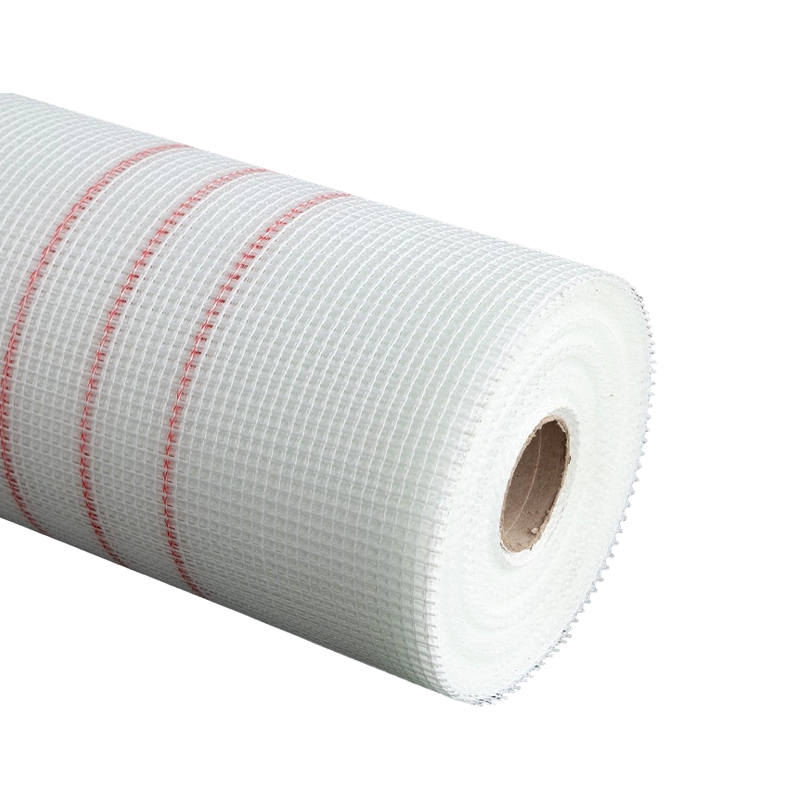 80-130g Inner Wall Fiberglass Mesh FabricMedium-weight woven fiberglass mesh for interior wall plastering and crack prevention, balancing strength and economy for general repairs where mesh tape is practical.View Product →
Key Differences at a Glance
The table below summarizes the trade-offs you will see on real jobs, from joint strength to finish quality.
| Feature | Paper Tape | Fiberglass Mesh Tape |
|---|---|---|
| Best use | Flat seams, inside corners, fire-rated walls | Small patches, cracks, quick repairs |
| Application | Bedding coat required; pressed into compound | Self-adhesive; stuck to board before coating |
| Joint strength | High in shear and normal movement | High in tensile bridging; less forgiving in movement |
| Finish quality | Smooth, ideal for Level 4–5 finishes | Can telegraph if not fully embedded |
| Fire rating | Commonly listed for rated assemblies | Not a universal substitute |
| Speed | Slower; requires bedding and finishing coats | Faster for small areas |
| Cost | Lower material cost, higher labor | Higher material cost per roll, lower labor for patches |
| Common failure | Blistering if not bedded properly | Cracking or show-through if joint moves |
 300g Alkali-Resistant Fiberglass Mesh Fabric300g/m² alkali-resistant fiberglass mesh for cement mortar environments, offering higher tensile strength than lighter mesh and suited to small repair patches where mesh is appropriate.View Product →
Common Mistakes and Buying Risks
The biggest mistake is treating mesh tape and paper tape as interchangeable. They are not. A fire-rated wall, a long butt joint, or a high-visibility living room wall usually calls for paper tape. A small garage patch or a hairline crack repair is a better fit for mesh.
- Using mesh on fire-rated joints: Always check the assembly listing. A mesh tape that is not tested for the assembly can void the rating.
- Not bedding paper tape: Paper tape must be embedded in fresh compound; if you just stick it dry, it will blister or peel.
- Over-thinning compound: Too much water weakens the bond and increases shrinkage cracks.
- Choosing the wrong mesh weight: Lightweight mesh works for patches, but heavier mesh is needed for reinforcing larger areas.
- Ignoring substrate movement: If the drywall is on a truss or a wall with known movement, paper tape and a proper joint treatment are safer.
For buyers sourcing reinforcement materials, mesh weight and alkali resistance matter. Interior drywall mesh is often in the 80–130 g/m² range, while exterior or high-stress reinforcement may use 130–160 g/m² or heavier. A supplier’s technical guide can help you match the mesh to the job; see this fiberglass mesh fabric applications, selection and installation guide for a deeper look at installation and product choice.
FAQ: Drywall Paper Tape vs Fiberglass Mesh
Here are the questions that come up most often when contractors and DIYers compare these two tapes.
Can I use fiberglass mesh tape on all drywall joints?
No. It can work on many low-stress joints, but it is not recommended for fire-rated assemblies or high-movement joints unless the assembly listing specifically allows it.
Is paper tape stronger than mesh tape?
It depends on the direction of stress. Paper tape is generally better for flat seams and normal joint movement. Mesh tape is stronger in direct tension across a crack or patch.
Does mesh tape crack over time?
It can. If the joint moves, if the mesh is not fully embedded, or if the compound is too thin, mesh tape can crack or telegraph through the finish.
Which tape is better for ceilings?
Paper tape is usually better for ceiling seams because it produces a flatter finish and handles movement more predictably. Mesh can be used for small ceiling patches.
What mesh weight is used for drywall repairs?
Most interior drywall mesh tapes use a lightweight fiberglass mesh. For larger reinforcement or exterior-related repairs, a heavier mesh such as 130–160 g/m² may be more appropriate.
Can I use paper tape and mesh tape together?
Professionals sometimes use mesh in a patch and paper on the surrounding seams, but mixing them in one joint is not recommended. Choose one system and finish it consistently.
Final Selection Checklist
Before you buy or install, run through these checks. They will keep you from choosing a tape that looks fine on day one and fails after a season of movement.
- Identify the joint type: Butt joint, tapered joint, inside corner, or patch.
- Check the fire rating: If the wall is rated, use the listed tape and compound.
- Match the tape to the finish level: Paper for a smooth Level 4–5 finish; mesh for utility patches.
- Consider movement: Use paper tape where structural movement or vibration is expected.
- Verify the reinforcement product: For mesh, confirm weight, alkali resistance, and intended application.
In short, paper tape remains the professional standard for drywall seams, while fiberglass mesh tape is a fast, effective tool for repairs. Use each where it belongs, and you will get a stronger wall with fewer callbacks.
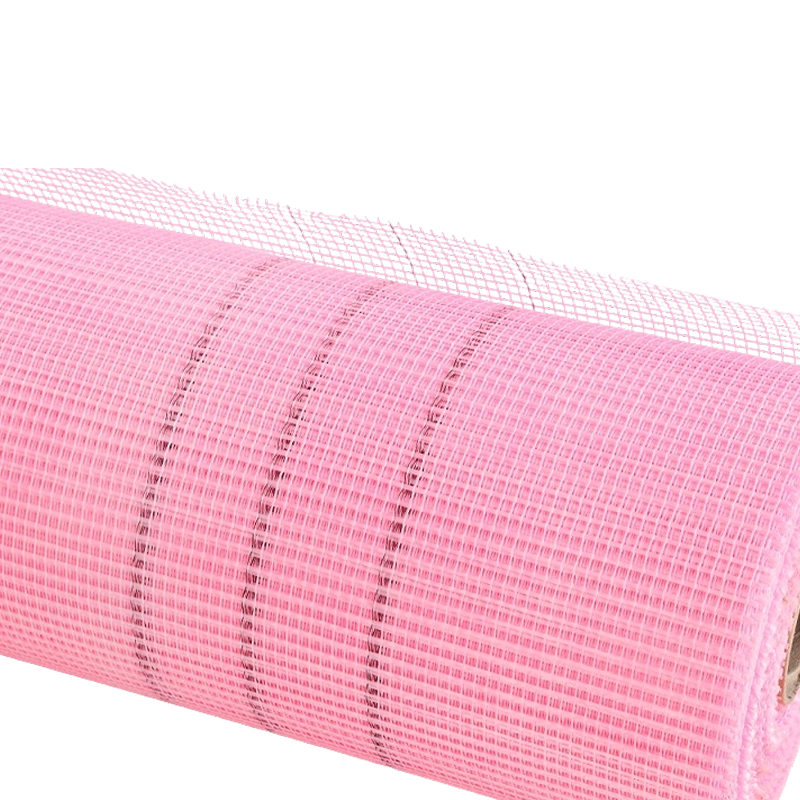 130-160g Outer Wall Fiberglass Mesh FabricAlkali-resistant woven fiberglass mesh for exterior wall insulation, available in standard and reinforced types for crack resistance in alkaline cement environments.View Product →