English
 中文简体
中文简体 Español
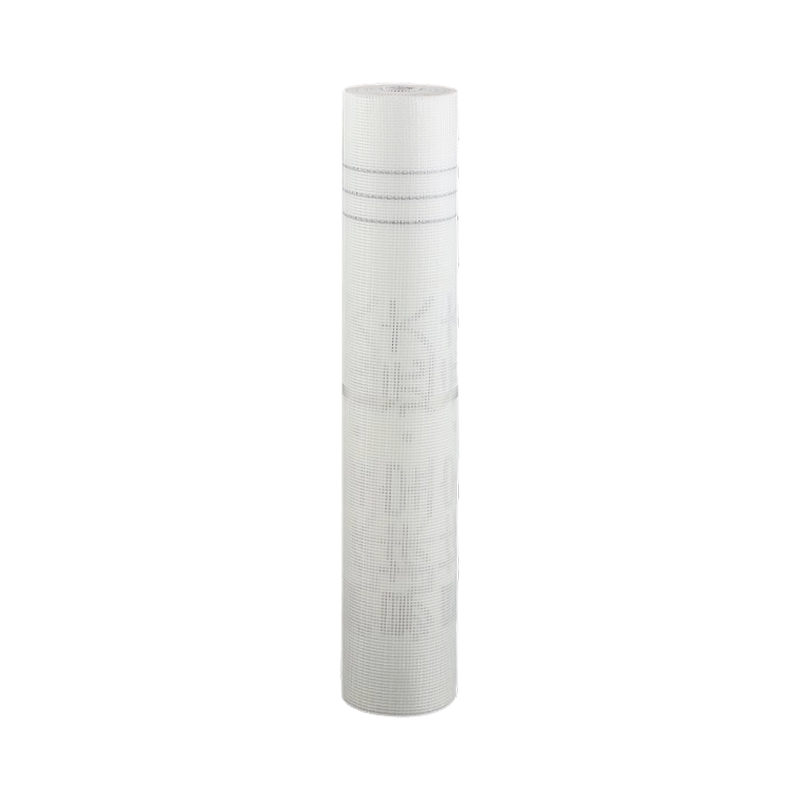
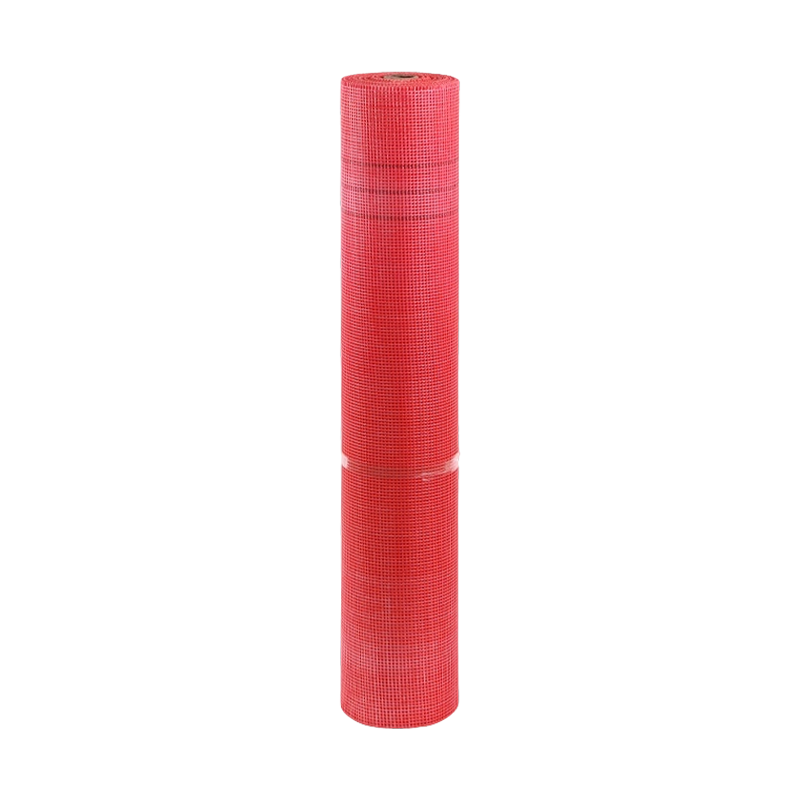
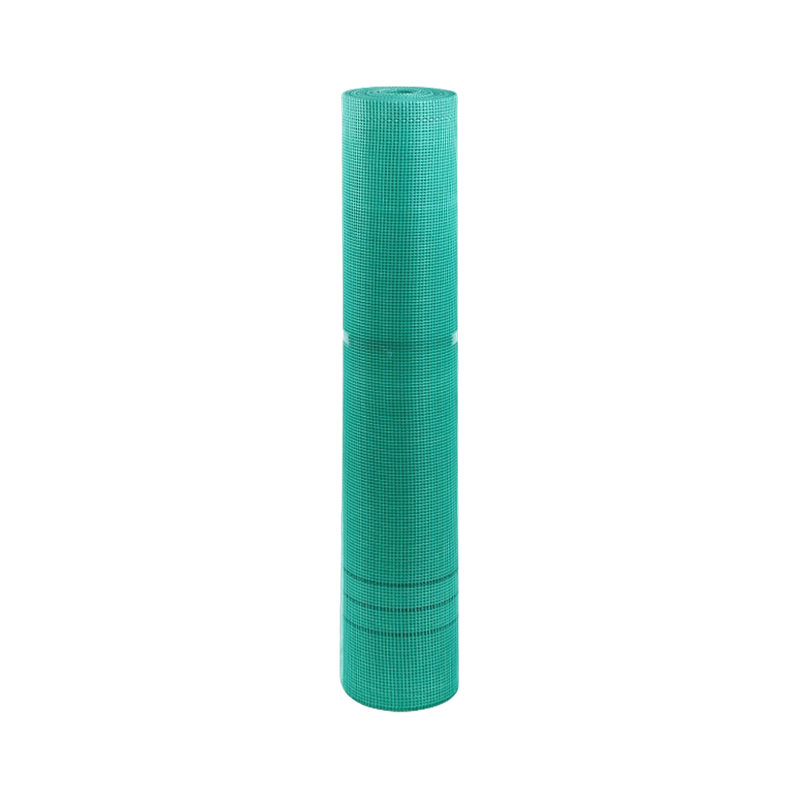
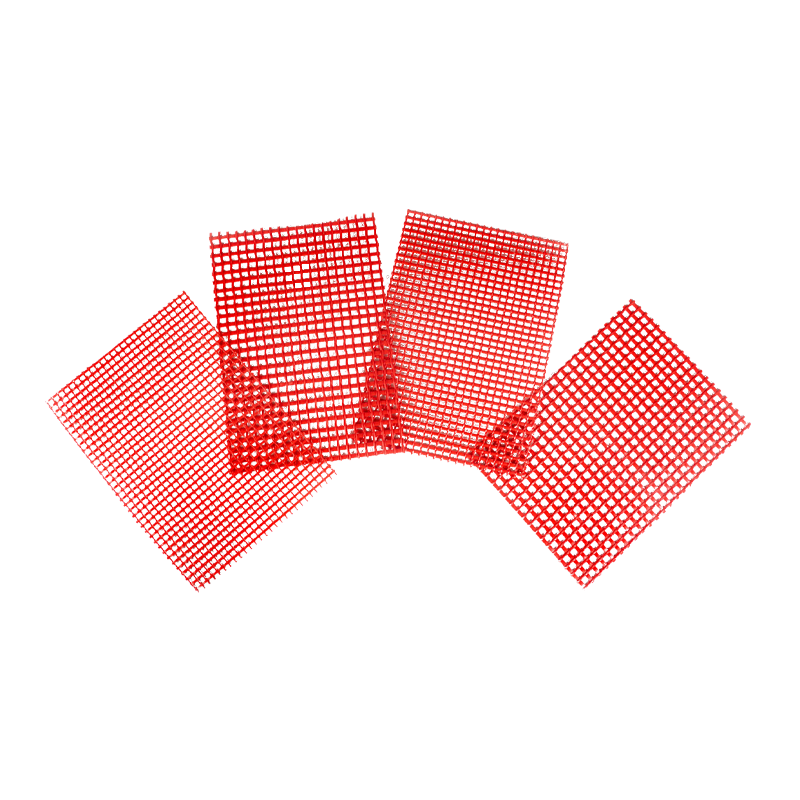
Coated fiberglass mesh is a woven glass-fiber fabric treated with a protective coating—most often alkali-resistant latex, PTFE, or epoxy—that bonds the yarns, seals the weave, and adds resistance to alkali, moisture, UV, and abrasion. The coating, not the glass alone, decides where the mesh can survive and how long it will perform.
If you are comparing suppliers, start with three facts: coating chemistry, mesh weight, and intended substrate. A 130 g/m² exterior wall mesh with AR latex is not interchangeable with a 300 g/m² mesh or an epoxy-coated cloth used in electrical insulation. The mesh size, yarn type, coating pick-up, and roll quality all affect crack resistance, tensile strength, and installation behavior. This guide explains the differences, shows what to inspect before ordering, and helps you avoid the common mismatch between a low-cost mesh and a demanding job site.
Content
What Coated Fiberglass Mesh Is and Why the Coating Matters
Coated fiberglass mesh is a reinforcement fabric whose performance depends as much on the coating as on the woven glass core. The base fabric is made from continuous glass fiber yarns, woven into a grid and then passed through a coating bath or finishing line. Without a coating, the yarns can fray, slip, and lose strength when exposed to cement, moisture, or handling.
The coating performs four practical jobs. First, it locks the weave so the mesh keeps its square openings during cutting and embedding. Second, it protects the glass against alkaline attack from cement mortars and renders. Third, it improves flexibility so the mesh can conform to corners, curves, and uneven substrates. Fourth, it can add specific properties such as electrical insulation, heat resistance, or fire behavior.
For buyers, the important point is that coating weight and uniformity are not cosmetic. A thin or patchy coating leaves exposed glass filaments that can fail early. A heavy but brittle coating may crack during rolling or installation. The right balance depends on the application, not on a single “best” coating.
Common Coating Types and How They Compare
The fastest way to choose a coated fiberglass mesh is to match the coating chemistry to the environment it will face. There is no universal coating that wins on every substrate, budget, and service life.
Alkali-resistant latex coatings
Alkali-resistant latex is the standard choice for exterior and interior wall reinforcement because it resists the alkaline chemistry of cement-based mortars. It is flexible, easy to cut, and cost-effective for large facade and plastering projects. Typical mesh weights range from 80 g/m² for interior joints to 130–160 g/m² for exterior walls and insulation systems.
PTFE and fluoropolymer coatings
PTFE and fluoropolymer coatings are chosen for architectural fabrics, shading, and harsh chemical or high-temperature exposure. They provide excellent UV stability and a low-friction surface that resists dirt and moisture. These meshes are usually more expensive and are not the first choice for embedding in cementitious mortar.
Epoxy and resin coatings
Epoxy and resin coatings are used where mechanical strength, electrical insulation, or composite bonding matters. Epoxy-coated glass mesh can be laminated with resins, used in GFRP mesh sheets, or applied in transformer and motor insulation. It offers high tensile strength and good dimensional stability, but it is less flexible than latex-coated wall mesh.
| Coating type | Best suited for | Key advantage | Main limitation |
|---|---|---|---|
| Alkali-resistant latex | Exterior walls, interior plaster, insulation systems | Good alkali resistance and flexibility at moderate cost | Limited UV resistance before covering; not for electrical insulation |
| PTFE / fluoropolymer | Architectural facades, shade structures, chemical exposure | Excellent UV and weather resistance | Higher cost; not ideal for embedding in mortar |
| Epoxy / resin | GFRP sheets, composite reinforcement, transformer parts | High strength, stiffness, and electrical insulation | Less flexible; needs compatible resin system |
How to Choose the Right Mesh for Your Application
Choose by application first, then confirm coating, weight, mesh size, and roll length against the actual substrate and climate. A mesh that works on an interior gypsum wall will not automatically work on an exterior insulated facade.
For exterior wall reinforcement, use an alkali-resistant mesh with a weight around 130–160 g/m² and a mesh size that embeds fully in the base coat. It should resist cracking from thermal movement and impact. A product such as the 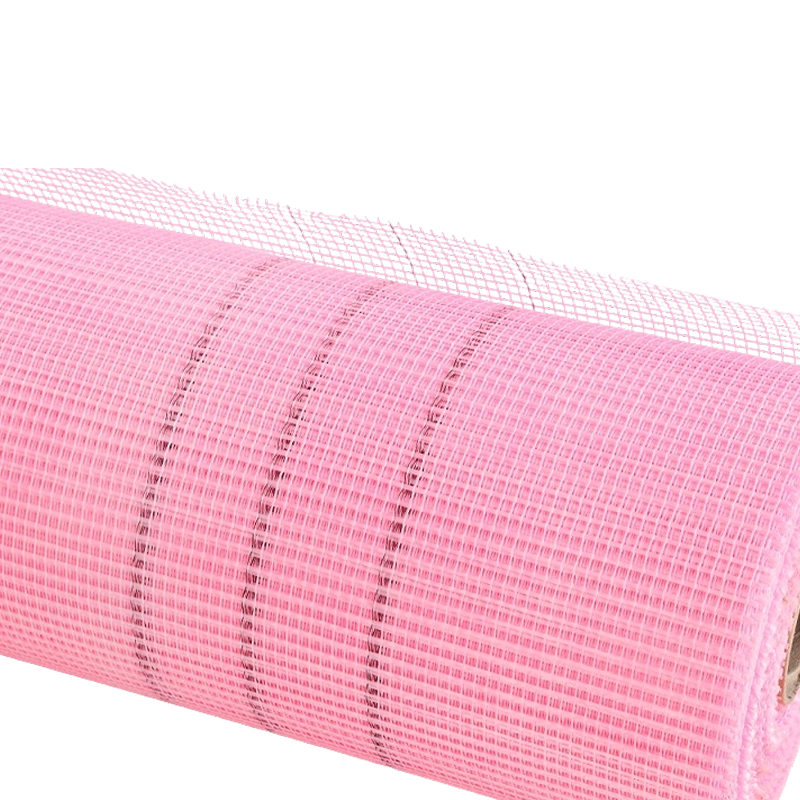 130–160 g/m² Alkali-Resistant Fiberglass Mesh for Exterior Wall InsulationDesigned for exterior wall insulation systems, this alkali-resistant mesh provides crack resistance and tensile strength where coating stability matters more than low price.View Product → is designed for this exterior role, where coating stability and tensile strength matter more than low price.
For interior walls and ceiling joints, a lighter 80–130 g/m² mesh is usually sufficient. It must still be alkali-resistant because gypsum and patching compounds can be alkaline. The 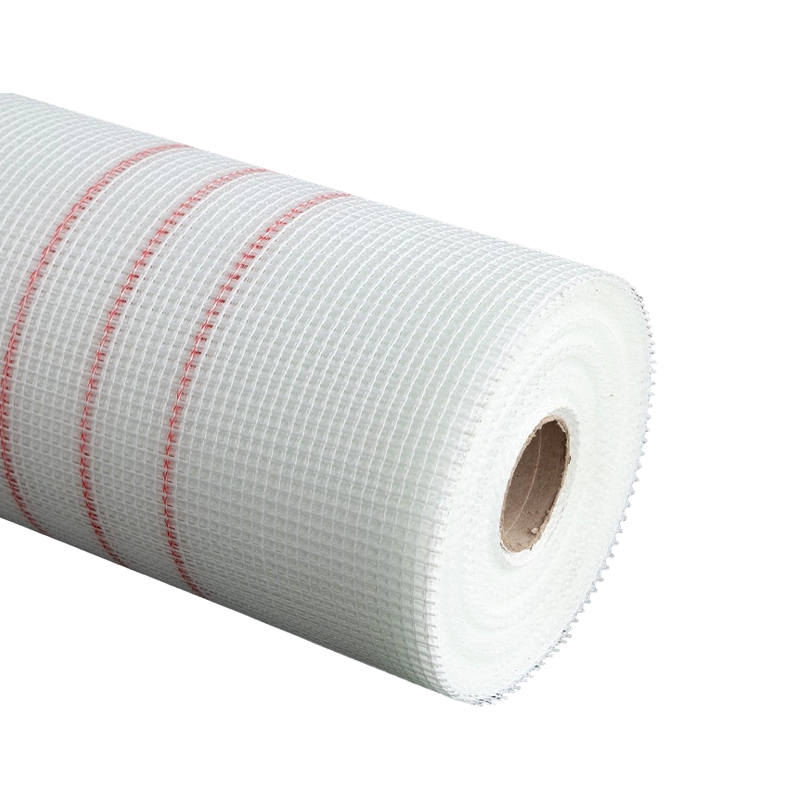 80–130 g/m² Alkali-Resistant Fiberglass Mesh for Interior Wall ReinforcementFor interior wall and ceiling reinforcement, this lightweight mesh balances strength and economy while resisting alkaline gypsum and patching compounds in joint applications.View Product → is intended for these interior reinforcement and joint applications.
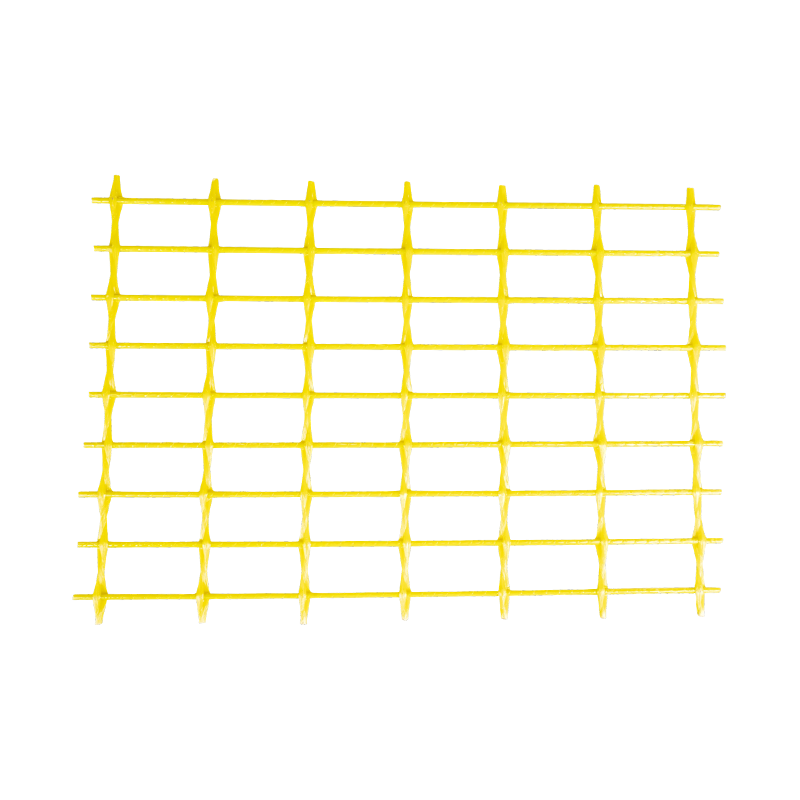
For composite and electrical uses, the decision changes. An epoxy-coated glass fiber mesh cloth can be combined with epoxy resin for laminates, GFRP mesh sheets, or transformer insulation. It should be evaluated by resin compatibility, dielectric strength, and heat class rather than by mortar embedment. For these demanding applications, 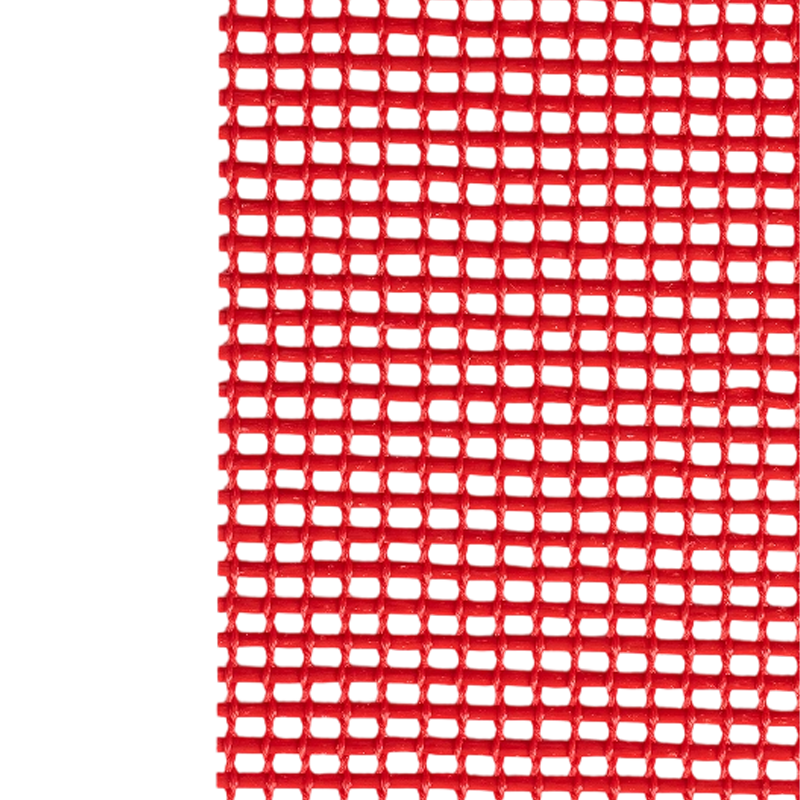 Epoxy Glass Fiber Mesh Cloth for Dry-Type Transformer InsulationFor composite and electrical applications, this epoxy-impregnated mesh supports transformer insulation with high strength, dielectric performance, and Class H heat resistance.View Product → offers an epoxy-compatible glass mesh option.
A practical selection table helps narrow the field before samples arrive.
| Application | Typical weight | Preferred coating | Critical check |
|---|---|---|---|
| Exterior wall / EIFS | 130–160 g/m² | Alkali-resistant latex | Alkali resistance and coating pick-up |
| Interior wall / joints | 80–130 g/m² | Alkali-resistant latex | Mesh size and flexibility |
| GFRP / composite sheet | 200–300 g/m² or higher | Epoxy / resin | Resin compatibility and tensile strength |
| Transformer insulation | Project-specific | Epoxy | Dielectric and heat class |
Installation and Handling Practices That Prevent Failures
Most coated fiberglass mesh failures come from installation and storage, not from the mesh itself. Correct overlap, embedding, and curing prevent the cracks the mesh is meant to stop.
Follow the manufacturer’s embedment depth and overlap requirements. As a rule, overlap horizontal and vertical joints by at least 50–100 mm, depending on the system. Press the mesh into the fresh base coat with a stainless steel trowel, working from the center outward to avoid wrinkles. Do not press so hard that the coating is damaged or the mesh sits too deep.
Keep rolls dry, shaded, and off concrete floors. UV exposure before covering can degrade some latex coatings, so do not leave mesh exposed on scaffolding for weeks. Cut with sharp blades or scissors; dull tools pull yarns and create weak edges. For exterior work, apply the finish coat only after the base coat has cured enough to hold the mesh without movement. A detailed installation guide can help crews standardize overlaps and embedment on site.
- Check substrate flatness and remove loose material before embedding.
- Use the specified base coat; do not thin it beyond the supplier’s limit.
- Overlap edges and ends; never butt joints in exterior reinforcement.
- Embed the mesh fully, then avoid reworking the same area repeatedly.
- Protect completed work from rain, freezing, and direct sun until cured.
Quality Checks and Purchasing Risks
Incoming inspection is the cheapest way to avoid a costly mesh failure. Test the roll against the order specification before it reaches the wall or the production line.
Verify weight per square meter, mesh count, yarn type, coating type, tensile strength, and alkali resistance. Coating pick-up should be consistent across the roll, with no bare glass patches, streaks, or heavy lumps. Measure roll width, length, and core diameter. Check that the mesh lies flat and does not telescope or crease when unrolled. For epoxy-coated mesh, confirm resin compatibility, dielectric properties if relevant, and storage conditions.
Common purchasing risks include substituting a lighter weight for a heavier specified mesh, reducing coating weight to cut cost, changing yarn from continuous filament to weaker alternatives, and inconsistent roll lengths. Another risk is using exterior-grade mesh indoors or vice versa without checking alkali and flexibility needs. If a supplier cannot provide batch records, coating data, or samples from the same production lot, treat the price as incomplete. Additional technical resources can help buyers build a simple incoming inspection checklist.
| Check item | What to verify | Why it matters |
|---|---|---|
| Weight | g/m² within agreed tolerance | Directly affects tensile and crack resistance |
| Mesh count | Openings per inch or cm match specification | Controls embedment and coating adhesion |
| Coating | Uniform color, no bare spots, correct chemistry | Determines alkali, UV, and insulation performance |
| Roll quality | Flat, even tension, correct length and width | Reduces waste and installation defects |
| Documents | Batch record, test report, storage advice | Supports traceability and warranty claims |
FAQ
Is coated fiberglass mesh the same as fiberglass mesh tape?
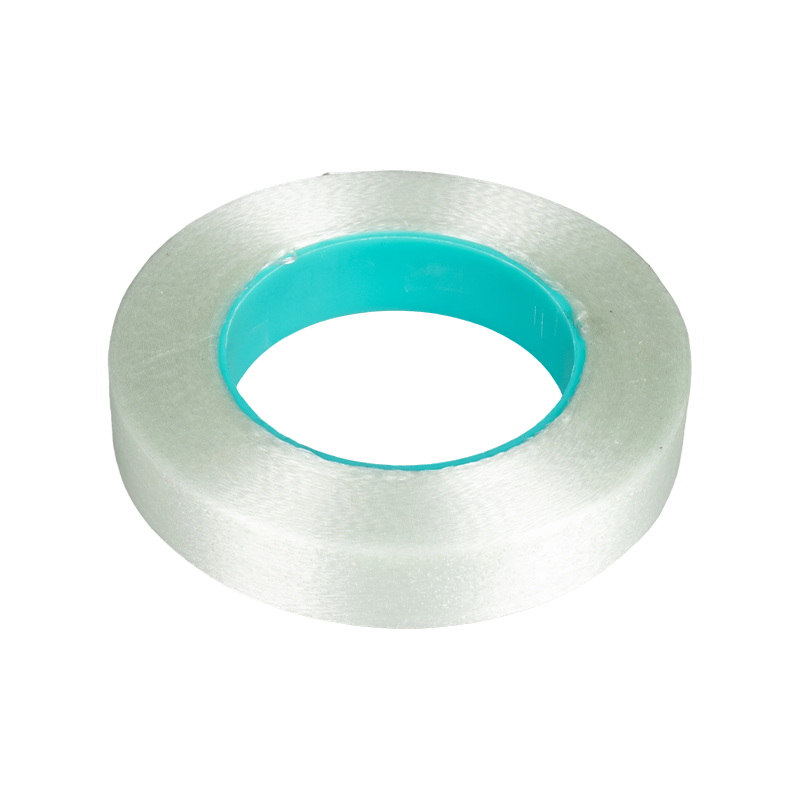
No. Mesh tape is a narrow, often self-adhesive strip for drywall joints, while coated fiberglass mesh is usually supplied in wider rolls for wall reinforcement, insulation systems, or composite use. The coating and weight differ by application.
Which coating is best for exterior walls?
Alkali-resistant latex is the usual best choice for exterior walls because it resists cement alkalinity and remains flexible. PTFE is better for facades and shade fabrics, while epoxy is better for composites and electrical insulation.
Can I use exterior mesh indoors?
You can, but it is often unnecessary and may be harder to finish. Interior joints normally need a lighter 80–130 g/m² alkali-resistant mesh with good flexibility.
How do I know if the coating is sufficient?
Look for uniform color and no exposed glass fibers. Ask for coating pick-up data and run a simple rub test; if the coating flakes or the mesh sheds glass dust, reject the roll.
Does mesh weight determine crack resistance?
Weight is important, but yarn strength, mesh geometry, coating quality, and embedment also determine crack resistance. A heavy mesh with poor coating can fail earlier than a well-made lighter mesh.
Coated fiberglass mesh works when the coating, weight, and installation method match the job. For exterior walls, start with an alkali-resistant 130–160 g/m² mesh and inspect coating uniformity. For interior work, choose a lighter flexible mesh. For composites or electrical insulation, switch to an epoxy-compatible glass mesh and verify resin and dielectric requirements. The cheapest roll is rarely the lowest-cost solution once rework, callbacks, and material failures are counted.