English
 中文简体
中文简体 Español
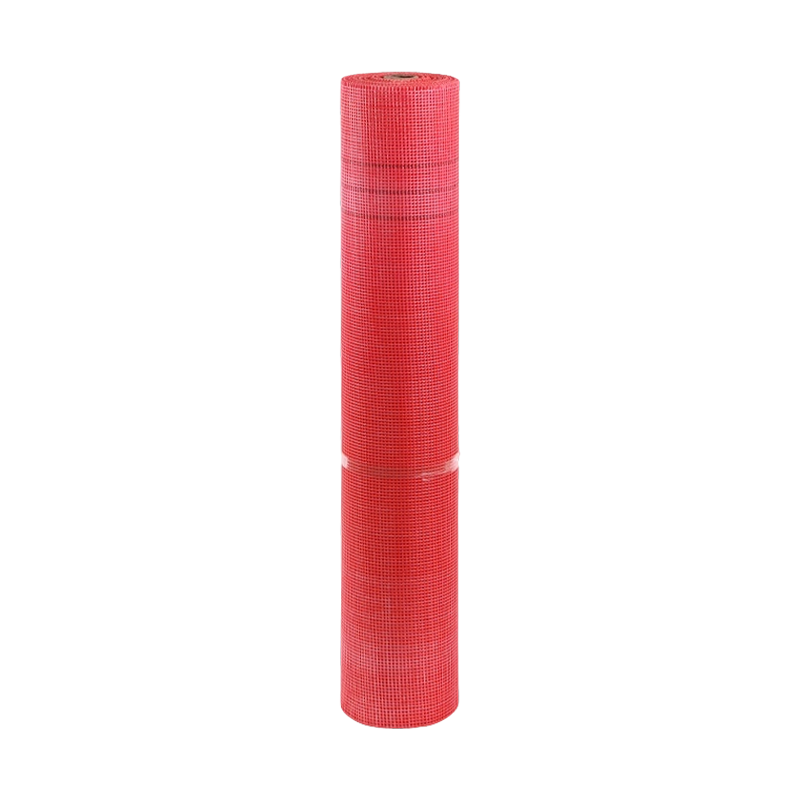
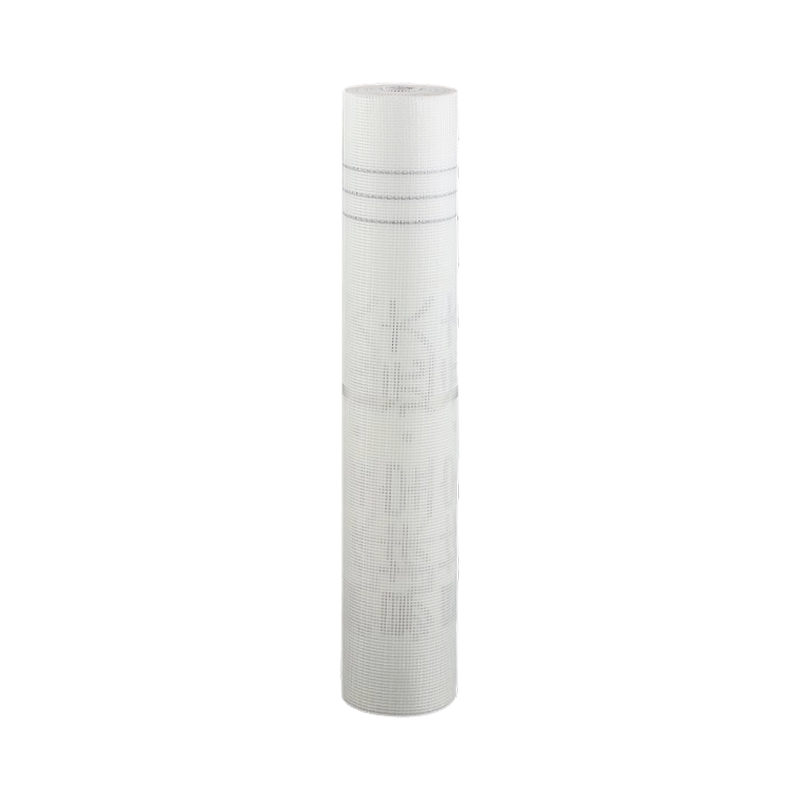
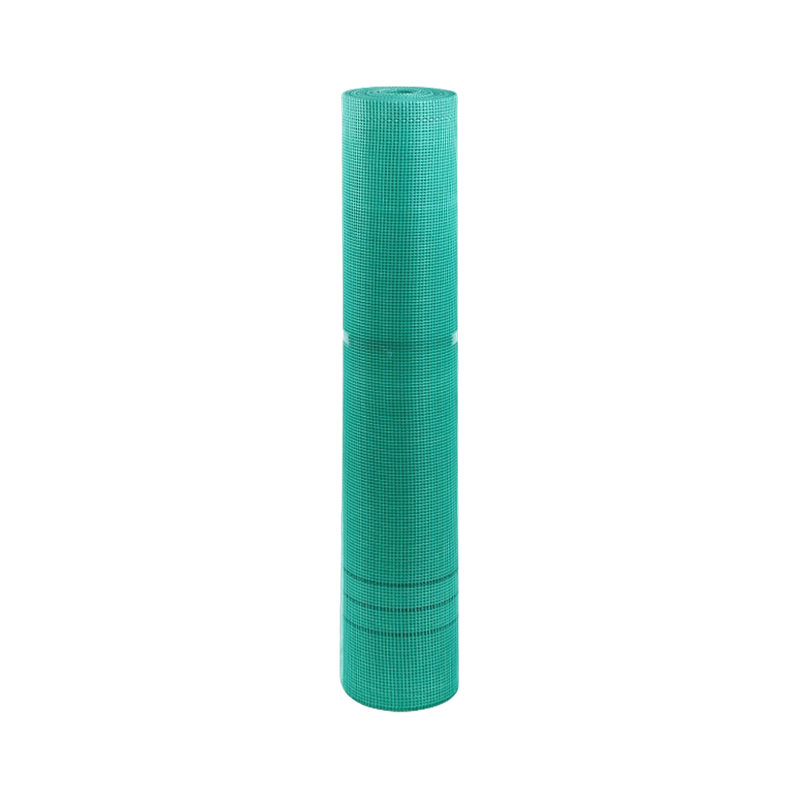
China roofing fiberglass mesh is an alkali-resistant woven glass fiber reinforcement used in roofing waterproofing, mortar, and concrete systems. The right choice depends primarily on mesh weight (usually 130–300 g/m²), alkali resistance (retained strength after alkaline exposure), and the supplier’s consistency in production and testing.
Content
- 1 What Is China Roofing Fiberglass Mesh?
- 2 Key Specifications That Define Roofing Mesh Performance
- 3 Why Alkali Resistance Matters in Roofing Reinforcement
- 4 How to Choose a Reliable Chinese Fiberglass Mesh Manufacturer
- 5 Common Roofing Applications for Fiberglass Mesh
- 6 Practical Selection Checklist
- 7 Frequently Asked Questions
What Is China Roofing Fiberglass Mesh?
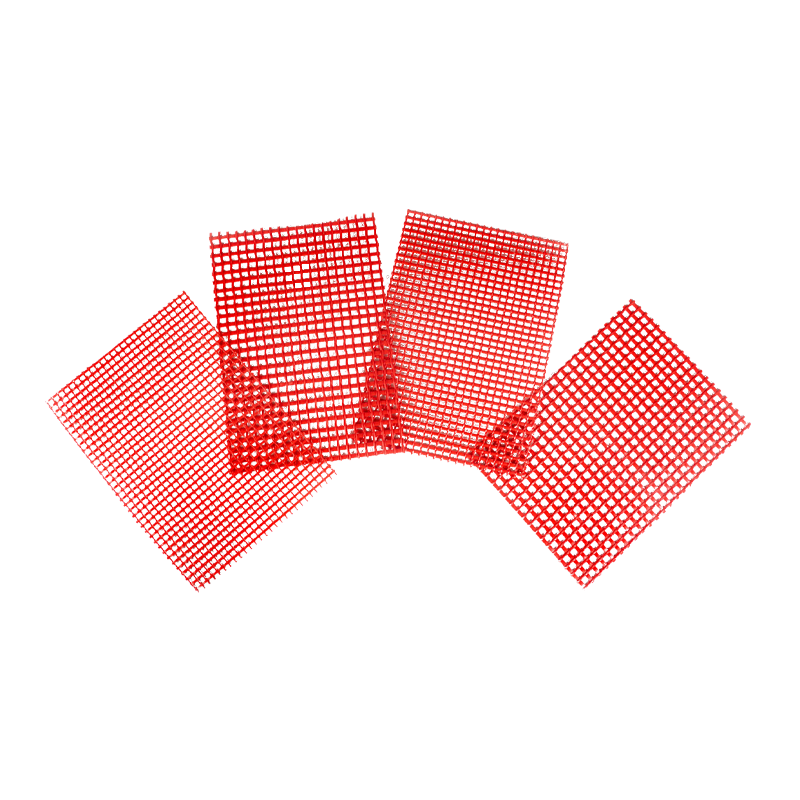
Roofing fiberglass mesh is a grid fabric made from alkali-resistant (AR) glass fibers, woven into a stable open mesh and then coated with a polymer dispersion for handling and chemical resistance. It is embedded in cement-based and bituminous roofing layers to absorb tensile stress, prevent crack reflection, and extend the life of waterproofing membranes.
Unlike standard textile mesh, roofing-grade mesh must withstand high alkalinity from cement and mortar. Chinese manufacturers produce it in rolls, typically 1 m wide and 50 m long, with weights from 80 g/m² for interior plaster to 300 g/m² for heavy-duty roofing systems.
Key Specifications That Define Roofing Mesh Performance
When evaluating China roofing fiberglass mesh, focus on four measurable parameters: weight, mesh size, tensile strength, and alkali resistance. These values directly affect how the mesh performs under mechanical stress and alkaline attack.
| Parameter | Typical Range | Why It Matters |
|---|---|---|
| Weight | 130–300 g/m² | Heavier mesh provides more reinforcement and better impact resistance. |
| Mesh opening | 4×4 mm to 10×10 mm | Finer mesh distributes stress more evenly; larger mesh allows better mortar penetration. |
| Tensile strength (warp/weft) | ≥ 45 N/cm for 160 g; ≥ 80 N/cm for 300 g | Indicates how much pulling force the mesh can withstand before tearing. |
| Alkali resistance (retained strength) | ≥ 65% after 28 days in alkaline solution | Predicts long-term durability inside cementitious systems. |
Many Chinese factories, including Zhejiang Yuanda Fiberglass Mesh Co., Ltd., offer mesh in 80/130 g, 130/160 g, and 300 g versions. For roofing, 130/160 g is often the minimum, while 300 g is specified for heavy traffic or industrial roofs.
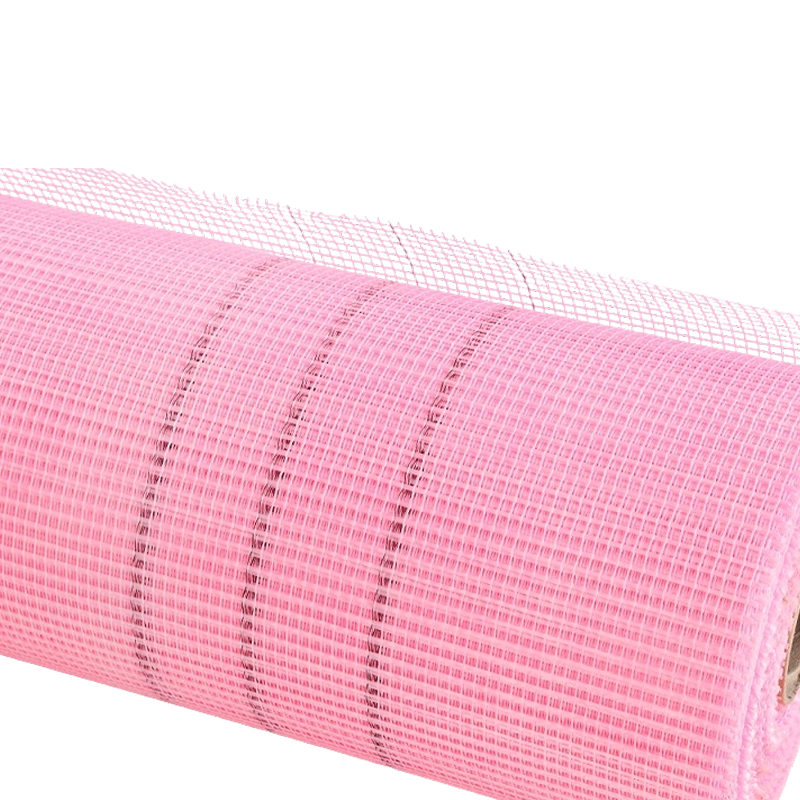 130-160g Alkali-Resistant Fiberglass Mesh for Exterior WallsDesigned for exterior insulation systems, this mesh contains zirconia for alkali resistance, retaining strength in high-pH environments. It offers reliable crack prevention for walls and is the minimum grade recommended for roofing applications.View Product →
Why Alkali Resistance Matters in Roofing Reinforcement
Cement and lime-based compounds create a highly alkaline environment (pH 12–13) that can corrode ordinary glass fibers. Standard E-glass loses most of its strength within months, while AR glass containing zirconia retains a significant portion of its mechanical properties. Roofing mesh must therefore use AR glass and a protective coating to maintain structural integrity for decades.
When checking product data, ask for retained tensile strength after alkaline immersion. A good China roofing fiberglass mesh retains at least 65% of its initial strength after 28 days in a saturated calcium hydroxide solution. Suppliers who provide third-party test reports demonstrate higher reliability for export projects.
How to Choose a Reliable Chinese Fiberglass Mesh Manufacturer
Selecting a supplier is as important as selecting the product itself. A consistent production process, clear testing procedures, and export experience reduce project risk. Here are the criteria I recommend checking:
- Production capacity: A factory with 30,000+ m² of plant space and over 200 employees, like Yuanda, usually has tighter process control.
- Quality certificates: ISO 9001, CE, or other international certifications indicate an established quality management system.
- Sample testing: Request a pre-shipment sample and test actual weight, mesh count, and tensile strength in your own lab.
- Coating quality: The polymer coating must be uniform and fully cured; poor coating causes fraying during cutting and installation.
- Export experience: Suppliers near major ports (Shanghai, Ningbo) handle international logistics more efficiently.
You can also review a practical guide on fiberglass mesh applications, selection, and installation for more detailed advice.
fiberglass mesh applications, selection, and installation guide
Common Roofing Applications for Fiberglass Mesh
Roofing fiberglass mesh is used wherever a cementitious or bituminous layer needs extra reinforcement. The most frequent applications include:
- Modified bitumen waterproofing membranes: the mesh is embedded in the membrane during production or applied as a separate reinforcing layer.
- Cement mortar protective layers: a mesh sheet is placed in the mortar to prevent shrinkage cracks and impact damage.
- Thermal insulation systems: reinforcing the protective base coat over EPS or rock wool boards.
- Concrete roof decks: controlling plastic shrinkage cracks in fresh concrete.
- Prefabricated roofing panels: producing thin, strong cement panels for roofing units.
For heavy-duty commercial or industrial roofs, a 300 g mesh provides higher tensile strength and better impact resistance. For residential waterproofing, 130/160 g mesh is usually sufficient.
 300g Heavy-Duty Fiberglass Mesh for Commercial RoofsWith a higher unit area mass, this reinforced mesh delivers superior tensile strength and puncture resistance, making it suitable for heavy-duty commercial or industrial roofing and exposed membranes where enhanced durability is required.View Product →
Practical Selection Checklist
- Confirm the required weight: use 130–160 g for standard waterproofing; 300 g for high-traffic or exposed roofing.
- Check the alkali resistance: request a retained strength value ≥ 65% after alkaline immersion.
- Verify the coating: the mesh should feel slightly stiff, without resin clusters or powder fall-off.
- Inspect the roll: edge straightness, uniform width, and consistent tension matter during installation.
- Ask for production documents: batch records, quality certificates, and shipping marks.
- Calculate cost per square meter, not per roll, to compare supplier offers fairly.
Frequently Asked Questions
What is the best weight for roofing fiberglass mesh?
For most residential roofing, 160 g/m² is a reliable balance. For commercial, industrial, or exposed waterproofing membranes, 300 g/m² offers noticeably higher strength and puncture resistance.
Can I use interior wall mesh for roofing?
Interior mesh is typically 80–130 g/m² and may have lower alkali resistance. It is not designed for the higher mechanical and chemical stress of roofing systems, so always choose a roofing-grade mesh.
How can I test a fiberglass mesh sample?
Weigh a known area to confirm grammage, count warp/weft strands over 10 mm, and pull a strip to measure tensile strength. For alkali resistance, immerse a sample in a saturated lime solution for 28 days and test retained strength.
How long does China roofing fiberglass mesh last?
When properly embedded in a compatible layer, AR glass mesh can last as long as the building envelope, typically 20–30 years or more. The coating and matrix quality are the controlling factors.
Choosing the right China roofing fiberglass mesh is a matter of matching the product’s weight, alkali resistance, and coating quality to your specific roofing system. Work with a manufacturer that can provide consistent production, transparent test data, and reliable export logistics. Start by defining the mechanical requirements of your project, then evaluate suppliers against those parameters.