English
 中文简体
中文简体 Español
A rooftop terrace leaks nine months after a fresh waterproofing job. The coating looks intact, but a hairline crack in the slab has opened a path through the membrane. This is not a coating failure—it is a reinforcement failure. Fiberglass mesh for waterproofing is an alkali-resistant glass-fiber fabric embedded in a liquid-applied or cementitious membrane to absorb tensile stress and bridge movement cracks before water can travel through. Choose the right mesh and install it correctly, and the membrane can outlast an unreinforced one by years; skip it, and you are betting on a thin coating's ability to stretch—a bet most coatings lose.
Content
Why Fiberglass Mesh Is Essential in Waterproofing Systems
Reinforced membranes fail far less often than unreinforced ones, because the mesh absorbs the movement that cracks the coating. Concrete shrinks during curing, expands and contracts with temperature, and develops hairline cracks from load and settlement. A waterproofing coating is a thin continuous film; when the substrate opens beneath it, the film must stretch far beyond its elastic limit. Most films tear at 0.1–0.3 mm of movement.
Fiberglass mesh solves this by distributing localized stress across a wider area. A 0.2 mm substrate crack becomes a gentle deformation across the mesh instead of a rupture in the membrane—the same principle as reinforcing bars in concrete, but working in two directions.
Alkali resistance is what makes glass fiber the right material. Cement and cementitious coatings create an alkaline environment with a pH of 12–13, which attacks ordinary glass and makes it brittle within months. Alkali-resistant (AR) fiberglass contains zirconia, typically 16–20% by weight, which protects the filaments inside cement. If a roll of mesh has no documented zirconia content, treat it as non-AR and keep it out of cement-based systems.
- Prevents reflective cracking from reaching the membrane surface
- Adds tear and puncture resistance to the waterproofing layer
- Keeps membrane thickness even around corners and fittings
- Improves adhesion of subsequent coating layers
Key Specifications That Determine Performance
Four numbers control whether a fiberglass mesh performs or fails: alkali resistance, tensile strength, aperture size, and mass per square meter. Buyers often ask for fiberglass mesh generically, but two rolls that look identical can differ by several times in strength and gram weight.
| Application | Aperture | Typical Gram Weight | What It Does |
|---|---|---|---|
| Interior walls, thin plaster | 2×2 to 3×3 mm | 80–130 g/m² | Controls fine hairline cracks with a low profile |
| Exterior walls, facade base coats | 4×4 to 5×5 mm | 130–160 g/m² | Stops render movement from cracking the membrane |
| Roofs, terraces, high-movement slabs | 5×5 to 10×10 mm | 160–300 g/m² | Absorbs larger thermal and structural movement |
Alkali resistance is the first thing to verify. Ask for the zirconia content and an alkaline-immersion test report. A common benchmark is strength retention after 28 days in alkaline solution, and results above 70% are what serious suppliers document.
Tensile strength is usually stated in N/5 cm or N/cm, separately for warp and weft. Check both directions—a mesh that is strong lengthwise and weak across the width will split under two-way stress.
Aperture size changes the reinforcement mechanism. Smaller apertures of 2×2 to 4×4 mm spread stress finely and suit thin membranes and plaster; larger apertures of 5×5 to 10×10 mm let coatings penetrate freely but bridge less effectively, so they belong in thicker systems.
Mass per square meter is the fastest quality indicator. Light meshes of 40–80 g/m² work for low-stress interior jobs, while heavy meshes of 160–300 g/m² are justified on roofs and high-traffic surfaces.
How to Choose the Right Fiberglass Mesh for Waterproofing
Start with the application area, then match substrate movement, coating system, and exposure. A full fiberglass mesh selection and installation guide is available to walk through these variables in detail.
Exterior Walls and Facade Base Coats
Exterior walls need a 130–160 g/m² mesh with a 4×4 or 5×5 mm aperture, because render and base coats shrink and move enough to tear thin membranes. This is the most common specification in facade waterproofing and insulation systems.
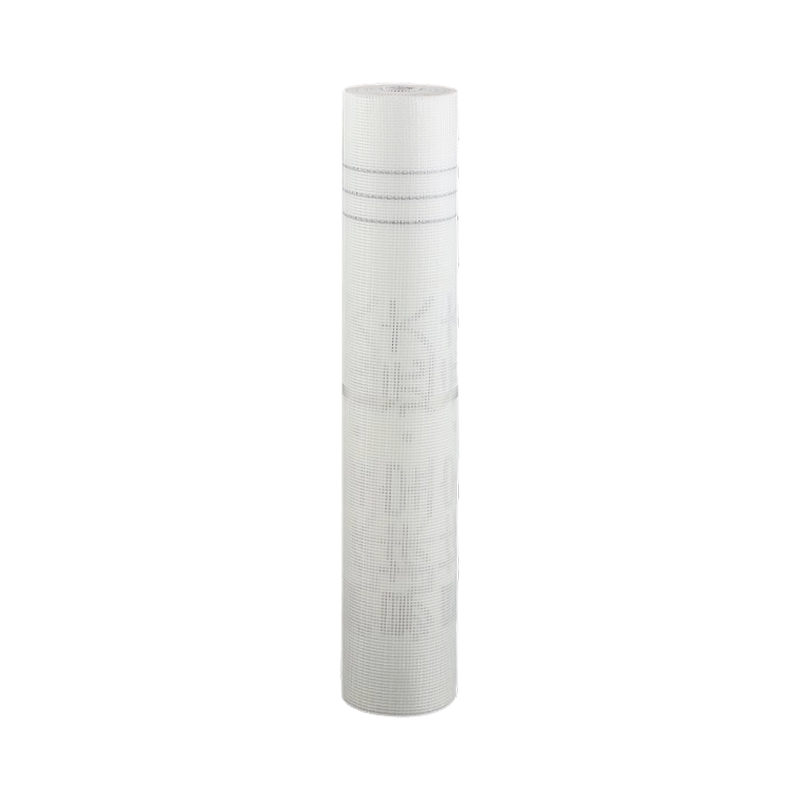
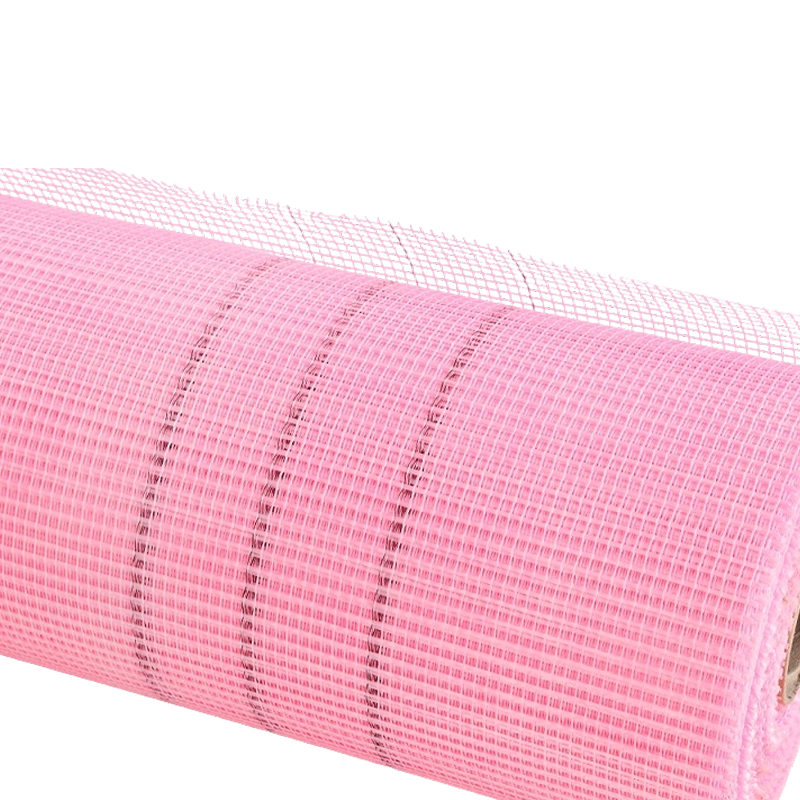 130-160g Alkali-Resistant Fiberglass Mesh for Exterior WallsThis exterior wall mesh is specified for 130–160 g/m² reinforcement with a 4×4 or 5×5 mm aperture, matching the required strength for facade systems. Its high alkali resistance and tensile strength suit render and base coat movement.View Product →
Interior Walls and Thin Plaster
Interior walls with thin plaster need a lighter 80–130 g/m² mesh with a finer aperture, because movement is smaller and the plaster profile is tight. A heavy mesh would stand proud of the surface and create finishing problems.
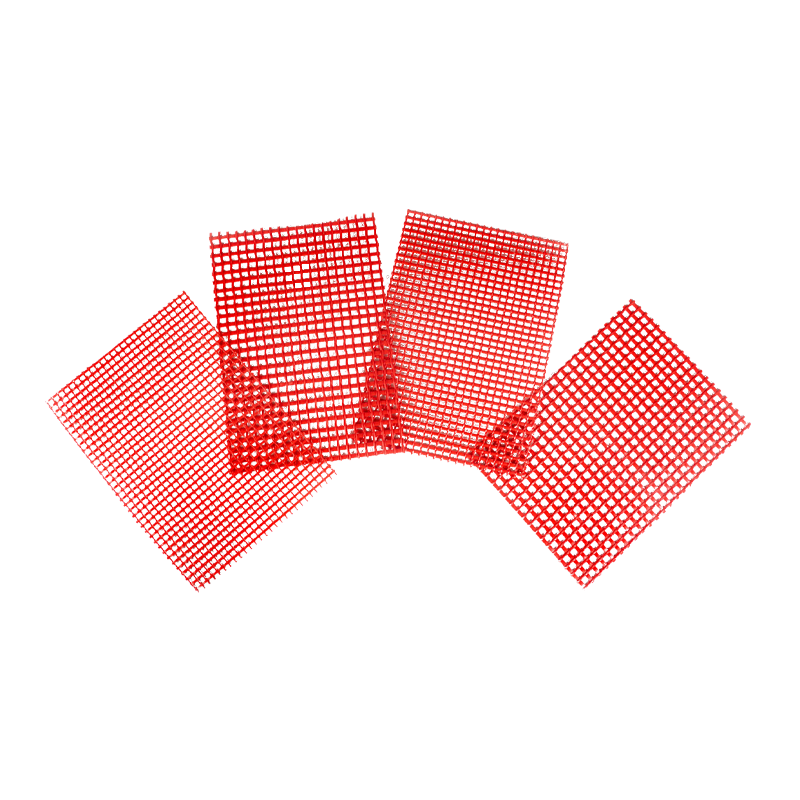
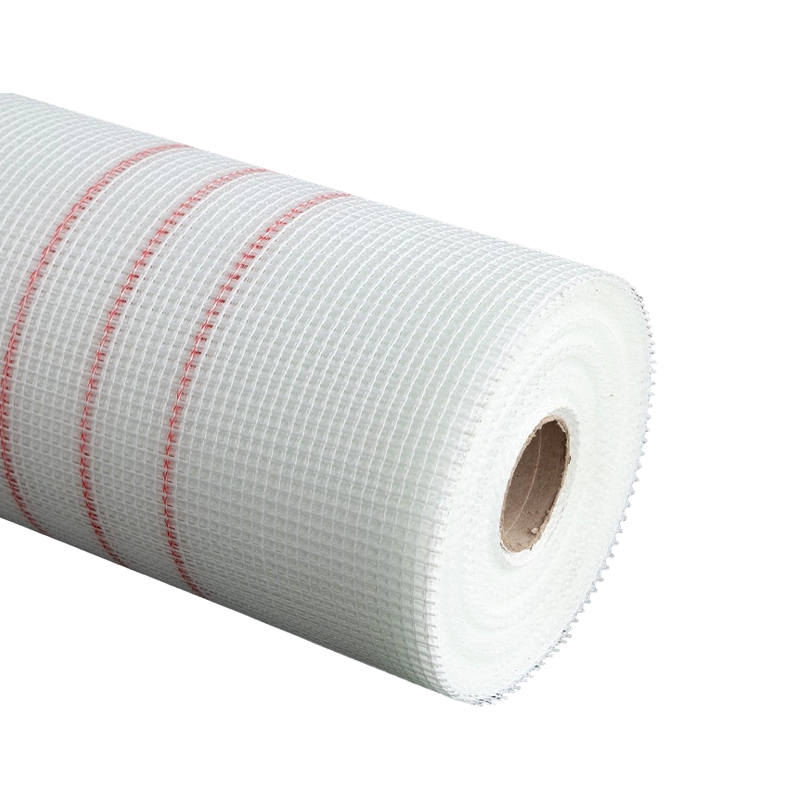 80-130g Lightweight Fiberglass Mesh for Interior PlasterDesigned for interior walls with thin plaster, this 80–130 g/m² mesh offers a finer aperture to keep surfaces flat. It balances strength and flexibility, making it easy to work with while preventing cracks in tight plaster profiles.View Product →
Roof Decks, Terraces, and High-Movement Surfaces
Roofs and exposed terraces need a heavy 300 g/m² mesh with a larger aperture, because thermal swings create larger and more frequent movement cycles. The extra gram weight translates directly into crack-bridging capacity.
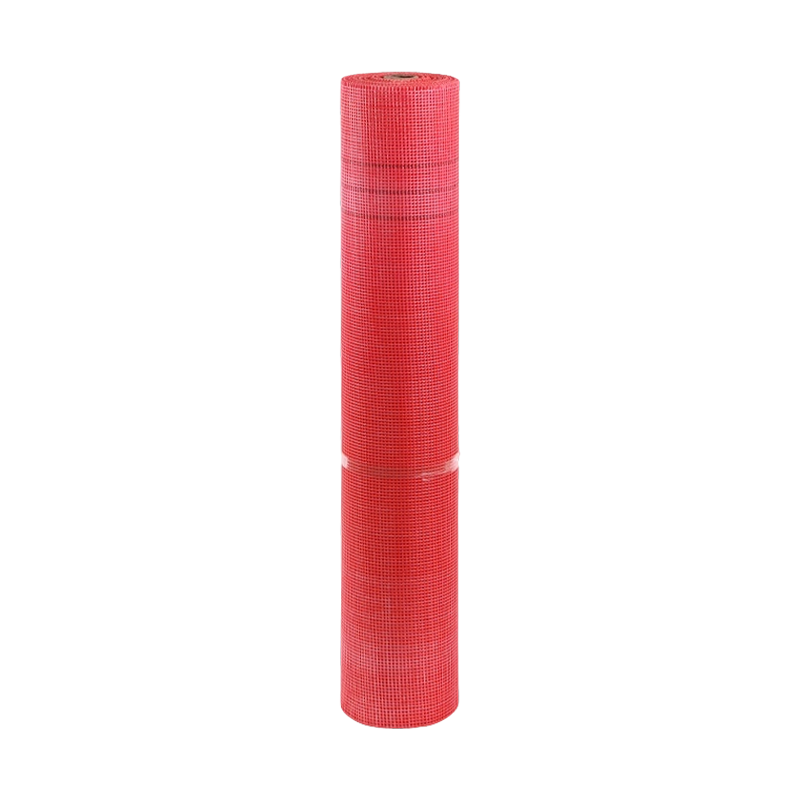
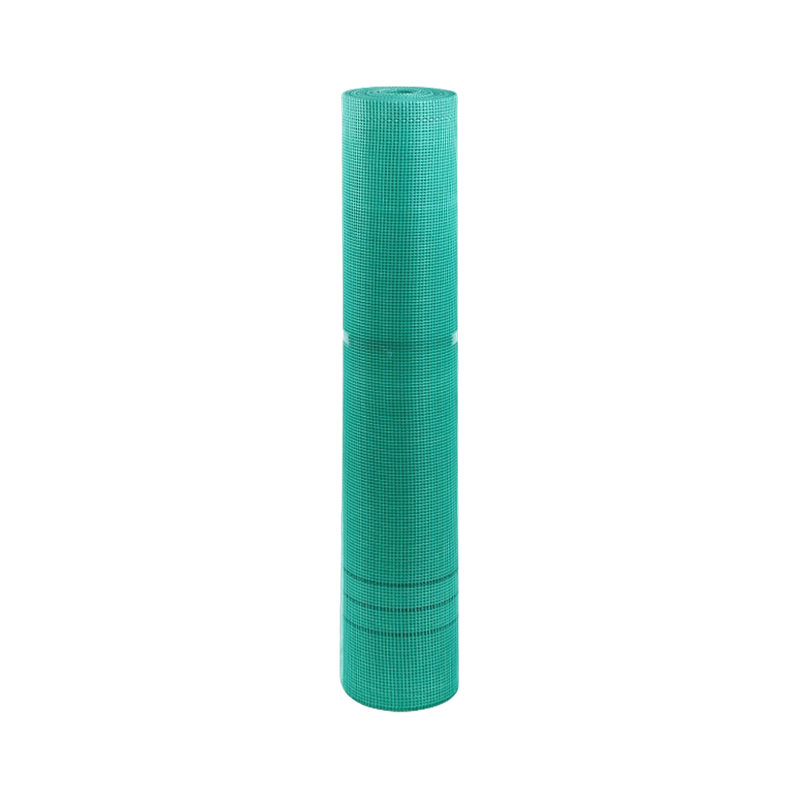
 300g Heavy-Duty Fiberglass Mesh for Roofs and TerracesThis heavy 300 g/m² mesh provides extra crack-bridging capacity for roofs and exposed terraces, where thermal swings cause larger movements. Its high tensile strength and alkali resistance ensure durable reinforcement in demanding conditions.View Product →
Finally, confirm compatibility between the mesh and your coating. Most liquid-applied and cementitious membranes wet out standard AR mesh without problems, but some solvent-based coatings need a primer or a specific sizing. When in doubt, request a sample and run a small adhesion test before committing the full order.
Step-by-Step Installation Rules
Installation decides whether a good mesh performs. The mesh must sit in the middle third of the membrane, be fully saturated with coating, and have overlaps of at least 10 cm.
- Prepare the substrate: clean off dust, grease, and laitance; repair cracks wider than 1 mm; apply primer if the coating manufacturer requires it.
- Apply a thin base coat of the waterproofing membrane over the prepared surface.
- Unroll the fiberglass mesh onto the wet base coat and press it from the center outward to remove air pockets and wrinkles. Do not stretch the mesh.
- Apply the second coat over the mesh before the base coat cures, pushing the coating through the apertures so the fabric is completely saturated.
- Overlap all joints by at least 10 cm; on vertical surfaces, lap the upper layer over the lower one so water sheds down the wall.
- Let the membrane cure fully before ponding, foot traffic, or backfilling. Follow the coating's curing schedule, not a generic rule.
Embedding depth is the most common quality issue. Mesh pressed to the substrate cannot bridge cracks, and mesh left near the surface is exposed to mechanical damage and capillary paths. The fabric should be invisible from above and just visible on a cut edge—a sign that it sits in the middle of the composite.
Common Mistakes and Procurement Risks
Four mistakes cause most premature waterproofing failures: non-alkali-resistant mesh, the wrong aperture, missing overlaps, and mesh left exposed at the surface.
- Non-AR mesh in a cementitious system: the glass embrittles from the inside, and the failure is invisible until the membrane cracks.
- Overly large aperture for a thin coating: the coating falls through and leaves the mesh unembedded and useless.
- Overlaps shorter than 10 cm: joints become the weakest line, especially on roof membranes that move every day.
- Buying on price alone: a cheap roll often has lower zirconia content, thinner glass strands, or a lightweight sizing that dissolves in alkaline water.
Procurement checks that prevent these problems are simple. Ask for a datasheet that states gram weight, aperture, tensile strength, and zirconia content. Compare rolls by mass per square meter, not by roll price. Request a sample and test how the mesh wets out in your actual coating. A supplier that cannot document alkali resistance is a risk you should price into the decision.
Frequently Asked Questions
Most specification questions have the same answer: match the mesh to the expected movement, not to the price.
What is the best mesh size for waterproofing? For most liquid-applied and cementitious membranes, a 4×4 mm aperture is a solid default for walls, while roofs and high-movement surfaces benefit from heavier mesh rather than finer aperture. Mesh size is only one variable—gram weight and alkali resistance matter just as much.
Can I use the same mesh on walls and roofs? It is possible on small projects, but not optimal. A 130 g/m² wall mesh will work on a roof with high thermal movement, but a 300 g/m² roof mesh can crack thin interior plaster over time. Match the mesh to the application instead of forcing one product everywhere.
Does fiberglass mesh rot, rust, or feed mold? No. Glass fiber is inorganic and unaffected by water or fungal attack. The only relevant degradation mechanism is alkaline attack, which is why AR glass is mandatory in cementitious systems.
Is fiberglass mesh the same as fiberglass joint tape? No. Joint tape is narrow, self-adhesive, and designed to seal cracks and seams; fiberglass mesh is wide and reinforces entire surfaces. The two products solve different problems and are sometimes used together in one system.
How can I tell whether a mesh is alkali-resistant? Ask for the zirconia content and a test report of strength retention after alkaline immersion. A supplier that cannot document either is likely selling standard glass mesh at an AR price.
Final Recommendation
Reinforcing a waterproofing membrane with the right fiberglass mesh is a low-cost step with an outsized effect on the service life of the system. Specify alkali-resistant mesh with the correct gram weight and aperture for the application, embed it in the middle of the membrane, overlap joints by at least 10 cm, and the membrane will stay continuous for years.
If you are planning a reinforced waterproofing project, browse the full fiberglass mesh product range to compare available specifications, and keep the selection criteria above in mind when discussing your project with a supplier.