English
 中文简体
中文简体 Español
Product Category

| No. of Product | Width (mm) | Model of Raw Yam (tex) | Model of Raw Yam (tex) | Mesh (mm) | Mesh (mm) | Mesh (mesh/inch) | Mesh (mesh/inch) | Weave | Resin Content (%) | Weight (g/m 2) | Fracture Strength (N/50mm) | Fracture Strength (N/50mm) |
| Warp | Woof | Warp | Woof | Warp | Woof | Warp | Woof | |||||
| 1 | 1000-1250 | 32x2 | 204 | 5 | 5 | 5 ± 0.5 | 5 ± 0.5 | union | 20 ± 2 | 65 ± 3 | 500 | 500 |
| 2 | 1000-1250 | 50x2 | 255 | 5 | 5 | 5 ± 0.5 | 5 ± 0.5 | union | 18 ± 2 | 80 ± 3 | 800 | 900 |
| 3 | 1000-1250 | 100x2 | 306 | 5 | 5 | 5 ± 0.5 | 5 ± 0.5 | union | 18 ± 2 | 125 ± 3 | 1100 | 1300 |
| 4 | 1000-1250 | 134x2 | 357 | 5 | 5 | 5 ± 0.5 | 5 ± 0.5 | union | 18 ± 2 | 145 ± 3 | 1300 | 1500 |
| 5 | 1000-1250 | 134x2 | 408 | 5 | 5 | 5 ± 0.5 | 5 ± 0.5 | union | 18 ± 2 | 2160 ± 3 | 1500 | 1700 |
| 6 | 1000-1250 | 50x2 | 204 | 4 | 5 | 6 ± 0.5 | 5 ± 0.5 | union | 18 ± 2 | 80 ± 3 | 550 | 800 |
| 7 | 1000-1250 | 100x2 | 255 | 4 | 5 | 6 ± 0.5 | 5 ± 0.5 | union | 18 ± 2 | 110 ± 3 | 1100 | 1000 |
| 8 | 1000-1250 | 134x2 | 306 | 4 | 5 | 6 ± 0.5 | 5 ± 0.5 | union | 18 ± 2 | 150 ± 3 | 1400 | 1500 |
| 9 | 1000-1250 | 32x2 | 204 | 4 | 4 | 6 ± 0.5 | 6 ± 0.5 | union | 19 ± 2 | 80 ± 3 | 550 | 850 |
| 10 | 1000-1250 | 100x2 | 204 | 4 | 4 | 6 ± 0.5 | 6 ± 0.5 | union | 18 ± 2 | 120 ± 3 | 1100 | 900 |
| 11 | 1000-1250 | 134x2 | 255 | 4 | 4 | 6 ± 0.5 | 6 ± 0.5 | union | 18 ± 2 | 150 ± 3 | 1500 | 1600 |
| 12 | 1000-1250 | 134x2 | 306 | 4 | 4 | 6 ± 0.5 | 6 ± 0.5 | union | 18 ± 2 | 160 ± 3 | 1500 | 1800 |
| 13 | 1000-1250 | 50x2 | 306 | 5 | 6 | 5 ± 0.5 | 4 ± 0.5 | union | 18 ± 2 | 80 ± 3 | 500 | 1000 |
| 14 | 1000-1250 | 100x2 | 357 | 5 | 6 | 5 ± 0.5 | 4 ± 0.5 | union | 18 ± 2 | 110 ± 3 | 1000 | 1200 |
| 15 | 1000-1250 | 255x2 | 408 | 10 | 10 | 2.5 | 2.5 | union | 18 ± 2 | 220 ± 3 | 1000 | 1200 |
| 16 | 1000-1250 | 255x2 | 561 | 10 | 10 | 2.5 | 2.5 | union | 18 ± 2 | 125 ± 3 | 1000 | 1400 |
| 17 | 1000-1250 | 375x2 | 561 | 10 | 10 | 2.5 | 2.5 | union | 18 ± 2 | 145 ± 3 | 1400 | 1500 |
| 18 | 1000-1250 | 375x2 | 561 | 10 | 10 | 2.5 | 2.5 | union | 18 ± 2 | 160 ± 3 | 1500 | 1600 |
| 19 | 1000-1250 | 33x2 | 67 | 2.8 | 2.8 | 9 ± 0.5 | 9 ± 0.5 | union | 21 ± 2 | 45 ± 3 | 600 | 600 |
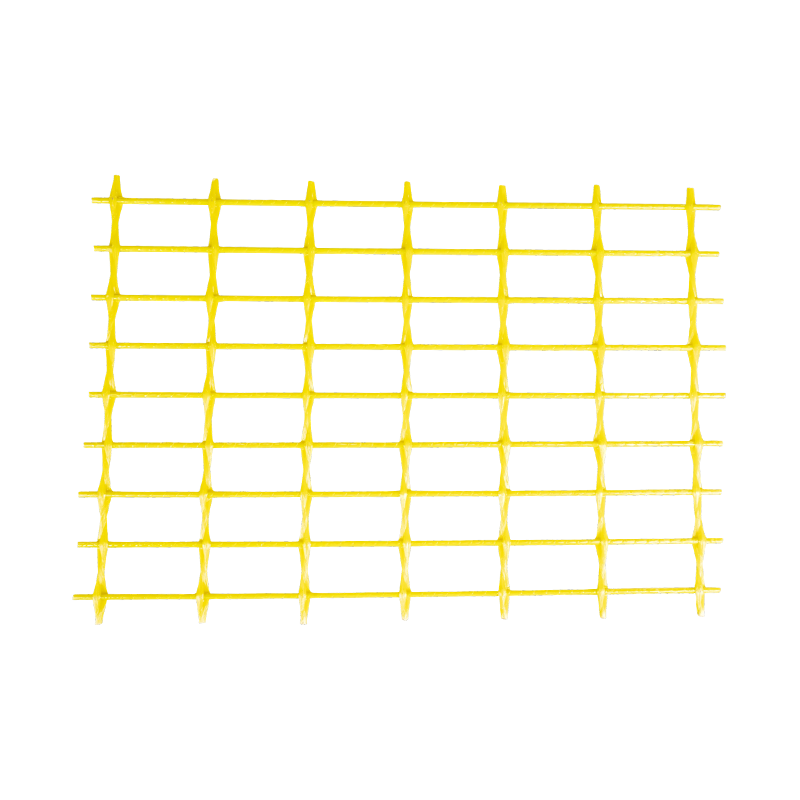
GFRP (Glass Fiber Reinforced Polymer) Epoxy Resin Mesh is a high-performance composite reinforcement material. It is a two-dimensional grid structure made from alkali-resistant glass fibers as the reinforcement and epoxy resin or epoxy vinyl ester resin as the matrix, manufactured through weaving or warp-knitting processes.This product combines advantages such as light weight, high strength, excellent corrosion resistance, good insulation properties, and strong electromagnetic transparency. It is widely used in building structure reinforcement, concrete reinforcement, dry-type transformer insulation support, and other fields, making it an ideal substitute for traditional metal meshes.
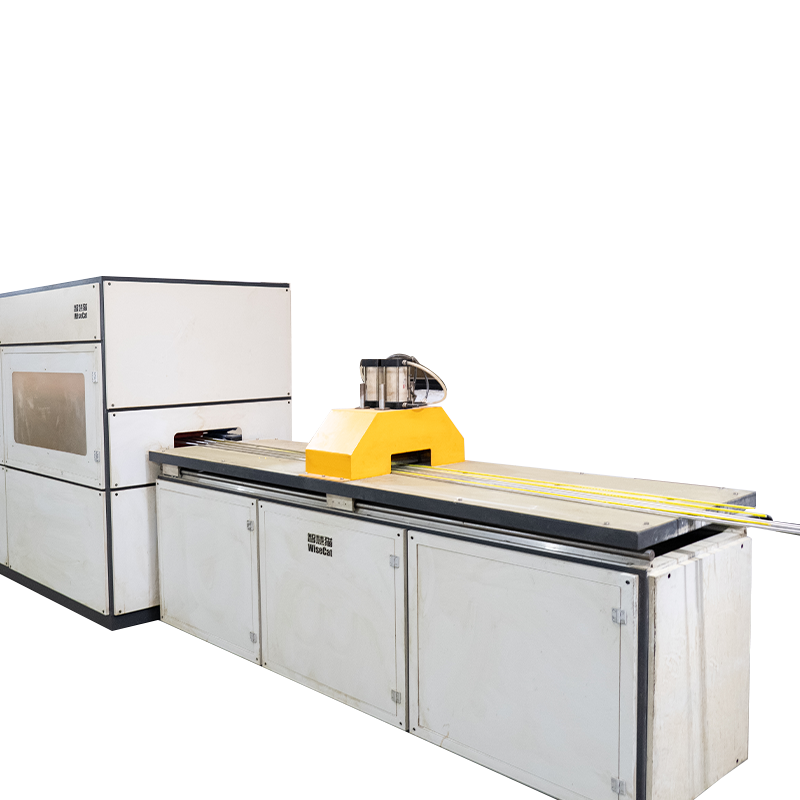
Four-strand GFRP (Glass Fiber Reinforced Polymer) bar pultrusion line — high-efficiency production of four-strand glass fiber reinforced polymer bars. Simultaneous impregnation and forming of four fiber strands in one pass for improved efficiency and uniformity. Precision control delivers high tensile strength, excellent bonding, and tight dimensional accuracy. Designed for large-scale infrastructure projects demanding high output and consistency.
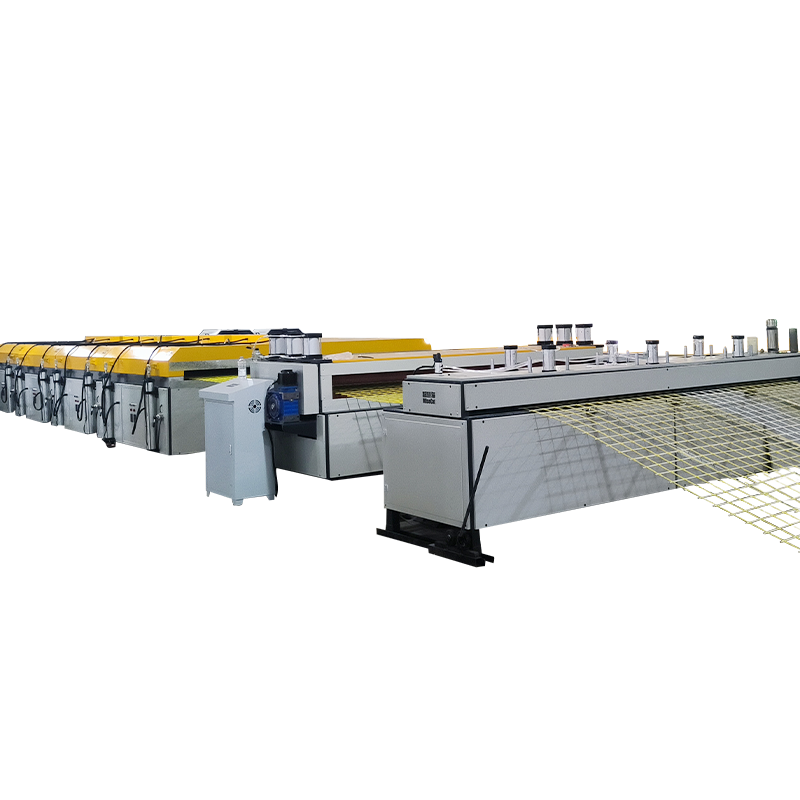
GFRP (Glass Fiber Reinforced Polymer) Mesh Production Line is an automated piece of equipment that continuously weaves and bonds individual GFRP bars in longitudinal and transverse directions to form a stable grid structure. Key Advantages: High efficiency: Simultaneous resin impregnation and precision forming — significantly boosts productivity Flexible: Easily adjustable for different grid sizes and bar diameters — meets diverse project needs Reliable: Automated process ensures uniform bond strength at every cross node — stronger overall structure Suitable for applications such as concrete reinforcement, tunnel lining, floor paving, slope protection engineering, fencing, and planting trellises and bird protection nets.
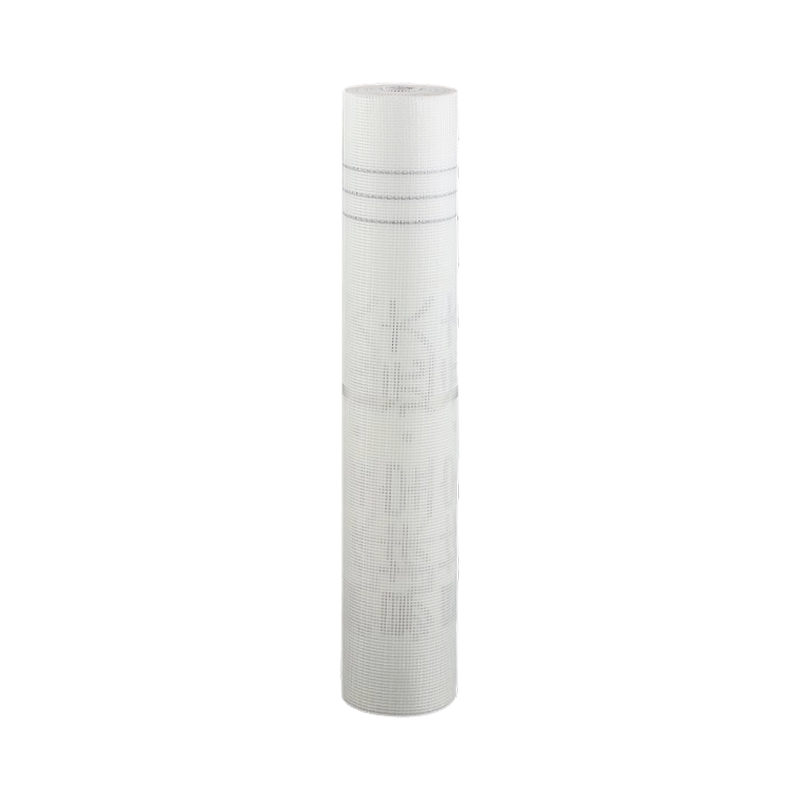
80-130g Inner Wall Fiberglass Mesh Fabric is a reinforcing material made from woven fiberglass fabric as the base material, treated with a polymer anti-emulsion coating. Compared to other products in the same category, this medium-weight mesh fabric achieves a good balance between weight, strength, and economy, meeting the basic reinforcement needs of interior wall plastering while maintaining a lightweight feel and easy construction. This product uses medium-alkali or alkali-free fiberglass yarn, woven through a special leno weave, and then undergoes high-temperature heat setting treatment with alkali-resistant liquid and reinforcing agents, making it excellent for applications such as thermal insulation, waterproofing, fireproofing, and crack resistance in building interior and exterior walls. Compared to lighter mesh fabrics, 80-130g Inner Wall Fiberglass Mesh Fabric has higher warp and weft tensile strength; while compared to heavier exterior wall mesh fabrics, it is thinner and more flexible, making it particularly suitable for crack prevention treatment of interior walls. Its standard mesh size is typically 5mm x 5mm or 4mm x 4mm, which ensures crack resistance while maintaining the flatness of the wall surface.
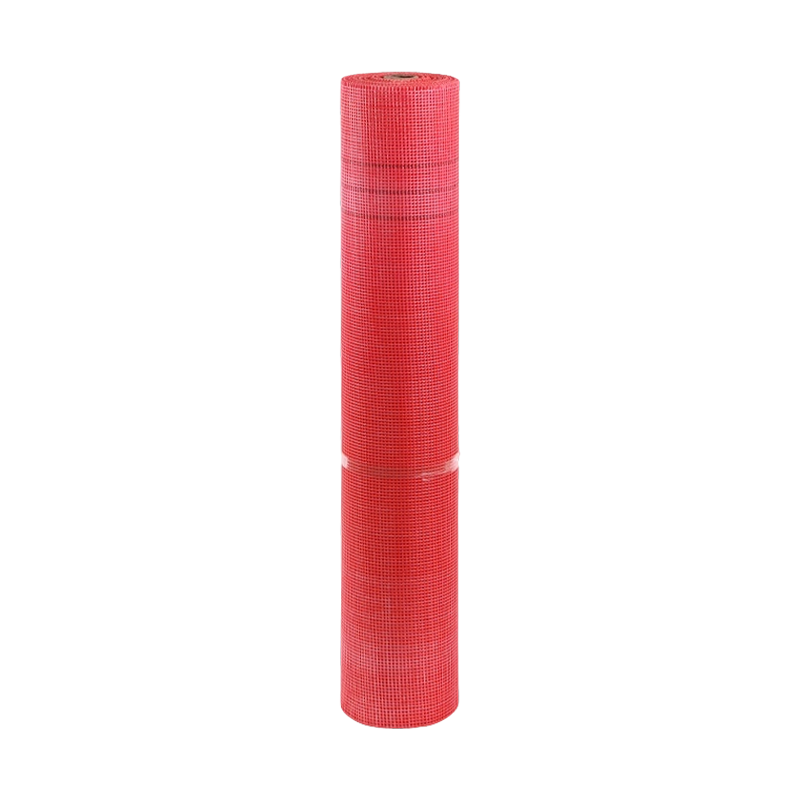
130-160g Outer Wall Fiberglass Mesh Fabric is a reinforcing material specifically designed for building exterior wall insulation systems, acting as a "soft steel reinforcement" within the system. This product uses medium-alkali or alkali-free woven glass fiber fabric as its base material, treated with an alkali-resistant coating. By introducing 14.5%–16.7% zirconium dioxide and 5.5%–6.0% titanium dioxide into the glass composition, and coating the surface monofilaments with a high-molecular-weight water-soluble epoxy resin and coupling agent during fiber formation, it effectively resists the erosion of the mesh fabric by the Ca(OH)2 hydration period of polymer mortar. Compared to ordinary mesh fabrics, this product has higher alkali resistance and mechanical strength, maintaining stable performance in an alkaline environment with a pH of 12-14 for extended periods, providing more reliable crack resistance for building exterior wall insulation systems.
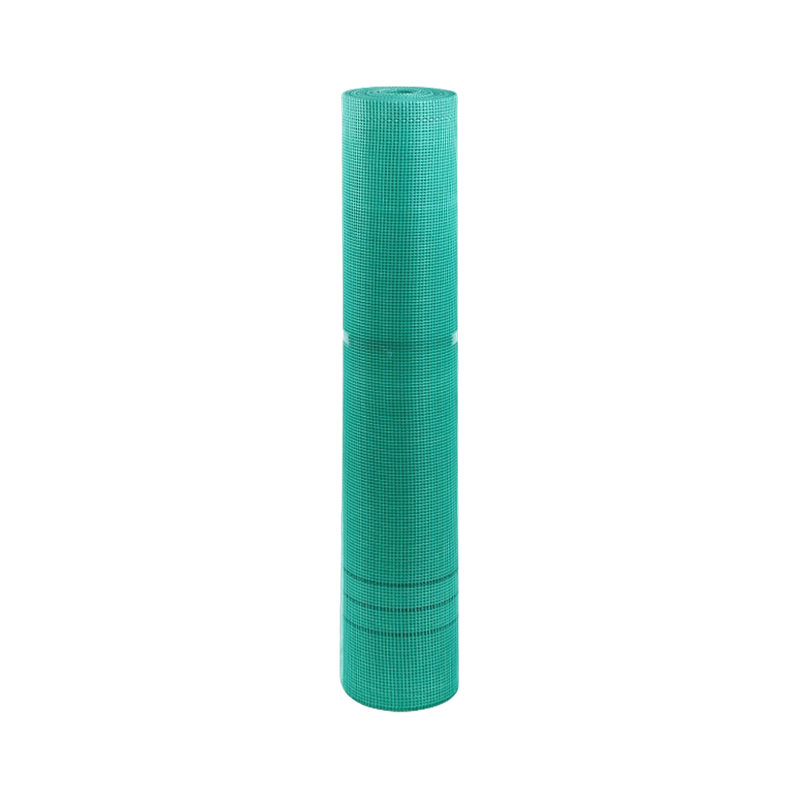
300g Fiberglass Mesh Fabric is a reinforced alkali-resistant fiberglass mesh fabric with a unit area mass of not less than 300 grams per square meter. This product uses medium-alkali or alkali-free woven fiberglass yarn as the base material and undergoes a special alkali-resistant coating treatment. Compared with products with lower unit area mass, it has higher tensile strength and alkali resistance.
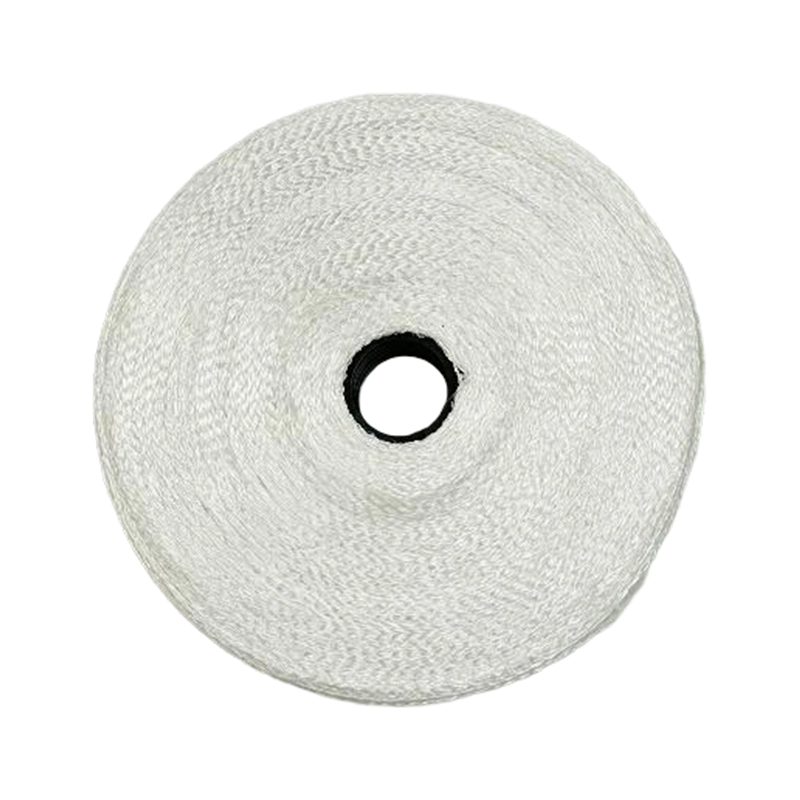
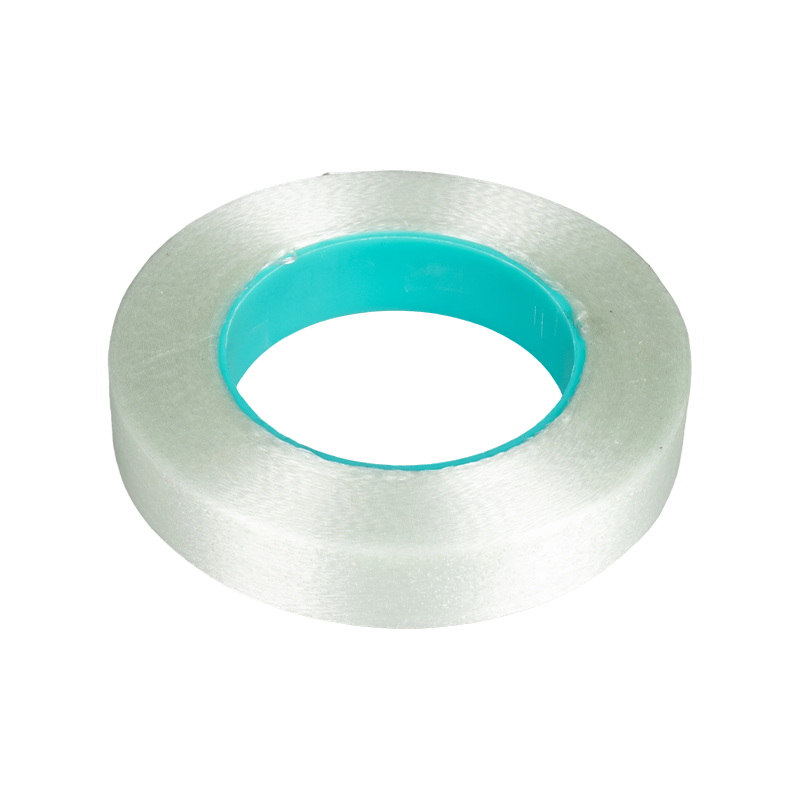
Precision-woven from high-quality E-glass fibers, this tape provides excellent electrical insulation, high-temperature resistance, and corrosion resistance. Its primary function is high-strength binding and insulation fixing for transformer, motor, and reactor windings—effectively securing coils and preventing loosening. It is also used for thermal insulation and fire protection in cables and high-temperature pipelines, making it an essential safety material for power electronics and industrial applications.
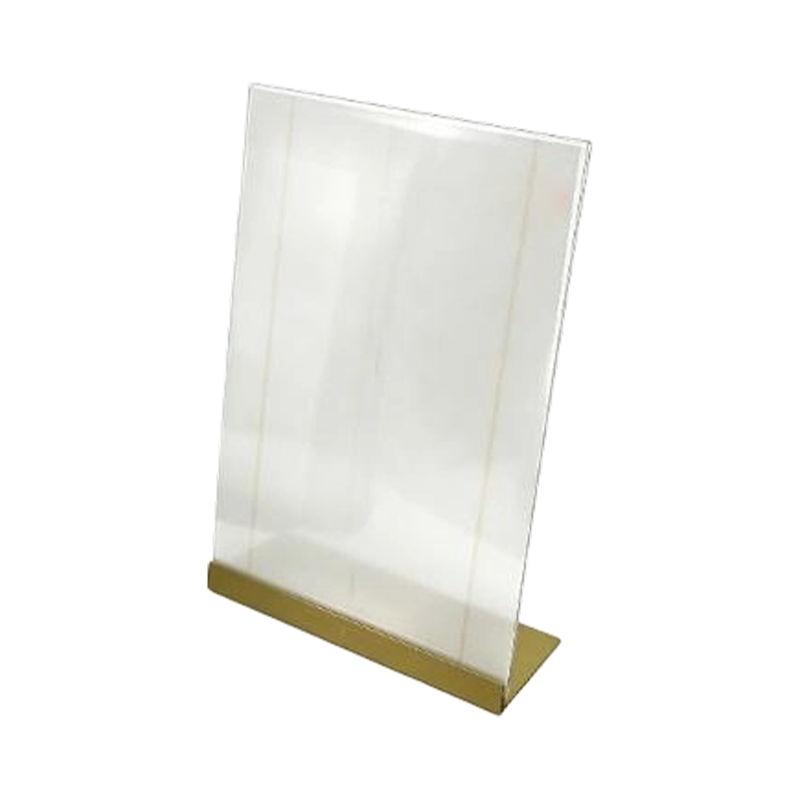
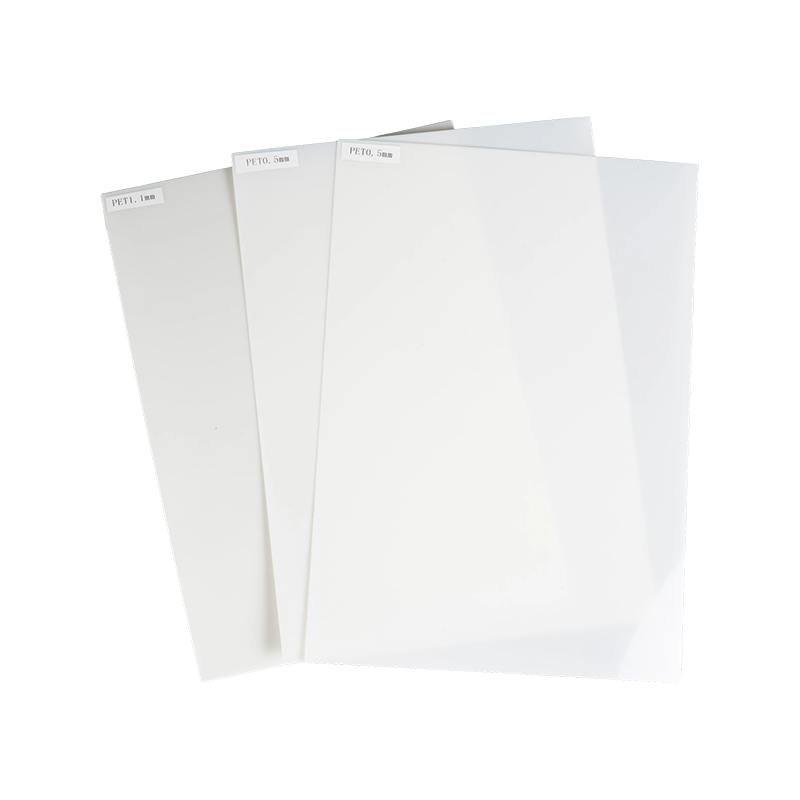
AMA Insulating Paper is a three-layer flexible composite insulating material (aramid paper / polyester film / aramid paper) with an insulation class of Class F (155°C). It combines the high-temperature resistance of aramid paper with the high dielectric strength of polyester film. Widely used in motor slot insulation, turn-to-turn insulation, transformer layer insulation, and other applications, it offers excellent mechanical and electrical properties. It is a cost-effective alternative to NMN insulating paper.
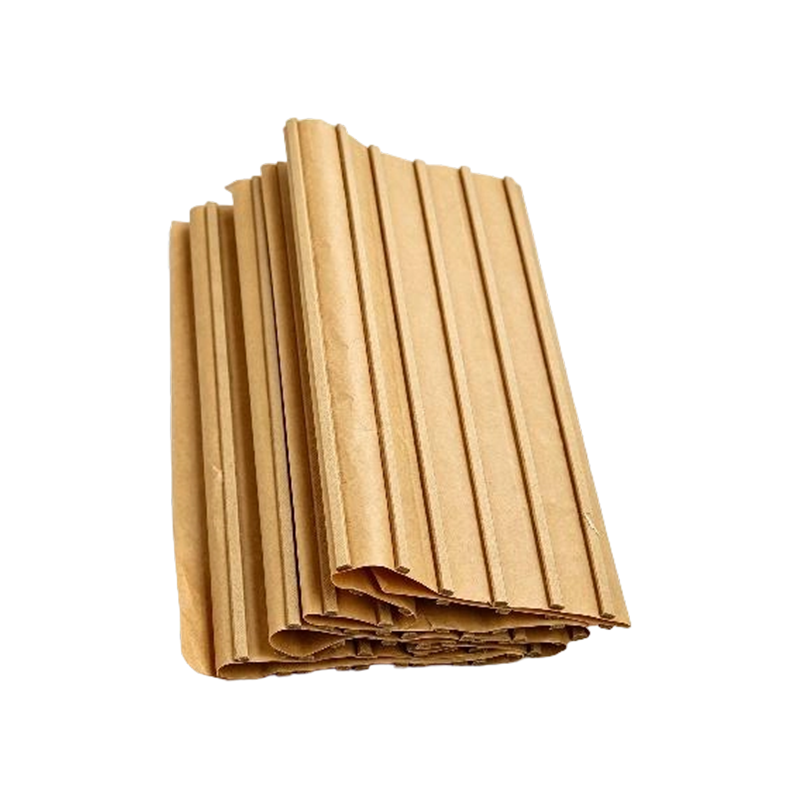
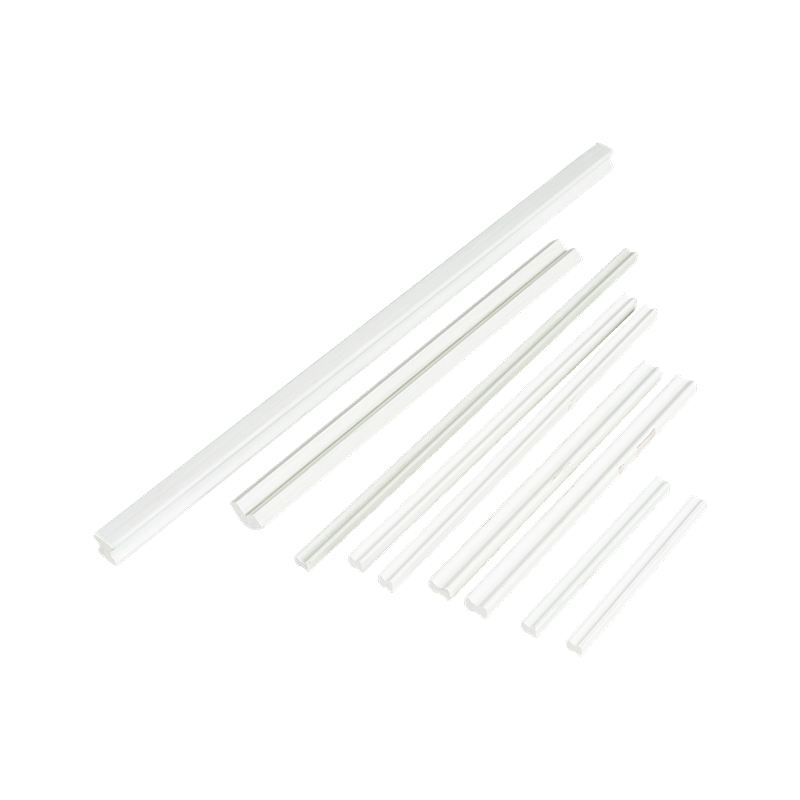
Oil duct strip is an integrated curtain-shaped insulation component thermally laminated by insulating spacers and dotted adhesive insulation paper. It can be cut and wrapped around windings directly. The spacers form stable cooling oil ducts, providing electrical insulation and mechanical support to ensure circulating heat dissipation of insulating oil, replacing traditional loose spacers and corrugated insulation boards.
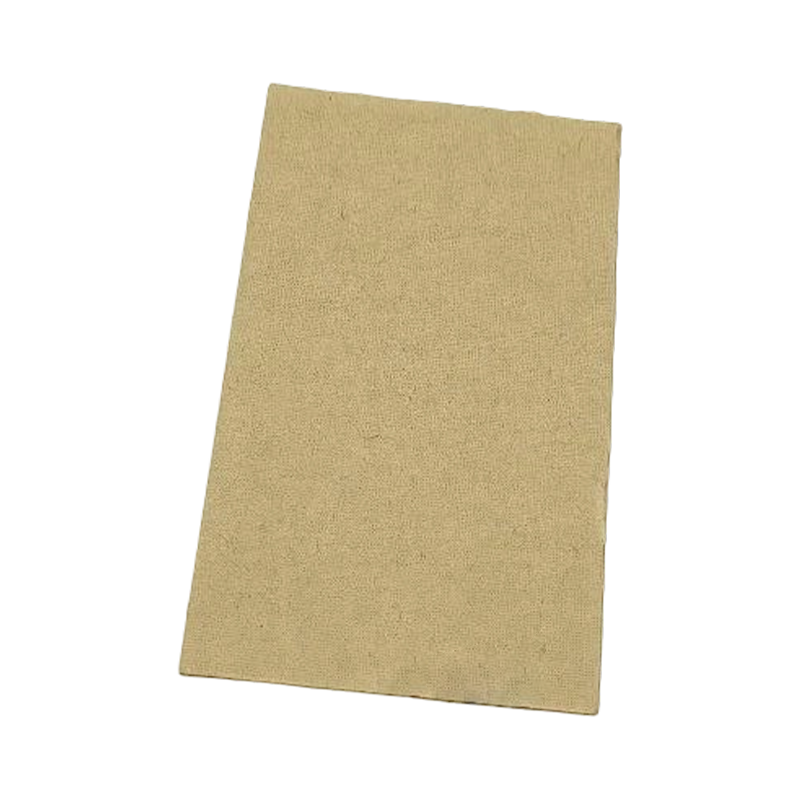
Insulating pressboard is an electrical-grade paperboard manufactured from high-purity unbleached sulfate wood pulp through a process of sheet forming and high-temperature pressing. The production process demands extremely strict control over water quality and impurities to ensure excellent electrical and mechanical properties.
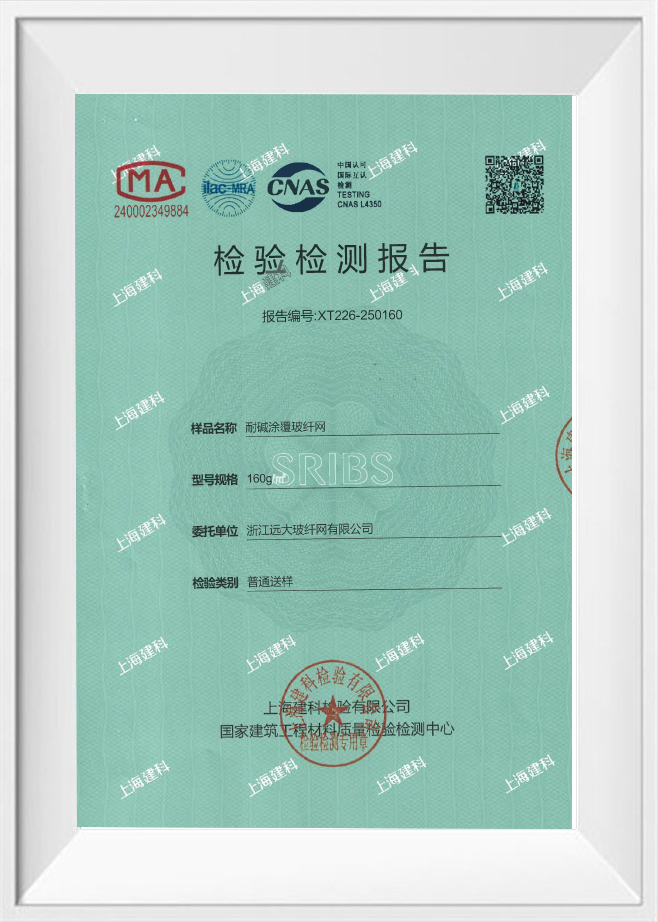
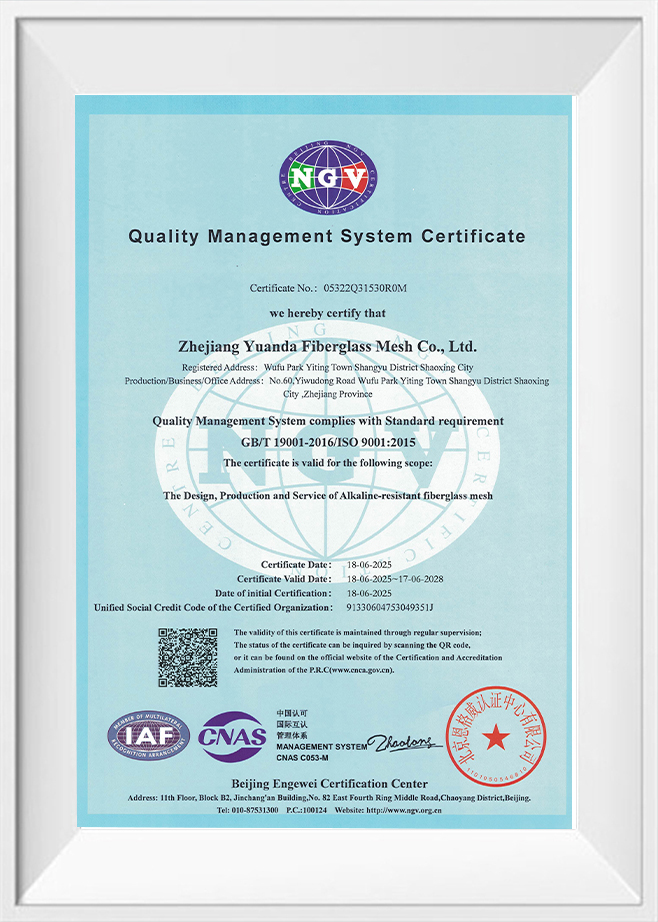
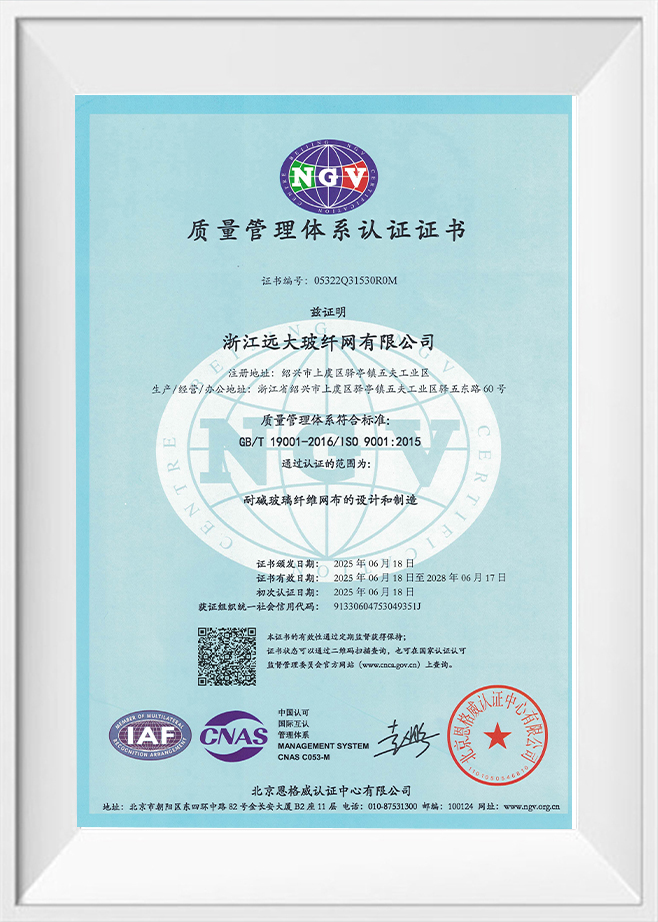
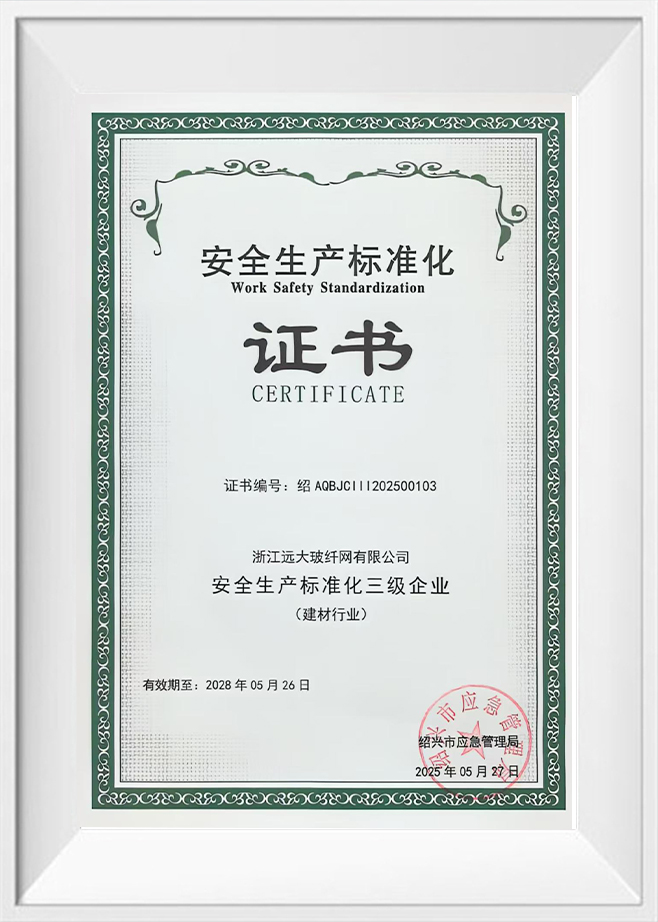
A rooftop terrace leaks nine months after a fresh waterproofing job. The coating looks intact, but a hairline crack in the slab has opened a path through the membrane. This is no...
READ MORESuppose you are tiling a bathroom over cement backer board. The joints are taped, the mortar bed is fresh, and the job looks clean. Eight months later, a hairline crack appears e...
READ MOREIf a cement-based wall develops hairline cracks, the repair will fail again unless the render absorbs stress in a controlled way. Fiberglass mesh for concrete is that control lay...
READ MOREFiberglass mesh application is a straightforward but critical decision: you embed a woven glass-fiber fabric into plaster, stucco, concrete, or insulation board to stop cracks an...
READ MOREFiberglass mesh for stucco is a woven alkali-resistant glass fiber fabric that is embedded in the stucco base coat to control cracking and distribute tensile stress. That definit...
READ MORETransformer insulation materials are essential components used to electrically isolate conductive parts and protect transformers from thermal, electrical, and mechanical stress. These materials help maintain operational safety, improve energy efficiency, and extend transformer lifespan. Common insulation materials include insulating paper, fiberglass mesh, epoxy resin, insulating varnish, and polymer composites.
In modern power systems, transformers often operate under temperatures exceeding 105°C to 220°C. High-quality insulation materials reduce dielectric losses and improve thermal endurance. According to industry data, reliable insulation systems can increase transformer service life by 30% or more.
Cellulose paper is widely used in oil-immersed transformers because of its excellent dielectric properties and affordability. It is commonly applied around transformer windings and conductors.
Fiberglass mesh reinforced materials provide outstanding mechanical strength and heat resistance. These materials are commonly used in dry-type transformers and high-voltage insulation systems where dimensional stability is critical.
Epoxy resin insulation is known for its superior moisture resistance and strong adhesion. It is often used in cast resin transformers operating in humid or polluted environments.
| Material | Temperature Resistance | Main Advantage |
|---|---|---|
| Cellulose Paper | 105°C | Low Cost |
| Fiberglass Mesh | 180°C+ | High Strength |
| Epoxy Resin | 155°C | Moisture Resistance |
Transformer failures are often linked to insulation breakdown. Studies show that approximately 60% of transformer failures are related to insulation aging and overheating. Using advanced insulation materials significantly improves transformer reliability and reduces maintenance costs.
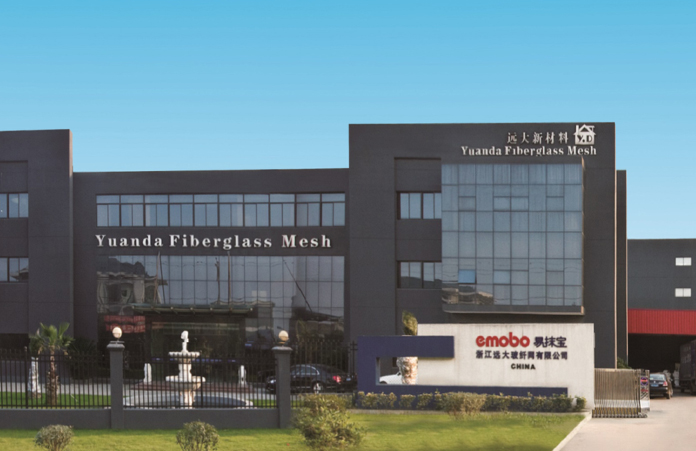
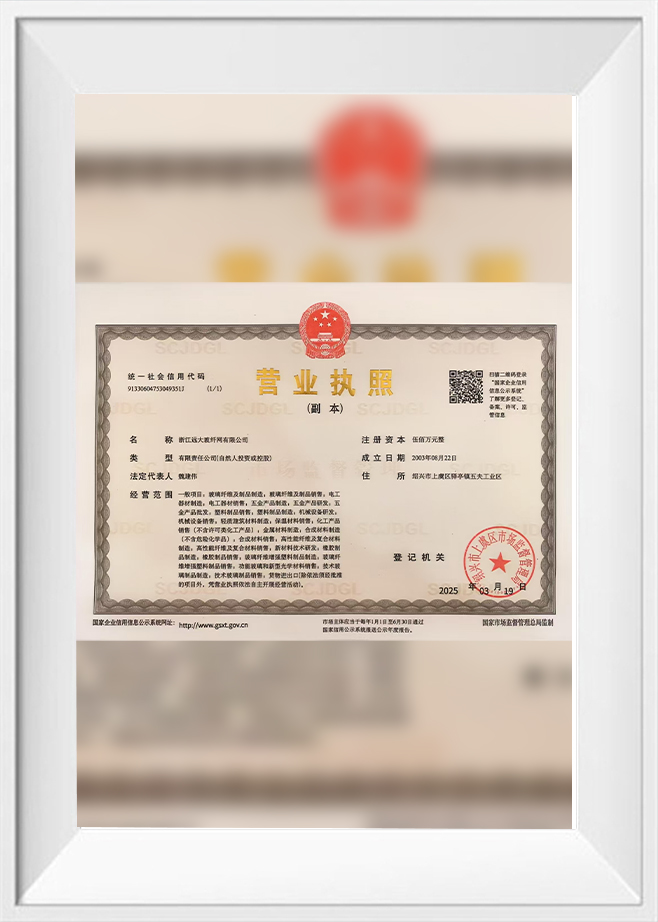
Zhejiang Yuanda Fiberglass Mesh Co.,ltd. is a professional manufacturer specializing in high-performance fiberglass mesh materials widely used in transformer insulation systems, construction reinforcement, and industrial applications.
The company operates a 33,000 m² facility equipped with in-house weaving and impregnation-curing production lines. With an annual production capacity of 20 million m² of high-strength GFRP mesh, Zhejiang Yuanda ensures stable supply and consistent product quality.
The manufacturing process follows a green, energy-efficient, and intelligent production concept. Critical factors such as tension control, coating pickup, and curing profiles are continuously monitored to guarantee consistent aperture, weight, and adhesion in every batch.
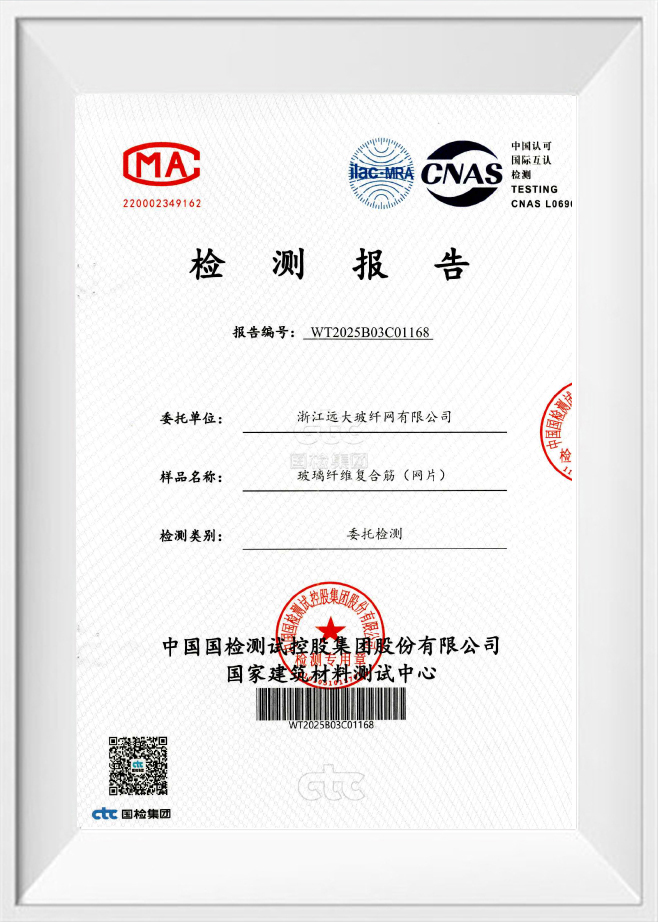
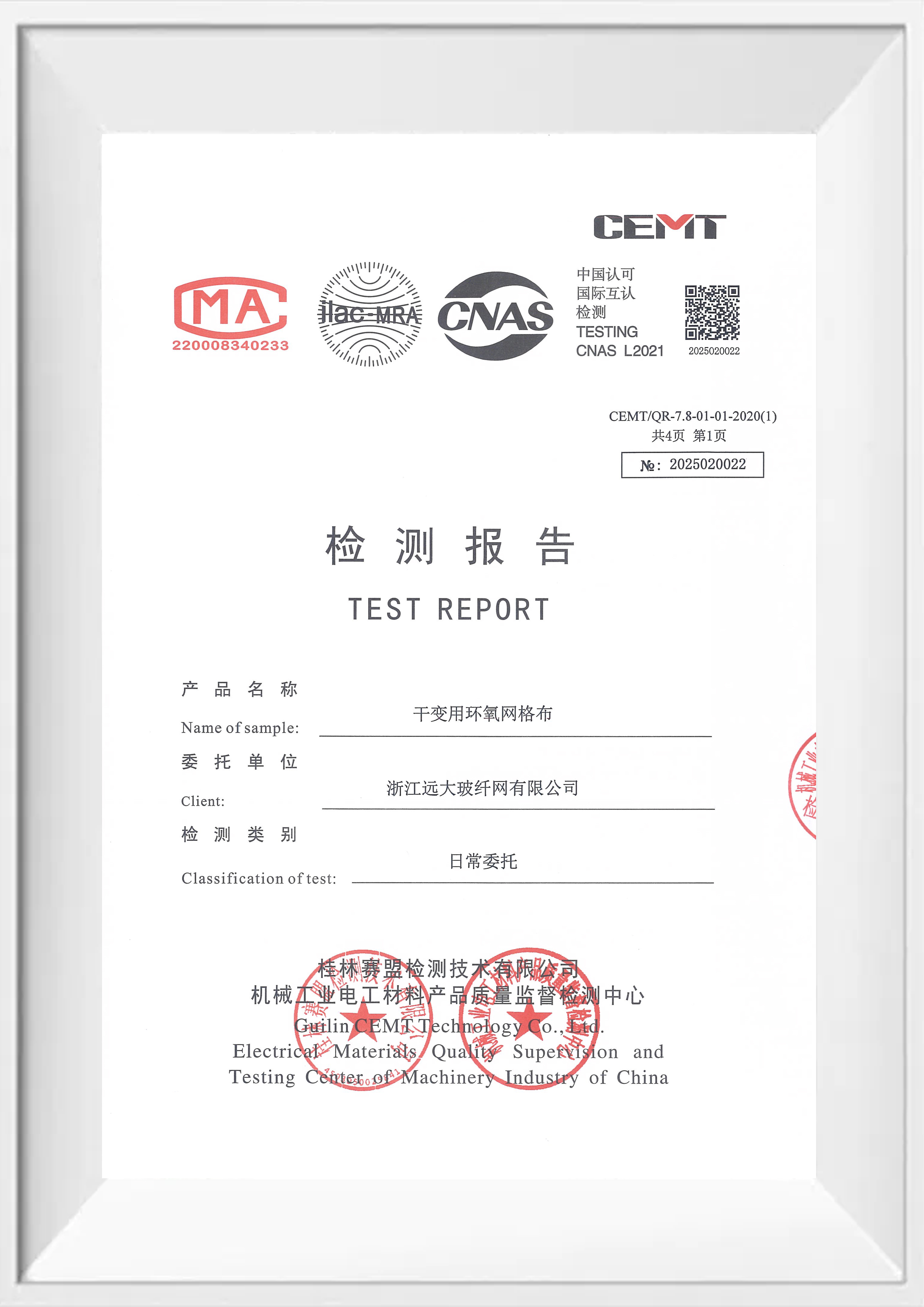
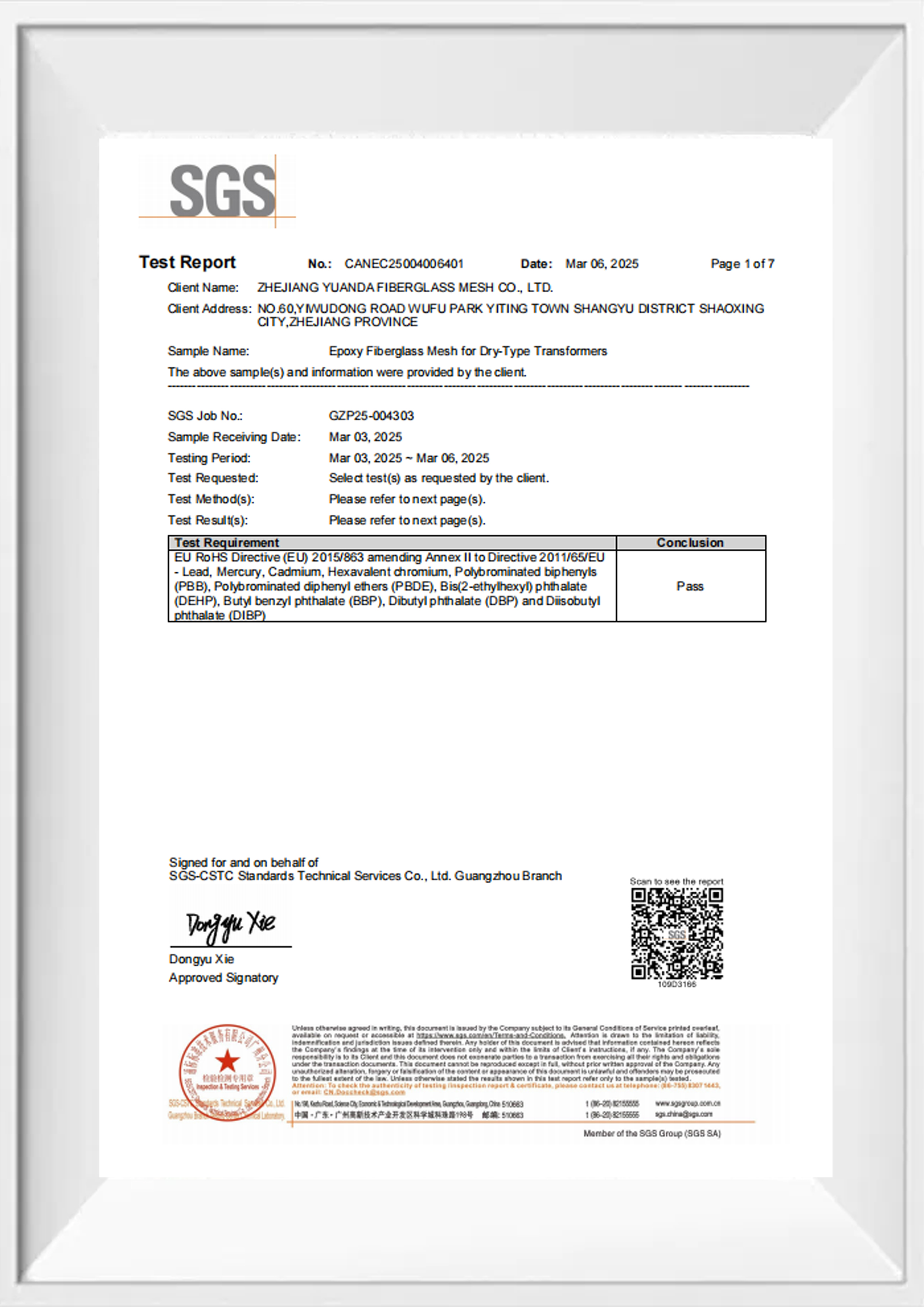
The company has passed ISO9001-2015 international quality system certification and obtained CE certification from the European Union. Its trademark, "Yimabao", has earned strong recognition from customers worldwide thanks to strict quality standards and reliable product performance.
As the global energy industry moves toward higher efficiency and smart grid systems, transformer insulation materials are evolving rapidly. Manufacturers are increasingly adopting eco-friendly composite materials and nano-enhanced insulation technologies.
Industry analysts predict that the global transformer insulation market could grow by over 6% annually through the next decade, driven by renewable energy expansion and electric grid modernization.
Cellulose insulation paper remains one of the most widely used materials because of its affordability and reliable dielectric performance.
Fiberglass mesh provides excellent heat resistance, mechanical reinforcement, and dimensional stability, making it suitable for high-temperature transformer applications.
Under proper operating conditions, high-quality transformer insulation systems can last 20 to 40 years, depending on temperature, load, and environmental conditions.
 No. 60, Yiwu East Road, Wufu Industrial Park, Yiting Town, Shangyu City, Zhejiang Province, China
 +86 13606593503
 +86-575-82419001
 sales@yuandafiberglass.com