English
 中文简体
中文简体 Español
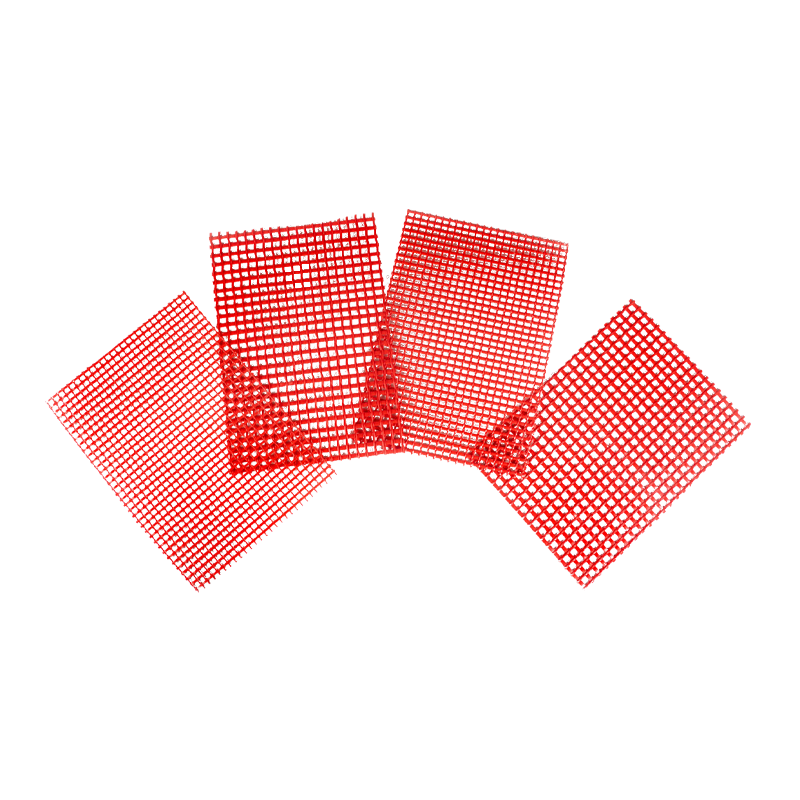
Fiberglass mesh for stucco is a woven alkali-resistant glass fiber fabric that is embedded in the stucco base coat to control cracking and distribute tensile stress. That definition drives every buying decision: you are not buying a roll of cloth, you are buying long-term crack control for a cement-based system that is chemically aggressive and structurally dynamic. The wrong mesh, or mesh installed in the wrong layer, leads to repairs that cost far more than the reinforcement itself.
This guide explains what makes stucco mesh different from ordinary fiberglass cloth, which specifications actually matter on the jobsite, how to match mesh weight to interior and exterior walls, and how to install it so the finished wall stays intact for decades.
Content
- 1 What Is Fiberglass Mesh for Stucco and Why Does It Matter?
- 2 Key Specifications to Evaluate Before You Buy
- 3 How to Choose the Right Mesh for Your Stucco Project
- 4 Installation Best Practices
- 5 Common Mistakes That Ruin Stucco Reinforcement
- 6 How Much Mesh Do You Need and What Does It Cost?
- 7 Frequently Asked Questions
What Is Fiberglass Mesh for Stucco and Why Does It Matter?
In short, fiberglass mesh for stucco is a reinforcing fabric made from alkali-resistant glass fibers, usually weighing 80 to 300 gsm, that is troweled into the wet base coat so that shrinkage and movement cracks never reach the finish surface. Stucco without reinforcement cracks; stucco with properly embedded alkali-resistant mesh can develop hairline cracks internally without any visible failure on the surface.
The Chemistry Behind the Reinforcement
Portland cement creates an alkaline environment with a pH usually between 12 and 13. Ordinary glass fibers become brittle and break down in that environment within months, which is why generic fiberglass cloth fails inside stucco. True stucco mesh is made with alkali-resistant glass containing zirconia and carries an acrylic-based sizing that slows the alkali attack and keeps the filaments working for the full service life of the wall.
What the Mesh Actually Does in a Stucco Wall
The mesh performs one central structural job: it holds the base coat together after internal micro-cracks form, bridging stress and keeping crack width small enough for the finish coat to hide. In practice, the reinforcement also:
- Distributes tensile stress from building settlement and temperature swings across a wider area.
- Bridges joints between sheathing boards, cement boards, and old masonry before movement opens them.
- Adds impact resistance for ground-floor facades and commercial entry zones.
- Provides a mechanical key that helps the next coat bond consistently.
Key Specifications to Evaluate Before You Buy
Four specifications separate stucco mesh that lasts from mesh that fails in its first season: weight, alkali resistance, mesh opening size, and tensile strength. Check all four in that order, and ask the supplier for documented values.
| Specification | What It Controls | Typical Value for Stucco |
|---|---|---|
| Weight (gsm) | Amount of glass fiber per square meter; heavier mesh carries more load and resists impact better | 80-130 gsm interior, 130-160 gsm exterior, 300 gsm impact zones |
| Alkali resistance retention | How long the mesh remains structurally sound inside cement | At least 75-90% tensile strength retention after alkaline aging per EN 13496 |
| Mesh opening size | Mortar keying and distribution of stress across the surface | 4 x 4 mm to 10 x 10 mm; 5 x 5 mm most common for stucco |
| Tensile strength, warp and weft | Breaking force along the roll length and across the roll width | Roughly 1,000-2,000 N/50 mm for 130-160 gsm mesh |
Weight is the first filter because it defines the product family. The 80-130 gsm range serves interior plaster; 130-160 gsm is the standard for exterior stucco; 300 gsm is a heavy-duty fabric for impact-prone areas. Heavier mesh carries more stress but is harder to mold around corners and window returns.
Alkali resistance is the second filter and arguably the most important. Zirconia in the AR glass provides chemical resistance, while the polymer coating protects the fiber bundles during handling and inside wet cement. A test certificate following EN 13496, ETAG 004, or ASTM E2098 is the only reliable proof of performance. No certificate means no purchase.
Mesh opening size decides how tightly mortar locks around the fabric. A 5 x 5 mm opening suits standard stucco mixes; openings between 4 and 6 mm keep the balance between fiber coverage and mortar penetration. Smaller openings can trap air, larger ones reduce reinforcement density.
Tensile strength is the final measure, reported in newtons per 50 mm in both warp and weft directions. Balanced values mean the fabric embeds without distortion, and low elongation at break, typically 2 to 4 percent, means the mesh starts restraining movement immediately.
How to Choose the Right Mesh for Your Stucco Project
Choose mesh weight by exposure: 80-130 gsm for interior walls and ceilings, 130-160 gsm for exterior stucco and EIFS (exterior insulation and finish systems) base coats, and 300 gsm for impact-loaded zones such as entrances, ground-floor facades, and parapets. The product family below matches each job to the right roll.
Interior Walls and Ceilings
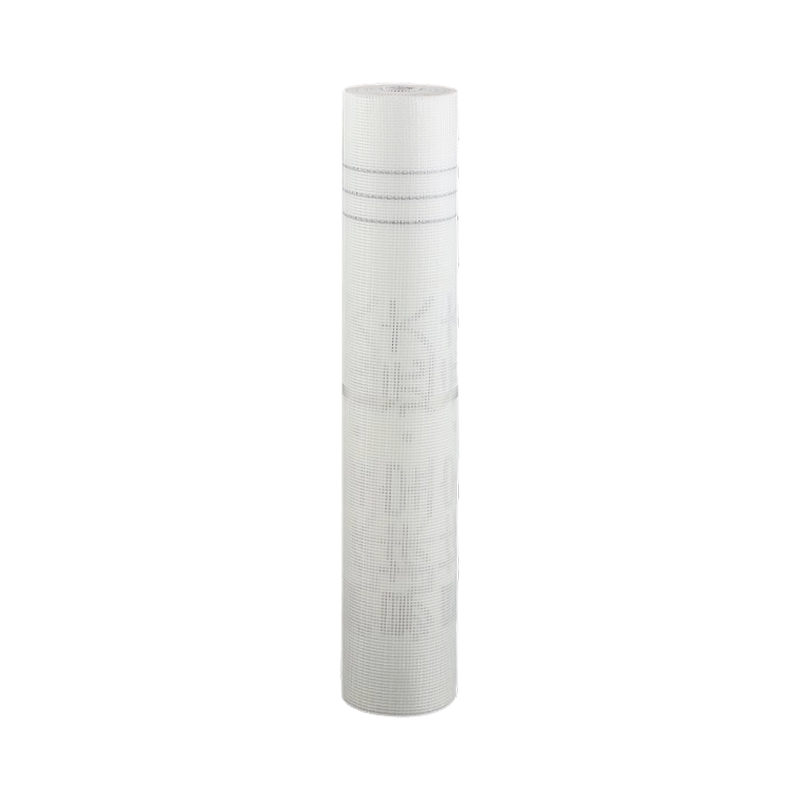
For indoor stucco, veneer plaster, and gypsum-based finishes, 80/130 g mesh provides reliable crack control at lower cost and embeds easily in thin coats.
80/130 g inner wall fiberglass mesh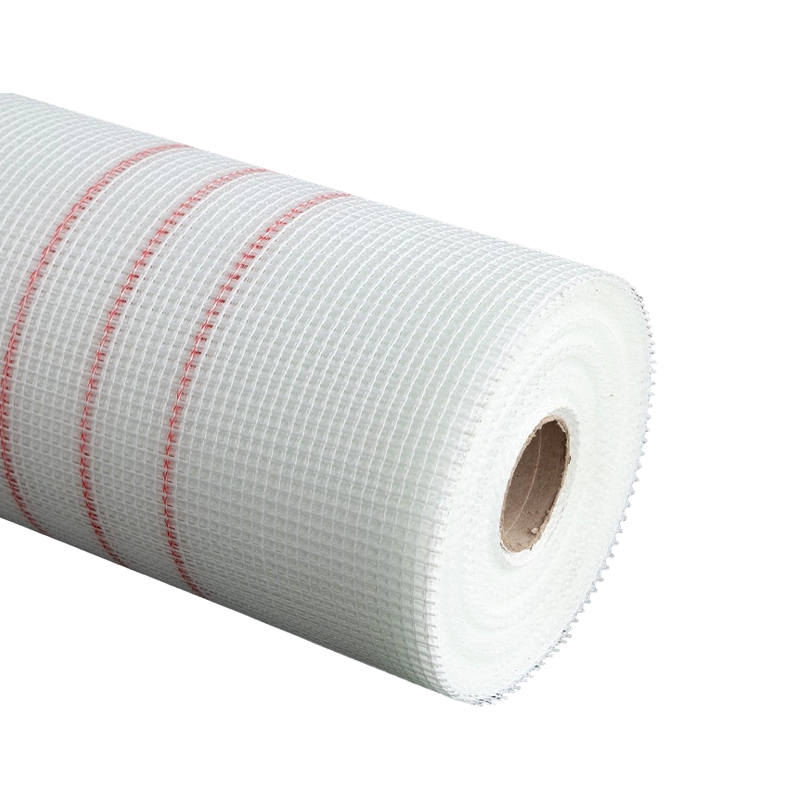 Wholesale 80-130g Inner Wall Fiberglass Mesh Fabric Manufacturers, SuppliersZhejiang Yuanda Fiberglass Mesh Co.,ltd. is a China 80-130g Inner Wall Fiberglass Mesh Fabric manufacturers and 80-130g Inner Wall Fiberg...View Product →
Exterior Stucco and EIFS Base Coats
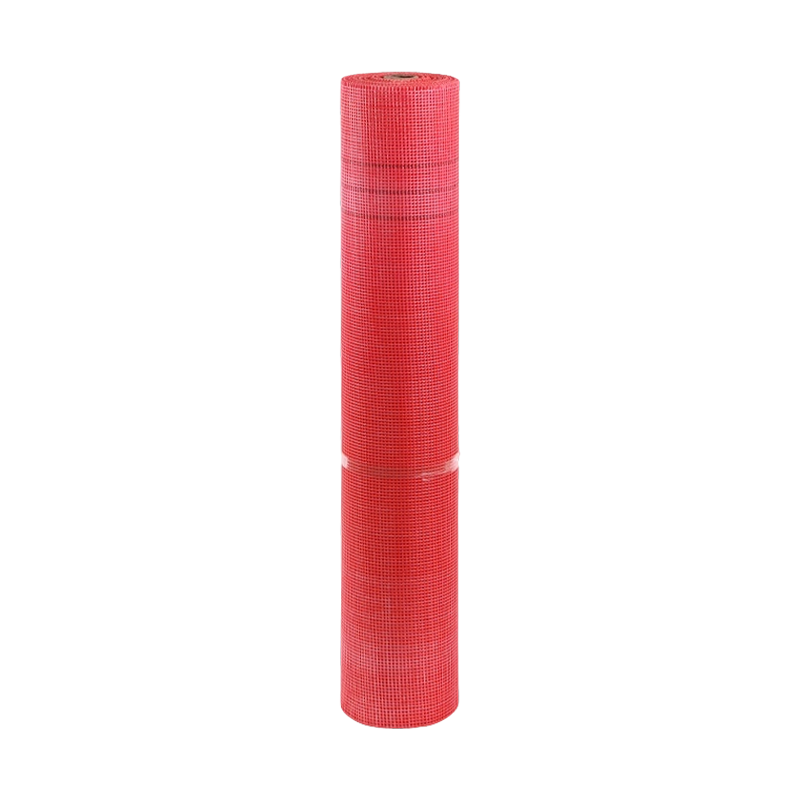
For residential and commercial exterior walls, 130/160 g mesh is the most frequently specified weight, balancing strength, workability, and price for standard exposure.
130/160 g outer wall fiberglass mesh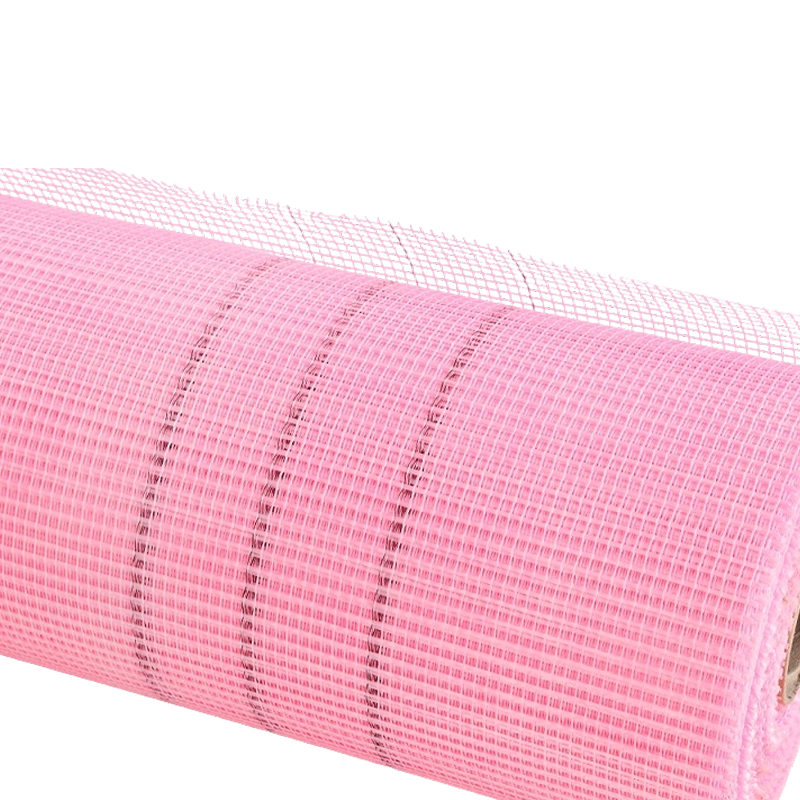 Wholesale 130-160g Outer Wall Fiberglass Mesh Fabric Manufacturers, SuppliersZhejiang Yuanda Fiberglass Mesh Co.,ltd. is a China 130-160g Outer Wall Fiberglass Mesh Fabric manufacturers and 130-160g Outer Wall Fibe...View Product →
Impact Zones and High-Risk Details
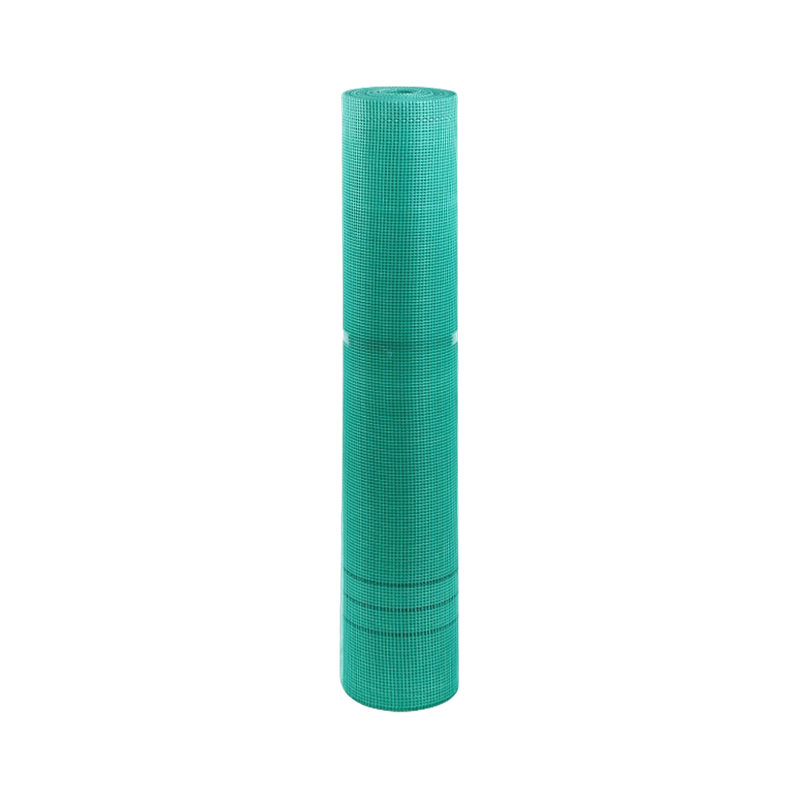
Near doorways, at ground level, and around mechanical damage hotspots, 300 g mesh absorbs impact energy and keeps cracks narrow after direct hits.
300 g fiberglass mesh for impact reinforcement Wholesale 300g Fiberglass Mesh Fabric Manufacturers, SuppliersZhejiang Yuanda Fiberglass Mesh Co.,ltd. is a China 300g Fiberglass Mesh Fabric manufacturers and 300g Fiberglass Mesh Fabric suppliers. ...View Product →
Before you order, confirm which standard the mesh is certified to. Building codes and system approvals often reference EN 13496, ETAG 004, or ASTM E2098, and the mesh must carry a test report that matches the requirement of your project. A label that says "alkali-resistant" is not a test report. Also check roll width and length, edge quality, and how much loose fiber sheds from the edges, because clean cutting edges indicate a stable production process.
Installation Best Practices
The central installation rule is simple: the mesh must sit in the middle third of the total base-coat thickness, fully covered by mortar, with at least 10 cm of overlap at every joint. Mesh that is left at the surface will telegraph through the finish coat, trap moisture, and tear on impact.
- Clean the substrate of dust, oil, and loose material, then dampen it slightly to control suction.
- Apply the scratch coat or base coat in an even layer about 8-12 mm thick.
- Lay the mesh into the wet coat and embed it with a trowel, pushing from the center toward the edges.
- Overlap adjacent strips by 10-15 cm, keeping overlaps away from control joints and window corners.
- Cover the mesh with a second layer of base coat and level the surface before the mortar sets.
- Verify that no fabric remains visible; exposed strands shorten the service life of the wall.
For deeper advice on substrates, corners, and joint treatment, see our fiberglass mesh application, selection, and installation guide. It documents the same principles with specific details for different wall assemblies.
Common Mistakes That Ruin Stucco Reinforcement
In practice, almost every premature stucco crack can be traced to a handful of installation errors rather than a material defect. Avoid these five:
- Embedding the mesh too close to the surface. Exposed strands produce visible patterns, let water in, and tear under impact.
- Butt-jointing instead of overlapping. A butt joint opens into a crack at the first movement; overlap at least 10 cm, and 15 cm on exterior walls.
- Tolerating wrinkles and folds. Wrinkles create mortar pockets that crack and trap water; pull the fabric flat as you embed it.
- Using interior mesh on exterior walls. Ceiling mesh and drywall tape are not alkali-resistant or heavy enough for cement exposure.
- Bridging control joints with continuous mesh. Movement joints need a flexible detail, not a rigid fabric, or the mesh tears at the joint edge.
How Much Mesh Do You Need and What Does It Cost?
Measure the wall area, then add 10 to 15 percent for overlaps and cutting waste. Standard rolls are 1 meter wide and 50 or 100 meters long, so the estimate is quick: a 100 m2 exterior wall needs about 115 m2 of mesh, or three 1 x 50 m rolls.
| Wall Area | 1 x 50 m Rolls | 1 x 100 m Rolls |
|---|---|---|
| 50 m2 | 2 | 1 |
| 100 m2 | 3 | 2 |
| 200 m2 | 5 | 3 |
Price per square meter rises with fabric weight and coating quality, but the difference between an 80 g and a 300 g mesh is small next to the cost of repairing a cracked facade. Buying directly from a manufacturer that weaves and coats its own mesh, such as Zhejiang Yuanda Fiberglass Mesh Co., usually gives more consistent weight and alkali-resistance data than relying on a distributor without test documents. For technical sheets and ordering terms, browse our fiberglass mesh resources collection.
Frequently Asked Questions
Contractors and homeowners ask the same practical questions about stucco mesh. Here are the direct answers.
Can I use drywall tape instead of fiberglass mesh for stucco?
No. Drywall tape is designed for gypsum joints, not for a 10-12 mm cement base coat. It lacks the weight, alkali resistance, and tensile strength needed for stucco and will fail at the first crack. Use a purpose-made alkali-resistant stucco mesh.
How much overlap is required between mesh strips?
At least 10 cm, with 15 cm recommended for exterior walls. A shorter overlap creates a continuous weak line that often becomes the first visible crack after seasonal movement.
What does a 130/160 gsm label mean?
It identifies a product family manufactured in the 130 to 160 grams per square meter range. The 130 g grade suits mild exposure and lighter coats; the 160 g grade is better for exterior walls and stricter specifications. Choose the heavier grade whenever exposure is uncertain.
Can fiberglass mesh be used in one-coat stucco systems?
Yes. Embed the mesh in the wet base coat with the same overlap rule, keeping it near the middle of the coat thickness. For manufacturer-certified systems, always follow the approved assembly provided by the system supplier.
How can I confirm that my mesh is actually alkali-resistant?
Ask the supplier for a test certificate following EN 13496, ASTM E2098, or an equivalent standard that measures tensile strength retention after alkaline immersion. A reliable manufacturer provides the certificate for each batch; if the supplier cannot, change supplier.
Fiberglass mesh for stucco is a minor component with a major job: it keeps a cement facade from showing every movement the building makes. Match the weight to exposure, verify alkali resistance with test documents, embed the mesh in the middle third of the base coat with full overlaps, and the stucco you finish today will still look clean years after the scaffolding comes down.