English
 中文简体
中文简体 Español
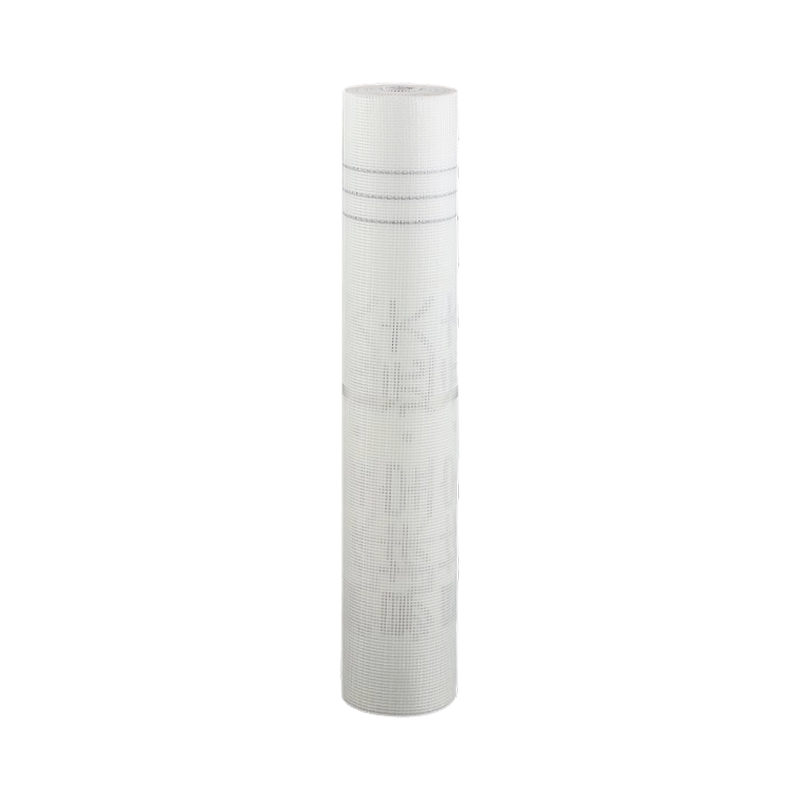
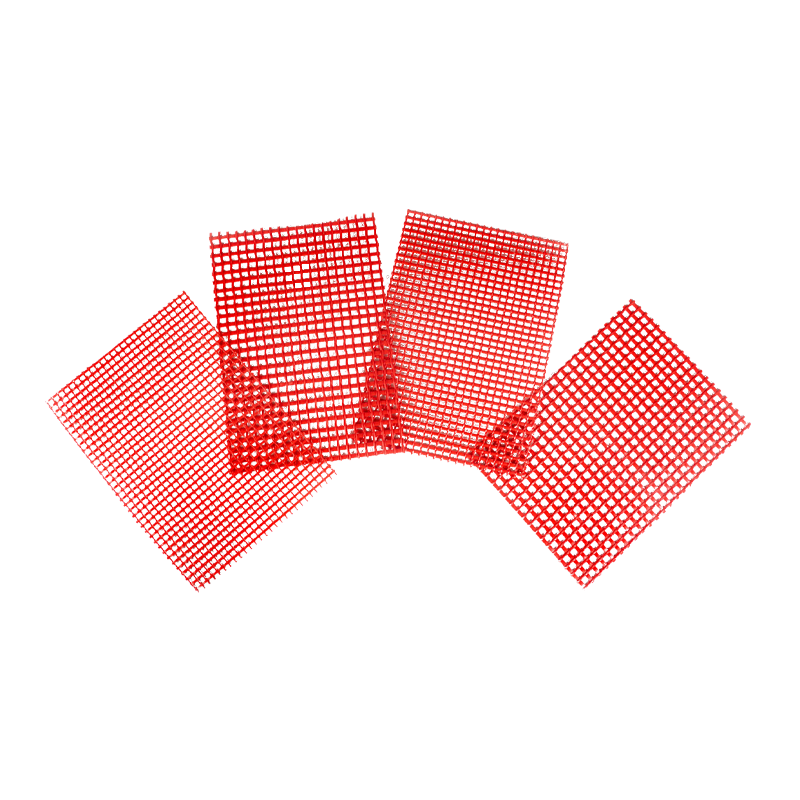
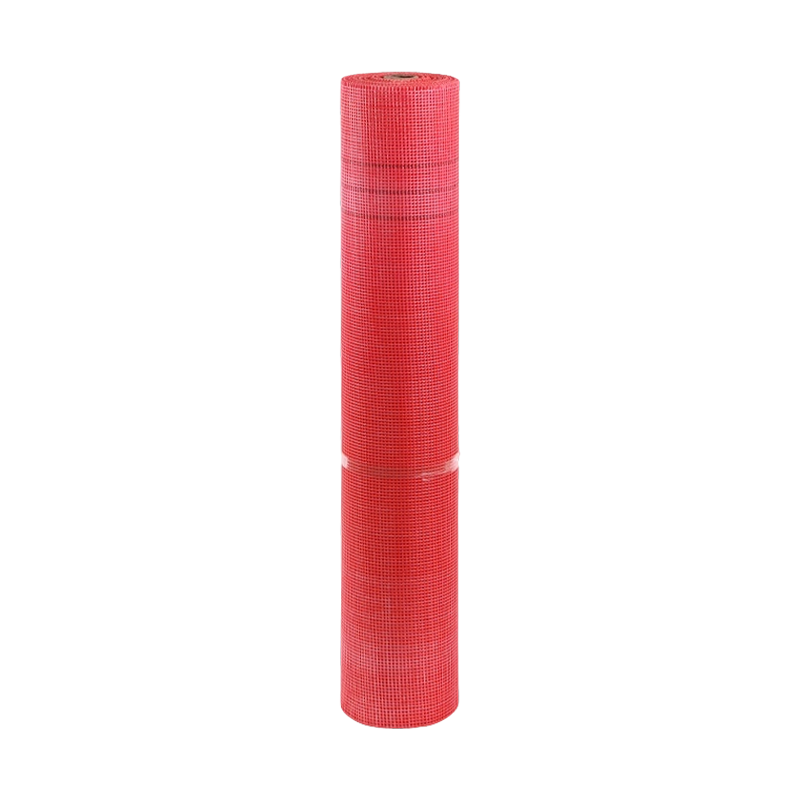
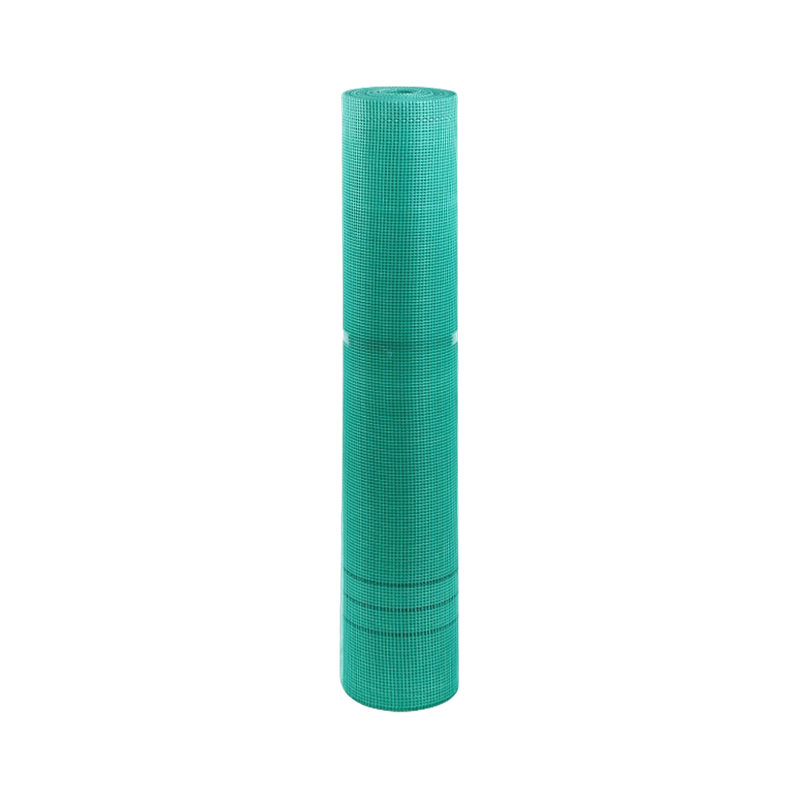
Fiberglass mesh for construction is an alkali-resistant, open-weave fabric made from coated glass filaments, designed to be embedded in plaster, render, or an insulation base coat to keep cracks from spreading. The practical answer to most selection questions is the mesh weight: use 80-130 g/m² for interior walls, 160 g/m² for ordinary exterior render, and 300 g/m² for heavy-duty areas such as plinths, basements, and repair mortar. Because the mesh carries tensile stress that mortar cannot handle, it keeps hairline cracks small instead of allowing them to become visible surface damage.
Content
- 1 Why Construction Needs Fiberglass Mesh
- 2 Key Performance Criteria to Check Before Buying
- 3 Common Mesh Weights and Where They Work
- 4 Interior vs. Exterior Mesh: Know the Difference
- 5 How to Install Fiberglass Mesh Correctly
- 6 Common Specification Mistakes and Procurement Risks
- 7 Fiberglass Mesh vs. Other Reinforcement Materials
- 8 Frequently Asked Questions
- 9 Conclusion
Why Construction Needs Fiberglass Mesh
Every render and plaster layer moves as temperature and moisture change, and without reinforcement it cracks. Mortar and concrete are strong in compression but weak in tension, so drying shrinkage and thermal movement appear as micro-cracks at window corners, insulation board seams, and panel joints. Fiberglass mesh is placed inside the surface layer, absorbs that tensile load, and spreads it across a wide area instead of letting it concentrate in one line.
The result is a wall surface that behaves as one continuous skin rather than a brittle shell, which is why mesh is a standard component in exterior insulation systems, internal plastering, tile backing, and concrete repair.
- Crack control: holds micro-cracks closed and prevents them from turning into visible damage.
- Alkali resistance: coated strands survive the high pH of cement and lime.
- Low weight: adds almost no load to walls and is easy to carry and cut on site.
- Flexibility: follows curves, corners, and complex architectural details.
- Non-corrosion: does not rust like steel mesh, so cover depth is less critical.
Key Performance Criteria to Check Before Buying
Alkali Resistance
Alkali resistance is the first property that determines whether a mesh lasts ten years or one. Fresh cement paste has a pH of roughly 12 to 13, and standard glass fibers dissolve in that environment unless they are protected. Alkali-resistant (AR) fiberglass mesh uses zirconia-dosed fibers, a thick acrylic or PVC coating, or both, to keep the strands intact. Ask suppliers for the breaking force before and after the standard alkaline soak; a quality 160 g/m² mesh should deliver at least 1000 N per 50 mm width in both directions and retain more than 50 percent of that value after immersion.
Weight and Density
Weight is the first number in the product name and refers to grams per square meter. Higher weight means more glass fiber, higher tensile strength, a slightly different surface texture, and a higher price. Weight alone is not a quality indicator, because coating content and fiber quality matter just as much, so treat it as a specification, not a guarantee.
Mesh Size and Opening
Common openings are 3.5 x 3.5 mm, 4 x 4 mm, 5 x 5 mm, and 10 x 10 mm. Smaller openings bond better to fine plaster and suit interior work; larger openings allow adhesive or render to pass through and lock the mesh inside the base coat, which is why they are common in exterior systems.
Roll Width, Length, and Packaging
Standard rolls are 1 m wide and 50 m or 100 m long, with 2 m widths available for floor and repair work. Verify the actual delivered weight: a 100 m roll of 160 g/m² mesh should weigh about 16 kg before packaging. Large deviations from this number generally indicate under-delivery or poor density control.
Common Mesh Weights and Where They Work
Choose the density the same way you choose any construction material: match the performance to the location and the stress level.
| Weight | Best-fit application | Selection note |
|---|---|---|
| 80 g/m² | Interior ceilings and light wall plaster | Easy to bed into thin coats; lowest cost per square meter. |
| 130 g/m² | Interior partitions, drywall joints, tile backing | Balanced strength and conformability; standard interior grade. |
| 160 g/m² | Exterior render and exterior insulation base coats | Standard facade grade; replaces wire mesh in most systems. |
| 300 g/m² | Plinths, basements, repair mortar, floor leveling | High impact resistance and high tensile transfer. |
Most suppliers offer a standard-coated grade and a high-alkali grade in the same weight class, so confirm the grade, not just the grams, before ordering.
Interior vs. Exterior Mesh: Know the Difference
Interior and exterior meshes are not interchangeable because coating level, alkali resistance, and stiffness differ.
Exterior Walls and Insulation Systems
For rendered facades and exterior insulation and finish systems, the mesh stays in direct contact with cementitious base coats and weather for decades. Use 160 g/m² as the minimum for standard facades, and 300 g/m² for the first meter above grade or impact-prone areas. A 130 g/m² and 160 g/m² exterior fiberglass mesh is a common specification for this work.
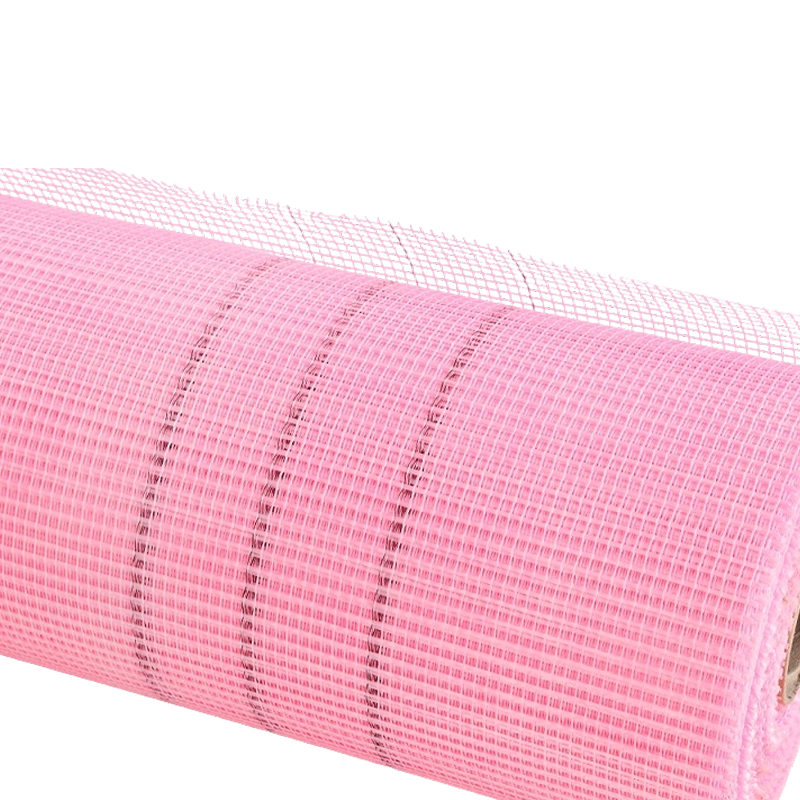 Wholesale 130-160g Outer Wall Fiberglass Mesh Fabric Manufacturers, SuppliersZhejiang Yuanda Fiberglass Mesh Co.,ltd. is a China 130-160g Outer Wall Fiberglass Mesh Fabric manufacturers and 130-160g Outer Wall Fibe...View Product →
Interior Walls and Plaster
Inside the building, shrinkage at panel joints and drying cracks are the main risk. Lighter meshes embed smoothly and are less likely to telegraph through the finish. 80 g/m² and 130 g/m² interior fiberglass mesh covers most interior plaster and tile-backing applications.
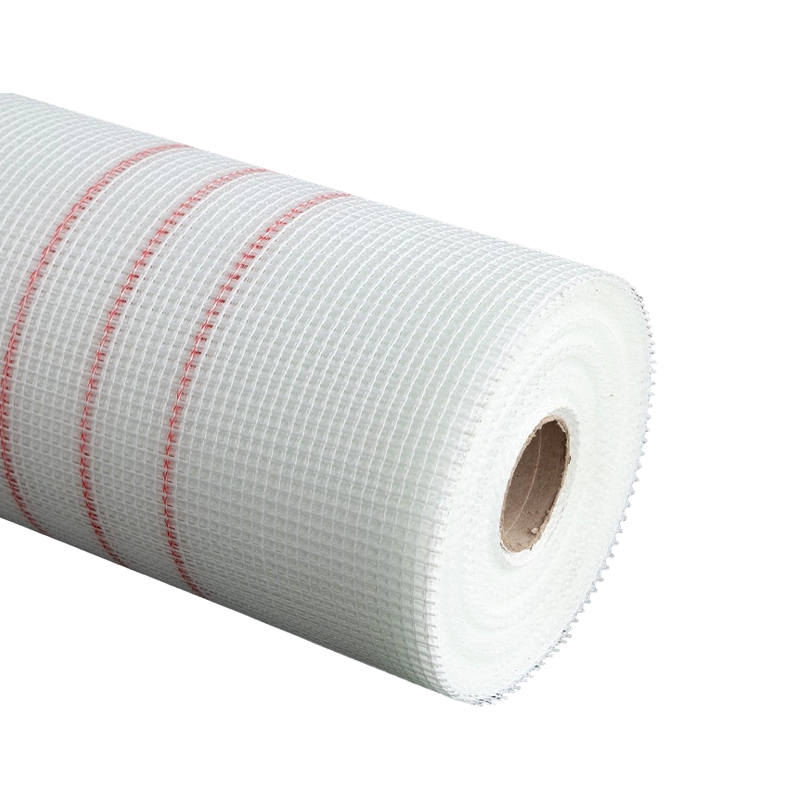 Wholesale 80-130g Inner Wall Fiberglass Mesh Fabric Manufacturers, SuppliersZhejiang Yuanda Fiberglass Mesh Co.,ltd. is a China 80-130g Inner Wall Fiberglass Mesh Fabric manufacturers and 80-130g Inner Wall Fiberg...View Product →
Heavy-Duty Use
Plinths, basements, elevator shafts, and mortar repairs need a mesh that can handle bigger forces and impacts. A 300 g/m² heavy-duty fiberglass mesh provides the extra tensile capacity and is also used in floor leveling compounds.
 Wholesale 300g Fiberglass Mesh Fabric Manufacturers, SuppliersZhejiang Yuanda Fiberglass Mesh Co.,ltd. is a China 300g Fiberglass Mesh Fabric manufacturers and 300g Fiberglass Mesh Fabric suppliers. ...View Product →
How to Install Fiberglass Mesh Correctly
Correct installation matters as much as the mesh, and the most common error is embedding the mesh at the very surface instead of inside the coat.
- Prepare the substrate: remove dust, grease, and loose material, and dampen the surface if the base is highly absorbent.
- Apply the base coat or adhesive at a thickness of 2-5 mm before pressing in the mesh.
- Embed the mesh flat, working from the center outward to remove wrinkles and trapped air, and overlap the next strip by at least 50 mm for interior plaster and 100 mm for exterior systems.
- Cover the mesh completely with the remaining base coat so it sits in the middle of the layer, then level the surface.
- After the base coat cures, apply the finish coat and keep the wall damp during the first curing day in hot weather.
A detailed step-by-step walkthrough is available in our fiberglass mesh applications, selection, and installation guide.
Common Specification Mistakes and Procurement Risks
Most failed mesh projects come from five recurring mistakes, and all of them can be avoided during specification.
- Choosing uncoated or non-AR cloth: the fibers look normal but degrade quickly inside cement.
- Using an interior grade outside: the coating is too thin to handle facade exposure.
- Comparing price per roll without verifying the actual g/m² or roll length.
- Placing the mesh directly against the insulation board, leaving it outside the base coat where it does no work.
- Accepting a delivered roll without weighing it and checking the edge finish and overlap marks.
Specification records, testing background, and material references are collected in our technical resources section.
Fiberglass Mesh vs. Other Reinforcement Materials
Steel wire mesh and polypropylene mesh are the two main alternatives, and each has a weakness that limits it in cement-based systems.
| Property | AR fiberglass mesh | Galvanized steel mesh | Polypropylene mesh |
|---|---|---|---|
| Tensile strength | High and evenly distributed | Very high in wires, uneven at joints | Low |
| Alkali resistance | Designed for cement, excellent | Moderate; corrodes at cuts and joints | Moderate; becomes brittle |
| Site handling | Light, easy to cut | Heavy, needs tools | Light, easy |
| Complex shapes | Conforms to curves and corners | Difficult to bend and fix | Conforms but stretches |
| Long-term failure mode | No rust; coating protects fibers | Rust expansion causes re-cracking | Degrades under heat and UV |
For most plastering and rendering work, AR fiberglass mesh offers the best balance of strength, durability, ease of handling, and installed cost.
Frequently Asked Questions
Can fiberglass mesh stop large structural cracks?
No. Fiberglass mesh controls micro-cracks and surface movement such as drying shrinkage, temperature change, and fine joint movement. A moving structural crack needs a movement joint or engineered reinforcement; placing mesh over such a crack usually just shifts the crack to the edge of the mesh.
Is 160 g/m² mesh always better than 80 g/m²?
Only where the job needs it. Heavier mesh is stronger but stiffer and harder to bed into thin coats, and it does not conform to corners as easily. A lightweight interior ceiling needs an 80 g or 130 g mesh, not a stiff 300 g fabric.
How do I check alkali resistance without a lab?
Look at the strands: a genuine AR mesh is fully coated, not white and fluffy. Soak a sample in a saturated lime solution for a few days and rub it between your fingers; if the coating turns soft or the glass fibers separate, treat the product as low grade.
What overlap should I specify?
At least 50 mm for interior plaster and 100 mm for exterior insulation systems. Short overlaps create a double-thickness edge that becomes a crack path.
Conclusion
Choose the mesh weight according to the location, verify the alkali resistance and the delivered grams, and install the mesh inside the coat with the correct overlap. The surface layer will then stay crack-free for the life of the building. That sequence of specification, verification, and installation is the difference between a mesh that works and one that only looks good on paper.