English
 中文简体
中文简体 Español
Content
What Is Alkali Resistant Fiberglass Mesh?
Alkali resistant fiberglass mesh is a woven glass fiber fabric coated with a polymer such as acrylic or SBR latex. That coating is what allows the mesh to survive the high-pH environment of cement, lime, and plaster and keep working as a crack-control reinforcement. If you are reinforcing render, stucco, or concrete skim coats, this is the material to specify.
The glass yarns inside the mesh provide tensile strength, while the coating provides durability in alkaline conditions. Without the alkali-resistant treatment, glass fibers are quickly etched by calcium hydroxide in wet cement, losing strength and becoming brittle. EN 15422 and similar standards specify how much retained strength is required after accelerated aging in alkaline solution, which is why coated mesh is a mandatory component in EIFS, ETICS, and most cementitious reinforcement systems.
Why the coating is the key differentiator
The coating does more than just protect the glass. It also stiffens the weave, keeps the mesh flat during installation, protects the yarns from abrasion, and improves bonding with the surrounding render or mortar. A good coating should fully cover each yarn bundle, not just the surface of the fabric. When you cut a roll in half, you should not see dry white glass strands inside the cross-section.
For a broader look at how to select and install this material, read our fiberglass mesh applications, selection and installation guide. It covers the same topic from the contractor's point of view, with more step-by-step detail.
Key Technical Properties You Should Evaluate
Not all alkali resistant meshes are equal. When you compare products, focus on four numbers: unit weight, mesh opening, tensile strength, and coating content. Together, these determine whether the mesh will perform for the life of the building.
Unit weight is the fastest indicator of strength. Commercial mesh rolls typically range from 50 g/m² to more than 450 g/m². Heavier mesh is stronger but also stiffer, so it is used in high-impact zones. Mesh opening, measured between warp and weft yarns, affects how well the mesh anchors into the render or plaster and how easily it conforms to corners.
Common mesh sizes and their applications
| Mesh size | Typical application | Typical weight range |
|---|---|---|
| 2 × 2 mm | Waterproofing coats, balconies, water tanks | 50–80 g/m² |
| 3 × 3 mm | Interior levelling, crack repair | 80–110 g/m² |
| 4 × 4 mm | Render base coats, EIFS/ETICS | 110–160 g/m² |
| 5 × 5 mm | External corners, high-impact areas | 160–250 g/m² |
| 10 × 10 mm | Heavy-duty industrial floors | 300 g/m² and above |
In addition to the table, verify the alkaline resistance test report. A reliable supplier will show retained tensile strength after immersion in a NaOH solution, typically 60–80% after 28 days or more. Also check the warp and weft tensile strength values separately, because a mesh can be strong in one direction and weak in the other.
For technical definitions and downloadable data sheets, see our engineering resources section.
How to Choose Alkali Resistant Mesh by Application
The right mesh is the one that matches the mechanical load and the substrate. Choose by location first, then by weight and mesh size.
Exterior walls and EIFS/ETICS
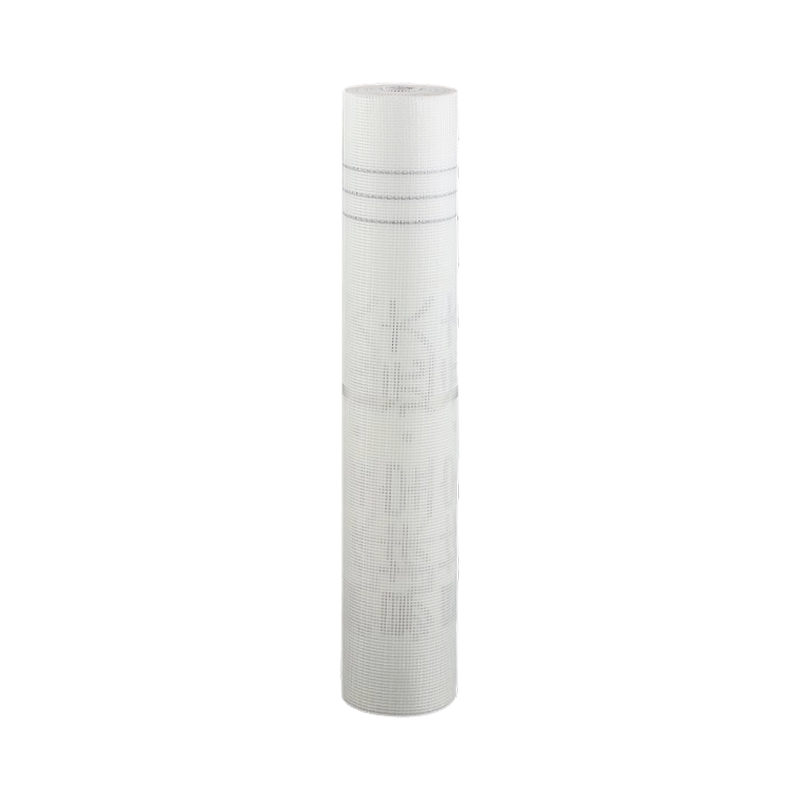
External insulation systems need a mesh that balances strength with flexibility. The mesh is normally embedded in the base coat under the finish coat, protecting the insulation board from impact and temperature movement. A 4 × 4 mm or 5 × 5 mm opening with a unit weight of 130–160 g/m² is a common specification. For this job, use a dedicated 130/160 g outer wall fiberglass mesh. It provides the combination of tensile strength and extensibility needed for exterior exposure.
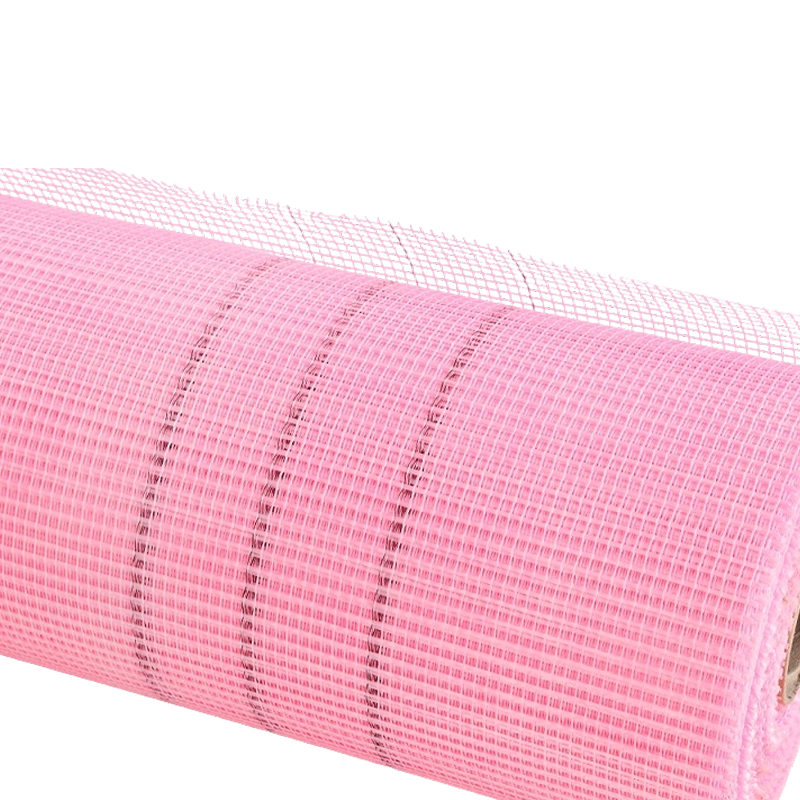 Wholesale 130-160g Outer Wall Fiberglass Mesh Fabric Manufacturers, SuppliersZhejiang Yuanda Fiberglass Mesh Co.,ltd. is a China 130-160g Outer Wall Fiberglass Mesh Fabric manufacturers and 130-160g Outer Wall Fibe...View Product →
Interior drywall and plaster reinforcement
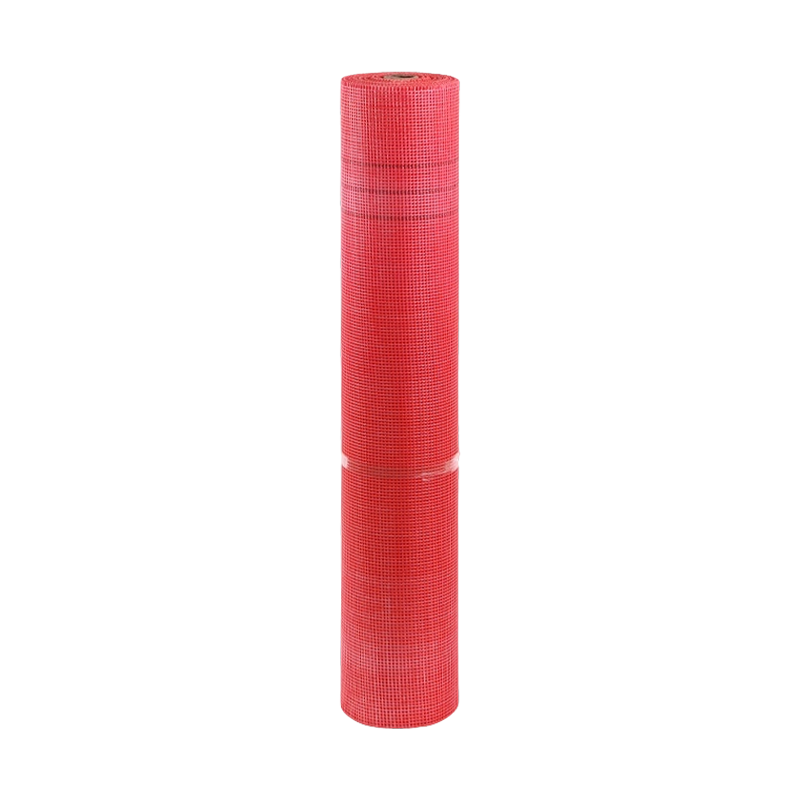
Inside the building, lower stress means you can use a lighter mesh. For drywall joints, corner reinforcing, and levelling coats, a 3 × 3 mm or 4 × 4 mm mesh at 80–130 g/m² is usually enough. Our 80/130 g inner wall fiberglass mesh is made for this kind of application: easier to bend, less visible under paint, and still strong enough to stop hairline cracks from returning.
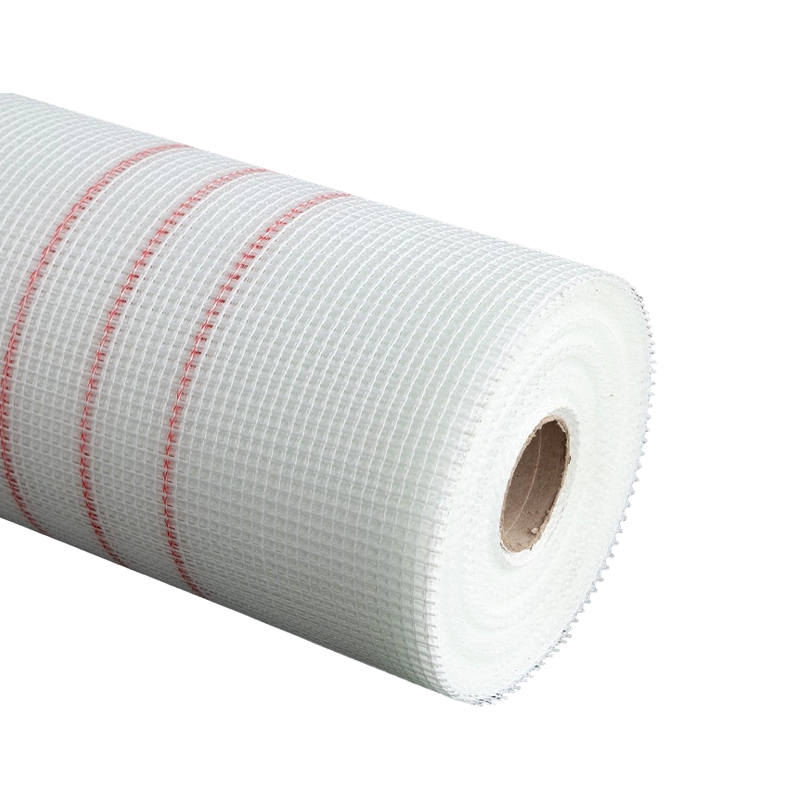 Wholesale 80-130g Inner Wall Fiberglass Mesh Fabric Manufacturers, SuppliersZhejiang Yuanda Fiberglass Mesh Co.,ltd. is a China 80-130g Inner Wall Fiberglass Mesh Fabric manufacturers and 80-130g Inner Wall Fiberg...View Product →
High-impact and industrial surfaces
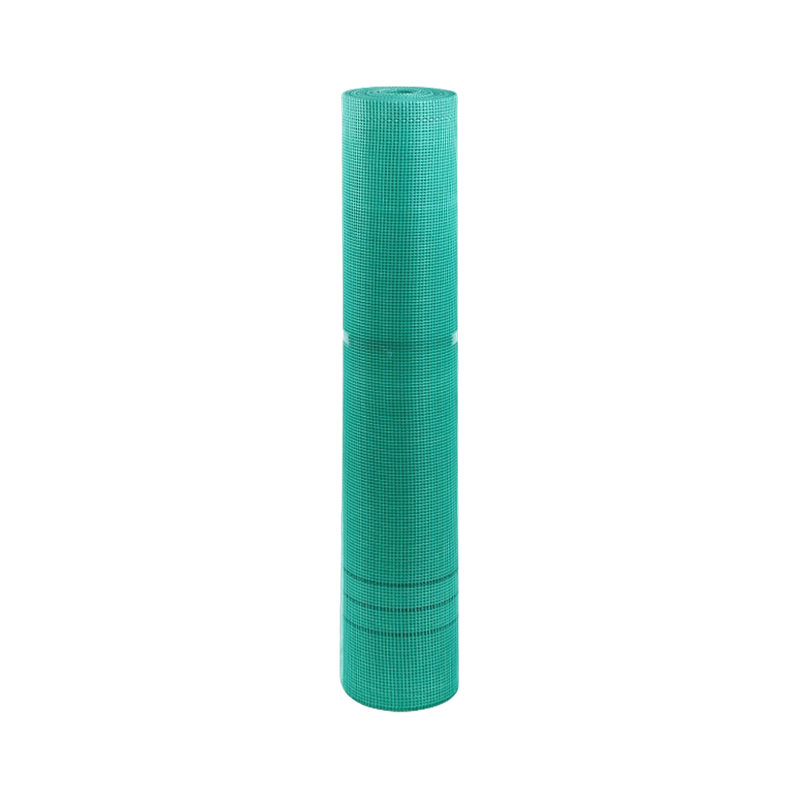
Heavy-duty areas such as industrial floors, workshops, and areas subject to frequent impact need the strongest mesh you can embed. A 300 g/m² mesh with a 10 × 10 mm or wider opening provides the highest tensile strength in the product line. It is also used for reinforcing concrete slab edges and for strengthening masonry. Choose the 300 g fiberglass mesh fabric when the specification calls for maximum crack resistance in a cementitious screed or repair mortar.
 Wholesale 300g Fiberglass Mesh Fabric Manufacturers, SuppliersZhejiang Yuanda Fiberglass Mesh Co.,ltd. is a China 300g Fiberglass Mesh Fabric manufacturers and 300g Fiberglass Mesh Fabric suppliers. ...View Product →
To compare all available weights and roll sizes, see the full fiberglass mesh product range.
Installation Tips and Common Mistakes
Even the best mesh fails if it is installed incorrectly. The following rules apply to most render, plaster, and EIFS applications.
- Embed the mesh in the middle third of the render coat, not directly on the substrate and not on the surface. This gives the matrix enough cover on both sides.
- Overlap adjacent strips by at least 10 cm. A 5 cm overlap may be acceptable in some systems, but 10 cm is safer at corners and joints.
- Do not stretch the mesh. A folded or creased mesh creates a weak line in the render. Press it flat and remove air bubbles.
- Use alkali resistant mesh for all cement-based bases. Ordinary fiberglass mesh will disintegrate in the alkaline pore water of cement.
- Cut the mesh with sharp scissors or a knife. Torn edges may unravel and reduce the effective tensile width.
Common mistakes to avoid
One frequent error is placing the mesh only in crack-susceptible areas instead of the full surface. Another is using a lighter mesh than the system requires to save cost. The result is cracking that appears after one or two seasons. Always follow the mesh supplier's technical data sheet and the render or EIFS system designer's drawing.
Frequently Asked Questions
Can ordinary fiberglass mesh be used in cement render?
No. Ordinary fiberglass mesh is not protected against the alkaline attack from cement and lime. In a moist, alkaline environment, the glass fibers lose tensile strength within months. Always choose a mesh with a dedicated alkali-resistant coating, especially in exterior systems.
What does the alkali resistance test measure?
The test measures retained tensile strength after the mesh is immersed in a sodium hydroxide solution at a controlled temperature for a defined period. A typical requirement is retaining at least 60% of its original tensile strength after 28 days. The exact value depends on the standard your project follows.
How do I know which mesh weight to buy?
Use the building system's specification. For general interior levelling, 80–130 g/m² is typical. For exterior EIFS base coats, 130–160 g/m² is common. For industrial floors and high-impact locations, choose 300 g/m² or heavier. When in doubt, ask the supplier for the tensile strength data, not just the weight.
Can I use the same mesh for corners and flat surfaces?
Flat surfaces need a lighter, easier-to-handle mesh. Corners, edges, and window openings need a stronger or double-layered mesh because they are more vulnerable to impact. Many systems use a standard wall mesh over the full area and a heavier or wider mesh at corners and joints.
Final Recommendation
For any cementitious reinforcement, choose an alkali resistant fiberglass mesh with the correct weight, mesh size, and verified alkaline resistance. Start with the application, match the technical data, then compare products.
For most exterior insulation systems, a 130/160 g mesh with a 4 × 4 mm opening is the safe default. For interiors, a lighter 80/130 g mesh is more practical and economical. For industrial or high-impact surfaces, move up to 300 g mesh and confirm the tensile strength values with the manufacturer.
The information in this article gives you a solid selection framework. For unusual loading or non-standard substrates, ask the manufacturer to confirm the mesh specification rather than guessing.