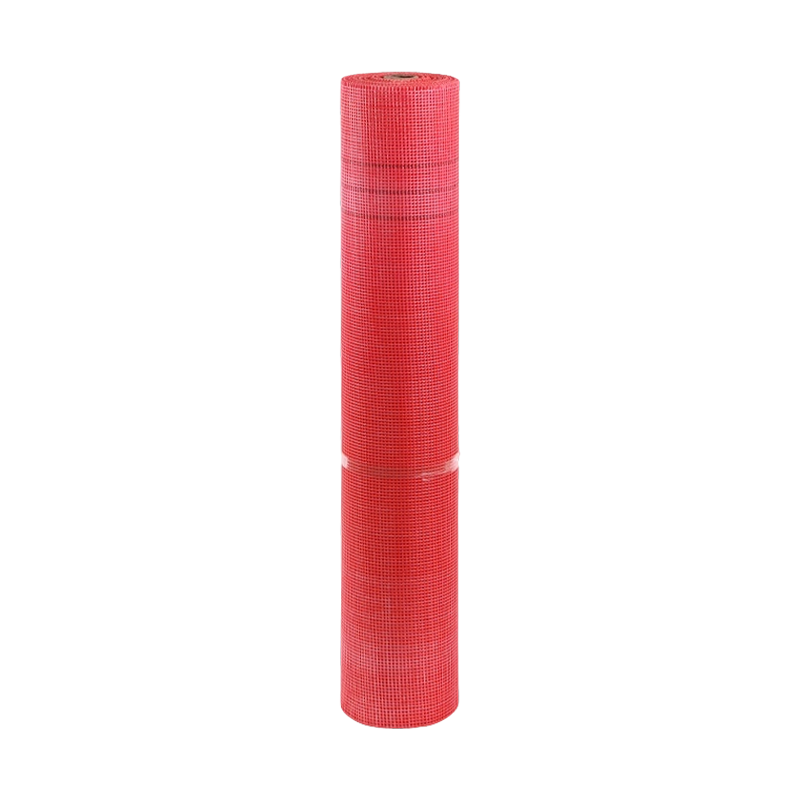
What Is Fiberglass Mesh Drywall Tape?
Picture this: you are in the middle of a drywall job, and every seam needs to be taped before the first coat of compound goes on. You have a roll of self-adhesive fiberglass mesh drywall tape in one hand and paper tape in the other. The choice is not just about price; it determines how fast you finish, how flat the wall looks, and whether hairline cracks appear six months later.
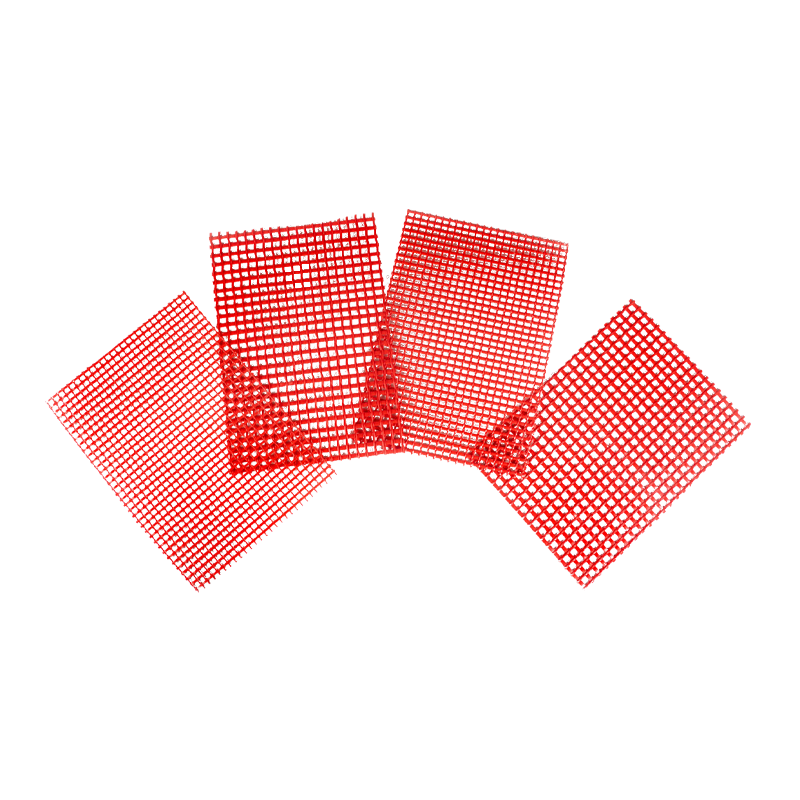
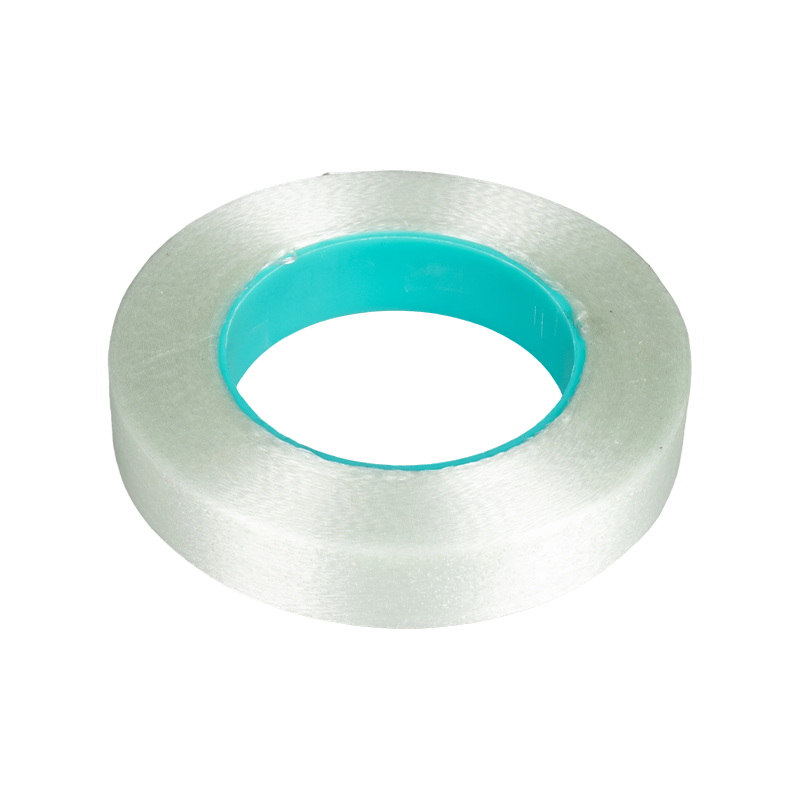
Fiberglass mesh drywall tape is an open-weave netting made from alkali-resistant glass fiber yarns with a pressure-sensitive adhesive on one side. Unlike paper tape, it sticks directly to bare drywall with no need to embed it in wet compound first. The standard width for drywall joints is two inches, and the tape is designed to be strong enough to hold the seam together while open enough to let joint compound bond through the mesh openings.
The material belongs to the same family as the wider building reinforcement fabrics used in interior and exterior wall systems. The key difference is that drywall tape is manufactured specifically for taping joints: the knitting is tighter, the adhesive is controlled for immediate grab, and the edges are cut cleanly so they lie flat. For a broader look at how this material is used across wall reinforcement, the complete fiberglass mesh fabric product range is a useful reference.
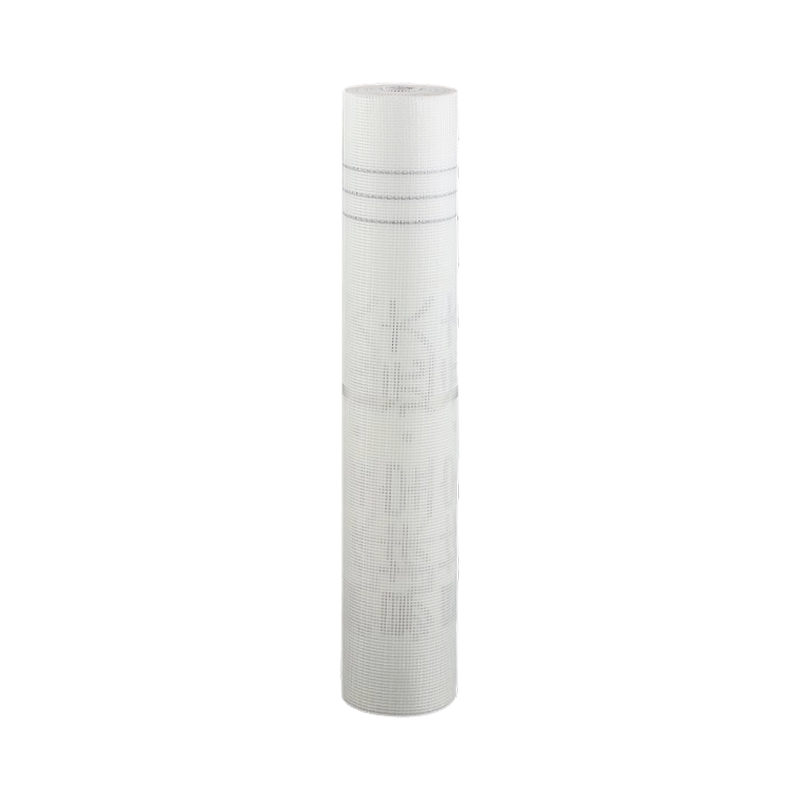 Custom Fiberglass Mesh Fabric Manufacturers, FactoryZhejiang Yuanda Fiberglass Mesh Co.,ltd. is a premier China Fiberglass Mesh Fabric manufacturers, offering custom solutions direct from o...View Product →
Fiberglass Mesh Tape vs Paper Tape: Key Differences at a Glance
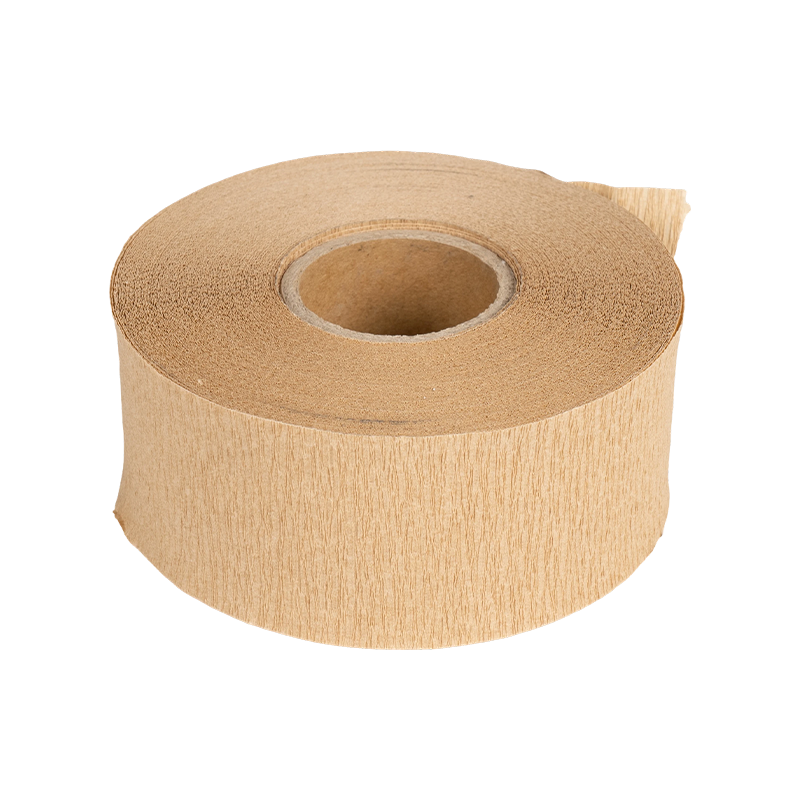
The short version is simple. Fiberglass mesh tape is faster and more resistant to moisture and alkali. Paper tape is stiffer, cheaper, and still the safer choice for large flat seams when the framing may move.
Comparison of fiberglass mesh drywall tape and paper tape for common drywall finishing work.
| Factor |
Fiberglass mesh tape |
Paper tape |
| Application method |
Self-adhesive backing; pressed onto drywall and then covered with compound. |
Must be laid into a bed of wet joint compound before the finish coat. |
| Speed |
Apply the tape first, then coat it immediately. No waiting for an embedding layer. |
Requires an extra step and more careful handling to avoid air bubbles. |
| Bond strength |
Forms a strong mechanical bond when compound cures through the open weave. |
Bond depends on the contact between paper, compound, and the drywall face. |
| Flexibility and crack risk |
More elastic. It is easier to handle, but joints are more likely to develop cracks under structural movement. |
Less stretch. Once embedded, it provides a stiff substrate that resists normal wall movement. |
| Moisture and alkali resistance |
Inorganic glass fiber does not feed mold and performs well in damp or alkaline environments. |
Paper is organic and can support mold if it stays wet. |
| Cost per project |
Often a little more expensive per roll, though time savings can offset the difference. |
Lower upfront cost. Fine Homebuilding reported a 250-ft. roll at roughly $1.55. |
The biggest mistake DIYers make is assuming that stronger tape always means stronger joints. As Fine Homebuilding notes, the elasticity that makes mesh easy to work with also makes joints more likely to crack when the substrate moves. That does not mean mesh is bad. It means you have to use it the right way and pair it with the right compound.
If you choose fiberglass mesh drywall tape, use a setting-type compound, sometimes called powdered compound, rather than a lightweight all-purpose drying compound. Setting-type compound hardens by chemical reaction and develops higher strength faster. That makes a meaningful difference on joints that will take physical stress.
When to Use Fiberglass Mesh Drywall Tape (and When Not To)
There is no universal winner. The best choice depends on the joint, the room, and how much movement the building is likely to see.
Use fiberglass mesh drywall tape when:
- You are repairing a drywall crack, hole, or damaged seam and need a quick, reliable bond.
- You are working on inside or outside corners and want the tape to stay in place while you position corner bead or apply the first coat.
- You are taping joints over cement board, fiber cement board, or other alkaline substrates where paper can degrade over time.
- You are finishing a bathroom, laundry room, or other high-moisture area where mold resistance matters.
Avoid fiberglass mesh drywall tape when:
- You are finishing long flat seams and butt joints on a large ceiling. Paper tape performs more predictably in those conditions.
- You need a perfectly smooth surface for high-gloss or textured-roller paint. A low-quality mesh with a visible weave can telegraph through thin finish coats.
- The joint sits in an area with known structural movement. If you are not sure, paper tape is the conservative choice.
If your joint will be under constant structural movement, choose paper tape, or use mesh tape together with setting-type compound and a flexible sealant detail where required.
Step-by-Step: How to Apply Fiberglass Mesh Drywall Tape Like a Pro
Fiberglass mesh tape is forgiving at the start, but it punishes rushed work later. These steps reflect how professional crews use it for crack-free seams.
- Prepare the surface before you unroll the tape. The joint must be clean, dry, and free of dust. Grease, drywall dust, or loose paper on the face will reduce adhesion and create bubbles.
- Apply the tape directly to the seam. Peel off the backing or unroll the self-adhesive side onto the drywall and press it down with your fingers. Run your finger along the centerline first, then smooth the edges outward to push out trapped air.
- Cover the tape with a setting-type compound as soon as possible. Use a four- or six-inch drywall knife and push the compound firmly into the mesh openings. Do not stretch the compound too thin; visible mesh after the first pass is a sign that the next coat will be difficult.
- Let the first coat harden, then scrape off any ridges. Once the compound has set, the tape should be fully buried. Apply a second coat that is wider than the first, usually about six inches, to blend the tape texture into the surrounding drywall.
- Apply a third, wider finish coat. Use a ten- or twelve-inch knife and feather the edges so the repair disappears into the wall. Keep each coat wider than the previous one to avoid a raised band.
- Sand after the final coat is completely dry. Use 120- to 150-grit sandpaper and smooth the area with light pressure. If sanding exposes the mesh, you removed too much compound; add another thin coat and let it dry before sanding again.
The most common cause of failure is not the tape itself. It is a thin first coat that leaves mesh exposed, or using a drying-type compound that shrinks too much. Take the extra minute to bury the tape completely and the result will look flat and stay flat.
How to Choose a Quality Fiberglass Mesh Drywall Tape: 5 Things to Check
Price differences between rolls usually reflect material weight, coating quality, and adhesive reliability. Here are the five specifications worth checking before you buy.
1. Check the weight in grams per square meter
The weight of fiberglass fabric is expressed in GSM, or grams per square meter. In drywall tape, weight is a trade-off: heavier fabric adds tear strength, but it also becomes stiffer and harder to mold around tight corners. For interior wall reinforcement, a common reference point is the 80/130g alkali-resistant fiberglass mesh fabric. When comparing drywall tape, ask the supplier for the specific GSM of the roll and check how easily it bends around a 90-degree corner.
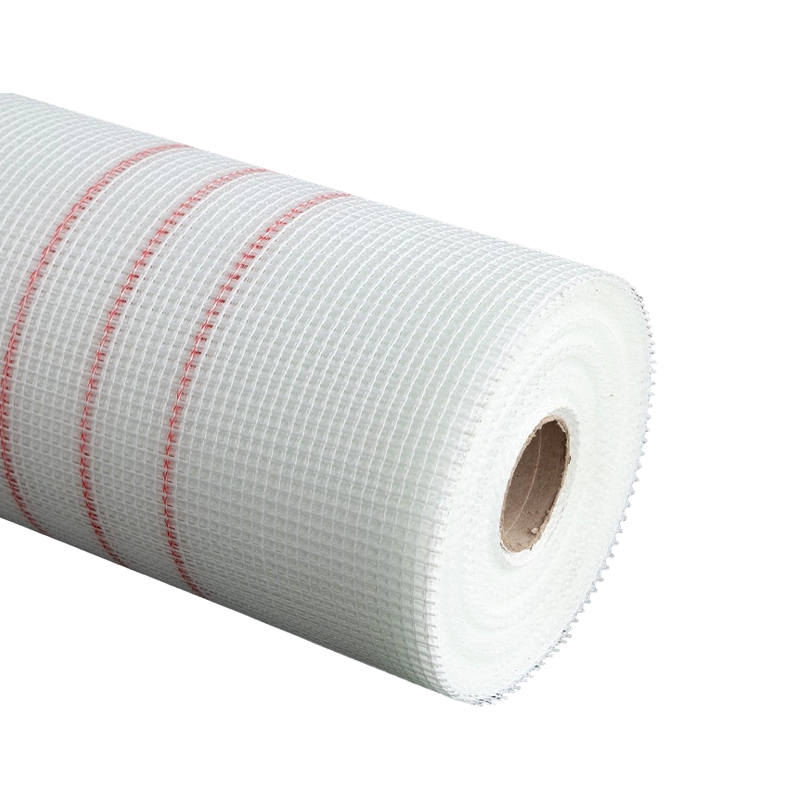 Wholesale 80-130g Inner Wall Fiberglass Mesh Fabric Manufacturers, SuppliersZhejiang Yuanda Fiberglass Mesh Co.,ltd. is a China 80-130g Inner Wall Fiberglass Mesh Fabric manufacturers and 80-130g Inner Wall Fiberg...View Product →
2. Verify the alkali-resistant coating
Raw glass fiber degrades in alkaline environments unless it has a protective coating. A quality fiberglass mesh drywall tape has an even coating that does not flake off when bent. Look at the color across the roll; patchy or chalky spots suggest inconsistent treatment.
3. Test the adhesive before committing to a case lot
Unroll a small piece and press it onto a clean piece of drywall. It should stick immediately and stay flat after you run a finger across it. If the edges lift, curl, or fail to grab after several seconds, the adhesive is too weak for production work.
4. Inspect the weave uniformity
Hold the tape up to light and check that the mesh openings are square and evenly spaced. Broken yarns, fuzzy areas, or irregular holes create weak points that can open along the joint later. High-quality mesh looks clean and consistent across the full width of the roll.
5. Compare roll length and price per linear foot
Some discount rolls are shorter than standard lengths, which makes the price per roll misleading. Divide the total cost by the length of tape on the roll. Also check the packaging and core quality; damaged edges on the roll are a reliable sign of poor handling or substandard production.
Final Verdict: Is Fiberglass Mesh Drywall Tape Right for Your Project?
Answer three questions before you decide. First, is this a small repair or a full wall taping job? For patches and embedded corner repairs, fiberglass mesh drywall tape is hard to beat. For long flat seams, paper tape remains the safer default. Second, is the joint in a wet or alkaline environment? If yes, the moisture and alkali resistance of mesh tape gives it a clear advantage. Third, will the seam move? If there is any doubt, paper tape handles micro-movement better than mesh.
Fiberglass mesh drywall tape is not a replacement for every roll of paper on the truck. It is a strategic tool: faster to apply, resistant to moisture, and dependable when you use setting-type compound. The key is matching the tape to the condition of the job, not just picking the most convenient option.
For contractors looking beyond a single roll, product consistency matters more than the brand name on the label. Before placing a larger order, ask the manufacturer for weight specifications, coating details, and packaging information. If you want to evaluate a supplier with factory-level quality control, it is worth reviewing our manufacturing capabilities and export experience as part of the decision.


 English
 中文简体
中文简体 Español