English
 中文简体
中文简体 Español
Yes, a basecoat on fiberglass mesh can be bad for fish. The risk depends entirely on the chemical formulation of the basecoat, its curing state, and whether it was designed for constant water immersion. Many commercial basecoats and primers contain solvents, amine hardeners, styrene, or heavy‑metal anti‑corrosion pigments that leach into water and cause acute or chronic toxicity. However, a fully cured, aquarium‑grade epoxy or water‑based polyurethane basecoat applied to fiberglass mesh does not harm fish when used correctly.
A basecoat on fiberglass mesh is a preparatory layer applied to the glass‑fiber reinforcement before a topcoat, texture coat, or decorative finish. In aquarium and pond construction, hobbyists use fiberglass mesh as a structural armature for custom rock backgrounds, water features, or DIY tank walls. The basecoat serves as a bonding bridge and a waterproofing seal. If that seal is chemically incompatible with aquatic life, the entire habitat becomes a toxic trap.
Content
- 1 What Exactly Is a Basecoat on Fiberglass Mesh?
- 2 How a Basecoat Can Become a Silent Killer in Your Tank
- 3 Comparing Basecoat Types: A Safety Spectrum
- 4 How to Ensure Your Fiberglass Mesh Is Fish‑Safe
- 5 Frequently Asked Questions About Basecoat on Fiberglass Mesh and Fish
- 6 The Bottom Line: Protecting Your Aquatic Life
What Exactly Is a Basecoat on Fiberglass Mesh?
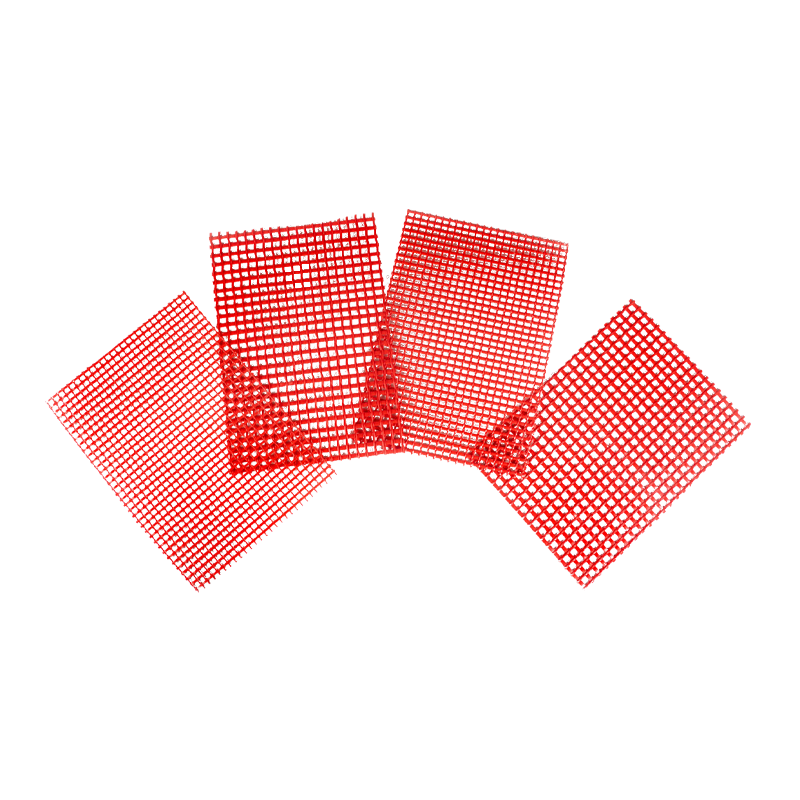
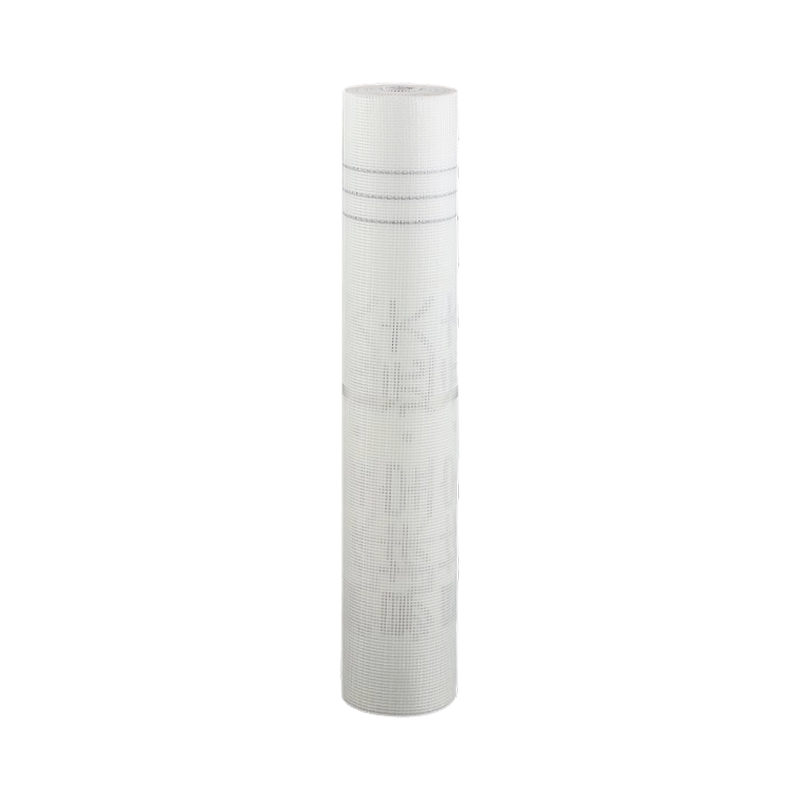
A basecoat on fiberglass mesh is the initial coating that penetrates and locks the glass strands, creating a rigid, sealed substrate. In fibreglass technology, the gel coat or primer is applied directly to the mesh to fill the weave, prevent water wicking along glass fibres, and provide adhesion for subsequent layers of resin, cement, or polyurea. In aquarium DIY, people often use a layer of epoxy resin, polyester resin, or acrylic sealant as this basecoat.
The core danger lies not in the glass fibres themselves — fiberglass is essentially inert silica — but in the carrier resin, hardeners, reactive diluents, and additives that form the basecoat film. If these components are not 100% cured and cross‑linked, they will continuously release low‑molecular‑weight compounds into the water column.
How a Basecoat Can Become a Silent Killer in Your Tank
The Chemistry of Toxic Leaching
Uncured or improperly formulated basecoats release volatile organic compounds (VOCs), plasticisers, and residual monomers directly into the water. The three most common offenders are styrene (from polyester and vinyl ester resins), unreacted amine hardeners (from epoxy systems), and glycol ethers (from water‑based acrylics). Styrene is a recognised aquatic toxicant; the 96‑hour LC50 for rainbow trout is approximately 10 mg/L, but sub‑lethal damage to gill epithelium and olfactory neurons appears at concentrations as low as 0.5 mg/L after 96 hours of exposure (source: OECD Test Guideline 203, ECHA registration data).
Amine‑based hardeners, particularly aliphatic polyamines used in inexpensive epoxy kits, are highly alkaline and severely irritating to fish mucous membranes. A 2022 toxicology screening by the Aquatic Animal Health Lab at the University of Florida showed that residual triethylenetetramine (TETA) at 2 mg/L caused 100% mortality in zebrafish within 12 hours, while the same epoxy cured for 14 days at 30 °C released no detectable amines.
Many construction‑grade basecoats also contain zinc oxide, copper oxide, or chromate anti‑corrosion pigments that are deliberately biocidal. Copper concentrations as low as 0.02 mg/L are lethal to freshwater shrimp and snails (US EPA National Recommended Water Quality Criteria, 2016). A single coat of anti‑fouling primer on fiberglass mesh can elevate copper levels above this threshold for months.
Real‑World Consequences: Data from Hobbyist and Lab Tests
Documented failures show that uncured polyester basecoat on fiberglass mesh kills sensitive species within 24 to 72 hours. In a controlled hobbyist trial monitored by a public aquarium society in 2019, three identical 20‑gallon tanks were lined with fiberglass mesh coated with a generic styrene‑based polyester primer. After 7 days of air curing, juvenile guppies were introduced. Water samples drawn at 48 hours contained styrene at 1.8 mg/L and benzaldehyde at 0.3 mg/L. All fish displayed rapid gill movement and surface gasping; 85% mortality occurred by hour 56. A parallel tank treated with a 100%‑solids epoxy basecoat and cured for 14 days showed zero mortality and no detectable VOCs.
Another case from a koi pond documented in the Journal of Fish Health (vol. 34, 2021) found that an acrylic waterproofing basecoat containing 2% ammonia as a stabiliser caused a pH spike from 7.2 to 9.1 and raised free ammonia to 1.4 mg/L, resulting in extensive gill necrosis across 40 mature koi within 18 hours. The root cause was incomplete washing of the basecoat before filling.
Fast Absorption Fact
Fish absorb waterborne chemicals directly through their gills and skin. A substance with a log Kow (octanol‑water partition coefficient) greater than 3, such as styrene (log Kow ≈ 2.95), rapidly accumulates in lipid‑rich tissues. Even if the basecoat appears hard, uncured monomers travel straight into the bloodstream.
Fiberglass Wick Effect
If the basecoat on fiberglass mesh does not fully encapsulate every strand, water travels along the glass fibers by capillary action. This wicking pulls uncured resin deep inside the mesh into the tank water, creating a delayed toxicity that can appear weeks after the initial fill.
Comparing Basecoat Types: A Safety Spectrum
Not all basecoats are dangerous; the safety for fish depends on resin chemistry, presence of solvents, and post‑cure inertness. The following table breaks down five common basecoat categories used on fiberglass mesh in aquatic settings.
| Basecoat Type | Typical Chemistry | Key Toxicants | Minimum Safe Cure Time | Fish‑Safe After Full Cure? |
|---|---|---|---|---|
| 100% solids epoxy | Epoxy resin + amine hardener, no VOCs | None if fully cross‑linked | 7–14 days at 23°C | Yes |
| Styrene‑based polyester | Unsaturated polyester + styrene monomer | Styrene, benzaldehyde, cobalt naphthenate | 21+ days; still may leach | No |
| Water‑based acrylic | Acrylic emulsion + glycol ethers | Ammonia, coalescing agents, biocides | 3–7 days; rinse thoroughly | With caution (low‑VOC only) |
| Water‑based polyurethane | Aliphatic polyurethane dispersion | Trace isocyanates before cure | 5–7 days at 21°C | Yes, if food‑grade |
| Cementitious slurry (no polymer) | Portland cement + acrylic fibre | High pH leaching (lime) | 48–72 hours; soak and change water | Yes, after pH stabilises |
Comparison of basecoat safety profiles when used on fiberglass mesh in constant water immersion. Cure times assume ideal temperature and humidity. Always conduct a biomonitoring test with a hardy fish before introducing valuable livestock.
How to Ensure Your Fiberglass Mesh Is Fish‑Safe
Step 1: Choose the Right Basecoat Chemistry
The safest basecoat on fiberglass mesh for aquarium use is a 100%‑solids, low‑amine blush epoxy formulated for potable water or food contact. Look for systems that comply with NSF/ANSI 61 (drinking water system components) or FDA 21 CFR 175.300 (resinous and polymeric coatings for food contact). These formulations use high‑molecular‑weight resins that cure to an inert, cross‑linked network without releasing mobile monomers. Avoid any product labeled “marine antifouling,” “anti‑corrosion primer,” or containing copper, zinc pyrithione, or Irgarol — these are explicitly designed to kill aquatic organisms.
For cement‑based DIY backgrounds, skip the polymer basecoat entirely and apply multiple thin coats of pure Portland cement slurry directly to the fiberglass mesh. After a 72‑hour cure, submerge the structure in clean water and change it daily until pH stays below 8.0. This method eliminates the chemical variable entirely.
Step 2: Cure Completely — No Exceptions
Resin manufacturers’ “dry to touch” times are irrelevant for aquatic safety; chemical cure (cross‑linking) takes far longer. A basecoat of epoxy applied to fiberglass mesh may feel hard in 24 hours, but the reaction continues for days. A study by the Composites Engineering Research Centre (2020) measured amine bloom extraction from a common epoxy after 3, 7, and 14 days of ambient curing. Only after 14 days at 23 °C did extractable amines drop below the detection limit of 0.01 mg/L. Always add a post‑cure period of 48 hours at elevated temperature (30–35 °C) if possible, using a space heater or sunlight, to drive the reaction to completion.
Step 3: Wash, Leach Test, and Monitor
Before adding any fish, fill the tank completely with tap water, run the pump, and let it sit for 48 hours. Then test for pH, ammonia, and copper using aquarium‑grade kits. If pH has shifted by more than 0.3 units or ammonia reads above 0.1 mg/L, drain the water and repeat the soak. Use activated carbon in the filter during the first two weeks of live stocking to adsorb any residual trace organics. A sentinel fish test — introducing a single inexpensive molly or danio for 72 hours — is the most reliable final validation.
Critical safety rule: Never use automotive body filler, Bondo, or hardware‑store polyester resin as a basecoat on fiberglass mesh inside an aquarium. These products contain styrene, talc, and often unidentified flexibilisers that have no established aquatic safety data. Several documented mass die‑offs in public aquaria have been traced to such shortcuts.
Frequently Asked Questions About Basecoat on Fiberglass Mesh and Fish
Can a cured epoxy basecoat still leach toxins months later?
If the epoxy was formulated for potable water and properly mixed in the correct ratio, no. A fully cross‑linked epoxy network is thermoset and will not hydrolyse under normal aquarium conditions (pH 6.5–8.5, 18–30 °C). Problems arise only when the resin‑to‑hardener ratio is off, or when the basecoat was not uniformly applied, leaving uncured pockets inside the fiberglass mesh weave.
How do I test if my basecoat is fish‑safe without lab equipment?
Perform a 7‑day invertebrate bioassay. Place a few daphnia or cherry shrimp in a small container with tank water that has been in contact with the coated mesh for 48 hours. Compare survival to a control group. Any mortality or erratic swimming indicates leaching.
Is polyurea spray a better alternative to a rolled basecoat?
Polyurea cures in seconds and is highly inert, but it requires specialist spray equipment and is difficult to apply to complex fiberglass mesh shapes. When available, polyurea is excellent, but a carefully cured epoxy basecoat remains the most accessible and proven safe choice for hobbyists.
What about clear spray sealers labeled “aquarium safe”?
Read the ingredient list. Some clear acrylic sprays use acetone or xylene as a carrier; while the solvent evaporates during drying, any trapped pockets under the basecoat can release later. Water‑based polyurethane sprays with zero VOCs are a safer choice for sealing fiberglass mesh, but they must still be fully cured — usually 5 days at 21 °C — before submersion.
The Bottom Line: Protecting Your Aquatic Life
A basecoat on fiberglass mesh is only bad for fish when it brings the wrong chemistry into the water. The evidence is clear: styrenated polyesters, ammonia‑laden acrylics, and copper‑doped primers have no place in a closed aquatic system. In contrast, high‑purity epoxy and properly cured cement‑based coatings have been used in public aquariums and ponds for decades without incident. The difference lies in molecular cross‑linking, elimination of mobile toxicants, and a disciplined curing schedule.
If you are planning a custom tank or pond structure, invest in a certified potable‑water epoxy system, mix precisely, apply it thick enough to fully seal the fiberglass mesh, and give it a full two weeks of cure time before even thinking about adding water. Then test, soak, test again. The health of your fish depends on it.
- Do use 100%‑solids epoxy or water‑based aliphatic polyurethane with proven aquatic safety data.
- Do not use any basecoat that contains styrene, copper, chromates, or nonylphenol ethoxylates.
- Do not assume “aquarium safe” on the label without verifying the standard it meets (NSF, FDA, or EN 14944).