English
 中文简体
中文简体 Español
Fiberglass mesh application is a straightforward but critical decision: you embed a woven glass-fiber fabric into plaster, stucco, concrete, or insulation board to stop cracks and reinforce the surface. Cracked walls, delaminated renders, and failed joints are rarely caused by poor cement mix alone; they are often the result of missing or misapplied reinforcement mesh. This guide covers the most common areas where fiberglass mesh is applied, how to select the right weight and alkali-resistant coating, and the installation habits that make the difference between a durable finish and a future repair bill.
Content
- 1 What Is Fiberglass Mesh, and Why Does It Matter?
- 2 Main Applications of Fiberglass Mesh
- 3 How to Choose the Right Fiberglass Mesh Weight
- 4 Interior Plaster and Drywall Reinforcement
- 5 Specialized and Industrial Applications
- 6 Step-by-Step Installation Guide
- 7 Fiberglass Mesh vs. Alternative Reinforcement Solutions
- 8 Buying Considerations and Common Mistakes
- 9 Frequently Asked Questions
What Is Fiberglass Mesh, and Why Does It Matter?
Fiberglass mesh is a knitted or woven fabric made from continuous glass filaments, coated with a polymer resin. The coating protects the glass from the alkaline environment of cement and plaster, which would otherwise degrade bare glass over time. When embedded in a render or cementitious layer, the mesh absorbs and distributes tensile stresses across the surface, preventing concentrated cracks from opening.
In practice, the material works because glass fibers have high tensile strength and low elongation. The open scrim pattern allows the cement-based matrix to bond through the mesh, creating a composite that resists cracking, impact, and thermal movement. Without it, subtle shrinkage in cement can turn into visible cracks that let moisture in and compromise the entire system.
Main Applications of Fiberglass Mesh
Fiberglass mesh is used in any cement-based or resin-based composite where cracking control is needed. The common applications are:
- Exterior wall insulation systems (EIFS/ETICS) to reinforce the base coat and prevent cracks in the render layer.
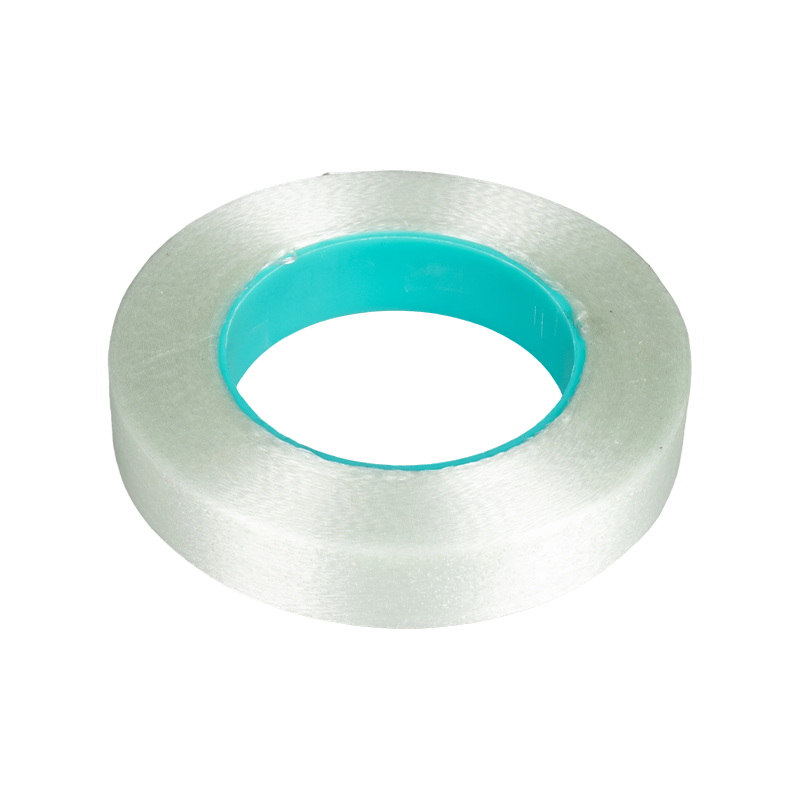
- Interior plaster and drywall joint reinforcement, typically with a self-adhesive mesh tape.
- Concrete slabs, floor screeds, and repair overlays to reduce plastic and drying shrinkage cracks.
- Tile underlayment and waterproofing membranes to keep the substrate from moving beneath tiles.
- Roof waterproofing and bitumen membranes to improve puncture resistance and tear strength.
- Glass-reinforced concrete (GRC) panels and architectural trim, where thin sections need reinforcement.
Each application demands a specific mesh weight and coating, so choosing the right specification is the core of a successful fiberglass mesh application.
How to Choose the Right Fiberglass Mesh Weight
The weight of the mesh, measured in grams per square meter (g/m²), determines its ability to resist cracking before it is buried in render. Lighter meshes are easier to work with and suit smaller movements; heavier meshes provide more tensile strength and are used where high stress or impact is expected. The alkali-resistant coating is equally important, as an uncoated or poorly coated mesh will lose strength inside cement.
| Weight | Typical application | Role |
|---|---|---|
| 80–130 g/m² | Interior walls, light plaster, drywall tape | Controls hairline cracks or minor movement |
| 130–160 g/m² | Exterior insulation systems, outer render | Standard façade reinforcement |
| 300 g/m² | High-impact floors, roofing membranes, GRC panels | Heavy-duty crack control and impact resistance |
For exterior façades, the 130–160 g/m² range is the industry-standard choice because it provides enough tensile strength while remaining easy to embed in a 3–5 mm base coat.
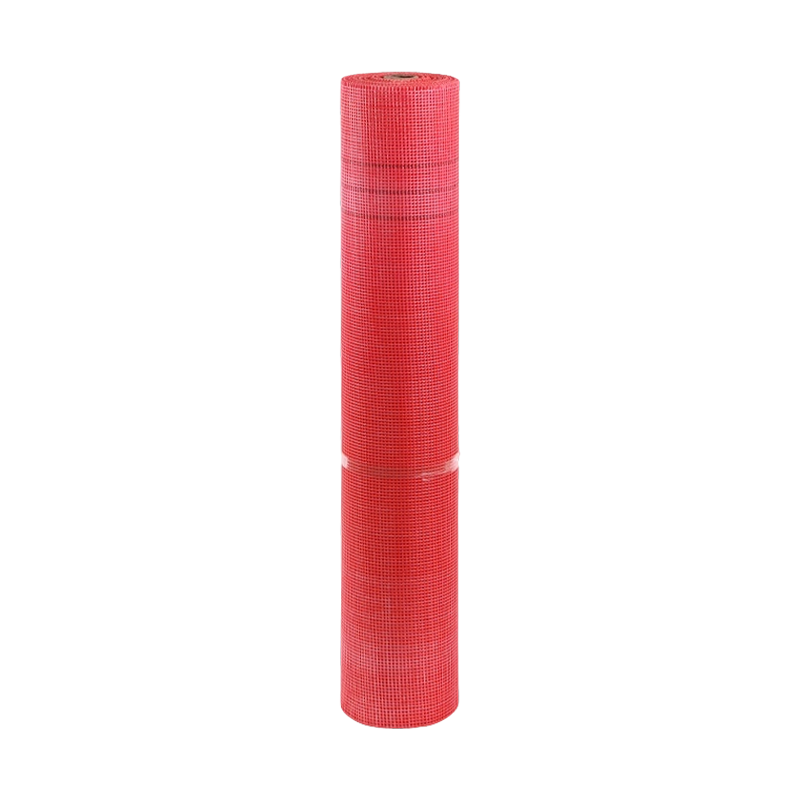
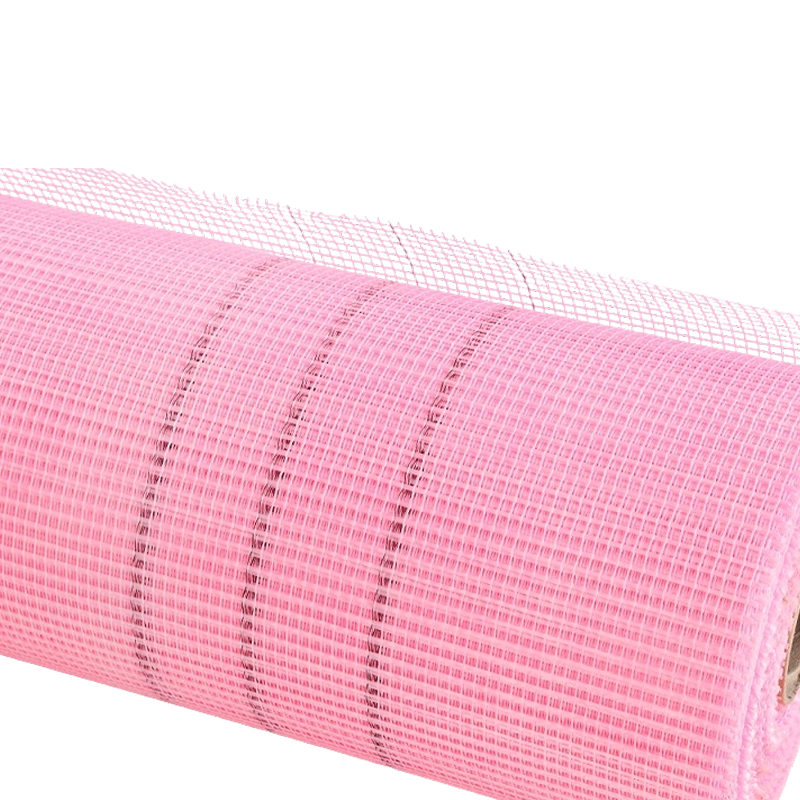 130-160g Outer Wall Fiberglass Mesh Fabric130-160g Outer Wall Fiberglass Mesh Fabric is a reinforcing material specifically designed for building exterior wall insulation systems, acting as a "soft steel reinf...View Product →
Interior Plaster and Drywall Reinforcement
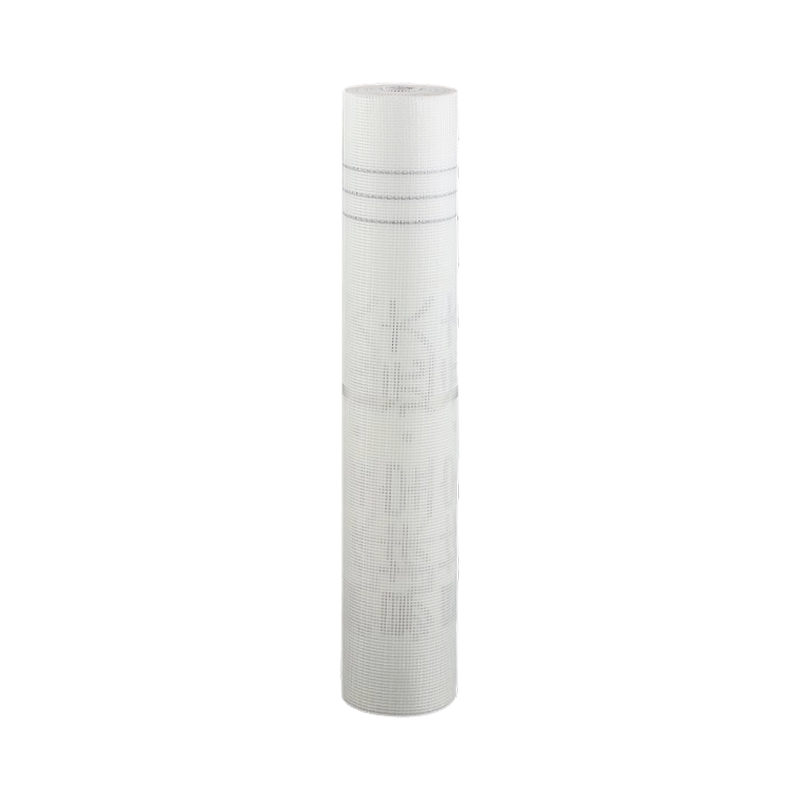
When dealing with internal walls, the fiberglass mesh application shifts from heavy reinforcement to movement control. Self-adhesive fiberglass mesh tape is placed over drywall joints to prevent the plaster from cracking along the seams. For wide or irregular cracks in existing plaster, a 80–130 g/m² mesh embedded into a fresh skim coat is a reliable repair strategy. The mesh must be fully covered by the render or plaster; leaving any edge exposed will show through and create a visible ridge.
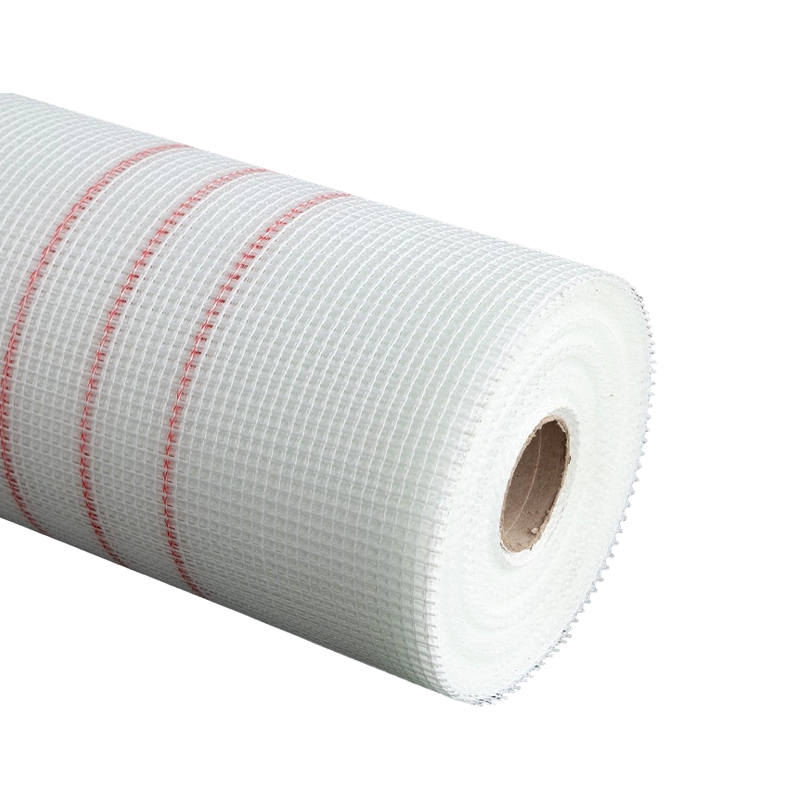 80-130g Inner Wall Fiberglass Mesh Fabric80-130g Inner Wall Fiberglass Mesh Fabric is a reinforcing material made from woven fiberglass fabric as the base material, treated with a polymer anti-emulsion coatin...View Product →
Specialized and Industrial Applications
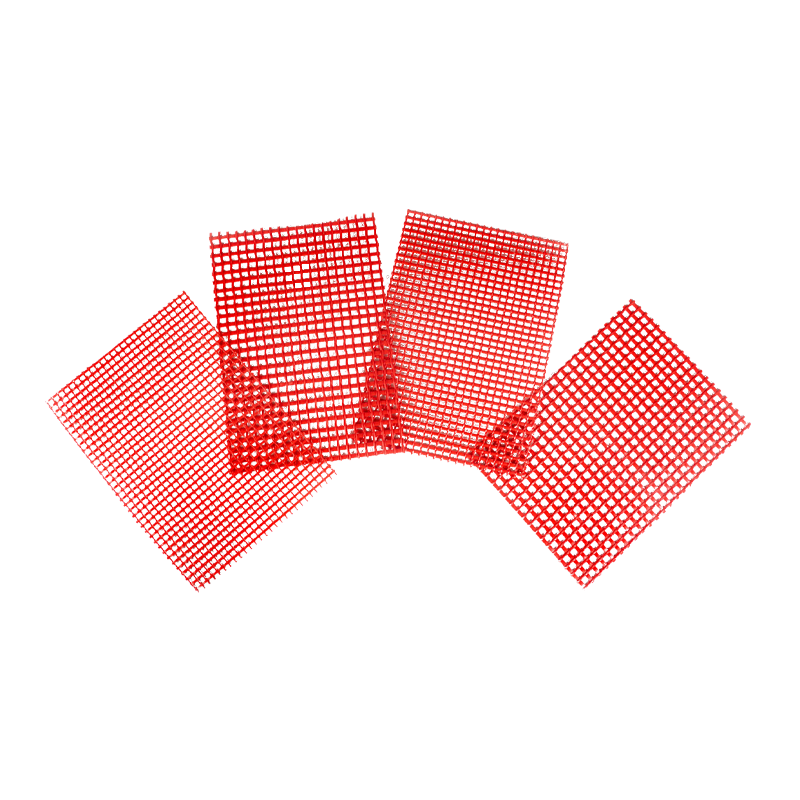
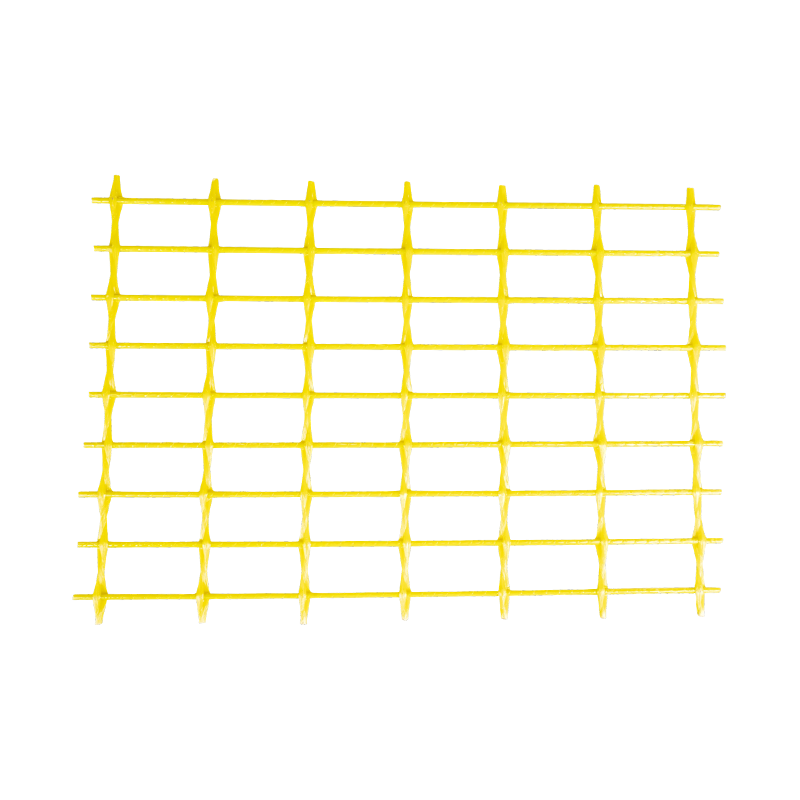
Beyond walls and plaster, fiberglass mesh appears in specialized industrial settings. In geotechnical engineering, it is used as a geogrid or reinforcement in soil stabilization and retaining walls. In composite manufacturing, it becomes the substrate for laminates, panels, and protective coatings. GFRP mesh sheets, made by laminating the mesh with epoxy resin, create a rigid, corrosion-resistant panel for platforms, cable trays, and trench covers. These sheets are stronger than plain mesh but share the same glass-fiber family.
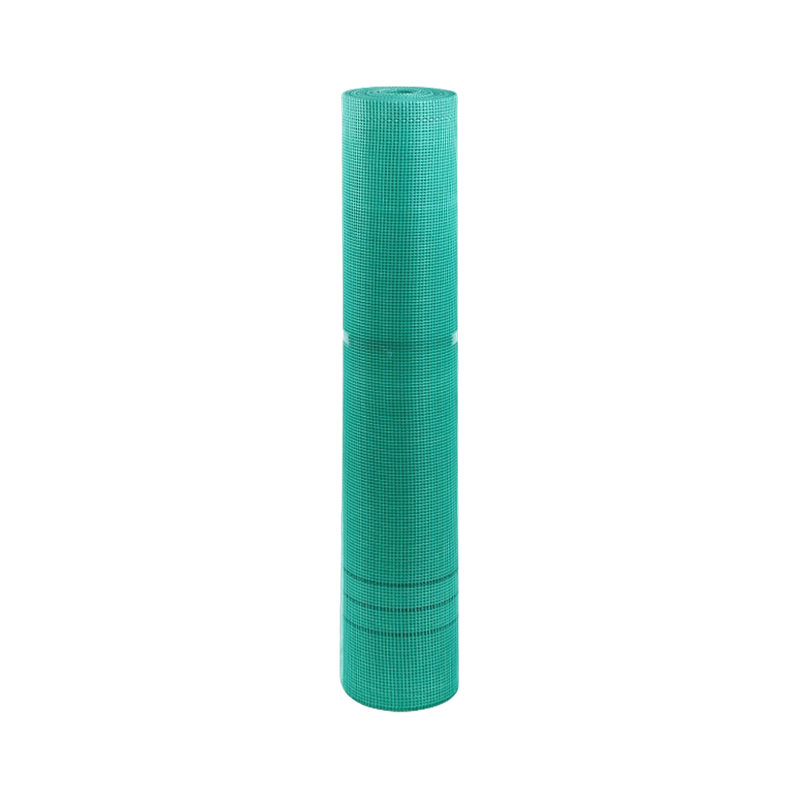
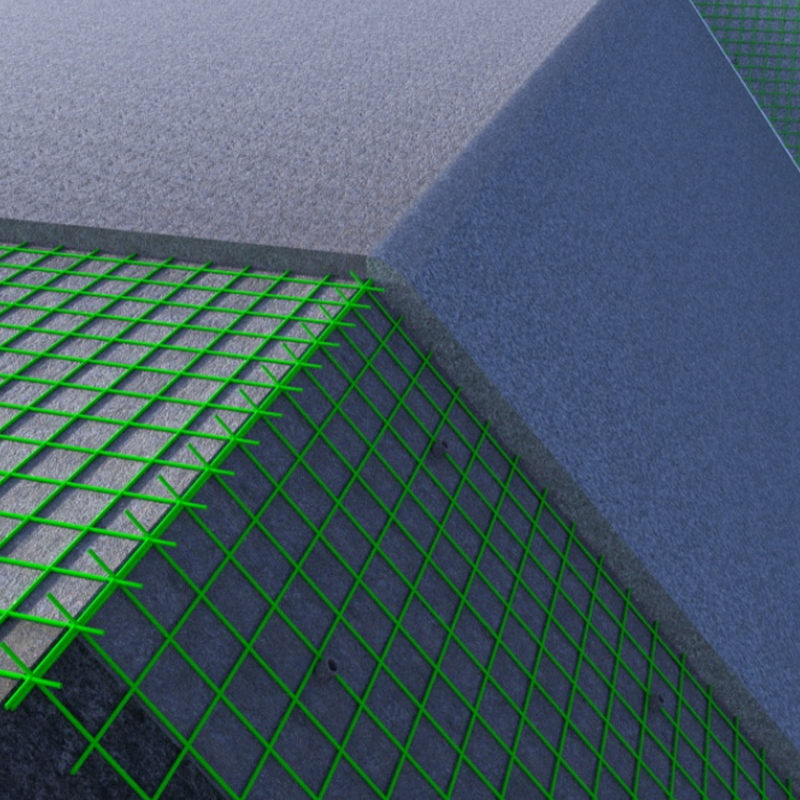 GFRP Epoxy Resin MeshGFRP (Glass Fiber Reinforced Polymer) Epoxy Resin Mesh is a high-performance composite reinforcement material. It is a two-dimensional grid structure made from alkali-...View Product →
Step-by-Step Installation Guide
Correct installation is more important than the mesh weight itself. Follow these steps to get a clean, strong reinforcement:
- Prepare the substrate: remove loose material, dust, and grease. The surface must be sound and slightly rough to allow mechanical adhesion.
- Apply the first layer of base coat or plaster at the correct thickness (typically 3–5 mm for external render).
- Place the fiberglass mesh into the wet base coat. Press it in with a trowel, starting from the center and working outward to remove air pockets.
- Ensure at least 10 cm overlap between adjacent mesh strips. The overlap zone receives the highest stress, so do not shortcut it.
- Embed the mesh fully. The grid pattern should be visible but not exposed; a thin film of render must cover the fibers.
- Apply a second coat or finishing render over the mesh, following the manufacturer's coverage thickness.
- Allow proper curing time before exposing the surface to moisture or mechanical loads.
For specific thicknesses and mixing ratios, refer to our fiberglass mesh application and selection installation guide or consult the material data sheet.
Fiberglass Mesh vs. Alternative Reinforcement Solutions
How does fiberglass mesh compare to other options used in the same positions?
- Steel wire mesh: Much stronger and rigid, but heavy, prone to rust, and hard to embed in thin renders. Fiberglass is lighter and does not corrode.
- Plastic mesh: Low cost and flexible, but much lower tensile strength and often not alkali-resistant. Suitable only for very light movement control.
- Paper joint tape: Good for drywall seams, but not for exterior render or cement-based surfaces because it absorbs moisture and can soften.
- Polyester geogrid: Higher elongation and used for soil reinforcement; not a direct replacement for cement-compatible mesh.
For cement-based systems, an alkali-resistant fiberglass mesh remains the most cost-effective balance of strength, handling, and durability.
Buying Considerations and Common Mistakes
When selecting a fiberglass mesh for a project, look at these three specification points first: the grams per square meter, the coating type, and the strand diameter. A proper alkali-resistant coating usually contains an acrylic or styrene-butadiene emulsion that gives the mesh a neutral or slightly colored appearance; a bright white mesh without a resin coating can degrade in cement. Common mistakes include using the wrong weight, overlapping too little, leaving the mesh exposed, or using a non-alkali-resistant product in a high-alkali cement system. These errors often lead to crack re-opening or adhesion loss within a few years. If you are procuring for many sites, request a sample and perform a simple hand-embedding test in a fresh render to confirm the mesh stays flat and breaks under finger pressure rather than snapping immediately. For deeper background on material selection and quality checks, explore our additional resources.
Frequently Asked Questions
Can fiberglass mesh be used directly on concrete without a base coat?
No. The mesh should be embedded in a cementitious or resinous base coat, not placed against a hard concrete surface. It needs a bonding matrix on both sides to work effectively.
What is the minimum overlap between mesh rolls?
At least 10 cm, and for high-stress areas like corners, 15–20 cm is safer. The overlap is the first place cracks appear, so do not reduce it.
Does fiberglass mesh expire?
Dry fiberglass mesh has a long shelf life if kept dry and away from direct sunlight. Once the coating degrades, the fibers become brittle. Store it in a cool, dry location.
Is the same mesh suitable for exterior and interior walls?
No. Exterior walls need a heavier mesh with a stronger alkali-resistant coating, while interior walls can normally use a lighter 80–130 g/m² product. Check the specification before ordering.
In short, fiberglass mesh application is about matching the mesh specification to the type of movement and exposure your surface will face. Use a 130–160 g/m² alkaline-resistant mesh for exterior insulation systems, an 80–130 g/m² mesh for interior repairs and plaster, and consider heavier GFRP sheets for industrial or high-load settings. Install it with proper overlaps and full coverage, and the result is a surface that remains crack-free for many years. If you are starting a new project, take the time to confirm the mesh weight, coating, and overlap before the first trowel touches the wall.