English
 中文简体
中文简体 Español
Transformer Accessories and Auxiliary Materials

| No. of Product | Width (mm) | Model of Raw Yam (tex) | Model of Raw Yam (tex) | Mesh (mm) | Mesh (mm) | Mesh (mesh/inch) | Mesh (mesh/inch) | Weave | Resin Content (%) | Weight (g/m 2) | Fracture Strength (N/50mm) | Fracture Strength (N/50mm) |
| Warp | Woof | Warp | Woof | Warp | Woof | Warp | Woof | |||||
| 1 | 1000-1250 | 32x2 | 204 | 5 | 5 | 5 ± 0.5 | 5 ± 0.5 | union | 20 ± 2 | 65 ± 3 | 500 | 500 |
| 2 | 1000-1250 | 50x2 | 255 | 5 | 5 | 5 ± 0.5 | 5 ± 0.5 | union | 18 ± 2 | 80 ± 3 | 800 | 900 |
| 3 | 1000-1250 | 100x2 | 306 | 5 | 5 | 5 ± 0.5 | 5 ± 0.5 | union | 18 ± 2 | 125 ± 3 | 1100 | 1300 |
| 4 | 1000-1250 | 134x2 | 357 | 5 | 5 | 5 ± 0.5 | 5 ± 0.5 | union | 18 ± 2 | 145 ± 3 | 1300 | 1500 |
| 5 | 1000-1250 | 134x2 | 408 | 5 | 5 | 5 ± 0.5 | 5 ± 0.5 | union | 18 ± 2 | 2160 ± 3 | 1500 | 1700 |
| 6 | 1000-1250 | 50x2 | 204 | 4 | 5 | 6 ± 0.5 | 5 ± 0.5 | union | 18 ± 2 | 80 ± 3 | 550 | 800 |
| 7 | 1000-1250 | 100x2 | 255 | 4 | 5 | 6 ± 0.5 | 5 ± 0.5 | union | 18 ± 2 | 110 ± 3 | 1100 | 1000 |
| 8 | 1000-1250 | 134x2 | 306 | 4 | 5 | 6 ± 0.5 | 5 ± 0.5 | union | 18 ± 2 | 150 ± 3 | 1400 | 1500 |
| 9 | 1000-1250 | 32x2 | 204 | 4 | 4 | 6 ± 0.5 | 6 ± 0.5 | union | 19 ± 2 | 80 ± 3 | 550 | 850 |
| 10 | 1000-1250 | 100x2 | 204 | 4 | 4 | 6 ± 0.5 | 6 ± 0.5 | union | 18 ± 2 | 120 ± 3 | 1100 | 900 |
| 11 | 1000-1250 | 134x2 | 255 | 4 | 4 | 6 ± 0.5 | 6 ± 0.5 | union | 18 ± 2 | 150 ± 3 | 1500 | 1600 |
| 12 | 1000-1250 | 134x2 | 306 | 4 | 4 | 6 ± 0.5 | 6 ± 0.5 | union | 18 ± 2 | 160 ± 3 | 1500 | 1800 |
| 13 | 1000-1250 | 50x2 | 306 | 5 | 6 | 5 ± 0.5 | 4 ± 0.5 | union | 18 ± 2 | 80 ± 3 | 500 | 1000 |
| 14 | 1000-1250 | 100x2 | 357 | 5 | 6 | 5 ± 0.5 | 4 ± 0.5 | union | 18 ± 2 | 110 ± 3 | 1000 | 1200 |
| 15 | 1000-1250 | 255x2 | 408 | 10 | 10 | 2.5 | 2.5 | union | 18 ± 2 | 220 ± 3 | 1000 | 1200 |
| 16 | 1000-1250 | 255x2 | 561 | 10 | 10 | 2.5 | 2.5 | union | 18 ± 2 | 125 ± 3 | 1000 | 1400 |
| 17 | 1000-1250 | 375x2 | 561 | 10 | 10 | 2.5 | 2.5 | union | 18 ± 2 | 145 ± 3 | 1400 | 1500 |
| 18 | 1000-1250 | 375x2 | 561 | 10 | 10 | 2.5 | 2.5 | union | 18 ± 2 | 160 ± 3 | 1500 | 1600 |
| 19 | 1000-1250 | 33x2 | 67 | 2.8 | 2.8 | 9 ± 0.5 | 9 ± 0.5 | union | 21 ± 2 | 45 ± 3 | 600 | 600 |
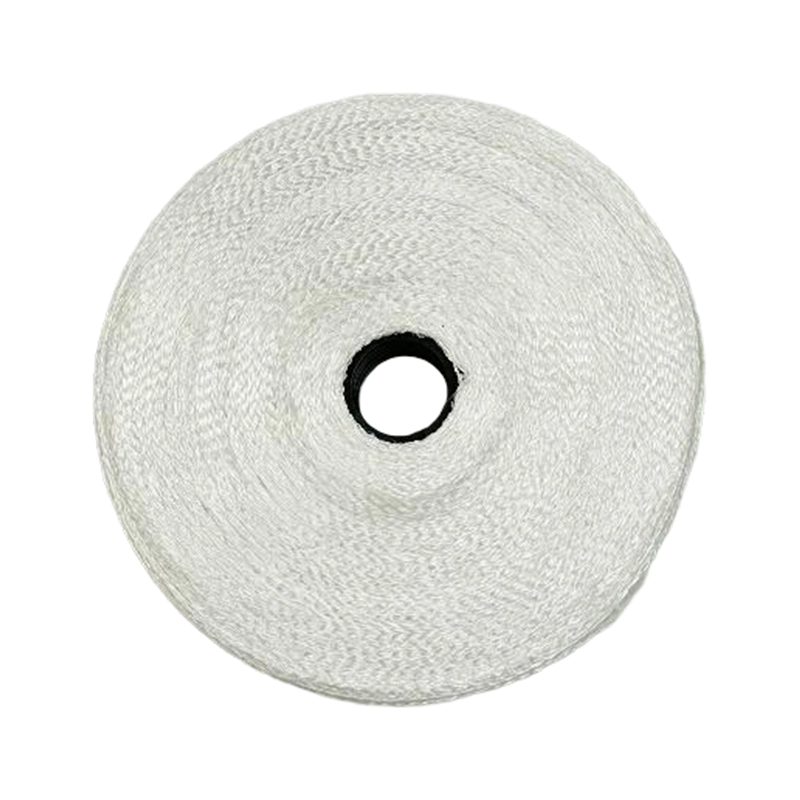
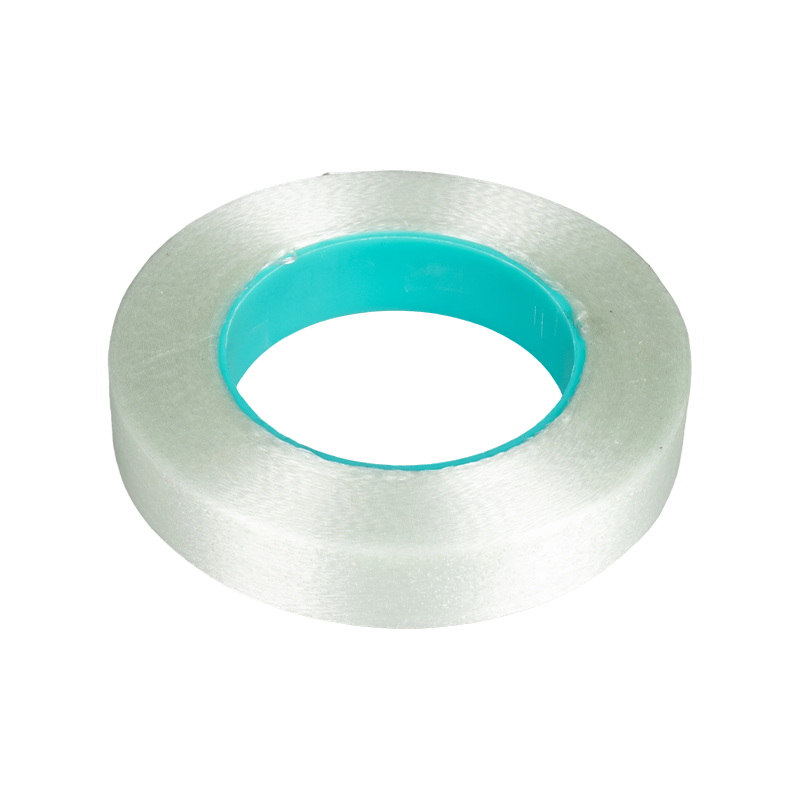
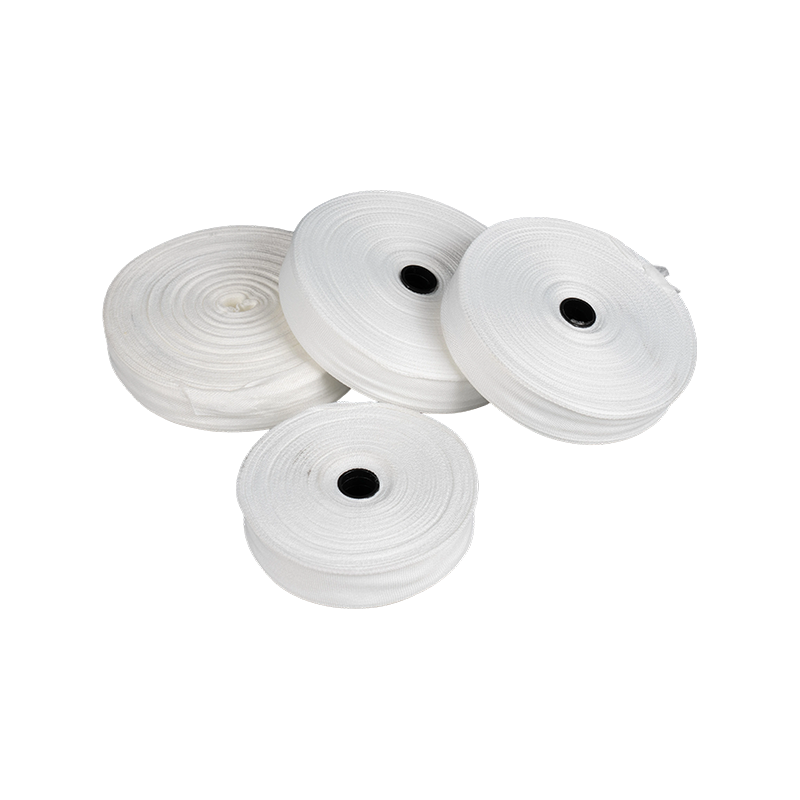
Precision-woven from high-quality E-glass fibers, this tape provides excellent electrical insulation, high-temperature resistance, and corrosion resistance. Its primary function is high-strength binding and insulation fixing for transformer, motor, and reactor windings—effectively securing coils and preventing loosening. It is also used for thermal insulation and fire protection in cables and high-temperature pipelines, making it an essential safety material for power electronics and industrial applications.
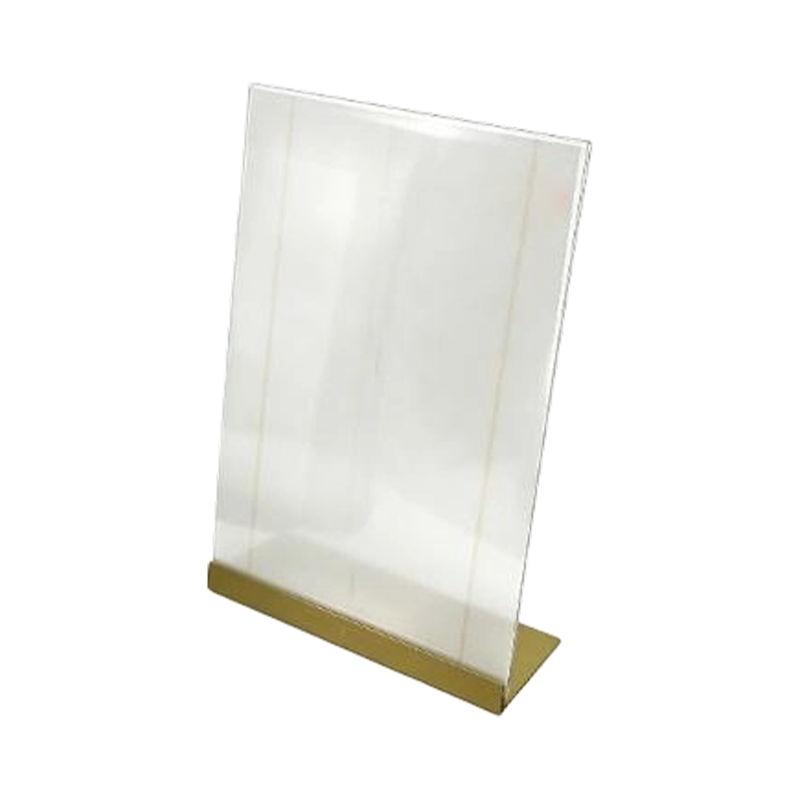
AMA Insulating Paper is a three-layer flexible composite insulating material (aramid paper / polyester film / aramid paper) with an insulation class of Class F (155°C). It combines the high-temperature resistance of aramid paper with the high dielectric strength of polyester film. Widely used in motor slot insulation, turn-to-turn insulation, transformer layer insulation, and other applications, it offers excellent mechanical and electrical properties. It is a cost-effective alternative to NMN insulating paper.
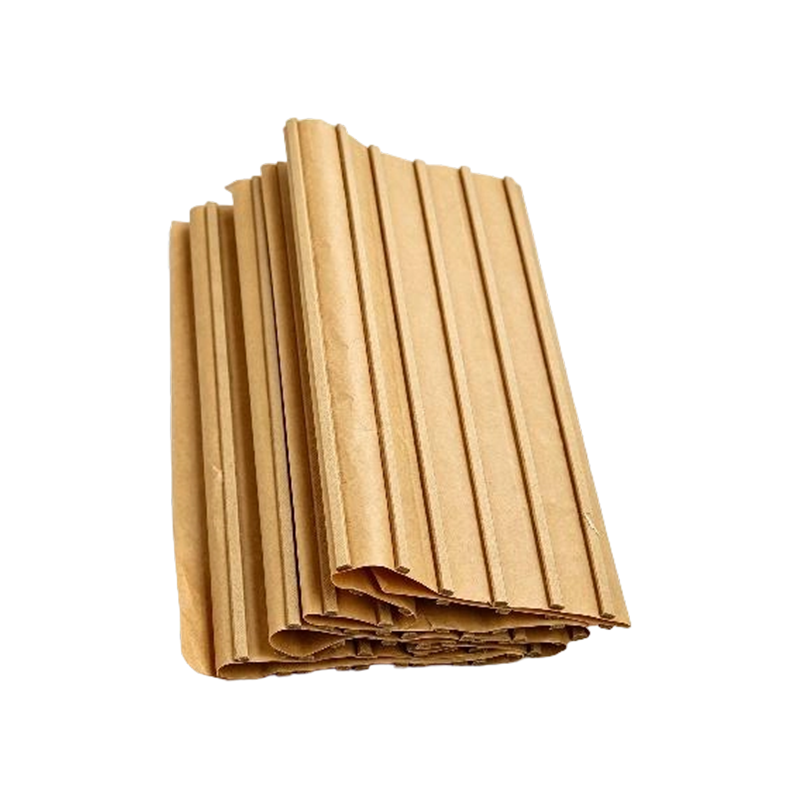
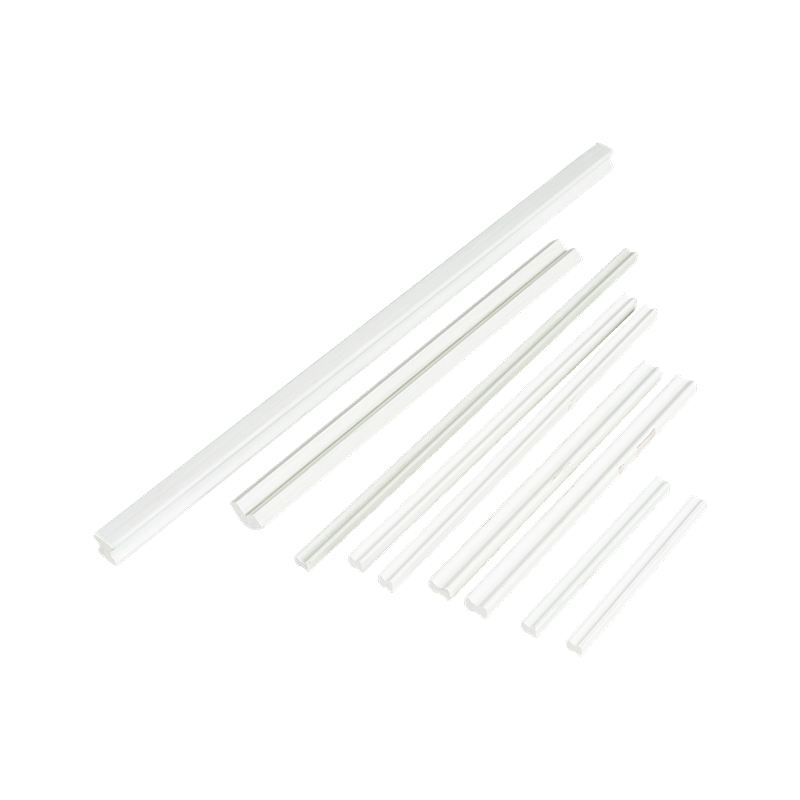
Oil duct strip is an integrated curtain-shaped insulation component thermally laminated by insulating spacers and dotted adhesive insulation paper. It can be cut and wrapped around windings directly. The spacers form stable cooling oil ducts, providing electrical insulation and mechanical support to ensure circulating heat dissipation of insulating oil, replacing traditional loose spacers and corrugated insulation boards.
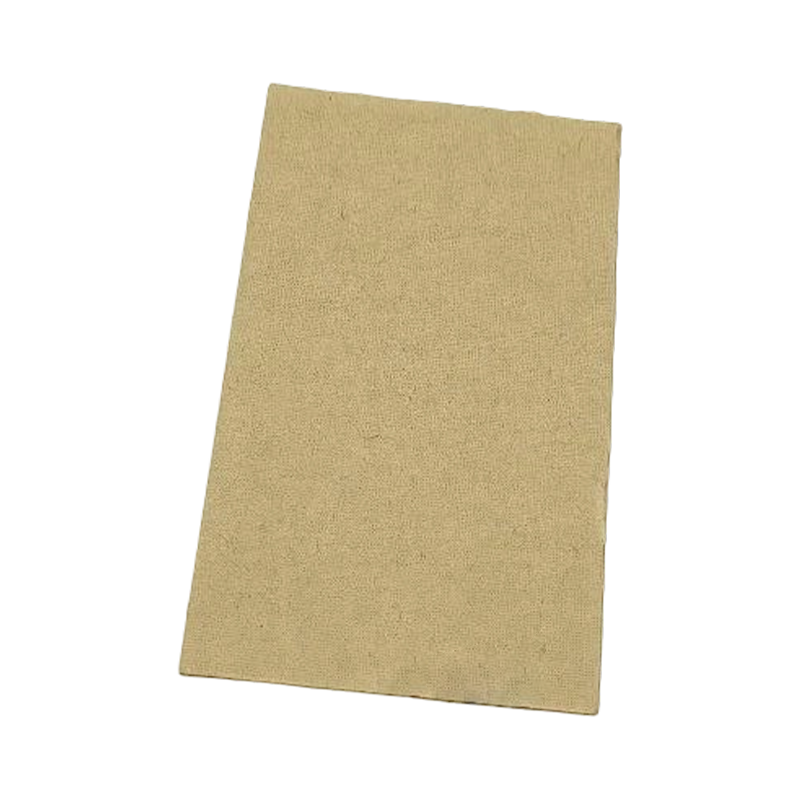
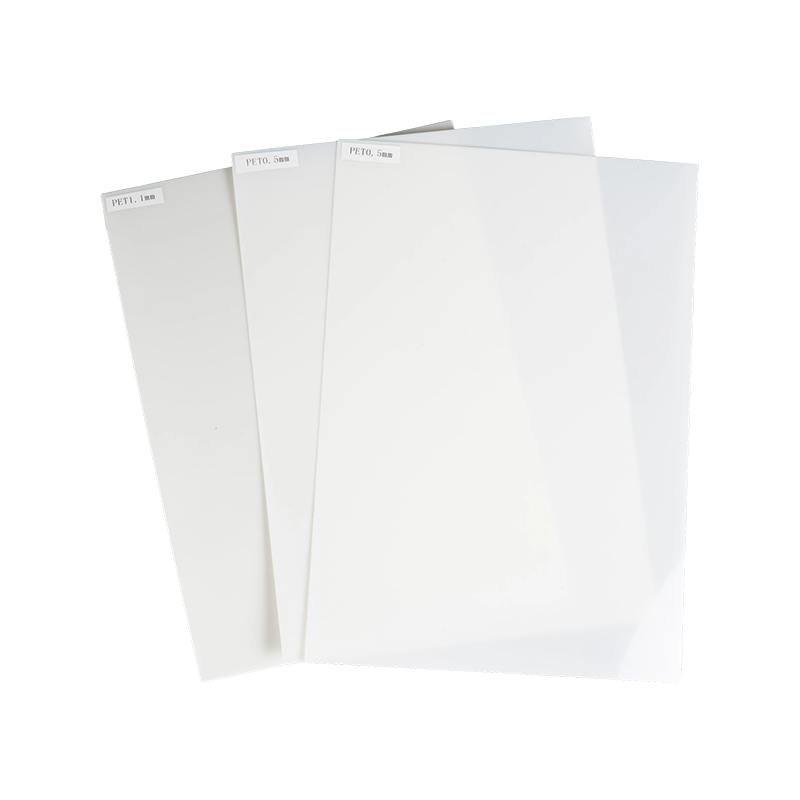
Insulating pressboard is an electrical-grade paperboard manufactured from high-purity unbleached sulfate wood pulp through a process of sheet forming and high-temperature pressing. The production process demands extremely strict control over water quality and impurities to ensure excellent electrical and mechanical properties.
Transformer Accessories and Auxiliary Materials are crucial components for ensuring stable operation and efficient maintenance of transformers. These products are primarily used in key areas such as transformer installation and fixing, insulation protection, heat dissipation optimization, monitoring and maintenance, and electrical connections. Their core performance is characterized by excellent insulation strength, weather resistance, mechanical support, and environmental adaptability. Product highlights include precise matching design, reliable durability, and a significant improvement in the overall performance and lifespan of the transformer. Selecting appropriate Transformer Accessories and Auxiliary Materials effectively ensures the safety and stability of power system operation and is an indispensable element in transformer applications.
A rooftop terrace leaks nine months after a fresh waterproofing job. The coating looks intact, but a hairline crack in the slab has opened a path through the membrane. This is no...
READ MORESuppose you are tiling a bathroom over cement backer board. The joints are taped, the mortar bed is fresh, and the job looks clean. Eight months later, a hairline crack appears e...
READ MOREIf a cement-based wall develops hairline cracks, the repair will fail again unless the render absorbs stress in a controlled way. Fiberglass mesh for concrete is that control lay...
READ MOREFiberglass mesh application is a straightforward but critical decision: you embed a woven glass-fiber fabric into plaster, stucco, concrete, or insulation board to stop cracks an...
READ MOREFiberglass mesh for stucco is a woven alkali-resistant glass fiber fabric that is embedded in the stucco base coat to control cracking and distribute tensile stress. That definit...
READ MORETransformer insulation components play a crucial role in ensuring the long-term stability and efficiency of transformers. These components are designed to provide excellent electrical insulation, thermal resistance, and mechanical strength, which directly affect transformer performance and lifespan. Proper selection and application of insulation materials can reduce maintenance costs by up to 30% in large-scale power systems.
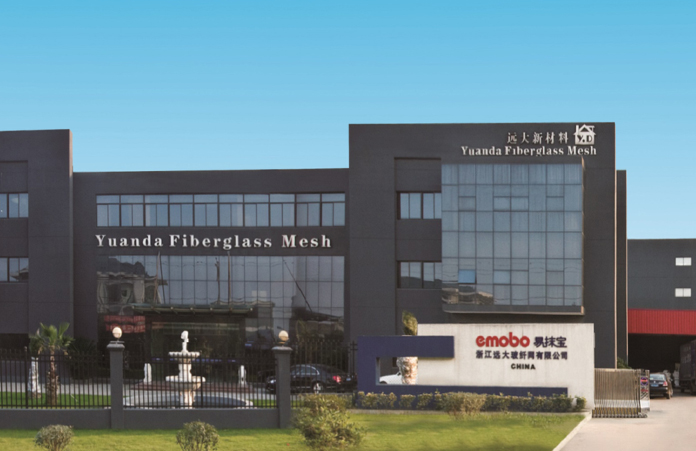
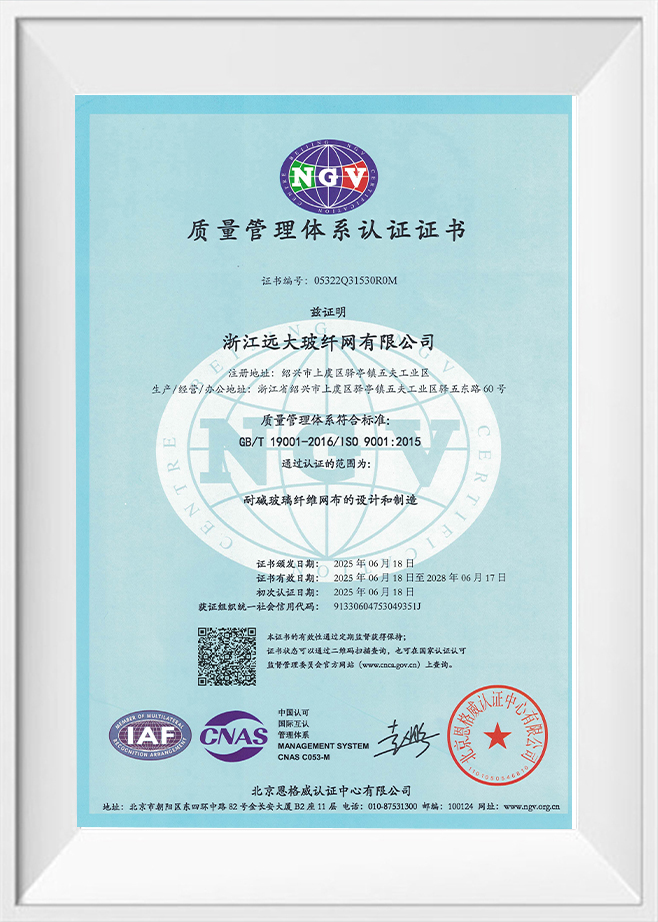
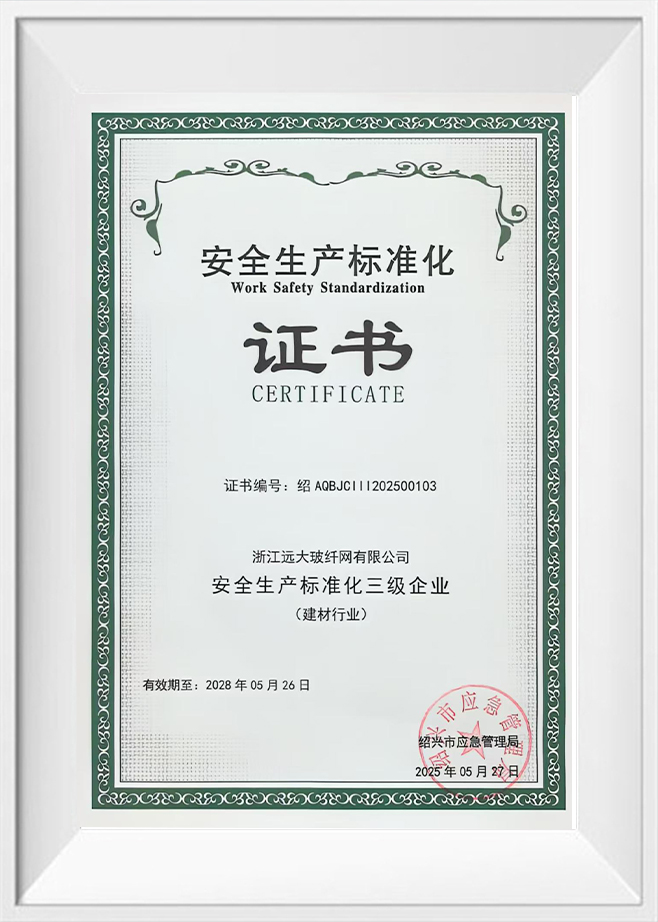
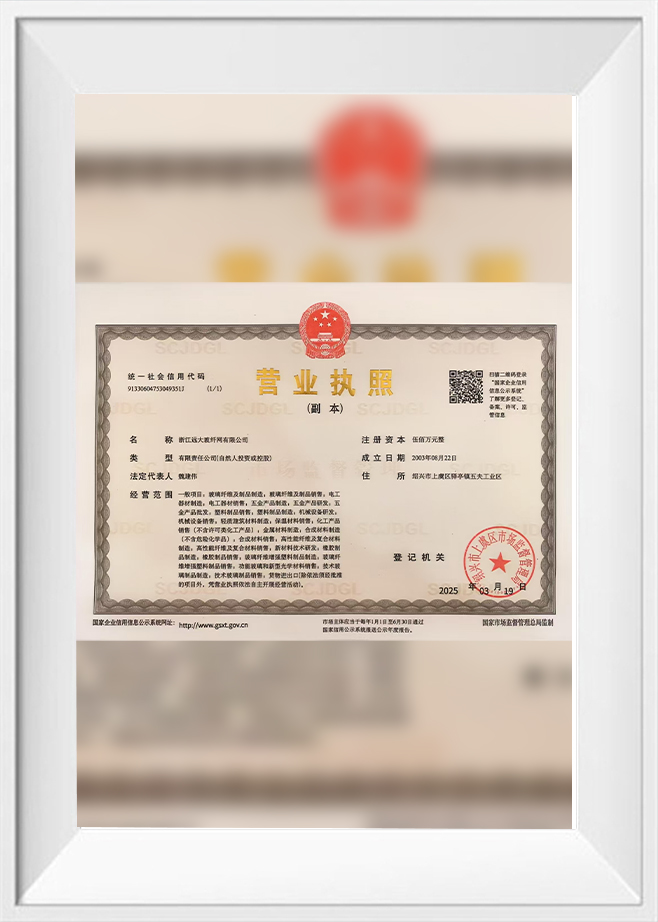
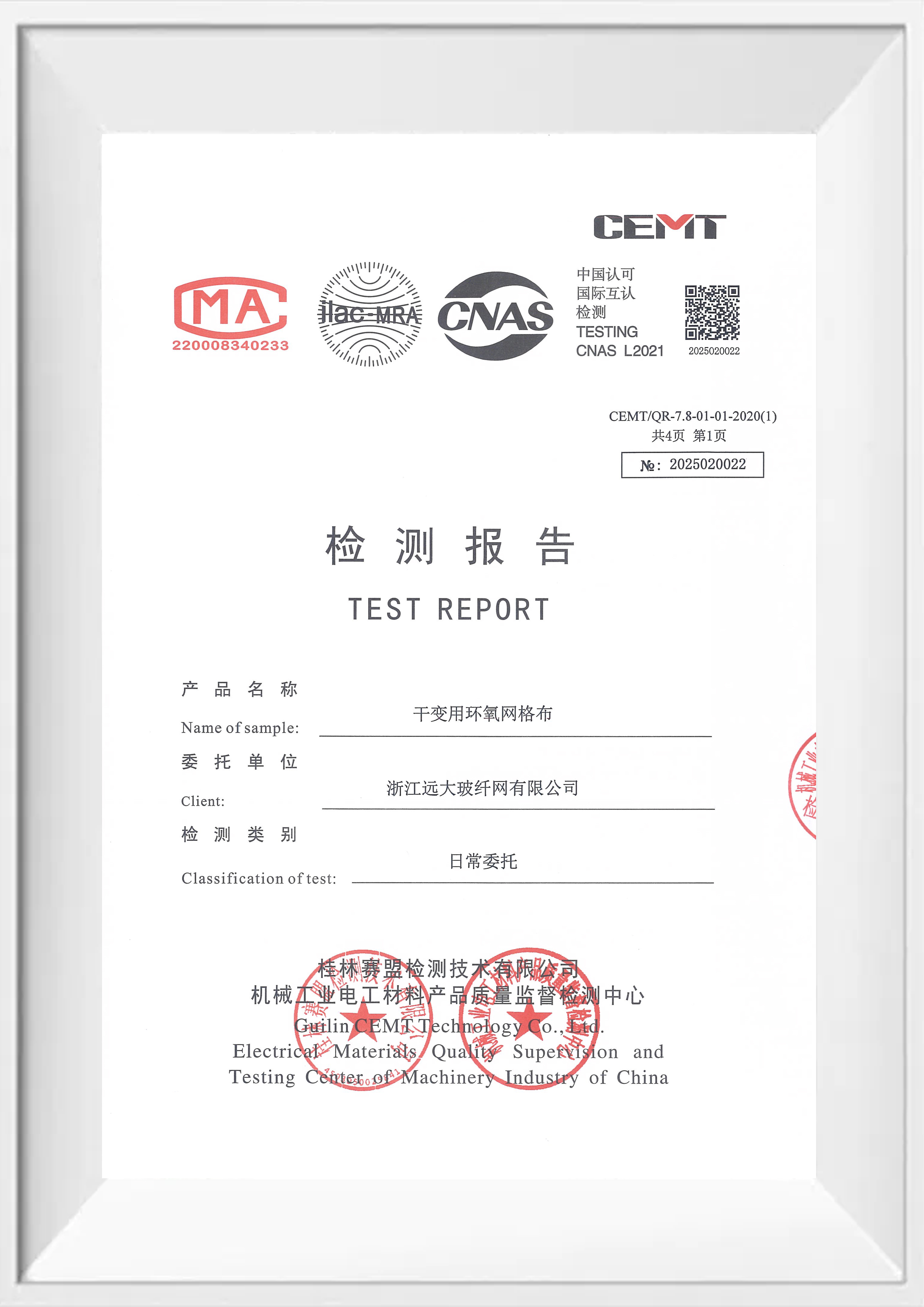
Zhejiang Yuanda Fiberglass Mesh Co., Ltd. was founded in 2000. It is a technology-oriented manufacturing enterprise specializing in composite reinforcing materials and insulating materials. Located in the Yangtze River Delta Economic Circle, it enjoys proximity to Ningbo and Shanghai ports, facilitating global distribution. The company covers nearly 33,000 square meters with modern workshops to ensure high-quality production.
Solid insulation includes materials such as paper, pressboard, and composite laminates. These materials provide mechanical support and dielectric strength and are widely used in windings, barriers, and bushings. For example, kraft paper has a dielectric strength of 25-30 kV/mm, making it ideal for high-voltage transformers.
Liquid insulation materials, primarily mineral oil and synthetic esters, provide excellent cooling performance along with insulation. Mineral oil, for example, has a breakdown voltage of 30-40 kV and efficiently dissipates heat from transformer cores and windings.
Accessories like gaskets, bushings, and fiberglass supports are essential for assembly and long-term reliability. These materials improve mechanical stability and ensure that electrical components remain securely insulated under various environmental conditions.
The following table compares key insulation materials commonly used in transformers, illustrating their electrical and thermal properties:
| Material | Dielectric Strength (kV/mm) | Thermal Class (°C) | Applications |
|---|---|---|---|
| Kraft Paper | 25-30 | 105 | Windings, barriers |
| Pressboard | 20-25 | 120 | Bushings, supports |
| Mineral Oil | 30-40 | 90-105 | Cooling, insulation |
It is recommended to inspect insulation materials at least once a year, or more frequently in harsh environmental conditions.
Yes, synthetic ester-based insulation can replace mineral oil and offers better biodegradability and fire resistance.
Kraft paper and pressboard can last over 30 years under optimal operating conditions.
 No. 60, Yiwu East Road, Wufu Industrial Park, Yiting Town, Shangyu City, Zhejiang Province, China
 +86 13606593503
 +86-575-82419001
 sales@yuandafiberglass.com