English
 中文简体
中文简体 Español
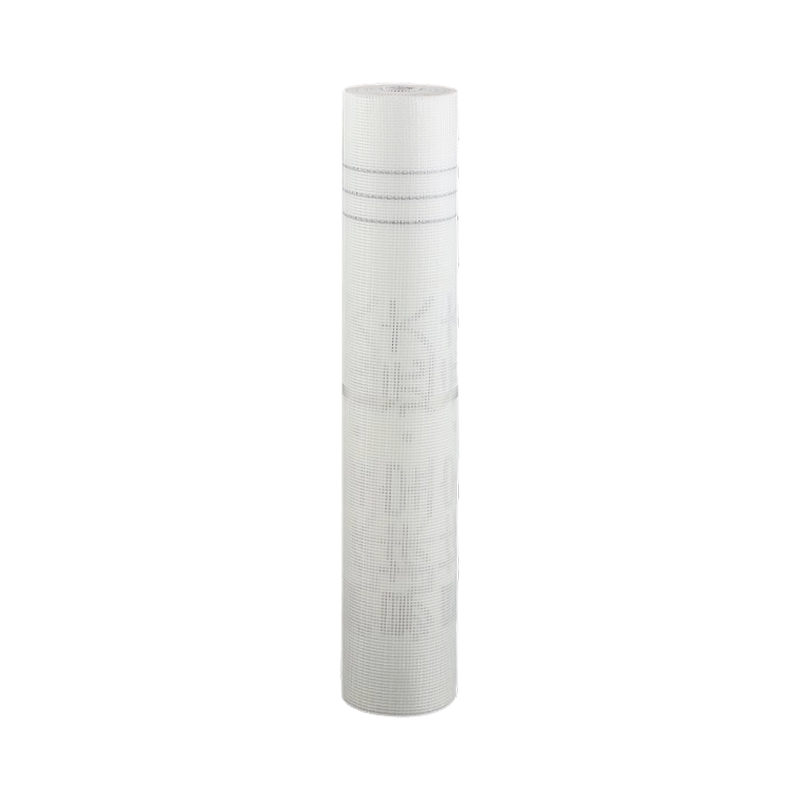
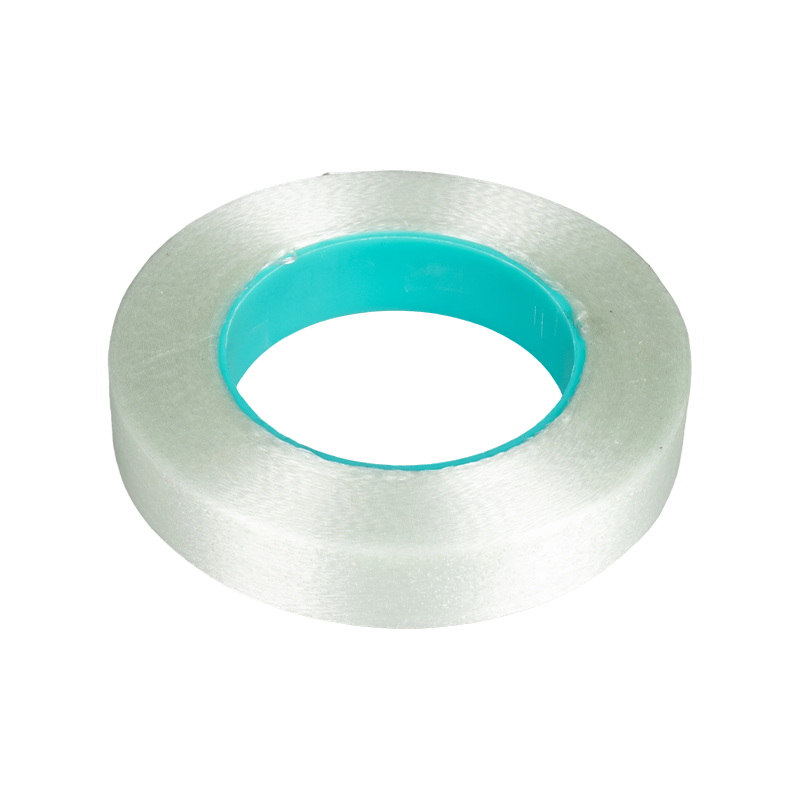
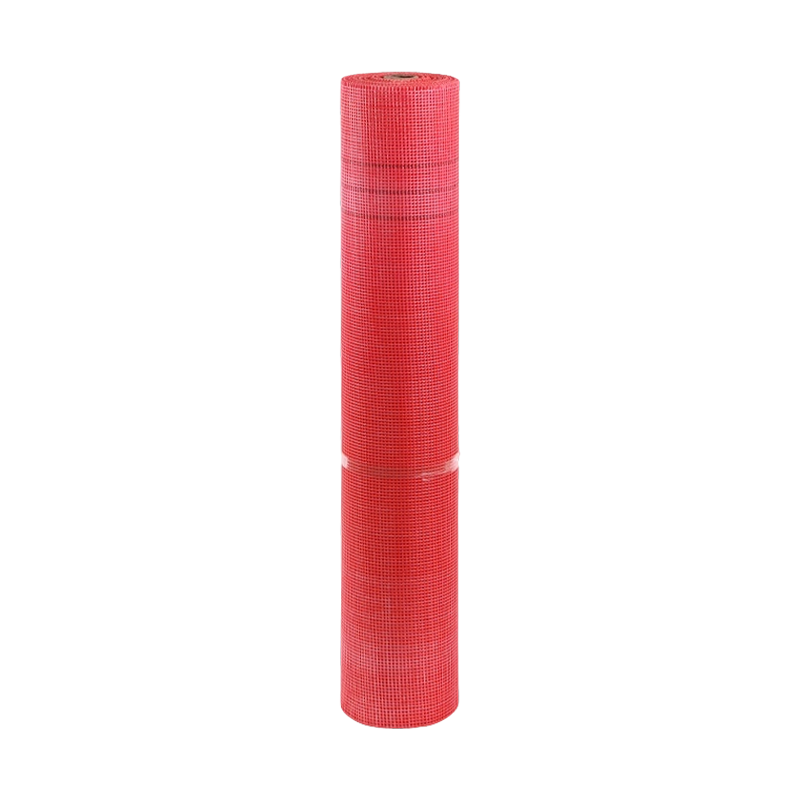
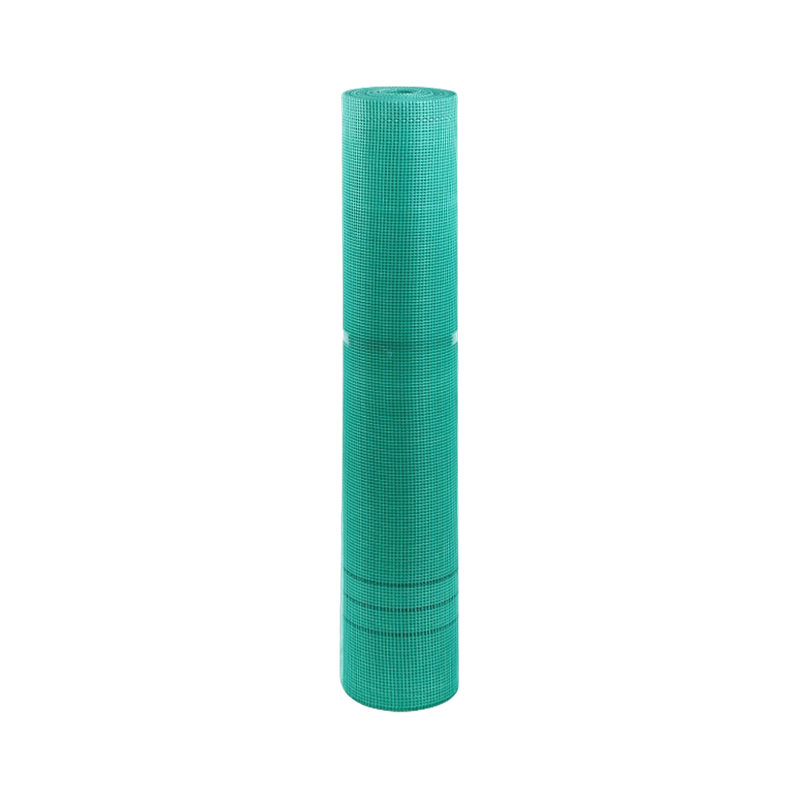
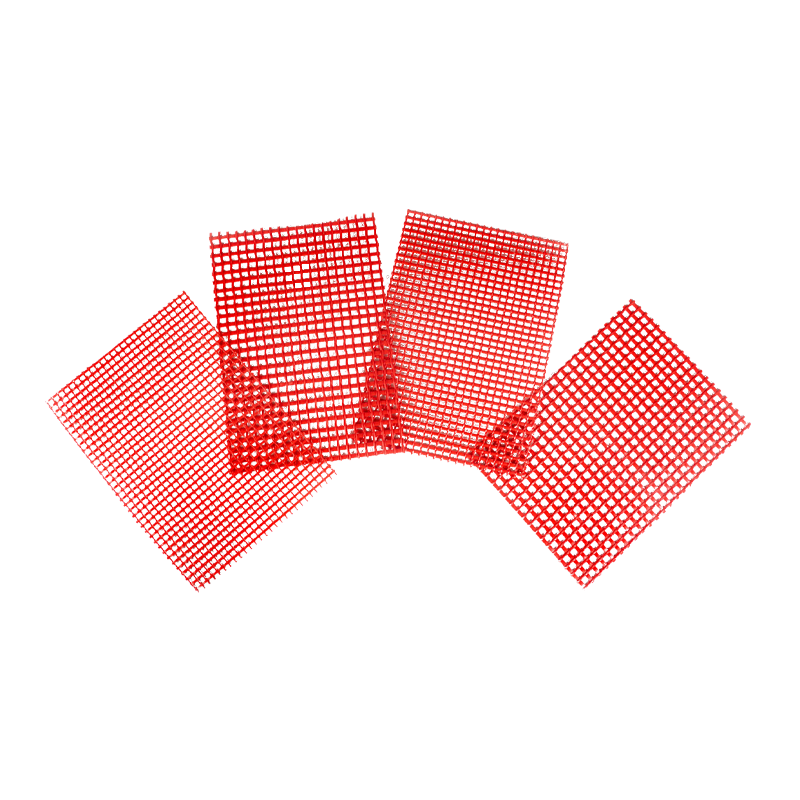
Fiberglass mesh tape is a self-adhesive, open-weave tape made from woven glass fibers used primarily to reinforce joints, seams, and cracks in drywall, cement board, tile work, and exterior insulation systems. Its core function is to prevent cracking and separation at vulnerable connection points — delivering structural reinforcement that paper tape and standard sealants cannot match for durability or moisture resistance.
Walk into any hardware store and you will find rolls of fiberglass mesh tape shelved alongside joint compound and drywall screws — yet a surprising number of DIY homeowners and even entry-level contractors underestimate how many different jobs this single product can handle. According to the Global Adhesive Tape Market Report (MarketsandMarkets, 2024), the construction adhesive tape segment is projected to reach USD 8.9 billion by 2028, with fiberglass-reinforced variants among the fastest-growing categories driven by rising demand in tile installation, exterior insulation systems, and moisture-resistant wall construction.
This guide covers every major application of fiberglass mesh tape, explains how it compares to paper tape and other alternatives, and gives you the specific technical data you need to select the right product for each job.
Content
- 1 What Is Fiberglass Mesh Tape Made Of?
- 2 What Is Fiberglass Mesh Tape Used For? The Complete Application List
- 3 Fiberglass Mesh Tape vs. Paper Tape: Which Should You Use?
- 4 Which Type of Fiberglass Mesh Tape Do You Need?
- 5 How to Use Fiberglass Mesh Tape Correctly
- 6 Common Mistakes When Using Fiberglass Mesh Tape
- 7 Frequently Asked Questions About Fiberglass Mesh Tape
- 8 Conclusion: The Versatility of Fiberglass Mesh Tape Makes It a Must-Have on Every Job Site
What Is Fiberglass Mesh Tape Made Of?
Fiberglass mesh tape is manufactured from alkali-resistant (AR) glass fiber yarns woven into an open grid pattern, then coated with an acrylic or latex self-adhesive backing. The glass fiber construction is what gives the tape its defining properties — tensile strength, dimensional stability, and resistance to moisture, mold, and alkaline environments.
Key Material Properties
- Glass fiber type: E-glass or AR-glass (alkali-resistant). AR-glass contains zirconium dioxide (typically 16–20% ZrO2) to resist degradation in cement and mortar environments — critical for tile and plaster applications.
- Mesh opening size: Typically 2.5mm x 2.5mm to 5mm x 5mm. Tighter mesh delivers more reinforcement per unit area; wider mesh improves compound penetration for better embedding.
- Weight (grammage): Standard drywall tape runs 55–75 g/m². Heavy-duty versions for EIFS (exterior insulation) run 145–165 g/m² and above.
- Tensile strength: Typically 120–200 N/5cm (warp direction) for standard tape; 300–500 N/5cm for structural-grade mesh used in exterior systems.
- Adhesive: Pressure-sensitive acrylic adhesive, rated for temporary positioning. The tape is held permanently in place once embedded in joint compound, mortar, or base coat.
What Is Fiberglass Mesh Tape Used For? The Complete Application List
Fiberglass mesh tape is used across at least eight distinct construction and repair applications — spanning interior finishing, wet-area tiling, exterior insulation, and structural crack repair. Below is each application explained with the specific reason fiberglass mesh is the preferred solution.
1. Drywall Joint Taping
Drywall joint taping is the single most common use of fiberglass mesh tape — it reinforces the seams between drywall sheets before joint compound is applied, preventing the cracking and telegraphing that unsupported seams inevitably develop over time.
Applied directly over butt joints and tapered seams, the mesh is self-adhesive so it holds in position before compound is applied. Because the open weave allows compound to squeeze through and bond to the drywall surface on both sides of the tape, the finished joint is monolithic — compound above, through, and effectively bonded below the tape. The U.S. Gypsum Association recommends a minimum of three compound coats over mesh tape for interior wall joints, noting that the additional coat (versus two coats over paper tape) is offset by faster application from skipping the paper-tape embedding step.
2. Cement Board Joints in Wet Areas
Cement board joints in shower surrounds, bathroom floors, and kitchen backsplash areas require fiberglass mesh tape rather than paper tape because paper degrades rapidly when exposed to moisture — fiberglass mesh does not absorb water and will not weaken, mold, or delaminate.
The Tile Council of North America (TCNA) Handbook specifies fiberglass mesh tape embedded in thinset mortar (not joint compound) as the correct method for seaming cement board in wet installations. The standard calls for a 2-inch (50mm) wide alkali-resistant mesh tape pressed into a skim coat of unmodified thinset over each seam before tile is set. This creates a continuous, crack-resistant substrate that supports the tile assembly without transferring movement between adjacent cement board panels.
3. Tile Over Tile Reinforcement
When retiling over an existing tile surface without full removal, fiberglass mesh tape is applied over the grout joints of the existing tile layer before new thinset and tile are applied — it bridges the existing grout lines and prevents them from telegraphing as cracks through the new tile installation.
This application is growing in frequency as renovation projects prioritize time and cost savings over full demolition. The mesh physically interrupts the stress concentration at old grout lines so the new thinset layer bonds uniformly across the substrate. For this application, a medium-weight mesh (75–100 g/m²) embedded in a latex-modified thinset is the standard recommendation.
4. Plaster and Stucco Crack Repair
Fiberglass mesh tape is the most reliable bridging material for hairline to medium-width cracks (up to approximately 6mm) in plaster walls, stucco facades, and concrete surfaces because it holds the repaired area together across thermal expansion and contraction cycles that would re-open an unreinforced patch.
The repair process is straightforward: clean and widen the crack slightly with a scraper or oscillating tool, apply the self-adhesive mesh tape centered over the crack, then skim over with joint compound (interior plaster) or elastomeric patching compound (exterior stucco). The mesh distributes tensile stress across a 2–4 inch width rather than concentrating it at the crack edge, dramatically reducing re-cracking rates. Research published in the Journal of Building Engineering (2022) found that mesh-reinforced plaster patches had a re-crack rate of under 12% over a 3-year monitoring period, compared to 58% for unreinforced patches.
5. EIFS and Exterior Insulation Systems
In Exterior Insulation and Finish Systems (EIFS), fiberglass mesh — specifically heavy-duty structural-grade mesh at 145–165 g/m² or higher — is embedded in a polymer base coat over rigid foam insulation boards to create the structural reinforced layer of the wall cladding system.
This is not standard joint tape — it is the primary tensile reinforcement of the entire exterior cladding assembly. EIFS specifications from the EIMA (EIFS Industry Members Association) require mesh with a minimum tensile strength of 150 N/cm in both warp and weft directions, with alkali resistance verified per ASTM E84 and EN 13496. Double-layer mesh is specified at all corners, around window and door openings, and at all expansion joints — areas where impact resistance and crack bridging are most critical.
6. Corner Bead Reinforcement
Fiberglass mesh tape is used to reinforce inside corners in drywall finishing and plaster work — locations that are particularly prone to cracking because they sit at the intersection of two independently moving wall planes.
Flexible fiberglass mesh corner tape (pre-creased at 90 degrees) is applied into inside corners and embedded in joint compound. Because the mesh is non-rigid, it accommodates minor building movement without fracturing — unlike metal or vinyl corner bead, which transmits structural stress directly to the compound. For inside corner applications in high-movement areas (above doorframes, in timber-framed structures), fiberglass mesh is the professional standard.
7. Concrete and Masonry Repair
For surface repairs to concrete walls, floors, and masonry units, fiberglass mesh tape embedded in polymer-modified repair mortars provides tensile reinforcement that prevents shrinkage cracking as the repair mortar cures.
Concrete and mortar repairs are notoriously prone to re-cracking because repair materials have different shrinkage coefficients than the parent concrete. Embedding a layer of fiberglass mesh in the repair layer mechanically binds the patch to the substrate while distributing shrinkage stress across a wide area. For spalled concrete repairs and mortar joint repointing in masonry walls, 75–100 g/m² mesh embedded in a fiber-reinforced repair mortar is a cost-effective durability enhancement.
8. Waterproofing Membrane Reinforcement
In liquid-applied waterproofing systems for bathrooms, wet rooms, and balconies, fiberglass mesh fabric (unbacked, not self-adhesive) is embedded into the first coat of waterproofing membrane at seams, corners, and floor-to-wall transitions — the highest-risk locations for membrane failure.
The mesh bridges the transition between substrate materials (e.g., concrete floor to cement board wall) and reinforces the membrane against cracking caused by differential movement. ISO 10545 and most wet-area waterproofing standards require mesh reinforcement at all joints and changes of plane. Without it, the membrane is vulnerable to substrate movement telegraphing as a crack directly through the waterproofing layer — defeating the entire purpose of the system.
Fiberglass Mesh Tape vs. Paper Tape: Which Should You Use?
The choice between fiberglass mesh tape and paper tape is one of the most commonly debated decisions in drywall finishing — and the answer is clear: use fiberglass mesh for wet areas and crack repair; use paper tape for flat interior seams where the highest-quality skim finish is the priority.
| Property | Fiberglass Mesh Tape | Paper Tape |
| Moisture Resistance | Excellent — will not absorb water or mold | Poor — degrades when wet; unsuitable for wet areas |
| Tensile Strength | High (120–200 N/5cm) | Medium (60–90 N/5cm); relies on compound bond |
| Application Method | Self-adhesive — press and coat | Requires wet embedding coat first |
| Finish Quality | Good; requires extra coat; mesh pattern can show if under-filled | Excellent; smoother finish achievable with fewer coats |
| Crack Resistance | Superior — bridges movement | Good on flat seams; can crack at corners under stress |
| Best Applications | Wet areas, cement board, crack repair, corners, EIFS | Flat interior drywall seams; premium finish walls |
| Mold Risk | None | Low in dry conditions; risk rises in humid environments |
| Cost per Roll (2" x 150ft) | USD 3–8 | USD 2–5 |
Table 1: Fiberglass mesh tape vs. paper tape — a side-by-side comparison of key properties and ideal applications.
Which Type of Fiberglass Mesh Tape Do You Need?
Not all fiberglass mesh tape is the same — weight, mesh size, alkali resistance, and adhesive type vary significantly across product grades, and selecting the wrong grade for your application leads to either over-engineering (wasted cost) or under-performance (premature failure).
| Grade | Weight (g/m²) | Tensile Strength | Typical Application |
| Standard / Drywall | 55–75 g/m² | 120–160 N/5cm | Interior drywall joints, plaster seams |
| Medium / Wet Area | 75–110 g/m² | 160–250 N/5cm | Cement board, tile over tile, crack repair |
| Heavy / Structural | 145–165 g/m² | 300–500 N/5cm | EIFS base coat layer, exterior insulation systems |
| Ultra-Heavy / Impact | 200+ g/m² | 500+ N/5cm | High-impact EIFS zones, corners, ground level |
Table 2: Fiberglass mesh tape grades by weight and tensile strength, with recommended applications for each grade.
How to Use Fiberglass Mesh Tape Correctly
Correct application technique is what separates a fiberglass mesh tape joint that lasts decades from one that cracks within months — and the most common mistake is insufficient compound fill rather than any problem with the tape itself.
For Drywall Joints (Interior)
- Clean the joint and remove any dust, loose paper, or burrs from screw heads.
- Apply the self-adhesive mesh tape directly over the joint, centered. Press firmly along the entire length.
- Apply a generous first coat of setting-type compound (not all-purpose drying compound) over the tape, working it firmly into the mesh openings. Setting compound is preferred because it hardens chemically rather than drying, which reduces shrinkage and fills the mesh more completely.
- Allow to set fully (60–90 minutes for 45-minute compound). Sand lightly.
- Apply a second coat with an all-purpose compound, feathering 8–10 inches wide. Allow to dry fully (24 hours minimum).
- Apply a third, thin finishing coat if necessary. Sand to a smooth finish.
For Cement Board Seams (Wet Areas)
- Leave a 1/8-inch gap between cement board panels — do not butt them tightly.
- Apply a thin skim coat of unmodified thinset mortar over the seam area.
- Press the alkali-resistant fiberglass mesh tape into the wet thinset.
- Apply a second thin coat of thinset over the tape to fully embed it. The tape should be completely buried — no mesh texture visible at the surface.
- Allow to cure 24 hours before setting tile.
For Crack Repair (Plaster / Stucco)
- Widen the crack slightly to 3–5mm using a scraper or oscillating tool and remove all loose material.
- Vacuum out dust and dampen the surface with water if working with plaster or stucco.
- Apply the self-adhesive mesh tape centered over the crack.
- Apply a first coat of patching compound or elastomeric filler, pressing it firmly through the mesh.
- Feather the edges 3–4 inches beyond the tape on each side. Allow to dry or cure fully before painting or finishing.
Common Mistakes When Using Fiberglass Mesh Tape
The most common failure mode with fiberglass mesh tape is using all-purpose drying compound as the first coat — it shrinks too much as it dries, leaving the mesh under-filled and creating ridges or cracks at the tape edges.
- Using drying compound as the first coat: Always use setting-type (powder) compound for the embedding coat over mesh tape. Drying compounds shrink 10–15% as they dry, pulling away from mesh openings and leaving voids. Setting compounds expand slightly as they cure, filling the mesh completely.
- Not pressing tape firmly enough: The adhesive is designed for temporary positioning — it holds the tape in place but relies on the compound to create a permanent bond. Tape that lifts at the edges before the first compound coat is applied will trap air voids beneath it.
- Applying mesh tape over wet or damp surfaces: The acrylic adhesive does not bond well to damp drywall paper or wet cement board. Surface must be dry before tape application.
- Skipping the third compound coat: Because mesh tape has an open structure, it requires one additional coat compared to paper tape to achieve a smooth, paint-ready surface. Skipping it results in mesh texture telegraphing through the finished paint — especially visible under raking light.
- Using standard (non-AR) mesh in cement/mortar environments: Standard E-glass mesh is not alkali-resistant and will degrade in contact with cement chemistry. Always verify that mesh used with thinset, mortar, or cement-based materials carries an alkali-resistance rating.
Frequently Asked Questions About Fiberglass Mesh Tape
Q: Can fiberglass mesh tape be used outdoors?
Yes — alkali-resistant fiberglass mesh tape is specifically designed for exterior applications including stucco crack repair, EIFS systems, and exterior cement board installations. For exterior use, always choose a product rated for outdoor exposure and compatible with the base coat or render being applied. Avoid non-AR standard mesh outdoors, as UV and alkaline exposure will degrade the glass fibers over 1–3 years.
Q: Is fiberglass mesh tape fire-resistant?
Glass fibers themselves are non-combustible and do not burn. Fiberglass mesh tape does not contribute to flame spread, and the glass component has a melting point above 700°C. However, the acrylic adhesive backing can melt at elevated temperatures. When embedded in compound or mortar, the adhesive is irrelevant to fire performance — the glass mesh remains stable. For assemblies requiring specific fire ratings, use mesh products that have been tested per ASTM E84 or EN 13501.
Q: Can I use fiberglass mesh tape for large holes in drywall?
Fiberglass mesh tape is suitable for bridging cracks and narrow gaps but is not sufficient as the sole repair method for holes larger than approximately 15cm (6 inches) in diameter. For large holes, a backing board or drywall patch panel should be installed first, then fiberglass mesh tape is applied over the perimeter seams and any remaining gaps. The tape reinforces the seams but cannot substitute for structural backing across a large void.
Q: How wide should fiberglass mesh tape be?
For standard drywall joints, 2-inch (50mm) wide tape is the industry standard. For cement board seams in tile installations, 2-inch is also correct. For crack repair in plaster or stucco, 4-inch (100mm) wide tape provides more bridging coverage and is recommended for cracks wider than 3mm. For EIFS reinforcement mesh, full-sheet mesh products (rather than roll tape) are typically installed, covering the entire wall panel area rather than just seams.
Q: Does fiberglass mesh tape work with all types of joint compound?
Fiberglass mesh tape is compatible with all gypsum-based joint compounds. However, as noted above, setting-type compound is strongly preferred for the first (embedding) coat because its low-shrinkage cure fills the mesh openings completely. All-purpose drying compound can be used for the second and third coats once the mesh is already embedded. Fiberglass mesh tape is not compatible with standard silicone caulk or solvent-based sealants as a finishing medium — it requires a cementitious or gypsum-based material to embed properly.
Q: What is the shelf life of fiberglass mesh tape?
When stored in a cool, dry location away from direct sunlight, fiberglass mesh tape has a shelf life of 3–5 years. The glass fibers do not degrade in storage, but the acrylic adhesive can lose tack over time — particularly if exposed to heat above 40°C or cold below 0°C during storage. If a roll feels less adhesive than expected, lightly pressing it to the surface and immediately applying compound will still produce a functional joint, as the compound provides the permanent bond.
Conclusion: The Versatility of Fiberglass Mesh Tape Makes It a Must-Have on Every Job Site
From a straightforward drywall seam to a full exterior insulation system, fiberglass mesh tape addresses one fundamental problem across all of its applications: preventing cracks at joints, transitions, and repairs where different building materials meet or where movement is concentrated.
Its combination of tensile strength, moisture immunity, mold resistance, and ease of application makes it a more reliable solution than paper tape in any environment where moisture, movement, or exterior exposure is a factor. For interior flat drywall seams in fully climate-controlled spaces, paper tape remains the finishing professional's choice for the smoothest possible surface. For everything else — wet rooms, cement board, crack repair, exterior systems, waterproofing reinforcement — fiberglass mesh tape is the technically correct and practically superior choice.
The key to unlocking its full performance is selecting the right grade for your application (standard, medium, heavy, or structural), using setting-type compound for the embedding coat, and applying enough coats to fully bury the mesh. Do those three things, and a fiberglass mesh tape joint will outlast the wall it is built into.