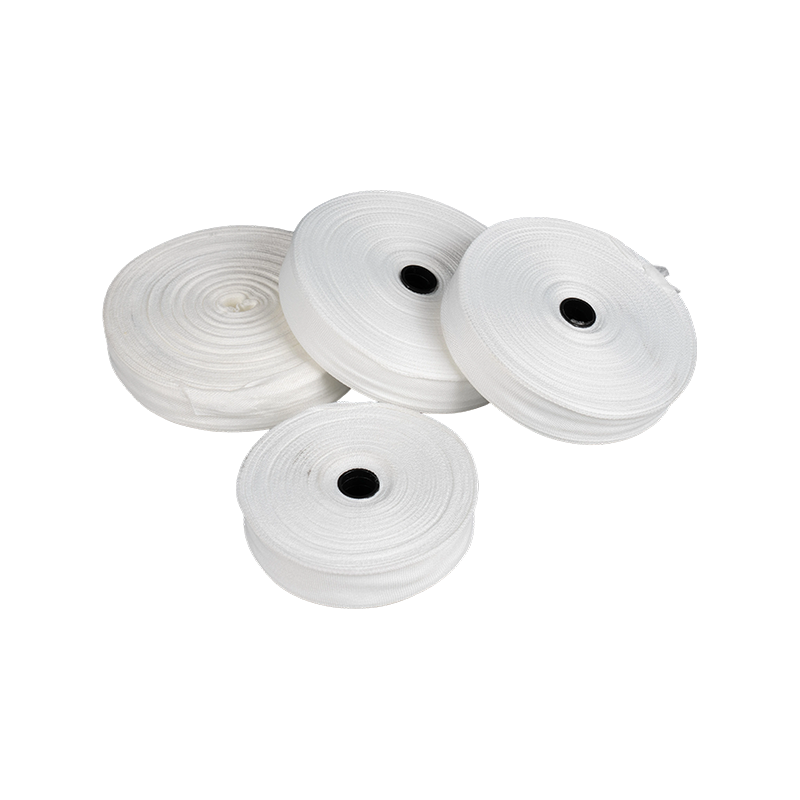
To use fiberglass mesh tape, you press the self-adhesive tape directly over a drywall joint, crack, or hole, then apply two to three coats of joint compound (mud) over it, feathering each coat wider than the last and allowing full drying time between coats. Unlike paper tape, fiberglass mesh tape does not require an initial bed coat of compound underneath — it sticks directly to the wall surface, making it faster to install and ideal for flat joints and patch repairs. This guide covers every stage of the process in detail, from surface preparation through final sanding, along with material comparisons, common mistakes, and answers to frequently asked questions.
What Is Fiberglass Mesh Tape and When Should You Use It?
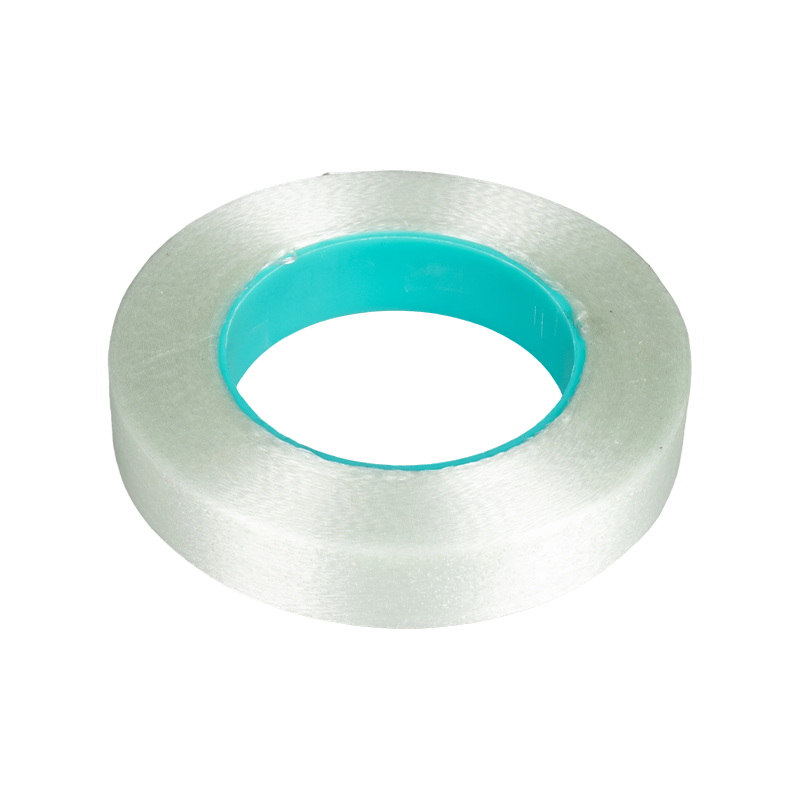
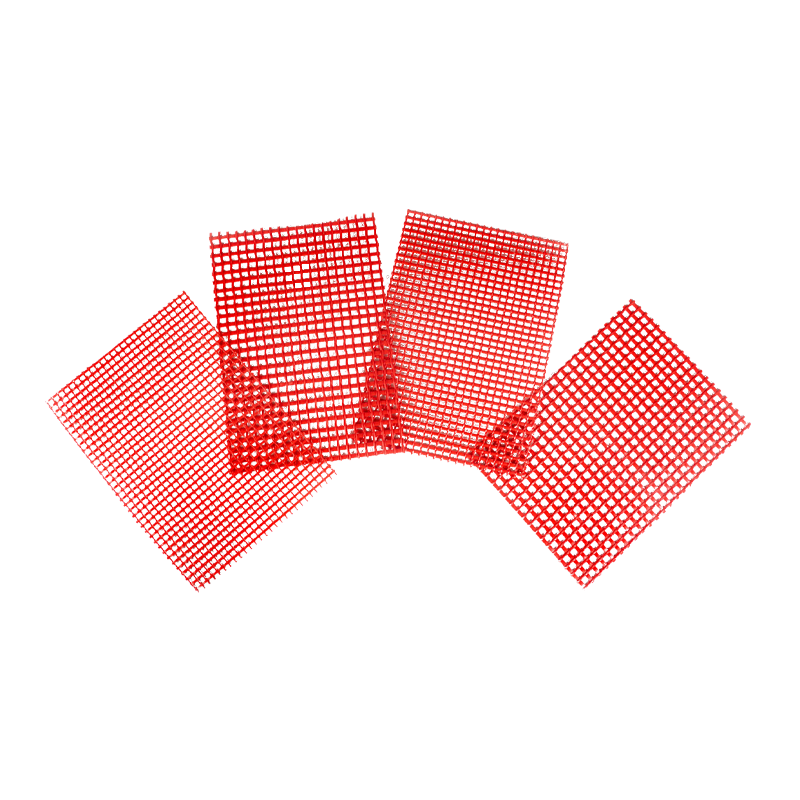
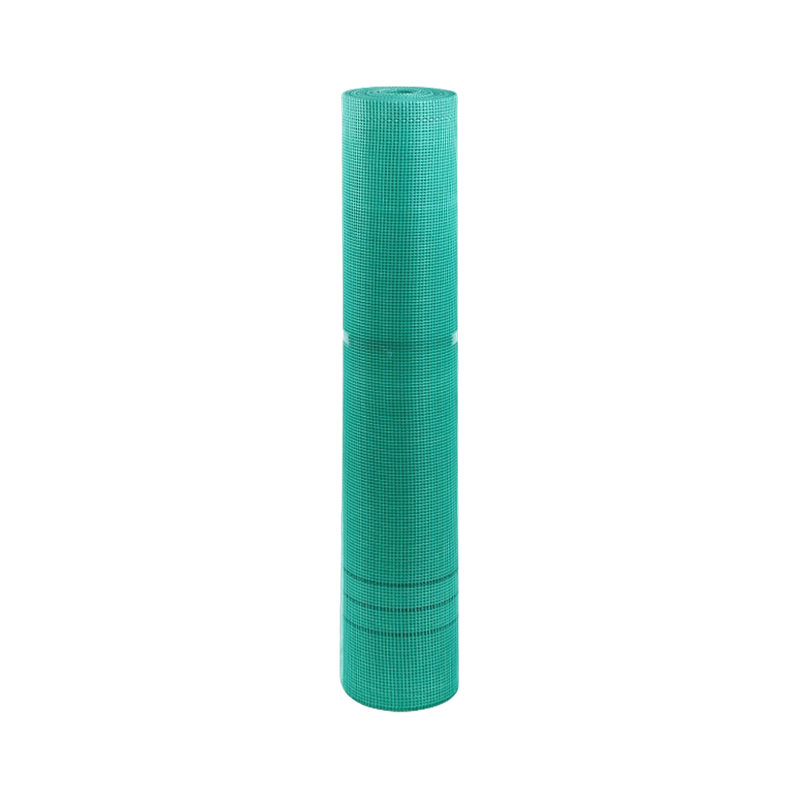
Fiberglass mesh tape is a woven, open-weave tape made from glass fiber threads coated with a self-adhesive backing. It is designed to reinforce drywall joints, seams, and cracks by embedding into joint compound, creating a strong, flexible bond that resists cracking over time. Standard rolls are 2 inches (50mm) wide and come in lengths of 75 feet (23m) or 150 feet (46m), though wider 4-inch and 6-inch versions are available for larger repairs.
The self-adhesive backing is the defining feature: you peel and stick it directly to the wall without any pre-coat, saving significant time compared to paper tape. The open mesh structure allows joint compound to penetrate through the weave, creating a mechanical bond that locks the tape firmly in place once the compound cures.
Best Use Cases for Fiberglass Mesh Tape
- Flat drywall butt joints: Where two drywall sheets meet end-to-end on the same plane, fiberglass mesh tape provides reliable reinforcement with minimal buildup.
- Small to medium hole repairs: Holes up to 6 inches in diameter can be patched using a backing board plus fiberglass mesh tape for a clean, paintable surface.
- Crack repairs in existing walls: Hairline and structural cracks in drywall or plaster are effectively bridged and reinforced with fiberglass mesh tape before re-coating.
- Cement board and tile backer joints: Fiberglass mesh tape is the correct choice for seaming cement board in wet areas like showers and bathrooms, where it is embedded in thinset mortar rather than joint compound.
- Corner bead reinforcement: Applied alongside metal or plastic corner bead, mesh tape provides extra crack resistance at vulnerable inside corners.
Fiberglass Mesh Tape vs. Paper Tape: Which Should You Choose?
Fiberglass mesh tape and paper tape each have distinct strengths — the right choice depends on the specific application, your skill level, and the finish quality required.
| Factor |
Fiberglass Mesh Tape |
Paper Tape |
| Application method |
Self-adhesive, no pre-coat needed |
Requires wet bed coat first |
| Strength |
High tensile strength; resists tearing |
Moderate; prone to bubbling if applied incorrectly |
| Crack resistance (long-term) |
Good on flat joints |
Superior on tapered joints and corners |
| Ease of use for beginners |
Easier — stick and coat |
More technique required |
| Finish quality potential |
Good; mesh texture may show if undercoated |
Excellent; smoother final surface |
| Best for corners |
Inside corners only (with care) |
Both inside and outside corners |
| Moisture resistance |
Excellent (fiberglass does not absorb water) |
Poor if exposed to moisture |
| Cost (per 75 ft roll) |
$3 – $8 |
$4 – $10 |
Table 1: Side-by-side comparison of fiberglass mesh tape and paper tape across key performance factors.
Bottom line: Use fiberglass mesh tape for flat seams, repairs, cement board joints, and wet areas. Use paper tape for tapered drywall joints and inside corners where the highest quality, crack-resistant finish is required.
What Tools and Materials Do You Need?
Gathering all tools before starting is essential — interrupting the taping process to find a missing tool can ruin a coat of compound before it is properly finished.
Essential Tools
- Fiberglass mesh tape (2-inch standard; 4-inch for larger repairs)
- Joint compound (drywall mud): All-purpose compound works for all coats; setting-type (hot mud) is preferred for the first coat over mesh tape as it is harder and resists cracking better.
- Taping knife (6-inch): For applying the first coat of compound over the tape.
- Wider finishing knife (10-inch or 12-inch): For feathering the second and third coats wider for a smooth blend.
- Mud pan or hawk: Holds the compound while you work.
- Sandpaper: 120-grit for knocking down high spots; 150–220-grit for final smooth sanding.
- Sanding sponge: Wet sanding between coats reduces dust significantly.
- Utility knife or scissors: For cutting the tape cleanly.
- Primer: Applied after sanding and before painting to seal the compound surface.
- Dust mask and safety glasses: Critical when sanding fiberglass mesh tape — fine glass fibers are released and must not be inhaled.
How to Use Fiberglass Mesh Tape: Step-by-Step Instructions
The complete process for using fiberglass mesh tape involves six stages: surface preparation, tape application, first coat, second coat, third coat, and sanding. Skipping or rushing any stage is the most common reason for cracked or visible joints.
Step 1 — Prepare the Surface
A clean, dry, dust-free surface is mandatory for the adhesive on fiberglass mesh tape to bond properly. Begin by removing any loose paper facing, crumbling plaster, or debris from the joint or crack. Use a utility knife to cut away any raised or torn drywall paper facing that could create bumps under the tape. Wipe the surface with a dry cloth to remove dust. For existing cracks, use the corner of a taping knife to slightly widen the crack to a V-shape (approximately 1/8 inch wide) — this gives the compound a better mechanical key inside the crack. Do not apply fiberglass mesh tape to damp or wet surfaces; adhesion will fail.
Step 2 — Apply the Fiberglass Mesh Tape
Center the fiberglass mesh tape directly over the joint, seam, or crack, ensuring the tape is perfectly aligned before pressing it down. Starting at one end, peel back approximately 6 inches of the backing and press the tape firmly onto the surface. Continue unrolling and pressing in one continuous motion, keeping the tape centered and wrinkle-free. Press firmly along the entire length using your fingers or the flat of a taping knife to ensure full adhesive contact. At the end of the joint, cut the tape cleanly with a utility knife or scissors — do not tear it, as this leaves ragged edges that will show through the compound. For corners, cut the tape at a 45-degree angle where two pieces of tape meet to avoid bulging at the joint.
Step 3 — Apply the First Coat of Joint Compound
The first coat is the most critical when working with fiberglass mesh tape. Use setting-type (chemical-hardening) compound for the first coat if possible — it hardens by chemical reaction rather than drying, achieving greater density and crack resistance than regular air-drying compound. This is particularly important over fiberglass mesh tape because the open mesh structure is weaker than paper tape and relies more heavily on the compound for structural strength. Load your 6-inch taping knife with compound and apply it directly over the tape in a smooth, firm stroke, pressing the compound through the open mesh weave into the wall surface. The compound should completely fill the mesh and cover the tape surface by approximately 1/16 inch. The first coat width should be approximately 4–5 inches (covering about 1 inch on each side of the 2-inch tape). Allow to dry fully — setting compound hardens in 20–90 minutes depending on the product; air-drying compound takes 24 hours.
Step 4 — Apply the Second Coat
After the first coat is completely dry, lightly sand any ridges or trowel marks with 120-grit sandpaper, then wipe away the dust. Switch to all-purpose or lightweight finishing compound for this coat. Using a 10-inch knife, apply the second coat approximately 8–10 inches wide, feathering the edges so the compound blends smoothly into the wall surface. The goal of this coat is to fill any remaining texture from the mesh and begin building a smooth, flat surface. Apply with light, consistent pressure, keeping the knife at a low 10–15 degree angle to the wall. Do not apply too much compound — thin, consistent coats of approximately 1/8 inch prevent cracking and reduce drying time. Allow 24 hours to dry fully.
Step 5 — Apply the Third (Finish) Coat
Sand the second coat lightly once dry, then apply the third and final coat using a 12-inch knife and lightweight finishing compound. This coat should be very thin — just enough to fill any remaining imperfections and extend the feathered edges to approximately 12–14 inches wide on each side of the joint. The wider the feathering, the less visible the joint will be after painting. Use long, smooth strokes with minimal knife pressure, letting the compound level itself. Any ridges left by the knife edge must be sanded out after drying, so work carefully and take your time with this coat.
Step 6 — Sand, Prime, and Finish
Once the third coat is fully dry (typically 24 hours), sand the entire area starting with 120-grit sandpaper to remove any ridges, then finish with 150–220-grit for a smooth surface. Always wear a dust mask and safety glasses when sanding over fiberglass mesh tape — fine glass fiber particles are released and are hazardous if inhaled. Use a sanding pole for large areas to maintain even pressure. After sanding, wipe the surface clean with a dry cloth and apply a coat of drywall primer before painting. Primer seals the absorbent compound surface and prevents the paint from showing uneven sheen (called "flashing") over the repaired area.
How to Use Fiberglass Mesh Tape for Specific Applications
Patching a Hole in Drywall
For holes up to 6 inches, the mesh tape patch method is one of the fastest approaches available. Cut a piece of drywall slightly larger than the hole to use as a backing patch. Insert it through the hole and hold it in place with a strip of string looped through two holes in the patch, or use a purpose-made backing clip. Apply fiberglass mesh tape over all four edges of the hole, covering the gap between the patch and the existing wall. Then apply three coats of compound as described above, feathering outward 8–12 inches from the center of the patch on each coat.
Taping Cement Board Joints for Tile
When installing cement board in wet areas, use fiberglass mesh tape (not paper tape) embedded in thinset mortar — not joint compound — at all joints and seams. Apply a thin layer of thinset over the joint, press the fiberglass mesh tape into it, then skim over with another thin coat of thinset. Do not use joint compound in wet areas; it will dissolve when exposed to water. Allow the thinset to cure for 24 hours before tiling.
Repairing Cracks in Plaster Walls
For plaster cracks, widen the crack slightly with a utility knife, vacuum out the dust, and dampen the area slightly with water to improve compound adhesion to the plaster. Apply the fiberglass mesh tape centered over the crack, then follow the standard three-coat compound process. For larger structural cracks (wider than 1/4 inch), consider using a 4-inch mesh tape for additional reinforcement. If the crack is recurring (for example, caused by seasonal movement), a flexible elastomeric filler should be applied inside the crack before taping to allow for future movement without re-cracking the compound.
Summary of the Three-Coat Process
| Coat |
Compound Type |
Knife Width |
Coverage Width |
Drying Time |
Purpose |
| 1st (Tape coat) |
Setting compound (hot mud) recommended |
6-inch |
4 – 5 inches |
20–90 min (setting); 24 hr (air-dry) |
Embed tape; fill mesh; build base |
| 2nd (Fill coat) |
All-purpose or lightweight |
10-inch |
8 – 10 inches |
24 hours |
Fill mesh texture; begin feathering |
| 3rd (Finish coat) |
Lightweight finishing compound |
12-inch |
12 – 14 inches |
24 hours |
Final smooth surface; wide feather blend |
Table 2: Overview of the three-coat fiberglass mesh tape process, showing recommended compound, knife, coverage width, drying time, and purpose for each coat.
Common Mistakes When Using Fiberglass Mesh Tape and How to Avoid Them
Most failed tape jobs share the same small number of avoidable errors. Understanding these mistakes in advance can save hours of rework.
| Mistake |
What Happens |
How to Avoid It |
| Using all-purpose compound for first coat |
Joint cracks along the tape edge within months |
Use setting-type compound for coat 1 over mesh tape |
| Applying tape to dusty or oily surface |
Adhesive fails; tape lifts away from wall |
Clean and dry surface thoroughly before taping |
| Not pressing tape firmly enough |
Air pockets cause compound to crack or flake |
Press along full tape length with firm finger or knife pressure |
| Applying coats too thick |
Compound shrinks, cracks, and takes days to dry |
Keep each coat under 1/8 inch thick; build gradually |
| Not feathering edges wide enough |
Joint visible as a hump or ridge after painting |
Feather to at least 12–14 inches on the final coat |
| Sanding before compound is fully dry |
Compound balls up, tears, and leaves a rough surface |
Wait full 24 hours; compound should be uniformly white, not dark |
| Skipping primer before painting |
Paint absorbs unevenly; joint area shows as dull spots |
Always prime repaired areas before applying finish paint |
Table 3: Seven common mistakes made when using fiberglass mesh tape, their consequences, and how to avoid each one.
Frequently Asked Questions About Fiberglass Mesh Tape
Q1: Can I use fiberglass mesh tape for outside corners?
No. Fiberglass mesh tape should not be used alone on outside corners — it does not have sufficient stiffness to protect the corner from impact damage. Use a metal or vinyl corner bead for outside corners, secured with compound or screws, then tape the edges of the bead with mesh or paper tape if needed. For inside corners, fiberglass mesh tape can be used but paper tape folded in half lengthwise typically produces a crisper, more crack-resistant inside corner.
Q2: Why is my fiberglass mesh tape cracking after the joint compound dries?
Cracking after drying is almost always caused by one of three things: using standard all-purpose compound over mesh tape for the first coat (it shrinks too much as it dries), applying the compound too thick in a single coat, or insufficient adhesion of the tape itself. Switch to setting-type compound for the first coat, apply in thin layers under 1/8 inch each, and ensure the tape is pressed fully flat before coating. If cracks are hairline, they can sometimes be filled with a skim coat of finish compound. For larger cracks, the tape must be removed and the process restarted.
Q3: How wide should fiberglass mesh tape be for different repairs?
Standard 2-inch (50mm) fiberglass mesh tape is sufficient for most drywall joints and hairline crack repairs. Use 4-inch (100mm) tape for larger cracks (wider than 1/4 inch) or for patching holes where the tape spans a gap. For seaming cement boards in tile installations, 2-inch tape is standard. For very large repairs or structural cracks, some professionals apply two overlapping layers of 2-inch tape rather than switching to wider tape, as overlapping provides double reinforcement.
Q4: Is fiberglass mesh tape safe to use indoors?
Yes, fiberglass mesh tape is safe once applied and covered with compound. The primary safety concern is during cutting and especially during sanding, when fine glass fiber particles are released into the air. Always wear a properly fitted dust mask (minimum N95 rating) and safety glasses when sanding. Work in a ventilated area or use a vacuum sander to capture dust at the source. The fiberglass material itself, once embedded in dry compound, poses no ongoing health concern.
Q5: Can I paint directly over fiberglass mesh tape without joint compound?
No. Fiberglass mesh tape should never be painted directly without joint compound over it. The open mesh weave would be clearly visible under paint and the tape would not adhere permanently without compound binding it. Joint compound fills the mesh, encapsulates the tape, and creates the smooth paintable surface. Attempting to paint over bare mesh tape will produce an unprofessional result and the tape will likely lift away from the wall over time.
Q6: How long does fiberglass mesh tape last once applied?
When properly applied with the correct compound type and technique, a fiberglass mesh tape joint should last the lifetime of the wall — typically 20 years or more in stable indoor conditions. The tape itself does not degrade or rot, and the fiberglass material does not absorb moisture. The most common reason for premature failure is not the tape itself, but cracking of the compound due to building movement, incorrect compound selection, or application errors. In high-humidity environments, the superior moisture resistance of fiberglass mesh tape compared to paper tape makes it especially durable over the long term.
Q7: Can I use fiberglass mesh tape for exterior applications?
Standard fiberglass mesh tape is not recommended for exterior drywall or plaster applications exposed to weather. For exterior EIFS (Exterior Insulation and Finish Systems) or stucco applications, use alkali-resistant fiberglass mesh tape specifically rated for exterior use — the alkali resistance prevents the glass fibers from degrading when in contact with cement-based products. Always confirm the product specification matches the intended application before purchasing.
Final Thoughts: Getting the Best Results with Fiberglass Mesh Tape
Knowing how to use fiberglass mesh tape correctly makes the difference between a joint that lasts decades and one that cracks within months. The key principles are simple: always use setting-type compound for the first coat over mesh tape, keep each coat thin and fully dry before the next, feather your edges wide for an invisible blend, and never skip the primer before painting.
Fiberglass mesh tape is one of the most accessible and rewarding DIY materials available — with the right technique, even first-time users can achieve smooth, professional-looking results on walls, ceilings, and repair patches. The investment in quality tools, especially a good set of taping knives in multiple widths, pays back many times over in the quality of the finished surface.
Whether you are finishing a new drywall installation, repairing years of wall damage, or waterproofing a bathroom with cement board, fiberglass mesh tape applied with proper technique will deliver a strong, durable, and visually invisible joint every time.


 English
 中文简体
中文简体 Español