English
 中文简体
中文简体 Español
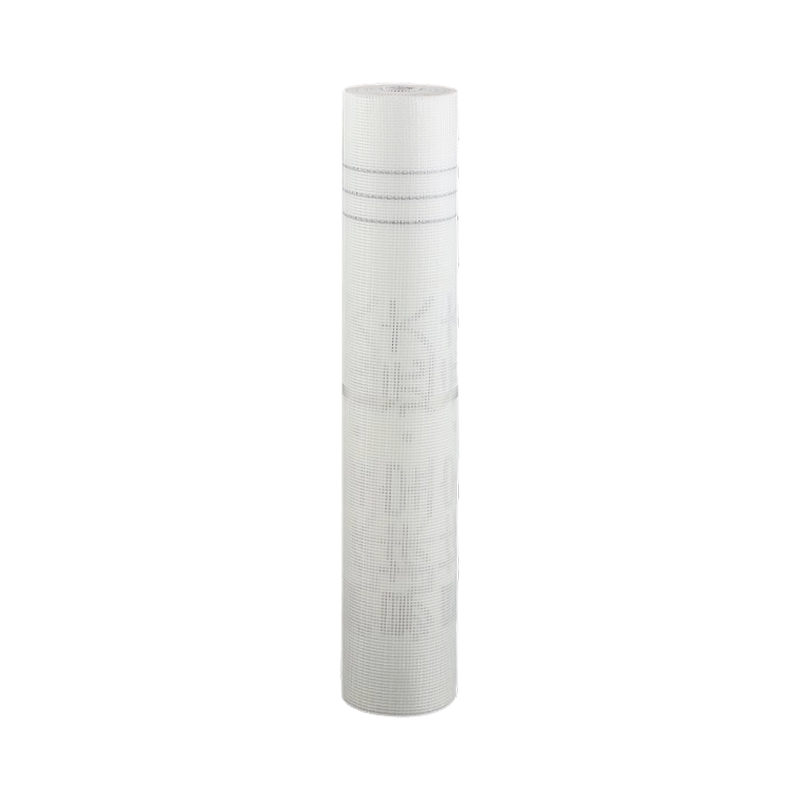
Fiberglass mesh is a grid-structured fabric woven from alkali-resistant glass fiber yarns and coated with polymer resin, engineered to reinforce surfaces against cracking, impact, and structural deformation. It is the single most widely used reinforcement material in exterior insulation and finish systems (EIFS), tile installation, stucco application, and concrete repair — primarily because it combines a tensile strength of up to 3,000 N per 5 cm with near-zero thermal expansion, chemical resistance to alkalis and moisture, and a lightweight profile that adds less than 160 grams per square meter to any assembly. Whether you are a contractor selecting mesh for a facade project, a manufacturer evaluating reinforcement options, or an engineer specifying materials for a repair system, this guide covers everything you need to know about fiberglass mesh — how it works, what types exist, and how to choose the right one.
Content
- 1 What Is Fiberglass Mesh Made Of and How Is It Manufactured?
- 2 What Are the Main Types of Fiberglass Mesh and How Do They Differ?
- 3 Why Does Fiberglass Mesh Outperform Other Reinforcement Materials in Plaster and Render Systems?
- 4 How Is Fiberglass Mesh Used in EIFS and Exterior Insulation Systems?
- 5 How to Choose the Right Fiberglass Mesh for Your Project
- 6 How to Install Fiberglass Mesh Correctly: Common Mistakes and Best Practices
- 7 Which Standards and Certifications Should Fiberglass Mesh Comply With?
- 8 Frequently Asked Questions About Fiberglass Mesh
- 8.1 Q: What is the difference between fiberglass mesh and fiberglass cloth?
- 8.2 Q: Can fiberglass mesh be used outdoors long-term without degrading?
- 8.3 Q: Is fiberglass mesh safe to handle and install?
- 8.4 Q: How do I verify that fiberglass mesh is genuinely alkali-resistant?
- 8.5 Q: What mesh size opening is best for general plaster reinforcement?
- 8.6 Q: Can fiberglass mesh be used to repair cracks in existing concrete walls?
- 9 Final Summary: How to Get the Most Out of Fiberglass Mesh in Any Application
What Is Fiberglass Mesh Made Of and How Is It Manufactured?
Fiberglass mesh is manufactured from continuous or chopped glass fiber strands woven into a grid pattern and then coated with an alkali-resistant polymer — typically acrylic or PVC latex — to protect the fibers from chemical attack in cementitious environments. The manufacturing process determines the mesh's final mechanical properties, chemical durability, and suitability for specific applications.
Raw Material: E-Glass and AR-Glass Fibers
Two primary glass fiber types are used in fiberglass mesh production. Standard E-glass (electrical-grade glass) offers excellent tensile strength and electrical insulation properties but has limited resistance to the high-pH environment of cement and lime mortars. AR-glass (alkali-resistant glass), which contains 16–20% zirconia (ZrO2) by composition, is the industry standard for construction-grade fiberglass mesh. The zirconia content provides durable resistance to alkali attack even after years of exposure to cement hydration products with pH values above 12.5, extending the mesh's functional service life from a few months (E-glass) to 25 years or more (AR-glass with polymer coating) within a mortar matrix.
Weaving and Coating Process
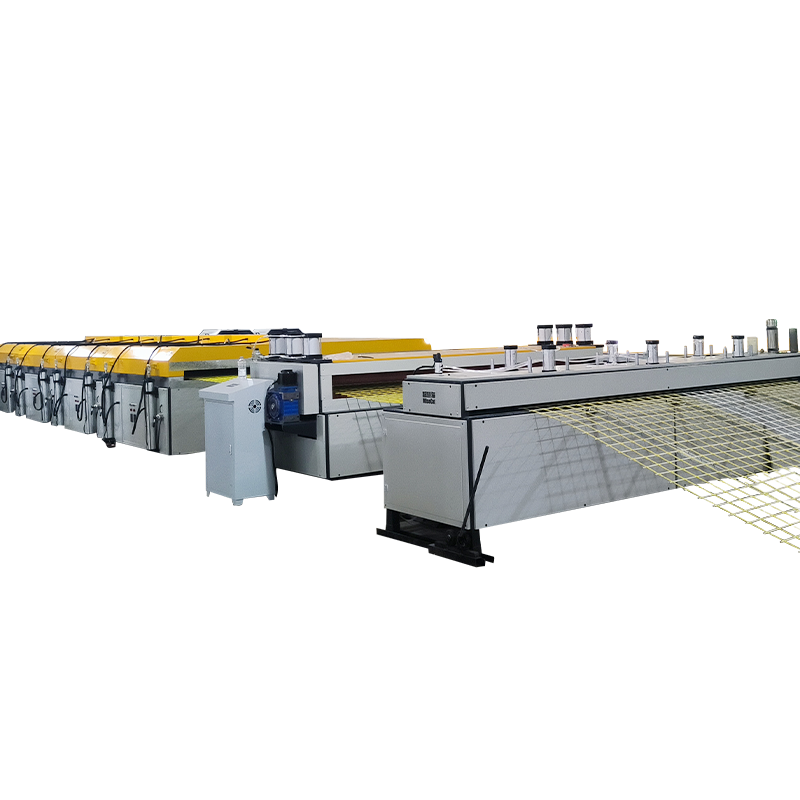
Glass fiber yarns are woven on industrial looms into an open grid with mesh openings ranging from 2 mm x 2 mm for fine plaster reinforcement to 25 mm x 25 mm for concrete crack bridging applications. After weaving, the fabric passes through a continuous coating bath where acrylic or PVC latex is applied at a controlled add-on weight — typically 15–30% of the total mesh weight — and then cured in a drying oven. This polymer coating locks the fiber intersections in place, improves handling stiffness, and provides the primary alkali protection barrier. The coating quality is the single most important determinant of long-term durability in alkaline environments.
What Are the Main Types of Fiberglass Mesh and How Do They Differ?
Fiberglass mesh is available in five principal categories, each designed for a distinct performance requirement, and selecting the wrong type for a given application is the most common cause of premature system failure.
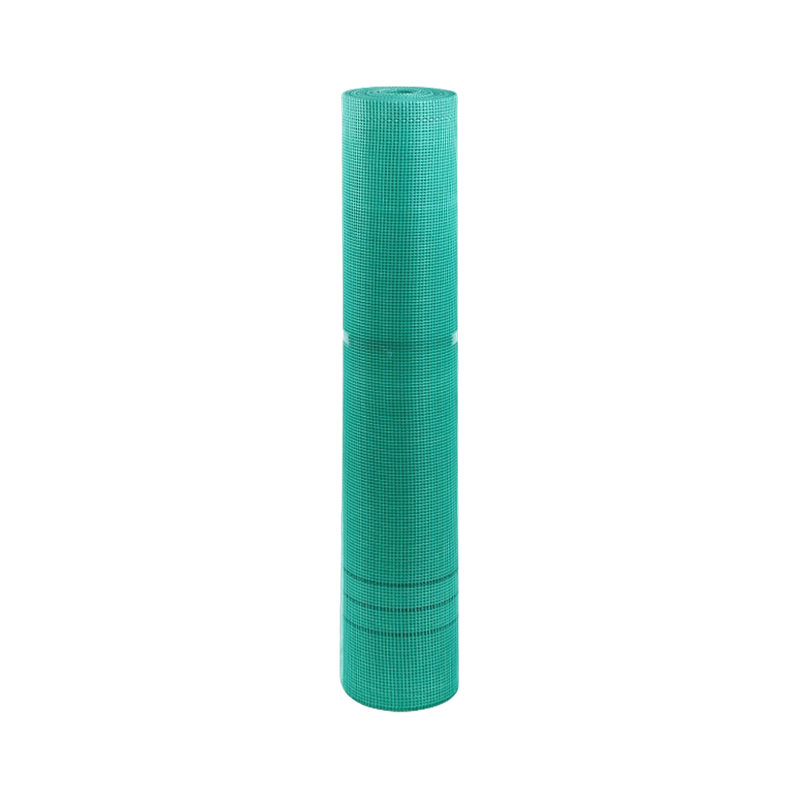
1. Standard Alkali-Resistant Fiberglass Mesh (Wall Mesh)
This is the most widely specified type, used as the primary reinforcement layer in EIFS (External Insulation and Finish Systems), render systems, and interior plastering. It typically weighs 145–160 g/m2, features a mesh opening of 4 mm x 4 mm, and delivers a tensile strength of 1,500–2,000 N/5 cm (warp and weft). After alkaline aging tests simulating 25 years of service, the retained tensile strength should be no less than 50% of the original per EN 15309 standards.
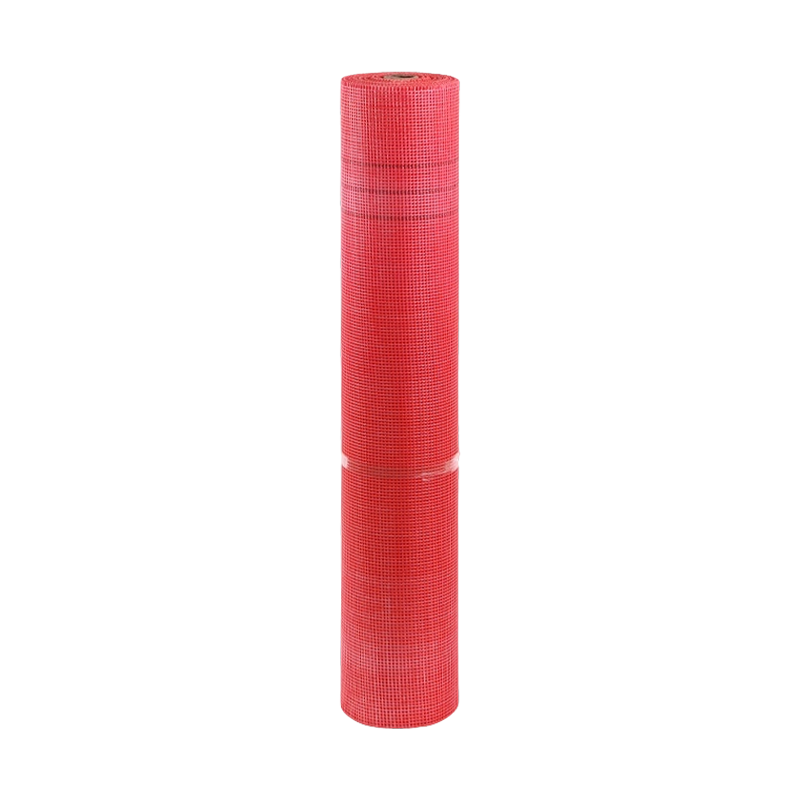
2. Heavy-Duty Reinforcing Fiberglass Mesh
Heavy-duty mesh weighs 200–300 g/m2 and is used for impact-resistant facade systems, basement waterproofing membranes, and crack bridging in concrete repair. At 300 g/m2, tensile strength can exceed 3,000 N/5 cm, providing enough reinforcement to span hairline cracks up to 0.3 mm wide without visible surface cracking under normal thermal cycling.
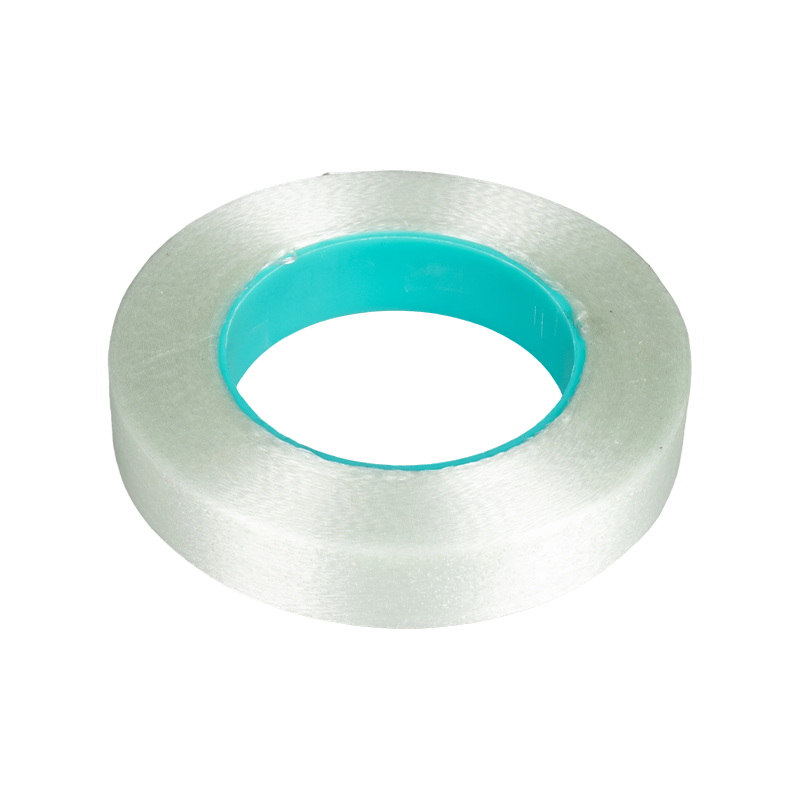
3. Self-Adhesive Fiberglass Mesh Tape
Self-adhesive fiberglass mesh tape is a narrow-width (typically 48–100 mm wide) woven mesh with a pressure-sensitive acrylic adhesive backing, designed for jointing drywall panels, sealing substrate cracks prior to tiling, and reinforcing corners. It eliminates the need for pre-application of jointing compound before embedding and is the preferred choice in North American drywall construction for its speed and dimensional stability compared to paper tape.
4. Fiberglass Mosaic Tile Mesh
This type is a lightweight open-weave mesh (50–100 g/m2) with large openings used as a mounting sheet for mosaic tiles during factory assembly and installation. The mesh holds individual tile pieces in precise geometric patterns, allowing entire pre-assembled sheets to be laid on adhesive in a single operation rather than setting each tile individually. It is not a structural reinforcement product and should not be confused with load-bearing fiberglass mesh grades.
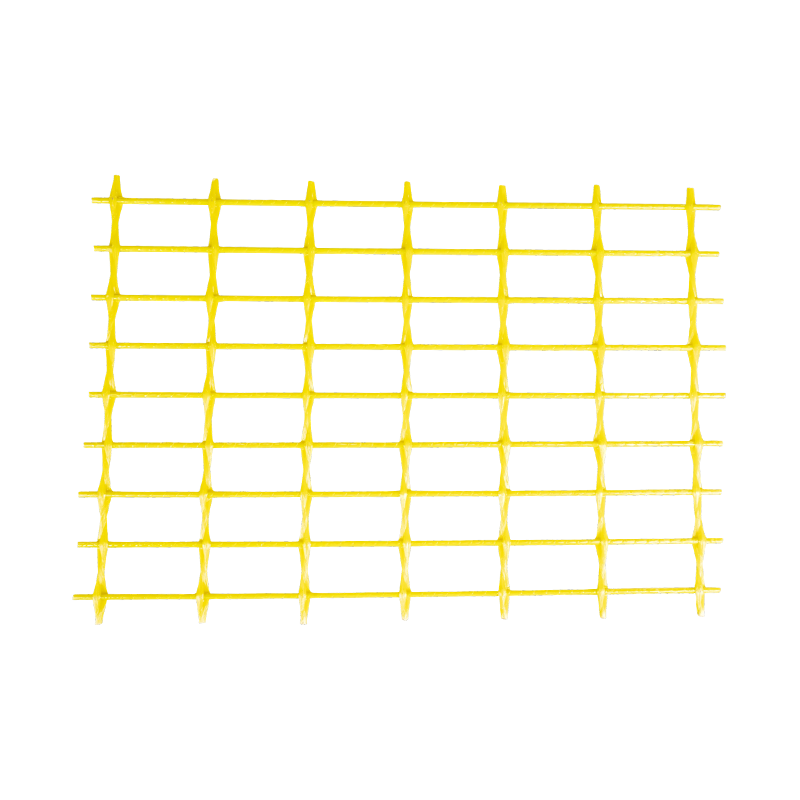
5. Fiberglass Geogrid and Ground Stabilization Mesh
Geogrid-type fiberglass mesh features a heavier construction with coarser openings (12 mm x 12 mm to 50 mm x 50 mm) and is used for soil stabilization under road pavements, asphalt reinforcement, and retaining wall face panels. This category can achieve tensile strengths of 50–200 kN/m — several orders of magnitude higher than wall mesh — and is designed to distribute load across a broad area in ground engineering applications.
| Type | Weight (g/m2) | Mesh Opening | Tensile Strength | Primary Application |
| Standard AR Wall Mesh | 145–160 | 4 x 4 mm | 1,500–2,000 N/5cm | EIFS, render, plaster reinforcement |
| Heavy-Duty Mesh | 200–300 | 4 x 4 mm | 2,500–3,500 N/5cm | Impact-resistant facades, waterproofing |
| Self-Adhesive Tape | 65–100 | 2 x 2 mm | 300–600 N/5cm | Drywall joints, crack sealing, tiling |
| Mosaic Tile Mesh | 50–100 | 10–25 mm | Non-structural | Mosaic tile sheet mounting |
| Geogrid Mesh | 300–800+ | 12–50 mm | 50–200 kN/m | Road pavement, soil stabilization |
Table 1: Comparison of main fiberglass mesh types by weight, mesh opening, tensile strength, and primary application.
Why Does Fiberglass Mesh Outperform Other Reinforcement Materials in Plaster and Render Systems?
Fiberglass mesh consistently outperforms alternative reinforcement materials — including metal lath, polypropylene mesh, and paper tape — in plaster and render applications because it uniquely combines high tensile strength, dimensional stability, corrosion resistance, and compatibility with alkaline binders.
Here is a direct comparison of fiberglass mesh against the most commonly used alternatives:
| Material | Tensile Strength | Alkali Resistance | Corrosion Risk | Weight | Cost Level | Thermal Expansion |
| Fiberglass Mesh (AR) | High | Excellent | None | Very Light | Medium | ~5 x 10⁻⁶/K |
| Galvanized Steel Lath | Very High | Poor | High (salt/moisture) | Heavy | Low–Medium | ~12 x 10-6/K |
| Polypropylene Mesh | Low–Medium | Good | None | Light | Very Low | ~100 x 10-6/K |
| Paper Drywall Tape | Low | Poor | Moisture damage | Very Light | Very Low | Variable |
| Carbon Fiber Mesh | Extremely High | Excellent | None | Very Light | Very High | ~1 x 10⁻⁶/K |
Table 2: Fiberglass mesh compared to alternative reinforcement materials across key performance and practical criteria.
The thermal expansion coefficient of AR fiberglass mesh (approximately 5 x 10⁻⁶/K) is closely matched to that of cement mortars and mineral render systems (4–10 x 10-6/K), which means the mesh expands and contracts at nearly the same rate as the surrounding material under temperature cycling. This compatibility is one of the primary reasons why fiberglass mesh reinforced plaster performs better in climates with wide temperature swings than steel-reinforced systems, where the mismatch in thermal expansion (steel at 12 x 10-6/K) creates internal stresses that cause delamination and cracking over time.
How Is Fiberglass Mesh Used in EIFS and Exterior Insulation Systems?
In EIFS (Exterior Insulation and Finish Systems), fiberglass mesh is the critical structural layer that holds the entire system together, preventing the base coat mortar from cracking under thermal movement, impact, and substrate deflection.
A standard EIFS assembly places the fiberglass reinforcing mesh within the middle third of the base coat layer — not on the surface and not against the insulation board — to maximize crack resistance. The installation sequence is:
- Apply a 2–3 mm layer of polymer-modified base coat mortar to the insulation board surface.
- Embed the fiberglass mesh into the wet mortar, overlapping adjacent sheets by a minimum of 100 mm at all joints.
- At corners and openings, install diagonal fiberglass mesh reinforcement strips (minimum 200 mm x 300 mm) at 45 degrees to control stress concentration cracking — a location responsible for over 60% of all observed EIFS crack failures.
- Apply a second pass of base coat to fully encapsulate the mesh, bringing total base coat thickness to 4–6 mm.
- In impact zones at grade level (up to 2.0 m height), replace standard 160 g/m2 mesh with heavy-duty 300 g/m2 mesh or install a double layer of standard mesh to meet impact resistance requirements per ASTM E2486.
Impact resistance performance is classified in ASTM E2486 as Standard Impact (SI) and Medium Impact (MI). A single layer of 160 g/m2 fiberglass mesh achieves Standard Impact classification. Double-layer systems or single layers of 300 g/m2 mesh achieve Medium Impact classification, which is mandatory for all EIFS installations up to 2 meters above accessible grade per most building codes in North America.
How to Choose the Right Fiberglass Mesh for Your Project
Choosing the correct fiberglass mesh grade starts with four questions: What system is it going into? What load or impact level is expected? What is the service environment? And what standard must the mesh comply with?
For Exterior Plaster and Render Systems
Specify alkali-resistant fiberglass mesh with a minimum weight of 145 g/m2 and a retained tensile strength after alkali aging of at least 50% per EN 998-1 or equivalent. In severe marine or industrial environments where chloride exposure is high, confirm that the polymer coating provides chloride ion resistance in addition to alkali resistance.
For Tile Installation Over Cement Board or Mortar Bed
Use self-adhesive fiberglass mesh tape (at minimum 65 g/m2, 4 x 4 mm opening) for all joints and cracks. For large-format tiles (above 600 mm x 600 mm), embed a full sheet of standard fiberglass reinforcing mesh in the uncoupling or mortar bed layer to control substrate crack propagation before it reaches the tile surface.
For Drywall and Interior Gypsum Applications
Fiberglass mesh drywall tape is preferable to paper tape in high-humidity areas such as bathrooms and kitchens, as it resists moisture absorption that can cause paper tape to bubble and delaminate. Use a minimum 48 mm wide tape with an acrylic adhesive backing rated for the specific joint compound type being used — not all adhesive formulations are compatible with all joint compounds.
For Concrete Crack Repair and Waterproofing Membranes
Select heavy-duty fiberglass mesh at 200–300 g/m2 with a coarser 5 x 5 mm opening to bridge cracks up to 0.3 mm wide. For waterproofing membrane systems, the mesh must be fully encapsulated within the membrane layer — a minimum of 1 mm of membrane material above and below the mesh — to prevent moisture wicking along fiber bundles.
| Application | Recommended Weight | Mesh Opening | Tensile Strength Min | Key Standard |
| Standard EIFS / Render | 145–160 g/m2 | 4 x 4 mm | 1,500 N/5cm | EN 998-1, ASTM E2486 |
| High-Impact EIFS Zone | 280–300 g/m2 | 4 x 4 mm | 2,800 N/5cm | ASTM E2486 MI Class |
| Tile Substrate / Joint Tape | 65–100 g/m2 | 2 x 2 mm | 300 N/5cm | ANSI A108.02 |
| Concrete Crack Repair | 200–300 g/m2 | 5 x 5 mm | 2,000 N/5cm | EN 1504-3 |
| Waterproofing Membrane | 160–200 g/m2 | 4 x 4 mm | 1,500 N/5cm | EN 14891 |
| Road / Pavement Geogrid | 300–800 g/m2 | 12–50 mm | 50–200 kN/m | EN ISO 10319 |
Table 3: Fiberglass mesh specification guide by application, including recommended weight, mesh opening, minimum tensile strength, and relevant standard.
How to Install Fiberglass Mesh Correctly: Common Mistakes and Best Practices
Incorrect installation is responsible for the majority of fiberglass mesh system failures — not material deficiency — making proper installation technique as important as correct product selection.
Best Practices for Embedding Mesh in Mortar or Base Coat
- Always embed mesh within the wet material, never apply it dry and coat over it. Dry application creates a bond failure plane between the mesh and the mortar.
- Ensure the mesh is positioned in the middle third of the base coat, with a minimum of 1 mm of material covering the mesh surface. Mesh sitting at the surface is exposed to UV and abrasion, accelerating degradation.
- Maintain a minimum overlap of 100 mm at all mesh joints. Overlaps shorter than 50 mm result in inadequate load transfer and visible joint cracking under thermal cycling.
- Cut diagonal reinforcement patches (approximately 200 mm x 300 mm) at all window and door corners before installing the field mesh layer. Apply patches first, then overlay with the full-sheet field mesh for a minimum of two reinforcement layers at every opening corner.
- Use only mesh that is stored dry and unrolled without sharp folds or creases. Creased mesh has reduced tensile capacity at the crease line.
Common Installation Mistakes to Avoid
- Using E-glass mesh instead of AR-glass mesh in cementitious systems: E-glass degrades rapidly in alkaline environments. Strength loss of 60–80% can occur within 12 months of exposure to fresh cement, leaving the reinforcement layer effectively non-functional.
- Insufficient overlap at mesh joints: A 50 mm overlap provides only about 30% of the load transfer capacity of a 100 mm overlap in most base coat formulations.
- Applying finish coat before base coat has cured: Premature finish coat application traps moisture in the base coat and can cause delamination, blistering, and efflorescence. Allow a minimum of 24–48 hours curing time depending on temperature and humidity.
- Using the wrong mesh weight for the application zone: Installing standard 160 g/m2 mesh in a ground-level impact zone will result in failure under even moderate impact loads. Always upgrade to 300 g/m2 or double-layer within the critical impact zone.
Which Standards and Certifications Should Fiberglass Mesh Comply With?
For any fiberglass mesh used in a regulated construction system, compliance with recognized standards is non-negotiable — it is the only objective basis for verifying that the mesh will perform as expected over its intended service life.
- EN 15309 (Europe): The primary European standard for glass fiber reinforcing meshes used in render systems. Specifies test methods for tensile strength, mass per unit area, and retained tensile strength after alkali aging.
- ASTM E2486 (North America): The standard test method for impact resistance of Class PB and PI exterior insulation and finish systems (EIFS), which directly governs mesh selection for impact classification.
- EN 998-1: European standard for masonry and render mortars that indirectly requires compatible fiberglass mesh reinforcement in category R4 and CS IV render systems.
- ISO 9002 / ISO 14001 (Manufacturing quality): Reputable fiberglass mesh manufacturers should hold ISO 9001 certification for quality management systems and ideally ISO 14001 for environmental management.
- EN ISO 10319 (Geotextiles): Governs tensile testing for geogrid-type fiberglass mesh used in road and ground engineering applications.
Frequently Asked Questions About Fiberglass Mesh
Q: What is the difference between fiberglass mesh and fiberglass cloth?
Fiberglass mesh is an open-grid woven fabric with visible gaps between strands, designed to embed within mortar, base coat, or membrane systems to provide crack resistance in construction applications. Fiberglass cloth (also called woven roving or fiberglass fabric) is a tightly woven, solid-surface textile used in composite manufacturing — boat hulls, car body panels, wind turbine blades — in combination with epoxy or polyester resins. They share the same base material (glass fiber) but are entirely different products with different constructions, coating systems, and intended end uses.
Q: Can fiberglass mesh be used outdoors long-term without degrading?
Yes, provided it is AR-glass (alkali-resistant) fiberglass mesh with a quality polymer coating and is fully embedded within the render or base coat system rather than left exposed on the surface. Embedded AR fiberglass mesh in a well-maintained EIFS or render system has a demonstrated service life of 25–40 years without significant strength loss. However, exposed fiberglass mesh degrades rapidly under UV radiation, with measurable strength reduction within just 3–6 months of unprotected outdoor exposure. This is why full encapsulation in mortar or membrane material is mandatory, not optional.
Q: Is fiberglass mesh safe to handle and install?
Construction-grade fiberglass mesh is generally safe to handle but glass fiber particles can cause temporary skin irritation and eye irritation if fibers become airborne during cutting or installation. Best practice is to wear nitrile gloves, safety glasses, and a dust mask when cutting mesh, and to wash exposed skin with soap and cool (not hot) water after handling. Hot water opens skin pores and can drive glass microfibers deeper into the skin. The coated product used in construction produces significantly less fiber dust than uncoated industrial fiberglass, reducing the exposure risk compared to uncoated fiberglass insulation products.
Q: How do I verify that fiberglass mesh is genuinely alkali-resistant?
The most reliable verification method is to request the product's third-party alkali aging test report per EN 15309 or an equivalent national standard. This report should show original tensile strength (both warp and weft directions) and retained tensile strength after immersion in a 5% NaOH solution for 28 days at 23°C, with retained strength no less than 50% of original. Visual inspection alone is insufficient — a mesh can look identical whether it is genuine AR-glass or standard E-glass, but their long-term performance in cement differs dramatically.
Q: What mesh size opening is best for general plaster reinforcement?
For standard cement-based or lime-based plaster and render reinforcement, a 4 mm x 4 mm mesh opening is the industry-standard choice, providing the optimal balance between mechanical interlock with the mortar matrix, ease of mortar penetration through the mesh during embedding, and tensile load distribution per unit width. Finer meshes (2 mm x 2 mm) increase resistance but can trap air during embedding in thicker mortars. Coarser meshes (6 mm x 6 mm or larger) reduce interlock efficiency in thin-bed systems.
Q: Can fiberglass mesh be used to repair cracks in existing concrete walls?
Yes, and it is one of the most cost-effective methods for stabilizing dormant (non-moving) cracks in concrete walls, columns, and slabs. The procedure involves cleaning and routing the crack, filling with a compatible repair mortar, and then applying a heavy-duty fiberglass mesh (200–300 g/m2) embedded in a polymer-modified overlay mortar over the repaired area. This bridges the crack and distributes any residual stress across a wider area, preventing re-cracking at the original crack line. For active (moving) cracks caused by ongoing structural movement, fiberglass mesh alone is insufficient and a flexible sealant or movement joint must be incorporated.
Final Summary: How to Get the Most Out of Fiberglass Mesh in Any Application
Fiberglass mesh is not a generic commodity — the difference between a correctly specified, properly installed AR-glass mesh system and an undersized or incorrectly installed one can mean the difference between a facade that lasts 30 years without maintenance and one that shows cracking within 18 months. The key decisions that determine outcome are:
- Always specify AR-glass (alkali-resistant) fiberglass mesh for all cementitious and lime mortar applications — never E-glass.
- Match mesh weight to impact exposure: 145–160 g/m2 for standard zones, 280–300 g/m2 for ground-level impact zones.
- Verify alkali resistance with a third-party EN 15309 test report before accepting any product on critical projects.
- Embed mesh fully within the middle of the mortar or base coat layer — never at the surface or against the substrate.
- Maintain minimum 100 mm overlaps at all mesh sheet joints and install diagonal reinforcement patches at every opening corner.
- Use self-adhesive fiberglass mesh tape for drywall jointing in high-humidity environments where paper tape is susceptible to moisture damage.
When these principles are followed, fiberglass mesh reinforcement reliably delivers the crack resistance, durability, and service life that makes it the material of choice for construction professionals worldwide — from single-family residential renovations to large-scale commercial facades and infrastructure repair.