English
 中文简体
中文简体 Español
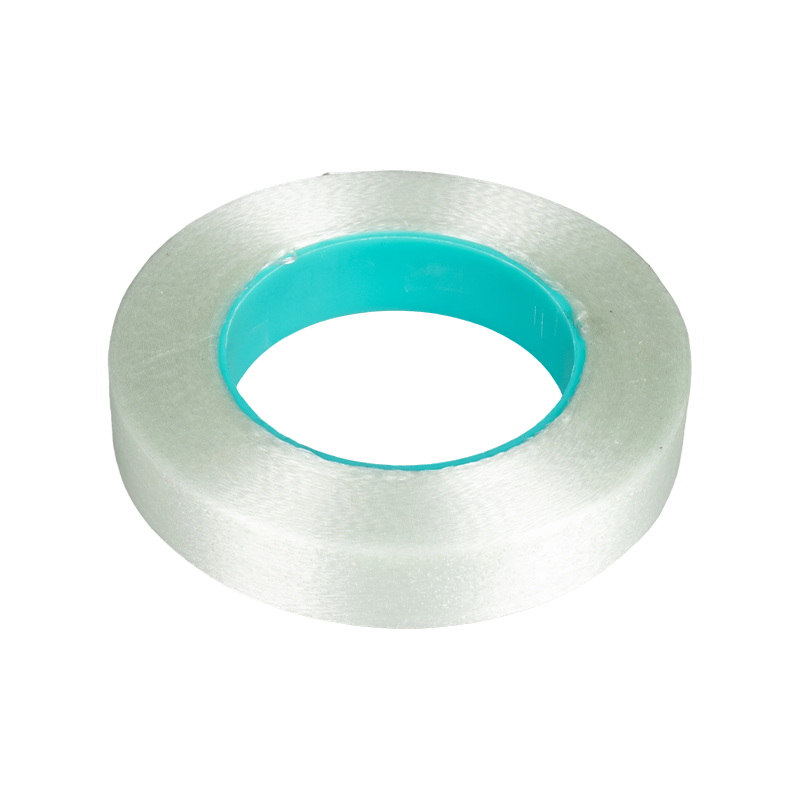
The key difference between paper tape vs fiberglass mesh for drywall finishing lies in strength, crack resistance, and ease of application. Paper tape creates a stronger joint because its tightly bonded cellulose fibers form a monolithic structure when embedded in all-purpose joint compound, while fiberglass mesh tape offers faster installation with its peel-and-stick backing but produces a joint that is more prone to cracking under structural movement. According to independent testing conducted by the National Association of Home Builders (NAHB) Research Center, flat joints taped with paper tape can withstand tensile forces approximately 30% to 50% higher than identical joints taped with fiberglass mesh before visible cracking occurs. This fundamental difference in mechanical performance is why most professional drywall contractors and building codes prefer paper tape for high-stress areas such as inside corners, butt joints, and ceiling seams, while reserving mesh tape for small repairs, patchwork, and areas where speed is prioritized over maximum strength. Understanding the specific advantages and limitations of each tape type ensures the right product is used for the right application, reducing costly callbacks for cracked joints.
Content
- 1 What Is Paper Drywall Tape and How Does It Work?
- 2 What Is Fiberglass Mesh Tape and How Does It Differ?
- 3 Paper Tape vs Fiberglass Mesh: Direct Performance Comparison
- 4 When Should You Use Paper Tape Instead of Fiberglass Mesh?
- 5 When Is Fiberglass Mesh Tape the Better Option?
- 6 Common Problems When Using the Wrong Tape
- 7 Frequently Asked Questions About Paper Tape and Fiberglass Mesh
What Is Paper Drywall Tape and How Does It Work?
Paper tape is a non-adhesive, perforated strip of cellulose paper that must be mechanically bonded to drywall seams using a layer of all-purpose or taping compound, which fills the paper's fibers and creates a composite joint that is exceptionally rigid and crack-resistant when dry. The tape is typically sold in rolls of 75 to 500 feet and is available in standard widths of 1.875 inches or 2.0625 inches. A shallow center crease runs along the length of the tape, which allows it to be folded precisely for inside corners. Unlike mesh tape, paper tape has no adhesive of its own, which means the installer must first apply a smooth bed of taping compound to the joint using a four-inch or five-inch drywall knife. The tape is then pressed into the compound, and excess mud is squeezed out from beneath the tape by drawing the knife firmly along its length. This embedding process forces compound into the paper fibers, creating a mechanical interlock that, when fully cured, forms a continuous, rock-hard band across the joint. According to the Gypsum Association, which publishes the industry standard GA-214 for drywall finishing, paper tape embedded in a setting-type compound achieves a bond strength that exceeds the tensile strength of the gypsum board itself. The primary disadvantage of paper tape is that it requires more skill to apply correctly. If too little compound is left beneath the tape, the bond will be starved and the tape will blister or delaminate after the wall is painted. If too much compound remains, a raised hump forms that must be feathered out over a wider area, adding labor and drying time. Despite the learning curve, paper tape remains the default choice for taping flat seams and inside corners in professional drywall finishing because the resulting joint is flatter, thinner, and structurally superior to any alternative.
What Is Fiberglass Mesh Tape and How Does It Differ?
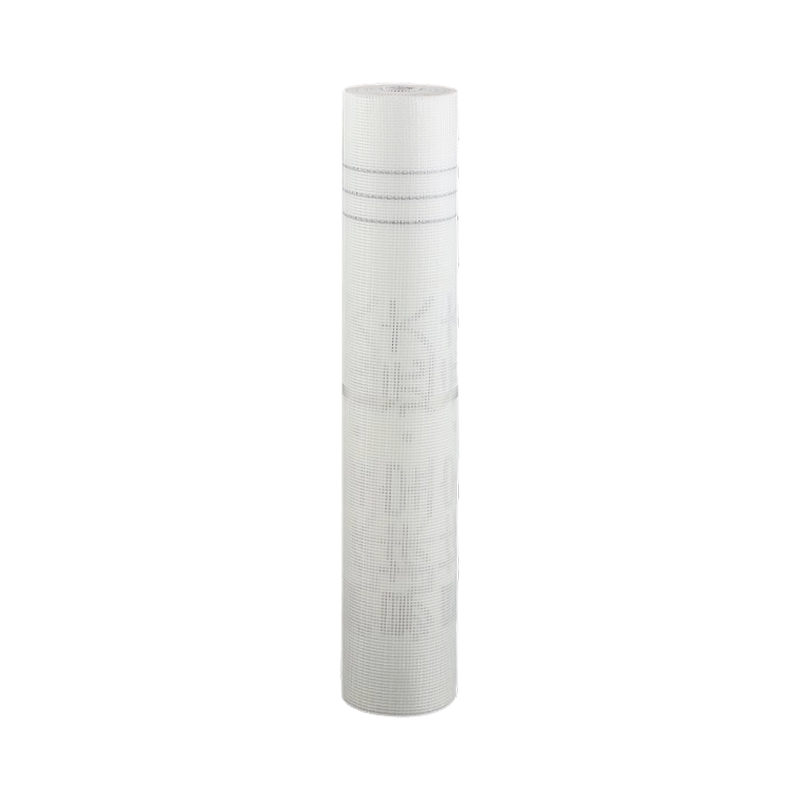
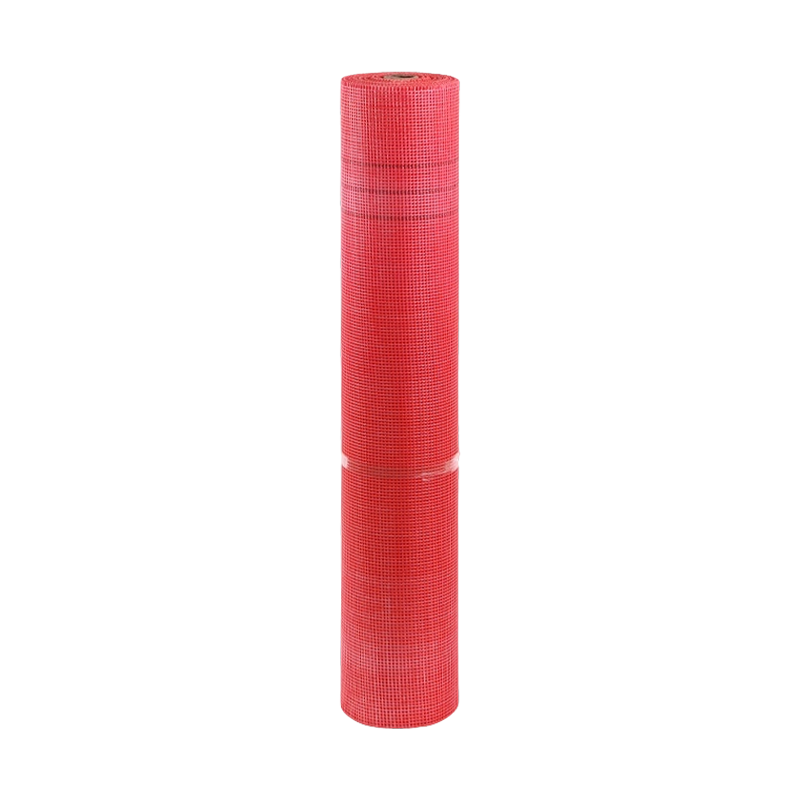
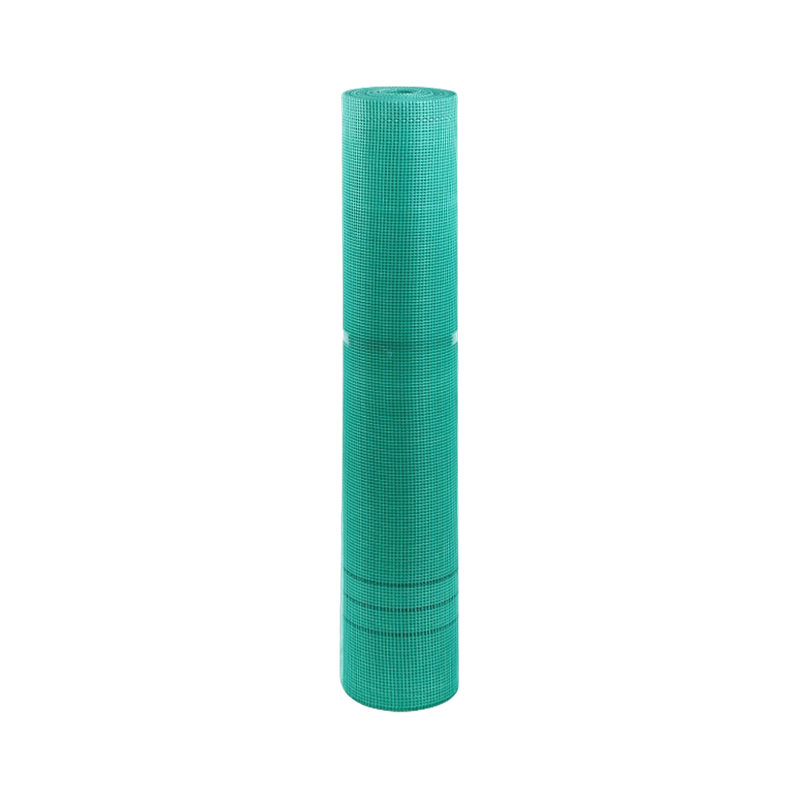
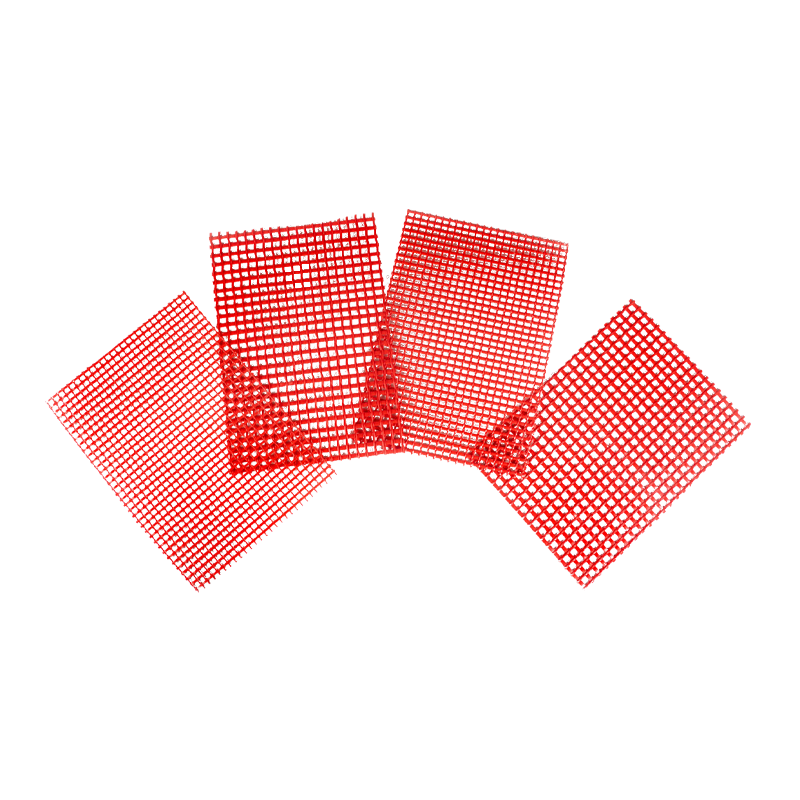
Fiberglass mesh tape is a self-adhesive, woven grid of glass fibers coated with a pressure-sensitive backing that can be applied directly to a dry drywall seam without an underlying bed of joint compound, making installation significantly faster and less technique-dependent than paper tape. The open-weave construction of mesh tape allows joint compound to pass through the gaps and bond with the drywall surface behind the tape, while the adhesive backing holds the tape in position during the initial application. This peel-and-stick convenience is the primary reason mesh tape is popular among DIY homeowners and for small-scale patching projects. The tape is resistant to mold and mildew, will not wrinkle if exposed to moisture, and does not require mixing or applying a separate taping compound to get started. However, the structural performance of mesh tape differs fundamentally from paper. The woven glass filaments, while strong in tension, create a grid of stress concentration points where the compound bridges across the openings in the mesh. Under applied tensile or shear forces, these compound bridges crack at far lower loads than the continuous cellulose fiber network in paper tape. According to test data compiled by the North American Drywall Contractors Association, joints taped with fiberglass mesh and finished with standard all-purpose joint compound failed at roughly 60% to 70% of the load that paper-taped joints withstood under identical test conditions. For this reason, most mesh tape manufacturers specify that their product must be used with a setting-type compound, often labeled as "hot mud," rather than with the slower-drying all-purpose compounds used with paper tape. The harder, more chemically bonded setting compounds compensate for some of the mesh's inherent structural weakness, but the combination is still not rated to match the crack resistance of paper tape in critical joints. An additional limitation of mesh tape is its thickness: once covered with compound, a mesh-taped joint often requires a wider feathering area to conceal the slight bulge of the tape itself, which can be particularly noticeable on butt joints under raking light.
Paper Tape vs Fiberglass Mesh: Direct Performance Comparison
The table below provides a head-to-head comparison of the key performance attributes that distinguish paper tape from fiberglass mesh tape in real-world drywall finishing applications.
| Performance Attribute | Paper Tape | Fiberglass Mesh Tape |
|---|---|---|
| Joint Strength (Tensile) | High; composite bond with paper fibers embedded in compound | Moderate; compound bridges across mesh openings are failure points |
| Crack Resistance Over Time | Excellent; resists cracking from minor framing movement | Lower; mesh joints more susceptible to cracks under stress |
| Installation Speed | Slower; requires spreading compound bed before embedding tape | Faster; self-adhesive backing sticks directly to dry surface |
| Skill Required | Higher; technique-dependent to avoid bubbles and starved joints | Lower; simple peel-and-stick application is forgiving |
| Recommended Compound | All-purpose or taping compound (drying type) | Setting-type compound (hot mud) required for best results |
| Inside Corner Performance | Excellent; factory crease folds precisely; strong bond | Not recommended; does not hold a sharp crease and cracks easily |
| Mold and Moisture Resistance | Susceptible; paper can absorb moisture and support mold growth | Excellent; fiberglass is inherently mold-resistant |
| Material Cost (per 300 ft roll) | $4–$8 | $8–$15 |
When Should You Use Paper Tape Instead of Fiberglass Mesh?
Paper tape is the required choice for inside corners and flat seams in high-end residential and commercial drywall finishing where long-term crack resistance is a priority, and it is specifically mandated by many building codes for fire-rated wall assemblies. The specific applications where paper tape outperforms mesh tape include the following:
- Inside corners: The factory-applied center crease in paper tape folds to a precise 90-degree angle that adheres smoothly into the corner. The continuous paper fibers provide crack resistance across the angle, where differential movement between intersecting wall and ceiling planes is common.
- Butt joints: The weakest type of drywall joint occurs where two un-tapered edges meet. Paper tape, when embedded in compound, creates a shallow, rigid bridge across this gap that resists cracking far better than mesh.
- Ceiling seams: Gravity and vibration from foot traffic or door slams put ceiling joints under constant tensile stress. Paper tape's superior bond strength makes it the standard for overhead work.
- Fire-rated assemblies: Many fire-rated wall and ceiling designs tested under ASTM E119 require the use of paper tape specifically, because the intumescent behavior of the paper contributes to maintaining joint integrity during a fire.
When Is Fiberglass Mesh Tape the Better Option?
Fiberglass mesh tape is the practical choice for small patching repairs, for moisture-prone areas such as bathrooms, and for DIY projects where the speed and simplicity of a self-adhesive tape outweigh the need for maximum structural strength. The specific scenarios where mesh tape excels include the following:
- Drywall patch repairs: When repairing a small hole or crack, the self-adhesive backing of mesh tape eliminates the need to mix and apply a separate bed of taping compound before placing the tape. The tape is applied directly over the cleaned crack, and the compound is applied over the top.
- Bathroom and high-humidity areas: Fiberglass is immune to moisture absorption, making mesh tape a better choice in bathrooms, laundry rooms, and basements where occasional humidity could soften or delaminate paper tape over time.
- Beginner DIY projects: The skill barrier for mesh tape is much lower. Because the tape adheres to the drywall on its own, there is no risk of the tape blistering from insufficient compound underneath, which is the most common mistake made when learning to use paper tape.
- Cement board joints: For tile backing applications, alkali-resistant fiberglass mesh tape is specifically required for embedding in thin-set mortar over cement board seams. Paper tape is not compatible with the alkaline chemistry of cement and thin-set mortar.
Common Problems When Using the Wrong Tape
Using fiberglass mesh tape with pre-mixed all-purpose joint compound is one of the most common causes of joint cracking in DIY drywall work, because the weaker adhesive bond and lower compound strength cannot compensate for the mesh's inherent lack of rigidity. The following problems occur frequently when the paper tape vs fiberglass mesh decision is made incorrectly:
- Cracking with standard compound: Mesh tape manufacturers explicitly state that their product should be covered with setting-type compound, not air-drying all-purpose compound. When mesh tape is covered with standard all-purpose mud, the softer dried compound cracks at the stress concentrations within weeks or months.
- Visible tape pattern: The open weave of mesh tape requires a thicker layer of compound to completely cover, which can result in a slight but visible grid pattern telegraphing through the paint if the feathering is not carried out far enough.
- Paper tape blisters: When paper tape is applied over insufficient compound or over compound that has already begun to dry, large bubbles or blisters form that must be cut out and re-taped, costing time and material.
Frequently Asked Questions About Paper Tape and Fiberglass Mesh
Can I use fiberglass mesh tape with all-purpose joint compound?
It is not recommended. Fiberglass mesh tape should be covered with a setting-type compound (hot mud) that cures through a chemical reaction and produces a harder, more rigid joint. All-purpose pre-mixed compound dries through evaporation, is softer, and does not provide the strength needed to reinforce the mesh structure. Using mesh tape with standard compound will result in a joint that cracks under minimal stress.
Is paper tape harder to install than mesh tape?
Yes. Paper tape requires more practice to install correctly because the installer must apply a consistent, thin bed of compound beneath the tape, embed the tape without tearing it, and squeeze out the excess without removing too much compound from underneath. However, once the technique is learned, a skilled taper can produce flatter, thinner joints with paper tape than with mesh, which ultimately reduces the amount of finish sanding required.
Which tape do professional drywall contractors prefer?
Professional drywall contractors overwhelmingly prefer paper tape for the vast majority of work, typically using it for 90% or more of all joints. The reasons are its superior crack resistance, its thinner profile that allows flatter finishing, and its lower material cost. Mesh tape is generally reserved by professionals for patching, for use with setting compounds on small repairs that must be completed and painted in the same day, and for cement board applications.
Can mesh tape be used on inside corners?
No. Fiberglass mesh tape does not hold a sharp crease and tends to crack along inside corners as the intersecting wall and ceiling planes move independently. Inside corners should always be taped with paper tape, which has a center crease designed specifically for this purpose and provides the continuous fiber reinforcement needed to resist corner cracking over the life of the building.
The paper tape vs fiberglass mesh decision comes down to priorities: strength and durability versus speed and ease of use. For permanent, crack-resistant joints in high-visibility areas, ceilings, and inside corners, paper tape embedded in all-purpose compound remains the professional standard. For quick repairs, DIY projects, and moisture-prone areas, fiberglass mesh tape with a setting-type compound provides an acceptable and faster alternative. Understanding the technical differences between these two products—particularly the critical requirement to pair mesh tape with hot mud—is the key to a drywall finish that will remain crack-free for the life of the home.