English
 中文简体
中文简体 Español
The fastest way to tape drywall with fiberglass mesh is to press the self adhesive mesh tape directly over the seam, apply two to three thin coats of setting type joint compound over it, and sand lightly between coats until the seam is flat and invisible under paint. Unlike paper tape, fiberglass mesh tape does not need a bedding layer of mud before it goes on the wall, which is why many do it yourself renovators and professional finishers reach for it on repair jobs and new installations alike.
According to the National Association of Home Builders Remodeling Impact Report, interior wall and drywall repairs remain among the most common home improvement projects reported by contractors every year, and drywall taping is consistently cited as the step that most affects the final appearance of a paint job. Getting the tape and mud technique right is not optional if a smooth, professional looking wall is the goal.
This guide walks through every stage of the process, compares fiberglass mesh tape against paper tape, lists the tools and materials needed, and answers the most common questions homeowners and beginner drywall finishers ask before starting a project.
Content
- 1 What Is Fiberglass Mesh Drywall Tape
- 2 Fiberglass Mesh Tape vs Paper Tape: Which One Should You Use
- 3 Tools and Materials Needed
- 4 Step by Step: How to Tape Drywall With Fiberglass Mesh
- 5 Common Mistakes to Avoid
- 6 Taping Inside Corners and Outside Corners With Mesh
- 7 Why Setting Type Compound Matters for Mesh Tape
- 8 Drying Times and Coat Thickness Guide
- 9 When to Call a Professional
- 10 Frequently Asked Questions
- 10.1 Does fiberglass mesh tape need joint compound underneath it?
- 10.2 Is fiberglass mesh tape stronger than paper tape?
- 10.3 How many coats of compound are needed over mesh tape?
- 10.4 Can I use regular all purpose mud instead of setting compound?
- 10.5 Can fiberglass mesh tape be used on ceilings?
- 10.6 How long should I wait before painting over taped drywall?
- 10.7 Why is my mesh tape still visible after painting?
- 11 Final Thoughts
What Is Fiberglass Mesh Drywall Tape
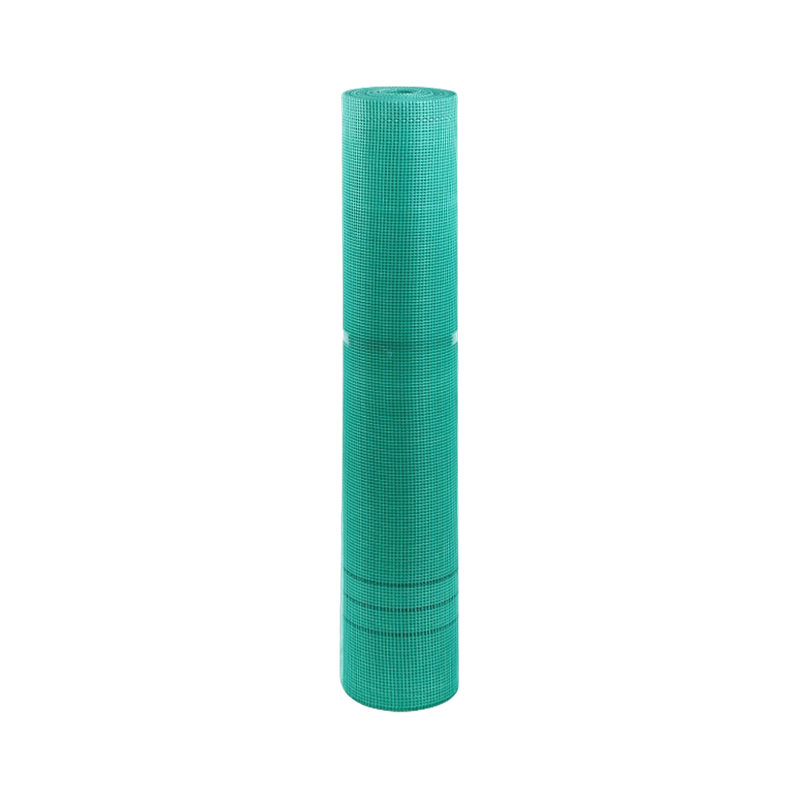
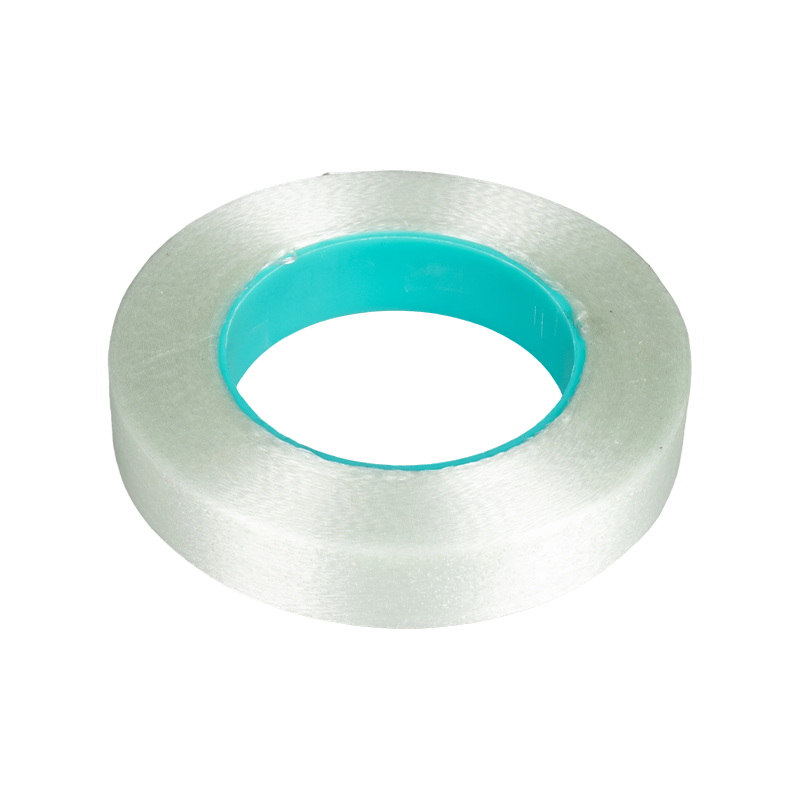
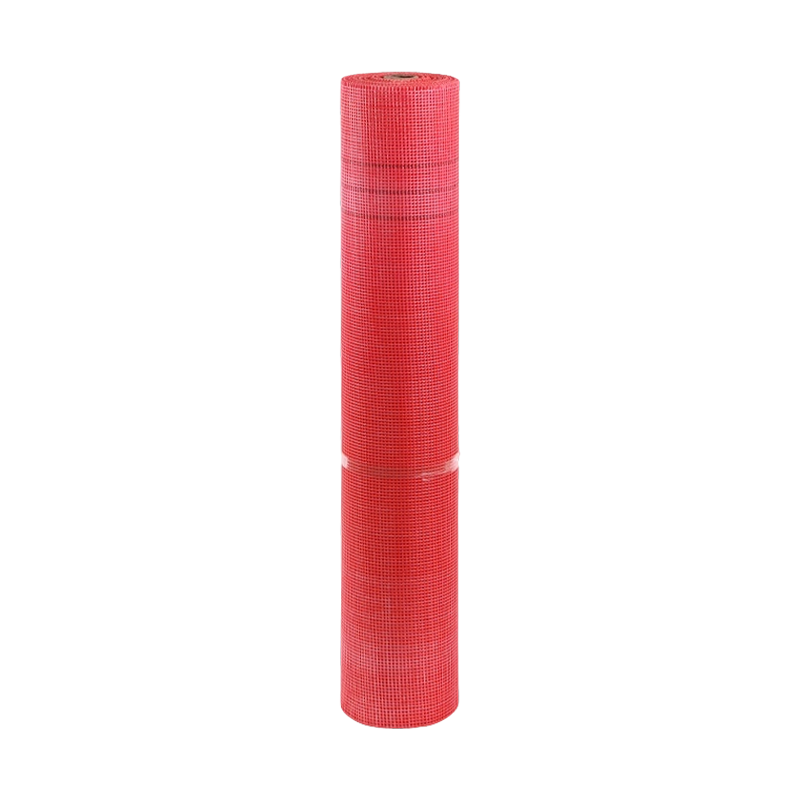
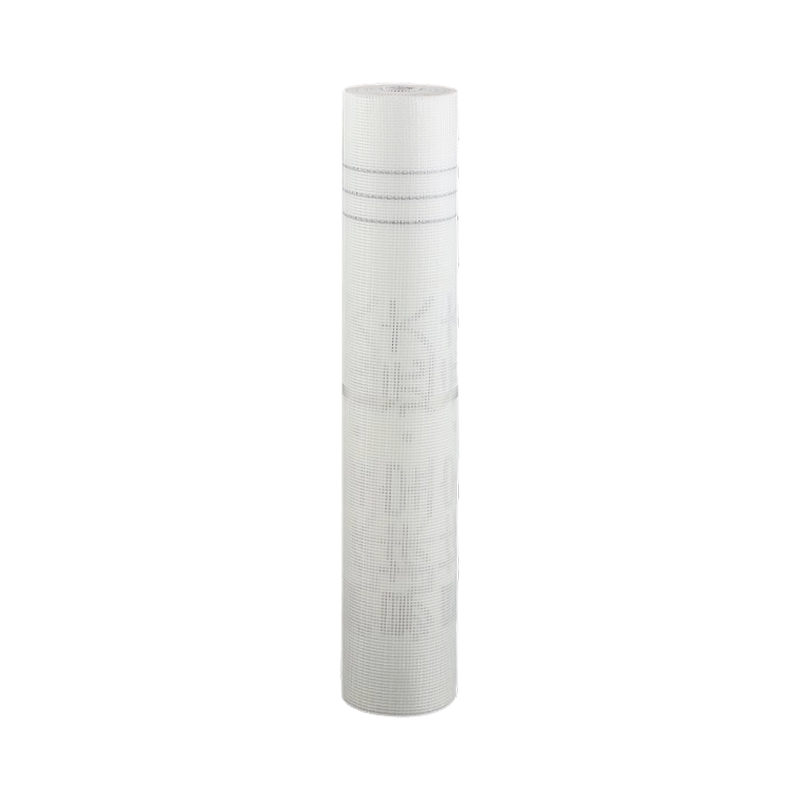
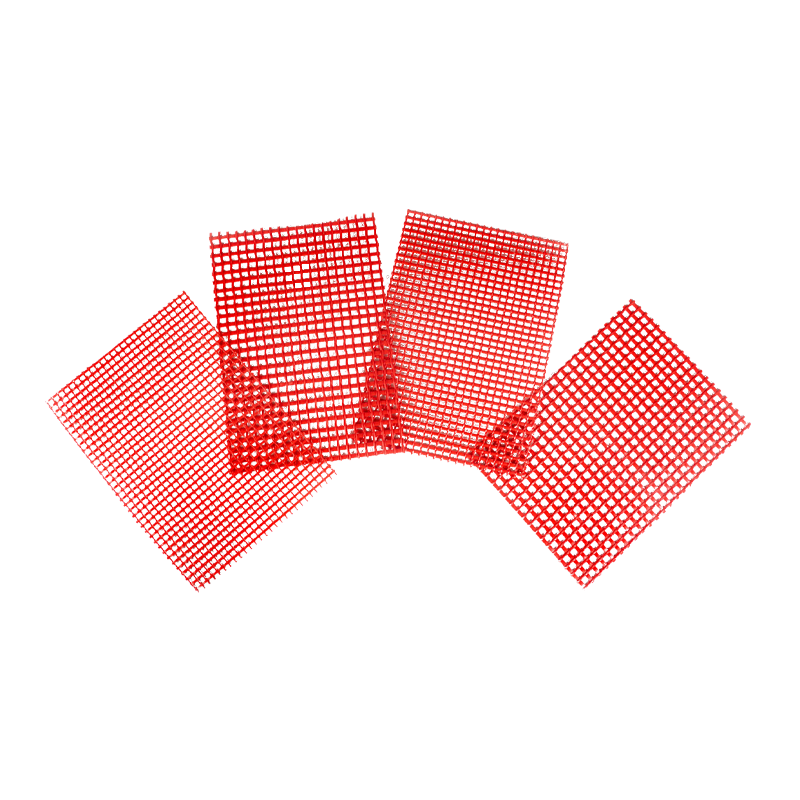
Fiberglass mesh drywall tape is a woven, self adhesive tape made from fine strands of fiberglass arranged in a crisscross grid pattern. It is coated with a light adhesive on one side so it can be pressed directly onto a drywall seam without needing a layer of joint compound underneath first. The open weave design allows joint compound to pass through the mesh and bond to the drywall paper and the tape itself, creating a mechanical lock that resists cracking.
The tape typically comes in rolls that are 1.87 inches to 2 inches wide and 150 to 300 feet long, and it is sold in both standard and self adhesive versions, though the self adhesive type is by far the most common for residential use. It is widely used for:
- New drywall installation on flat seams and butt joints
- Repairing cracks, holes, and popped seams in existing walls
- Patch work around electrical boxes, windows, and corner bead repairs
- Reinforcing joints in high stress areas such as garages and basements
Fiberglass Mesh Tape vs Paper Tape: Which One Should You Use
Fiberglass mesh tape is easier for beginners because it self adheres without a bedding coat, while paper tape produces a slightly flatter, stronger finish on flat seams when used with a compatible setting compound. The right choice depends on the type of joint being taped and the skill level of the person doing the work.
| Feature | Fiberglass Mesh Tape | Paper Tape |
|---|---|---|
| Application Method | Self adhesive, no bedding coat needed | Must be embedded in wet joint compound |
| Best Compound Type | Setting type compound recommended | All purpose or setting type compound |
| Crack Resistance | Very high due to open weave bonding | High when properly embedded |
| Ease of Use for Beginners | Easier, more forgiving | Steeper learning curve |
| Best Use Case | Repairs, patches, corner bead | Flat seams on new construction |
| Risk of Bubbling | Low | Moderate if air pockets form |
Comparison of fiberglass mesh tape and paper tape based on typical manufacturer application guidelines and common finishing industry practice.
Tools and Materials Needed
A short list of supplies is all that is required to tape drywall seams with fiberglass mesh, and most of these items are available at any hardware or home improvement store.
| Item | Purpose |
|---|---|
| Self adhesive fiberglass mesh tape | Reinforces the seam and prevents cracking |
| Setting type joint compound | Bonds to mesh and drywall paper, resists shrinkage |
| 6 inch and 10 to 12 inch taping knives | Apply and feather joint compound coats |
| Mud pan or hawk | Holds compound while working |
| 120 to 150 grit sanding sponge or pole sander | Smooths dried compound between coats |
| Utility knife | Cuts mesh tape to length |
| Drop cloth and dust mask | Protects flooring and lungs from dust |
Standard tool and material list recommended for residential drywall taping projects using mesh tape.
Step by Step: How to Tape Drywall With Fiberglass Mesh
The core technique involves applying the mesh directly to the seam, then building up three thin coats of joint compound while sanding between each layer.
Step 1: Prepare the Seam
Clean the seam of dust, loose paper, and drywall debris before doing anything else. Any protruding drywall screws should be driven flush or slightly below the surface, and any gaps wider than one quarter inch should be filled with setting compound and allowed to dry first.
Step 2: Apply the Fiberglass Mesh Tape
Center the self adhesive mesh tape directly over the seam and press it firmly along its full length using a taping knife or hand pressure. Overlap the tape slightly at any joints where two pieces meet, and smooth out any bubbles or wrinkles before moving to the next step.
Step 3: Apply the First Coat of Compound
Spread a thin, even layer of setting type joint compound over the mesh using a 6 inch taping knife, working the compound firmly into the weave so it bonds through to the drywall paper underneath. This first coat is often called the embedding coat because its job is to lock the mesh in place rather than to build thickness.
Step 4: Let It Dry and Sand Lightly
Allow the coat to fully cure according to the compound manufacturer's stated setting time, which is commonly 20 to 90 minutes for fast setting formulas or overnight for lightweight all purpose compounds. Once dry, sand lightly to knock down any ridges or high spots.
Step 5: Apply the Second and Third Coats
Widen each subsequent coat using a larger 10 to 12 inch knife, feathering the edges out several inches beyond the previous coat so the seam blends smoothly into the surrounding wall. Two additional coats are usually enough to fully hide the tape and create a flat, paintable surface.
Step 6: Final Sanding and Inspection
Sand the final coat with fine grit sandpaper or a sanding sponge under raking light to spot any remaining ridges, dips, or visible tape lines. A bright work light held at a low angle against the wall reveals imperfections that are invisible under normal room lighting.
- Clean and prep the seam
- Press on self adhesive fiberglass mesh tape
- Apply a thin embedding coat of setting compound
- Let dry and sand lightly
- Apply two widening, feathered coats
- Sand the final coat and inspect under raking light
Common Mistakes to Avoid
Most cracked or visible seams trace back to a small number of avoidable errors during the taping process.
- Using regular joint compound instead of setting type compound for the first coat, which increases shrinkage and cracking risk
- Applying coats too thick, which causes longer drying times and a higher chance of cracking as the compound shrinks
- Skipping the sanding step between coats, leaving ridges that telegraph through paint
- Not feathering the edges wide enough, leaving a visible hump along the seam
- Leaving wrinkles or air bubbles under the mesh tape before mudding over it
- Working in high humidity or cold rooms where compound cures unevenly
Taping Inside Corners and Outside Corners With Mesh
Inside corners require a different folding technique, while outside corners generally rely on metal or plastic corner bead rather than mesh tape alone. For inside corners, some finishers still prefer paper tape because it folds crisply along a center crease, while fiberglass mesh corner tape products with a pre creased center strip are also available and work well for patch repairs. For outside corners, mesh tape is typically used only to reinforce the drywall seam beside the corner bead, not to wrap around the corner itself.
Why Setting Type Compound Matters for Mesh Tape
Setting type joint compound is strongly recommended for the first coat over fiberglass mesh tape because it hardens through a chemical reaction rather than by air drying, which greatly reduces shrinkage and cracking. Lightweight, all purpose ready mixed compounds dry by evaporation and shrink more as moisture leaves the mud, and because fiberglass mesh has no paper backing to add rigidity on its own, that shrinkage can pull the compound away from the tape and create hairline cracks later. Many manufacturers and drywall trade associations specifically caution that mesh tape performs best when the embedding coat is a setting type compound rather than a pre mixed lightweight product.
Drying Times and Coat Thickness Guide
| Coat | Recommended Thickness | Typical Dry Time |
|---|---|---|
| Embedding coat | 1 to 2 millimeters | 20 to 90 minutes (setting compound) |
| Second coat | 1 to 2 millimeters, feathered wider | 45 to 90 minutes or overnight |
| Final coat | Very thin, feathered widest | Overnight before sanding and priming |
General coat thickness and drying time reference based on common setting type joint compound product labels.
When to Call a Professional
Large scale new construction, whole room drywall installation, or repairs involving structural cracks are situations where hiring a licensed drywall contractor is often more cost effective than a do it yourself attempt. The Bureau of Labor Statistics reports that drywall and ceiling tile installation is a recognized skilled trade, reflecting the level of technique required to achieve a flawless, sprayed or level 5 finish across large wall areas. For small patches, single seams, and minor crack repairs, fiberglass mesh tape remains an accessible and forgiving option for homeowners.
Frequently Asked Questions
Does fiberglass mesh tape need joint compound underneath it?
No, fiberglass mesh tape is self adhesive and sticks directly to the seam, so no bedding coat of compound is needed before applying the tape.
Is fiberglass mesh tape stronger than paper tape?
Fiberglass mesh tape generally resists cracking better on repair patches and rough seams, while paper tape can produce a slightly flatter finish on brand new flat seams when installed correctly.
How many coats of compound are needed over mesh tape?
Three coats are standard: a thin embedding coat, a wider second coat, and a final feathered coat, with light sanding between each one.
Can I use regular all purpose mud instead of setting compound?
It is not recommended for the first coat because setting type compound shrinks less and bonds more securely through the open weave of the mesh, reducing the risk of future cracks.
Can fiberglass mesh tape be used on ceilings?
Yes, mesh tape works on ceiling seams using the same technique, though extra care should be taken to avoid sagging compound since gravity works against overhead application.
How long should I wait before painting over taped drywall?
Painting should wait until the final coat is fully dry and sanded smooth, typically at least 24 hours after the last coat, followed by a coat of drywall primer before paint.
Why is my mesh tape still visible after painting?
Visible tape lines after painting usually mean the feathered edges were not sanded wide or smooth enough, or that only two coats of compound were applied instead of three.
Final Thoughts
Taping drywall with fiberglass mesh tape is one of the more approachable home improvement skills to learn because the self adhesive backing removes the trickiest part of traditional paper taping. Success comes down to using a setting type compound for the first coat, applying thin layers instead of thick ones, sanding between every coat, and feathering each layer wide enough that the seam disappears into the surrounding wall. Following the step by step method outlined above gives both first time do it yourselfers and experienced renovators a reliable path to a smooth, crack resistant, paint ready wall.