English
 中文简体
中文简体 Español
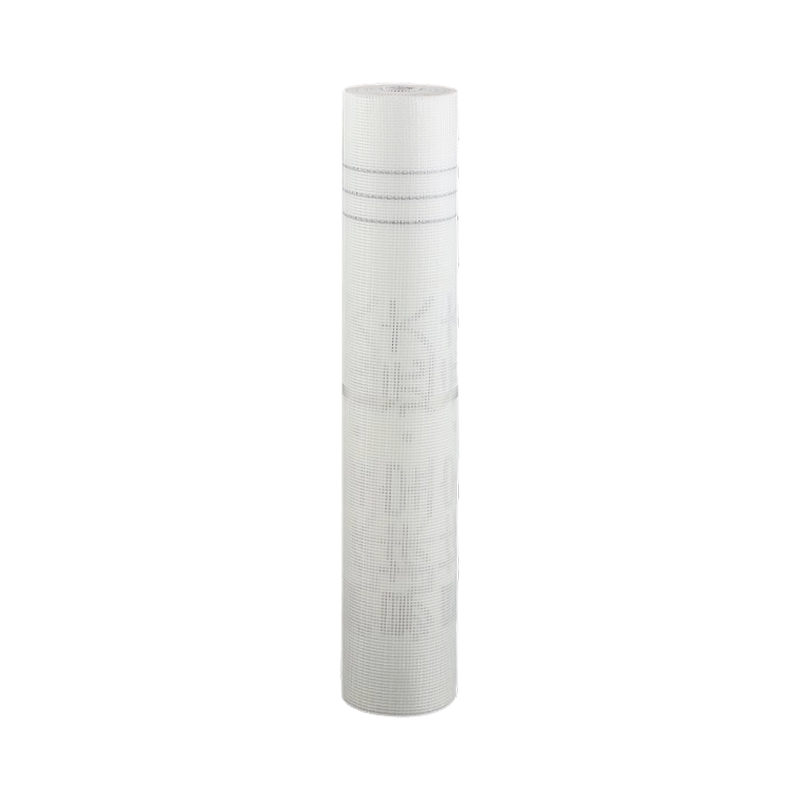
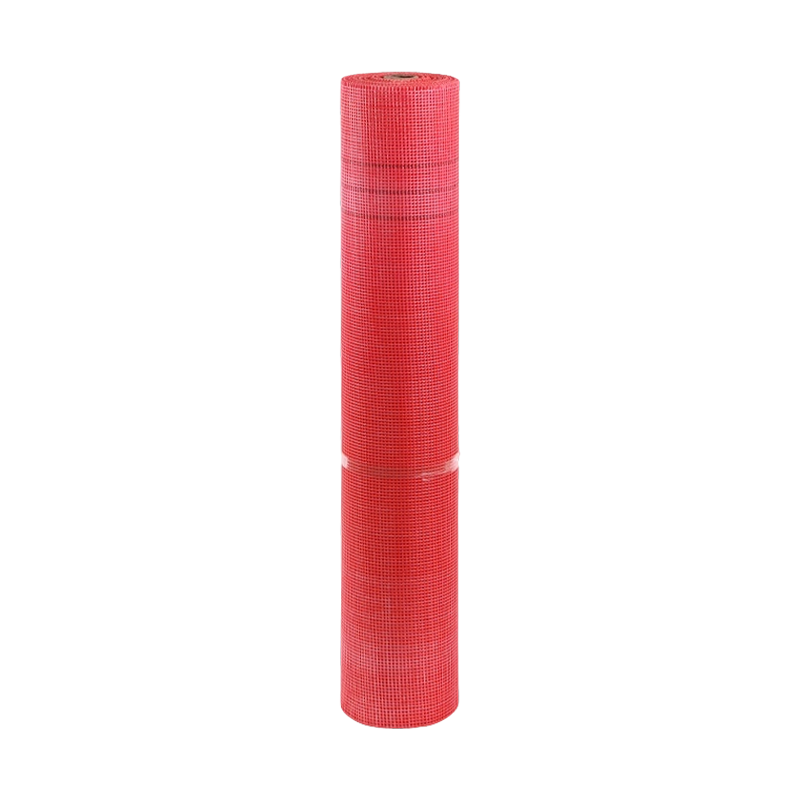
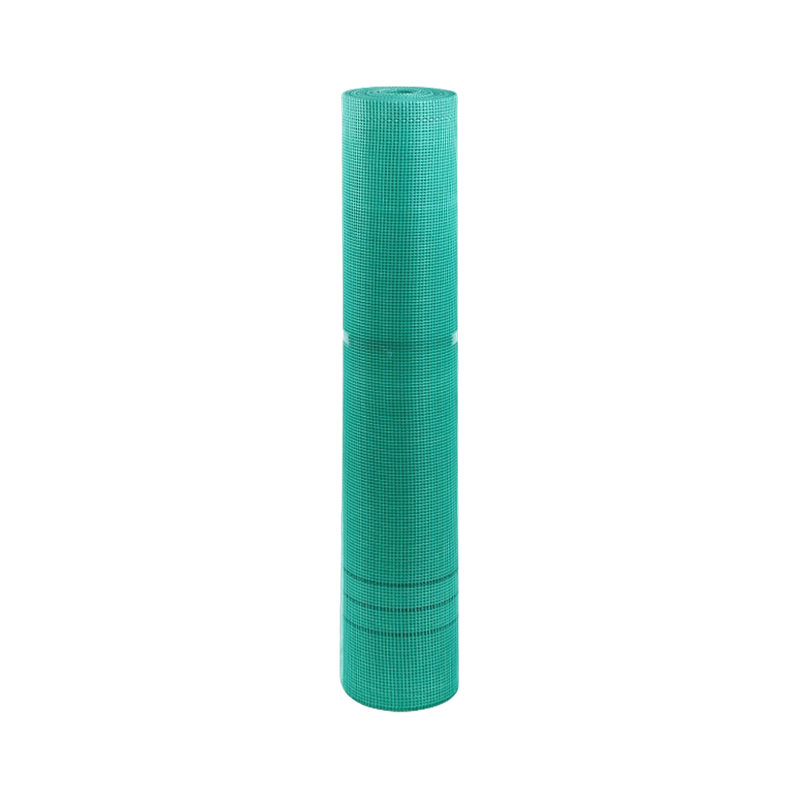
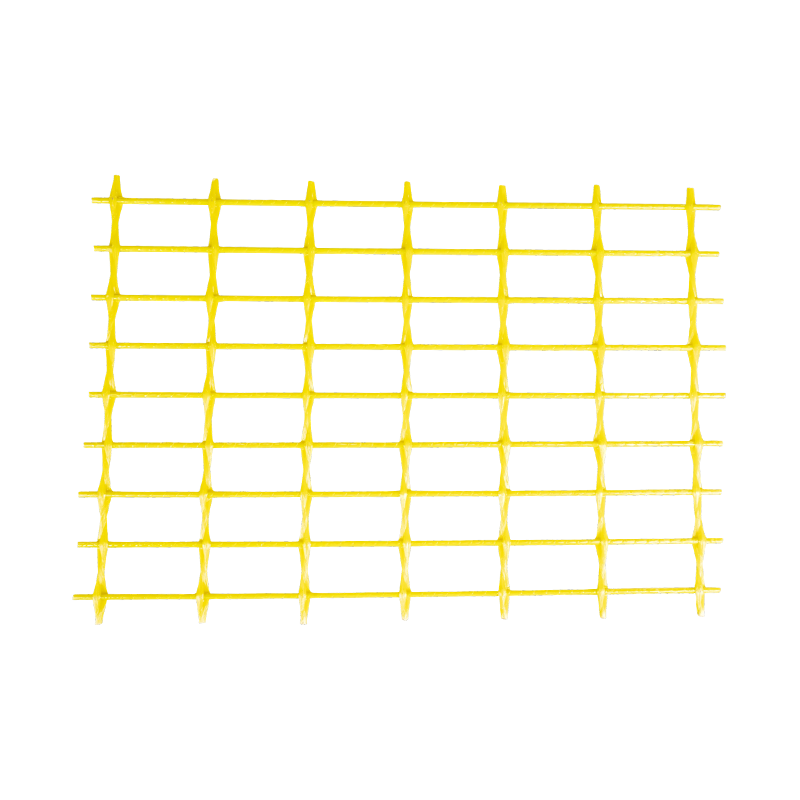
The type of fiberglass mesh used for waterproofing is alkali-resistant (AR) fiberglass mesh, specifically engineered to withstand the high-alkaline environment of cement-based coatings and liquid waterproofing membranes. Standard fiberglass (E-glass) rapidly loses tensile strength when embedded in portland cement or similar alkaline materials, so waterproofing systems rely on AR mesh coated with a durable polymer layer. According to the International Code Council Evaluation Service (ICC-ES) acceptance criteria AC275, which governs fiberglass mesh for use in waterproofing and roofing, the mesh must retain at least 50% of its original tensile strength after alkaline exposure testing. In practice, a high-quality waterproofing fiberglass mesh retains well over 80% under test conditions. This article explains the material science, key performance parameters, comparative advantages, and correct installation techniques for fiberglass mesh in waterproofing applications, with data drawn from ASTM, ISO, and industry field studies.
Content
- 1 How Fiberglass Mesh Reinforces Waterproofing Systems
- 2 Why Alkali-Resistant Fiberglass Mesh Is Non-Negotiable
- 3 Key Specifications That Define Waterproofing-Grade Fiberglass Mesh
- 4 Comparing AR-Glass with Other Fiberglass Types and Reinforcement Alternatives
- 5 The Critical Role of Coatings on Fiberglass Mesh for Waterproofing
- 6 Correct Installation of Fiberglass Mesh in a Waterproofing Assembly
- 7 Frequently Asked Questions About Fiberglass Mesh for Waterproofing
- 7.1 Can I use standard drywall fiberglass tape for waterproofing?
- 7.2 Does a heavier fiberglass mesh always provide better waterproofing?
- 7.3 What is the difference between fiberglass mesh and fiberglass mat for waterproofing?
- 7.4 How long does fiberglass mesh last inside a waterproofing membrane?
- 7.5 Can fiberglass mesh be used with all types of waterproofing membranes?
- 8 Conclusion: The Right Mesh Makes the Waterproofing System Work
How Fiberglass Mesh Reinforces Waterproofing Systems
Fiberglass mesh acts as a stress-distributing reinforcement within waterproofing layers, preventing the formation and propagation of cracks caused by substrate movement, thermal expansion, and curing shrinkage. In liquid-applied waterproofing, the mesh is embedded between coats of polymer-modified cementitious slurry or acrylic membrane to create a composite layer that bridges static and dynamic cracks. The European Organisation for Technical Assessment (EOTA) guideline ETAG 005 for liquid applied roof waterproofing specifies that a reinforced system must withstand crack bridging of at least 0.75 mm at -20°C without failure. The mesh provides the tensile backbone; the coating provides adhesion and water tightness. Without a suitable glass fiber mesh, the coating alone would crack under building movement, allowing water ingress. In exterior insulation and finish systems (EIFS), the mesh is also used over insulation boards beneath the waterproof base coat, and here it must resist impact and wind loads while remaining fully embedded in alkaline base coats. Industry recommendations from the National Association of Home Builders (NAHB) specify that only AR-coated mesh be used in direct contact with cementitious materials to avoid the 60-80% strength loss that standard E-glass can suffer within months.
Why Alkali-Resistant Fiberglass Mesh Is Non-Negotiable
Ordinary E-glass fibers dissolve in the high pH environment of cement, losing up to 70% of their tensile strength within 28 days, whereas alkali-resistant glass (AR-glass) with a high zirconia content resists corrosion and maintains structural integrity for decades. Portland cement has a pH of 12.5 to 13.5, an environment that attacks the silica network of standard borosilicate glass. The glass industry response has been AR-glass, typically containing 16% to 20% zirconium dioxide (ZrO₂). A 2020 study published in the Journal of Materials in Civil Engineering compared AR-glass and E-glass meshes embedded in a cementitious waterproofing slurry. After 56 days of accelerated aging at 60°C and 100% humidity, the AR-glass mesh retained 94% of its initial tensile strength, while the E-glass mesh retained only 28%. The ASTM E2096 standard test method for evaluating glass fiber mesh in cementitious composites uses a sodium hydroxide solution immersion for 28 days to measure strength retention. To meet ICC-ES AC275, a mesh must retain a minimum of 50% strength after this test; premium alkali-resistant fiberglass mesh products consistently exceed 85%. This resistance is the fundamental reason why AR mesh is specified for all permanent contact with cementitious waterproofing layers.
Key Specifications That Define Waterproofing-Grade Fiberglass Mesh
The essential parameters for selecting fiberglass mesh for waterproofing are unit weight (grams per square meter), mesh opening size (millimeters), tensile strength (Newtons per 50 mm width), and residual strength after alkali aging. These specifications determine the mesh's suitability for different membrane thicknesses, substrate conditions, and crack-bridging requirements. The table below summarizes the most common categories used in professional waterproofing based on European standard EN 13496 and ASTM D6630.
| Mesh Category | Typical Weight (g/m²) | Mesh Opening (mm x mm) | Tensile Strength (N/5cm) Warp / Weft | Alkali Resistance (% retention) | Primary Application |
|---|---|---|---|---|---|
| Light reinforcement mesh | 40 – 65 | 4 x 4 or 5 x 5 | 900 – 1200 / 900 – 1200 | 85 – 95 | Thin liquid membranes on stable surfaces, window/door detailing |
| Standard waterproofing mesh | 80 – 110 | 4 x 4 or 5 x 5 | 1400 – 1800 / 1400 – 1800 | 85 – 95 | Cementitious waterproofing on walls and floors, balconies, terraces |
| Heavy-duty crack-bridging mesh | 145 – 165 | 3 x 3 or 4 x 4 | 2200 – 2800 / 2200 – 2800 | 85 – 95 | Roof waterproofing, parking decks, plaza decks, foundation walls |
Table: Classification of alkali-resistant fiberglass mesh for waterproofing by weight, opening size, and tensile strength. Values represent typical commercial products meeting EN 13496 and ICC-ES AC275 performance requirements.
Comparing AR-Glass with Other Fiberglass Types and Reinforcement Alternatives
AR-glass (with 16-20% ZrO₂) outperforms both E-glass and C-glass in alkaline durability, while also surpassing non-fiberglass reinforcement options like polyester fabric in terms of tensile strength-to-weight ratio and fire resistance. E-glass (electrical glass, alumino-borosilicate) is the most common and least expensive reinforcement fiber, but it has negligible alkali resistance. C-glass (chemical glass) provides moderate chemical resistance but is primarily used in battery separators and not widely available in mesh form for construction. AR-glass, developed originally for glass fiber reinforced concrete (GFRC), has become the standard for all cement-based waterproofing meshes. Polyester nonwoven fabrics are sometimes used in bituminous waterproofing systems, but they have a lower modulus of elasticity (approximately 5 GPa compared to 70 GPa for glass fiber), so they stretch more under load, potentially allowing cracks to open further. The following unordered list captures the key distinctions.
- E-glass mesh: Lowest cost, but loses 60-80% strength within 28 days in cement. Unsuitable for direct embedment in cementitious waterproofing unless completely isolated by a thick polymer coating.
- AR-glass mesh: Withstands cement alkalinity long-term, retains >85% strength after accelerated aging, standard for all cement-based and liquid waterproofing systems.
- Polyester fabric: Good elongation for crack accommodation, used in bitumen membranes, but lower tensile modulus and flammability limit its use in some fire-rated assemblies.
- Metal lath: Provides excellent mechanical reinforcement but is prone to corrosion if the waterproofing membrane is breached. Heavier and more labor-intensive than AR mesh.
The Critical Role of Coatings on Fiberglass Mesh for Waterproofing
The polymer coating applied to alkali-resistant fiberglass mesh is not merely a binder; it provides chemical protection, improves adhesion to the waterproofing membrane, and determines the mesh's handling characteristics on site. Most AR meshes are coated with a styrene-acrylic copolymer or a PVC plastisol. The coating weight typically constitutes 10% to 20% of the total mesh weight. A 2022 technical paper from the Textile Research Journal analyzed the effect of different coating formulations on mesh durability when embedded in a two-component cementitious waterproofing slurry. Meshes coated with an acrylic polymer containing a silane adhesion promoter retained 92% of their tensile strength after 1,500 hours of QUV accelerated weathering, compared to 78% for meshes with a standard acrylic coating without the promoter. The coating also fixes the yarn intersections, preventing the mesh from unraveling when cut and ensuring that the grid openings remain stable during the troweling process. In addition, the coating must be compatible with the waterproofing material; solvent-based liquid membranes can soften certain coatings, causing delamination. For this reason, leading manufacturers specify that the fiberglass mesh and the waterproofing membrane be purchased as a tested system.
Correct Installation of Fiberglass Mesh in a Waterproofing Assembly
To achieve the designed crack-bridging capacity, the fiberglass mesh must be embedded in the middle third of the wet waterproofing layer, with a minimum lap of 100 mm (4 inches) at all seams, and must never be placed directly against the substrate. The following ordered steps summarize industry best practice based on the BASF and Sika waterproofing application manuals, which are widely referenced in the construction sector.
- Prime the substrate: Apply an approved primer to the concrete or masonry surface and allow it to dry. The primer reduces suction and improves membrane adhesion.
- Apply the first waterproofing coat: Trowel or roller-apply the liquid membrane or cementitious slurry to a uniform thickness, typically 0.8 to 1.0 mm wet.
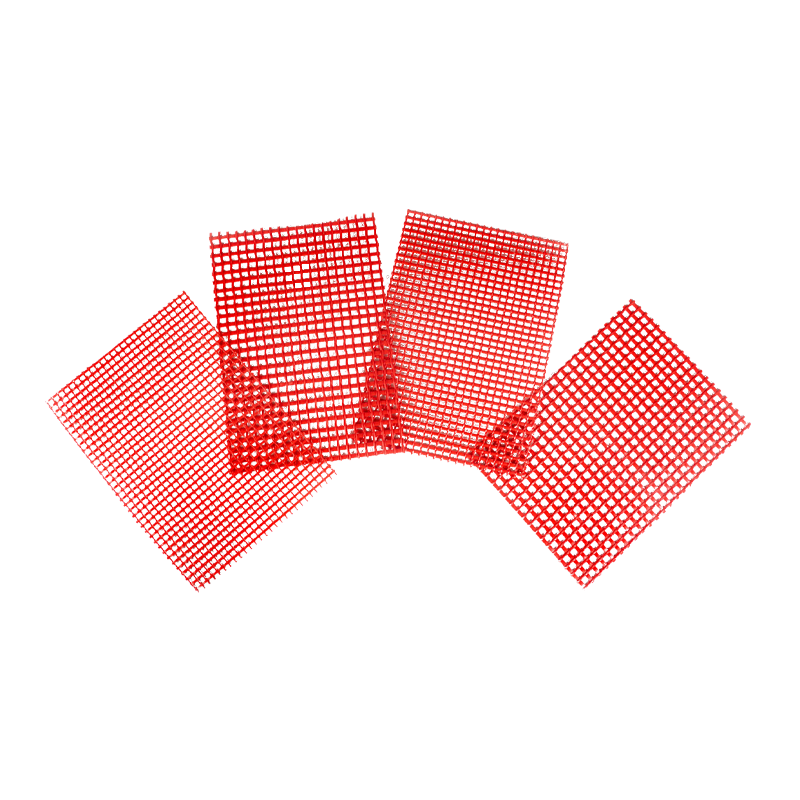
- Embed the AR mesh while the first coat is wet: Press the fiberglass mesh into the wet coating, ensuring it is fully saturated from below. Overlap adjacent sheets by 100 mm. On internal and external corners, install pre-cut reinforcement patches or fold the mesh to maintain continuity.
- Apply the second waterproofing coat: Once the first coat has set but is still tacky, apply the second coat to completely cover the mesh. The total dry film thickness should be as specified, often 2.0 to 3.0 mm.
- Check for full encapsulation: No mesh fibers should be visible after the final coat. Any exposed fibers create a capillary path for moisture.
- Protect and cure: Protect the finished membrane from rain, frost, and direct sun for the time specified by the manufacturer, usually 24 to 72 hours.
Frequently Asked Questions About Fiberglass Mesh for Waterproofing
Can I use standard drywall fiberglass tape for waterproofing?
No. Drywall mesh tape is made from E-glass and lacks the alkali-resistant coating and high tensile strength needed for waterproofing. It will rapidly degrade when buried in cementitious or alkaline liquid membranes, causing the waterproofing layer to crack. Only alkali-resistant fiberglass mesh labeled for waterproofing or EIFS use should be applied.
Does a heavier fiberglass mesh always provide better waterproofing?
Not necessarily. A heavier mesh (>150 g/m²) provides higher tensile strength and better crack bridging, but it requires a thicker membrane to fully encapsulate it. If the coating is too thin, the mesh can telegraph through or create a plane of weakness. The fiberglass mesh weight must be matched to the waterproofing system's design thickness and expected crack width. In many residential balcony applications, an 80-110 g/m² mesh is sufficient.
What is the difference between fiberglass mesh and fiberglass mat for waterproofing?
A mesh is an open woven grid of yarns with visible openings, while a mat is a nonwoven tissue of randomly oriented chopped fibers. Fiberglass mesh is used for structural reinforcement and crack bridging, whereas glass mat is sometimes used as a carrier for bitumen membranes or as a surface layer for shingles. For liquid-applied waterproofing, the open grid mesh is essential for mechanical bonding between coats.
How long does fiberglass mesh last inside a waterproofing membrane?
When properly embedded in a compatible waterproofing system and protected from direct UV exposure, alkali-resistant fiberglass mesh can remain effective for the design life of the waterproofing assembly, which is commonly 25 to 50 years for below-grade and plaza deck installations. The critical factor is the complete encapsulation of the mesh in the membrane; any exposed fibers will wick moisture and can freeze-thaw spall in cold climates.
Can fiberglass mesh be used with all types of waterproofing membranes?
AR fiberglass mesh is compatible with cementitious slurries, acrylic liquid membranes, and some two-component polyurethane and polyurea systems. It is not suitable for hot-applied rubberized asphalt membranes, where polyester felt or fabric is the standard reinforcement. Always consult the membrane manufacturer's approved reinforcement list to ensure chemical compatibility between the mesh coating and the waterproofing material.
Conclusion: The Right Mesh Makes the Waterproofing System Work
The question what kind of fiberglass mesh is used for waterproofing has a clear, evidence-based answer: an alkali-resistant fiberglass mesh with a durable polymer coating, specifically designed to resist the high pH of cementitious and alkaline waterproofing materials. The selection of weight, opening size, and tensile strength must be matched to the expected service conditions, but the non-negotiable requirement is the AR-glass composition. By understanding the performance specifications and following proper embedding techniques, builders and waterproofing contractors can ensure a monolithic, crack-resistant protective layer that keeps water out for the entire service life of the structure.