English
 中文简体
 Español
Short answer: use an epoxy-compatible fiberglass mesh with a silane sizing, a weight that matches the build-up you need, and a weave that wets out without trapping air. For most hand laminating and repair work, 130–160 g/m² is a practical starting point; 300 g/m² is better for thickness and abrasion resistance, while lighter 80–130 g/m² mesh suits surface veils and thin reinforcement. Fiberglass mesh for epoxy is a woven or laid glass reinforcement designed to be saturated with epoxy resin, not a stand-alone adhesive and not a substitute for structural design.
The mesh must do three jobs at once: carry load in the cured laminate, let epoxy penetrate quickly, and stay flat without print-through. If the sizing, weight, or weave is wrong, the failure usually appears as dry white fibers, air pockets, or a weak peel line rather than an obvious break.
Content
What Fiberglass Mesh for Epoxy Must Do
A good epoxy mesh wets out fully, lies flat, and disappears into the resin film; if white fibers remain after wet-out, the mesh is wrong for the process. Epoxy has low viscosity compared with many construction binders, so it follows the glass surface closely. A starch-sized or heavily coated wall mesh may resist wet-out, while a clean silane-finished mesh lets resin flow into the strands and bond across the weave.
Weight is the first practical filter. Light mesh conforms to curves and adds little thickness. Heavier mesh builds mass quickly but drinks more resin and can bridge over tight corners. The table below shows common ranges and where they usually fit.
| Areal weight | Typical form | Best fit in epoxy work | Handling note |
|---|---|---|---|
| 80–130 g/m² | Fine weave or open veil | Surface veils, thin laminates, electrical insulation layers | Low resin demand; easy to over-resin and starve the laminate |
| 130–160 g/m² | Balanced woven mesh | General laminating, repair patches, panel skins | Good drape; watch air bubbles at weave intersections |
| 300 g/m² | Heavier woven or laid mesh | Buildup, abrasion areas, tooling surfaces | Higher resin uptake; harder to conform over sharp radii |
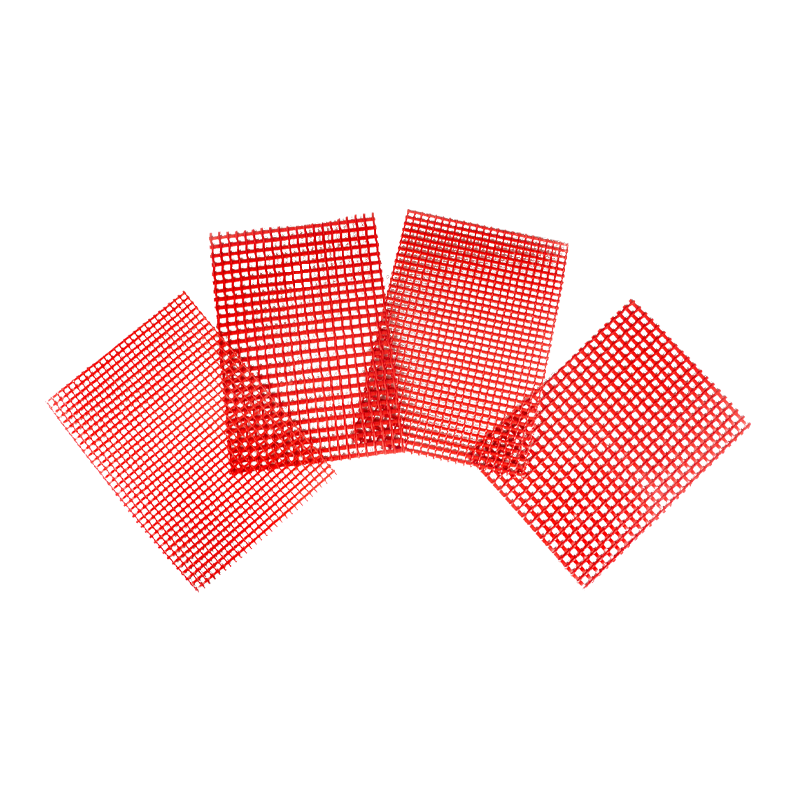
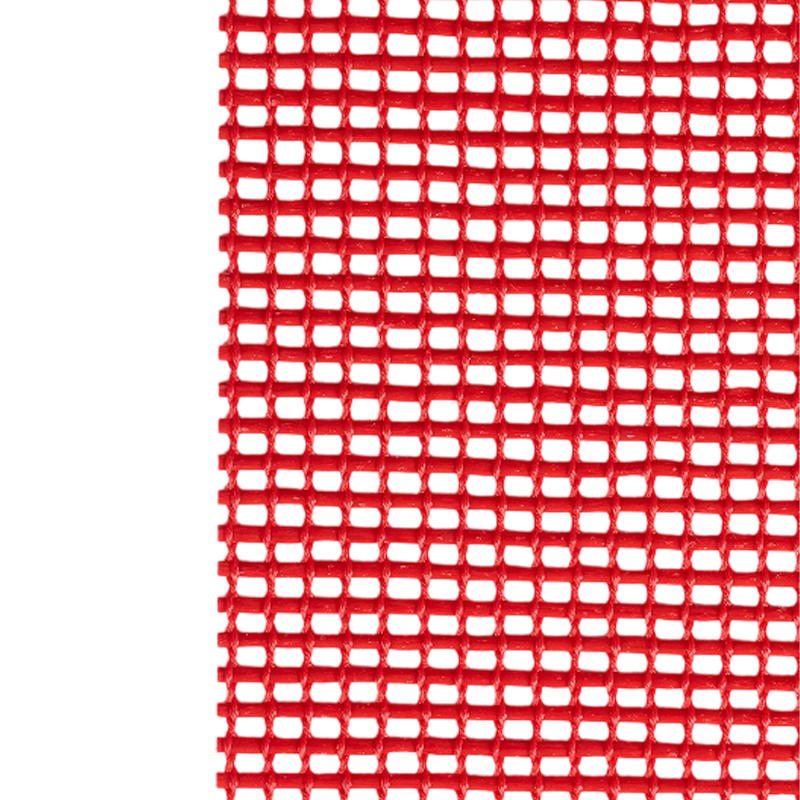 Epoxy Glass Fiber Mesh Cloth for Dry-Type TransformersEpoxy-impregnated glass mesh cloth for dry-type transformer insulation, useful when comparing mesh weight, weave, resin demand, and conformability.View Product →
Match Weight and Weave to the Epoxy Process
Weight controls resin demand and build thickness; weave controls drape and air release. A tight weave gives a smooth surface and uniform resin distribution, but it can trap air in hand layup. An open weave wets out faster and releases air more easily, yet it may print through a thin gelcoat or leave visible texture.
For hand layup, choose a mesh that stays in contact with the substrate without floating. For vacuum bagging, an open weave helps air escape before the bag pulls resin into dry spots. For repair work over concrete, wood, or old composite, a lighter mesh follows cracks and contours better than a heavy panel-grade fabric. The process matters as much as the mesh specification: slow hardeners, warm shop conditions, and excessive resin all change wet-out behavior.
- Use 130–160 g/m² for general repair and laminating where conformability matters.
- Use 300 g/m² when you need abrasion resistance or faster thickness buildup.
- Use 80–130 g/m² for surface veils and thin electrical or composite layers.
- Test the actual resin mix on the actual roll; do not rely on a generic compatibility claim.
Sizing and Resin Compatibility Decide the Bond
The glass itself does not bond to epoxy; the sizing on the glass does. Sizing is the thin chemical film applied during manufacture to protect strands and help them wet out. A silane sizing designed for epoxy supports chemical interaction at the interface. A starch sizing, common in low-cost construction mesh, may be acceptable for some emulsion systems but can block epoxy adhesion or create a weak boundary layer.
Moisture is the second hidden variable. Glass mesh absorbs water on the surface, especially after storage in humid conditions. Epoxy does not tolerate moisture well at the bond line. Keep rolls sealed, bring them to shop temperature before opening, and run a wet-out test if a roll has been open for weeks. For electrical insulation or prepreg-style work, specify a cloth with a finish intended for epoxy and confirm the datasheet rather than assuming that all glass mesh behaves the same.
Where the mesh is part of an electrical insulation build, a controlled epoxy glass fiber mesh cloth is a more predictable input than a generic wall mesh. The key checks are sizing type, areal weight tolerance, roll winding, and whether the supplier can keep the finish consistent from lot to lot.
How to Test a Roll Before You Buy
A 30-minute wet-out and peel test is more useful than a datasheet alone. Cut three 150 mm squares from different parts of the roll, lay them on a clean release surface, and saturate them with the production epoxy at the same mix ratio and shop temperature. Cover one sample with vacuum bag if that is your process, leave one open, and press one between two flat plates.
- Check wet-out: the glass should turn translucent, with no white dry patches or frothy air trails.
- Check drape: the mesh should conform without lifting at corners or bridging over a 5 mm step.
- Check resin uptake: weigh the sample before and after saturation to estimate resin demand.
- Check cured peel: after full cure, cut a 25 mm strip and pull it from a prepared substrate to look for cohesive failure in the resin, not clean release at the glass surface.
- Check thickness and print-through: stack two plies and measure the cured build if surface finish matters.
Dry Mesh vs GFRP Epoxy Mesh Sheet
Use dry fiberglass mesh when you are laminating with epoxy; use a GFRP epoxy mesh sheet when you need a pre-cured, rigid grid. They are related products but not interchangeable. Dry mesh is flexible, shipped on a roll, and saturated on site. A GFRP sheet already contains cured epoxy resin, so it arrives as a stiff panel or grid with fixed thickness and spacing.
| Product form | Epoxy state | Typical use | Main purchase check |
|---|---|---|---|
| Dry fiberglass mesh | Supplied dry; saturated during layup | Repair, laminating, surface reinforcement, electrical layers | Sizing compatibility, wet-out speed, areal weight tolerance |
| GFRP epoxy mesh sheet | Pre-cured epoxy and glass grid | Structural panels, grilles, low-resin assembly, stiff reinforcement | Grid spacing, panel thickness, cut edge quality, dimensional stability |
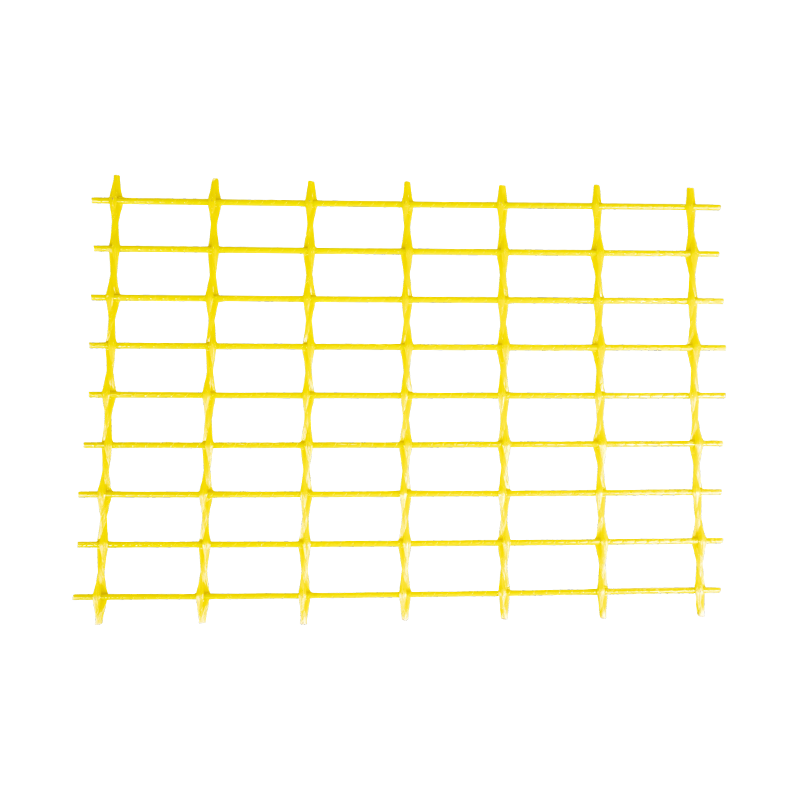
For a rigid epoxy/glass grid rather than a roll of dry reinforcement, a GFRP epoxy resin mesh sheet can remove wet-out variability from the process. That is useful when the job is assembly or structural panel work, but it is the wrong choice when the mesh must drape into a mold or bond into a wet laminate.
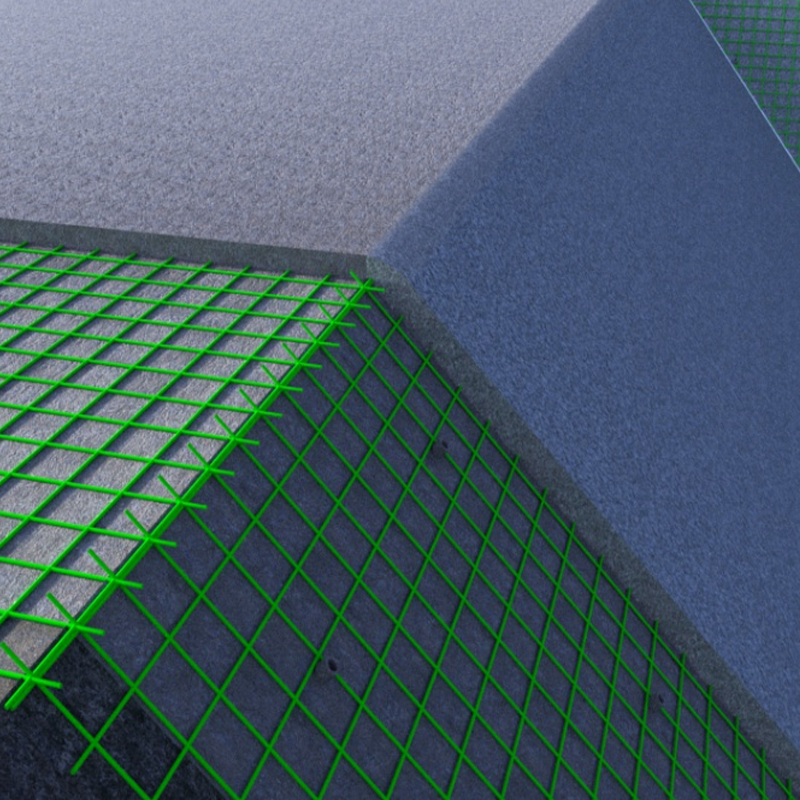 GFRP Epoxy Resin Mesh for Rigid Composite GridsRigid GFRP epoxy resin mesh for assembly and structural panel applications, offering an alternative to dry reinforcement rolls where wet-out variability matters.View Product →
Procurement Risks That Show Up on the Line
Most mesh failures in epoxy production are traceable to weight variation, poor roll winding, moisture, and incompatible sizing—not to the glass type. Areal weight that drifts by 10% changes resin demand and cured thickness. Loose roll winding causes creases that become air channels. Wet or contaminated rolls create weak bond lines that look fine until peel testing or field failure.
- Ask for a certificate showing areal weight, sizing type, and roll length, then verify one roll in-house.
- Check roll edges for fraying and telescoping; a badly wound roll wastes material at the start and end of each run.
- Store mesh in sealed packaging at stable humidity; do not open rolls until the shop is at working temperature.
- Keep a retained sample from each lot and repeat the wet-out test when the resin or process changes.
- For construction repair work, confirm that the mesh is intended for epoxy, not only for alkaline render systems.
For broader selection, installation checks, and material handling notes, see the site's selection and installation resources.
Fiberglass Mesh for Epoxy: FAQ
Is fiberglass mesh compatible with epoxy?
Yes, when the mesh has a sizing intended for epoxy and is dry, clean, and fully saturated. Plain glass mesh is chemically compatible with epoxy, but a starch finish or surface moisture can prevent a reliable bond.
What weight of fiberglass mesh should I use with epoxy?
Use 130–160 g/m² for general laminating and repair, 300 g/m² for buildup or abrasion resistance, and 80–130 g/m² for thin surface or insulation layers. The right choice depends on resin uptake, conformability, and required cured thickness.
Can I use alkali-resistant wall mesh with epoxy?
Only after a wet-out and peel test. Many wall meshes carry a heavy coating designed for cementitious systems; that coating may block epoxy adhesion even if the glass is strong. If the mesh stays white or peels cleanly, do not use it.
How do I know the mesh is fully wet out?
The saturated mesh should look translucent, with no white dry fibers and no air trails along the weave. If dry patches remain after normal roller work, the sizing, resin viscosity, or shop temperature is fighting the process.
Does epoxy dissolve fiberglass mesh?
No, cured epoxy does not dissolve glass reinforcement. Poor results usually come from incompatible sizing, moisture, contamination, or insufficient resin, not from chemical attack on the glass.
For a composite-industry view of how epoxy glass mesh is positioned in reinforcement work, see this note on epoxy glass mesh in composite construction.
Bottom Line
Buy fiberglass mesh for epoxy by compatibility first, weight second, and price third. A slightly more expensive roll with a known silane sizing and tight weight tolerance is usually cheaper than a failed laminate, a delaminated repair, or a production run that has to be scrapped after wet-out testing.